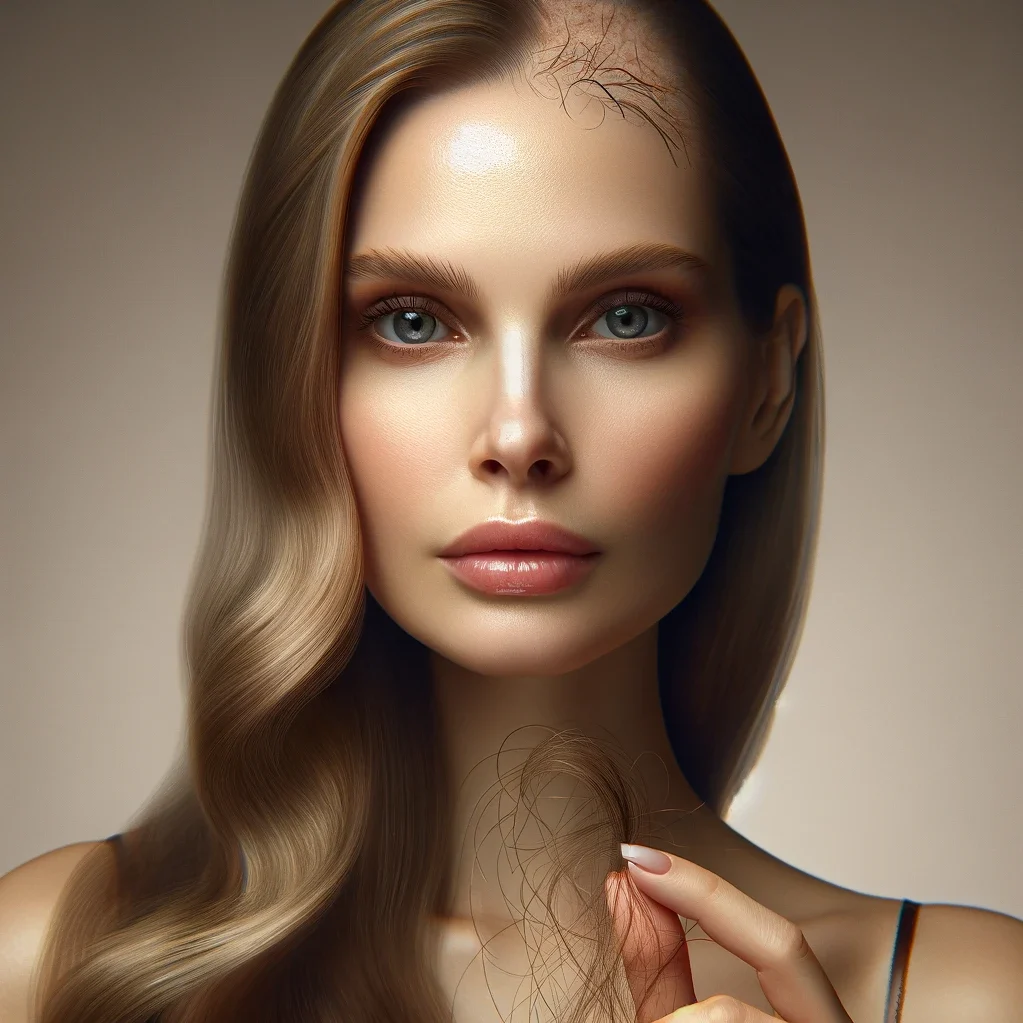
Hormonal hair loss is a common issue that affects women of all ages. By age 50, up to 40% of women will experience noticeable hair loss. Unlike men, women may notice hair thinning rather than specific bald patches or receding hairlines. Understanding the hair growth cycle is important. Hair growth occurs in three phases: the anagen phase (growth), catagen phase (transition), and telogen phase (resting and shedding). It is normal to lose between 50 and 100 strands of hair per day. However, if you notice an increase in hair shedding or areas of visible thinning, it is advised to consult with a doctor. Hormonal changes, such as those experienced during menopause or due to conditions like polycystic ovarian syndrome (PCOS), can contribute to hormonal hair loss in women.
Key Takeaways:
- Hormonal hair loss is common in women and can result in hair thinning.
- Understanding the hair growth cycle is essential in identifying hair loss symptoms.
- Consulting with a doctor is recommended if experiencing excessive hair shedding or noticeable thinning.
- Hormonal changes, including those during menopause and conditions like PCOS, can contribute to hair loss.
- Seeking professional diagnosis and personalized treatment is crucial for managing hair loss in women.
Causes of Hair Loss in Women
Hair loss in women can occur suddenly due to various factors. It is important to understand the common causes of hair loss in order to find the right solutions. Here are some key factors that can contribute to hair loss in women:
Telogen Effluvium
Telogen effluvium is a type of hair loss that occurs when the hair follicles enter a resting phase prematurely. This can be triggered by a variety of factors, including:
- High stress
- Trauma
- Childbirth
- Severe infection
- Crash diets
- Iron deficiency
- Vitamin D deficiency
- Psychological stress
- Depression
- Anxiety
- Thyroid disease
These factors can disrupt the normal hair growth cycle and lead to sudden hair loss.
Female Pattern Hair Loss (FPHL)
Female pattern hair loss, also known as androgenetic alopecia, is the most common type of hair loss in women. It is a hereditary condition that can be inherited from either parent. FPHL is characterized by hair thinning and gradual hair loss, typically starting at the top of the head. Hormonal shifts, such as those experienced during menopause or due to conditions like polycystic ovarian syndrome (PCOS), can contribute to FPHL at younger ages. Women with PCOS often have an overproduction of male hormones (androgens), which can lead to hair thinning.
| Cause | Description |
|---|---|
| Telogen Effluvium | A type of hair loss triggered by high stress, trauma, childbirth, severe infection, crash diets, iron deficiency, vitamin D deficiency, psychological stress, depression, anxiety, or thyroid disease. |
| Female Pattern Hair Loss (FPHL) | The most common type of hair loss in women, characterized by hair thinning and gradual hair loss. It is hereditary and can be influenced by hormonal shifts. |
Understanding the causes of hair loss is the first step towards finding appropriate treatments and solutions. In the next section, we will explore different hair loss treatments that can help women regain their confidence and promote healthy hair growth.
Hair Loss Treatments for Women
Fortunately, there are effective hair loss treatments available for women. Women experiencing hair loss have several options that can help promote hair growth and improve the overall condition of their hair.
Topical Minoxidil
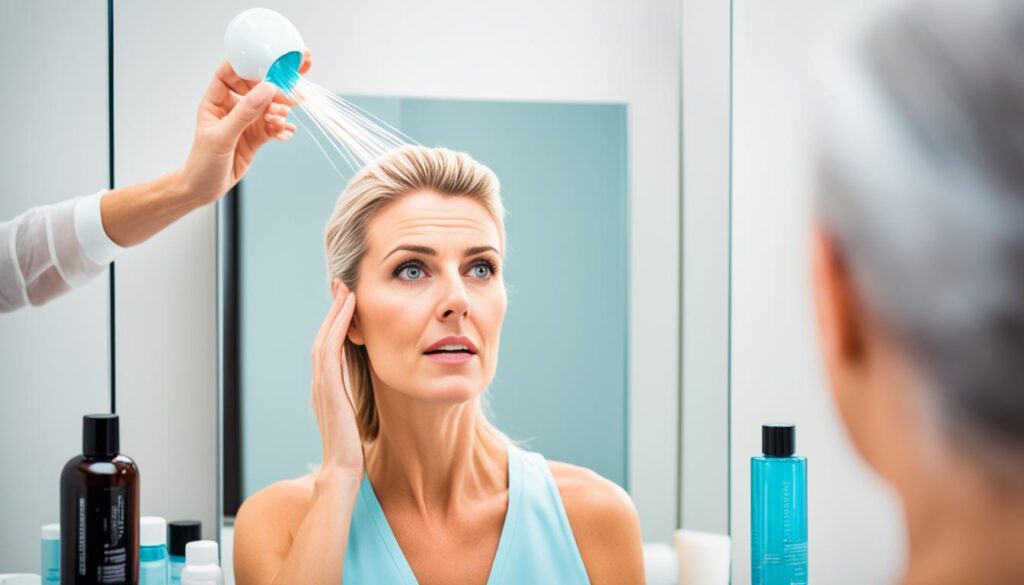
One of the most commonly used treatments for hair loss in women is topical minoxidil. This FDA-approved over-the-counter medication can be directly applied to the scalp on a daily basis. Minoxidil works by promoting blood flow to the hair follicles and stimulating hair regrowth. It is important to note that results may take several months to become noticeable, and continuous use is required to maintain the benefits.
Low-Light Lasers
Low-light lasers, such as laser combs and caps, have also shown promising results in treating hair loss. These devices emit low-energy light that stimulates the hair follicles, promoting hair growth. Low-light lasers have received FDA approval and can be used safely at home. Regular use of low-light lasers can improve the thickness and density of the hair over time.
Prescription Oral Medications
In some cases, dermatologists may prescribe oral medications to treat female pattern hair loss. Two commonly used medications are finasteride and spironolactone. Although these medications are not specifically approved for hair loss in women, they have shown positive effects in some cases. It is important to consult with a healthcare professional before starting these medications, as they may have side effects and are not suitable for everyone.
Platelet-rich Plasma (PRP) Therapy
Platelet-rich plasma (PRP) therapy is a regenerative treatment where a concentrated form of plasma from the patient’s own blood is injected into the scalp. PRP contains growth factors that stimulate hair growth and promote the healing of damaged hair follicles. This treatment can be effective in improving hair density and thickness. Several sessions may be required to achieve optimal results.
Microneedling
Microneedling, when combined with topical minoxidil, can also help stimulate hair growth. This treatment involves using a device with tiny needles to create micro-injuries on the scalp. These micro-injuries promote the production of collagen and stimulate blood flow to the hair follicles. When followed by the application of topical minoxidil, microneedling can enhance its absorption and effectiveness.
It is important to note that the effectiveness of hair loss treatments can vary depending on the individual. Therefore, it is recommended to consult with a healthcare professional or dermatologist to determine the most suitable treatment option based on the specific needs and condition of the hair.
| Treatment | Description |
|---|---|
| Topical Minoxidil | A medication applied directly to the scalp to stimulate hair growth. |
| Low-Light Lasers | Devices that emit low-energy light to stimulate hair follicles and promote hair growth. |
| Prescription Oral Medications | Medications taken orally to address underlying causes of hair loss. |
| Platelet-rich Plasma (PRP) Therapy | A regenerative treatment that involves injecting plasma from the patient’s own blood into the scalp to stimulate hair growth. |
| Microneedling | A procedure that creates tiny injuries on the scalp to promote collagen production and enhance the absorption of topical treatments. |
Signs of Hormonal Hair Loss in Women
There are several symptoms that can indicate hormonal hair loss in women. While it may not present as a specific bald patch or receding hairline, there are other signs to look out for:
- Wider part: Hormonal hair loss can cause the part in the hair to widen, with more scalp becoming visible.
- Thinner ponytail: If you notice that your ponytail is becoming thinner than usual, it could be a sign of hair loss.
- Excessive hair in comb or brush: Finding an increased amount of hair in your comb or brush after styling can be a sign of hair loss.
- Hair left on pillows, towels, or clothes: Another common symptom is finding strands of hair on your pillows, towels, or clothes.
- Visible scalp patches: Women experiencing hormonal hair loss may notice visible patches of scalp, especially in areas where the hair is thinner.
If you are experiencing any of these symptoms, it is important to consult with a healthcare professional or dermatologist. They can evaluate your condition, determine if hormonal hair loss is the cause, and provide appropriate treatment options.
Hair Loss Causes and Contributing Factors
Hormonal imbalances, hereditary factors, and aging play significant roles in hair loss among women. Hormones, such as androgens, can disrupt the hair growth cycle, leading to hair thinning and loss. Genetic predisposition also influences the susceptibility to hair loss. As we age, our hair follicles naturally shrink, resulting in finer and shorter hair strands.
Certain medications, including those used for cancer treatment, high blood pressure, and thyroid disorders, can contribute to hair loss as a side effect. Additionally, stress is a known trigger for hair loss, causing a condition called telogen effluvium where hair prematurely enters the resting phase and subsequently falls out. Medical conditions such as autoimmune disorders, scalp infections, and hormonal imbalances like polycystic ovarian syndrome (PCOS) can also cause hair loss.
Styling habits can have a detrimental effect on hair health as well. Tightly pulled hairstyles such as braids, ponytails, and buns can physically stress the hair follicles and lead to traction alopecia. Excessive use of heat styling tools, like straighteners and curling irons, can damage the hair shafts and weaken the strands. Harsh chemical treatments, such as bleaching and perming, can further worsen hair loss.
Hormonal changes during menopause and pregnancy can have a profound impact on hair growth. Fluctuations in estrogen and progesterone levels can disrupt the hair cycle, resulting in excessive shedding or hair thinning. Transgender individuals undergoing hormone therapy may also experience changes in their hair growth patterns due to hormone-induced androgenetic alopecia.
In summary, the causes of hair loss in women can be attributed to hormonal imbalances, hereditary factors, aging, medications, stress, medical conditions, styling habits, and hormonal changes during menopause and pregnancy. It is essential to identify and address the underlying cause to effectively manage hair loss and promote hair regrowth.
Hair Loss Risk Factors
Several risk factors can increase the likelihood of hair loss in women. These factors include:
- Family history: Individuals with a family history of hair loss are more prone to experiencing it themselves.
- Age: Hair loss becomes more common as women grow older.
- Significant weight loss: Rapid and substantial weight loss can contribute to hair loss.
- Medical conditions: Certain medical conditions like diabetes or lupus can have an impact on hair health.
- Stress: High levels of stress, whether physical or emotional, can lead to hair loss.
- Poor nutrition: A diet lacking in essential nutrients can affect the health of hair follicles.
Understanding these risk factors can help individuals take proactive measures to prevent hair loss and promote hair health.
Preventing Hair Loss and Maintaining Hair Health
While some causes of hair loss may not be preventable, there are steps that can be taken to maintain hair health and minimize hair loss. Here are some gentle hair care practices and lifestyle habits that can help you keep your locks looking their best:
Gentle Hair Care Practices
- Avoid tight hairstyles that can pull on the hair follicles and cause damage.
- Handle wet hair with care to prevent breakage. Avoid tugging or brushing roughly.
Protection from Sunlight and UV Damage
Sunlight and UV rays can weaken the hair and contribute to hair loss. To protect your hair:
- Wear a hat or use protective hair products that contain SPF when exposed to the sun.
- Consider using leave-in conditioners or masks with UV protection for added defense.
Quitting Smoking
“Smoking can have detrimental effects on hair health. Research suggests that smoking can disrupt the hair growth cycle and contribute to hair loss. Quitting smoking not only benefits your overall health but also promotes healthier hair.”
Maintaining a Healthy Diet
“A balanced diet rich in vitamins and minerals is essential for healthy hair. Make sure to consume foods that are high in biotin, iron, zinc, and vitamins A, C, and E. Incorporate plenty of fruits, vegetables, lean proteins, and whole grains into your diet.”
Seeking Treatment for Underlying Medical Conditions
Sometimes, hair loss can be a symptom of an underlying medical condition. If you notice excessive hair shedding or thinning, it’s important to seek medical advice.
Conclusion
Hormonal hair loss is a common issue that affects many women. The signs of hormonal hair loss, such as hair thinning and shedding, can be distressing. Understanding the underlying causes, such as hormonal imbalances and changes, is crucial in finding suitable treatment options.
Fortunately, there are various hormonal hair loss treatments available for women. These include topical medications, such as minoxidil, which can promote hair regrowth. Laser therapy and injection treatments, like platelet-rich plasma therapy, are also effective in managing hair loss and stimulating hair growth.
If you are experiencing hair loss, it is essential to seek professional help from a healthcare provider. They can provide a proper diagnosis and recommend personalized treatment options tailored to your specific needs. Remember, early intervention is key in managing hormonal hair loss and achieving hair regrowth.
FAQ
What are the signs of hormonal hair loss in women?
Signs of hormonal hair loss in women can include a wider part, a thinner ponytail, excessive hair left in combs or brushes, hair on pillows, towels, or clothes, and visible patches of scalp.
What causes hair loss in women?
Hair loss in women can be caused by hormonal imbalances, hereditary factors, age, medications, stress, medical conditions, styling habits, and hormonal changes during menopause and pregnancy.
What are the treatment options for hair loss in women?
Treatment options for hair loss in women may include topical minoxidil, low-light lasers, prescription oral medications, platelet-rich plasma therapy, and microneedling.
What are the symptoms of hormonal hair loss in women?
Symptoms of hormonal hair loss in women can include a wider part, a thinner ponytail, excessive hair left in combs or brushes, hair on pillows, towels, or clothes, and visible patches of scalp.
What are the causes and contributing factors of hair loss in women?
Hair loss in women can be caused by hormonal imbalances, hereditary factors, aging, medications, stress, medical conditions, styling habits, and hormonal changes during menopause and pregnancy. Androgenetic alopecia can be a factor in transgender individuals undergoing hormone therapy.
What are the risk factors for hair loss in women?
Family history, age, significant weight loss, medical conditions, stress, and poor nutrition can all be risk factors for hair loss in women.
How can I prevent hair loss and maintain hair health?
To prevent hair loss and maintain hair health, it is important to practice gentle hair care, avoid tight hairstyles, protect hair from sunlight and UV damage, quit smoking, maintain a healthy diet, and seek treatment for underlying medical conditions.
What can I do if I am experiencing hair loss?
If you are experiencing hair loss, it is recommended to consult with a healthcare professional who can provide a proper diagnosis and recommend a personalized treatment plan.