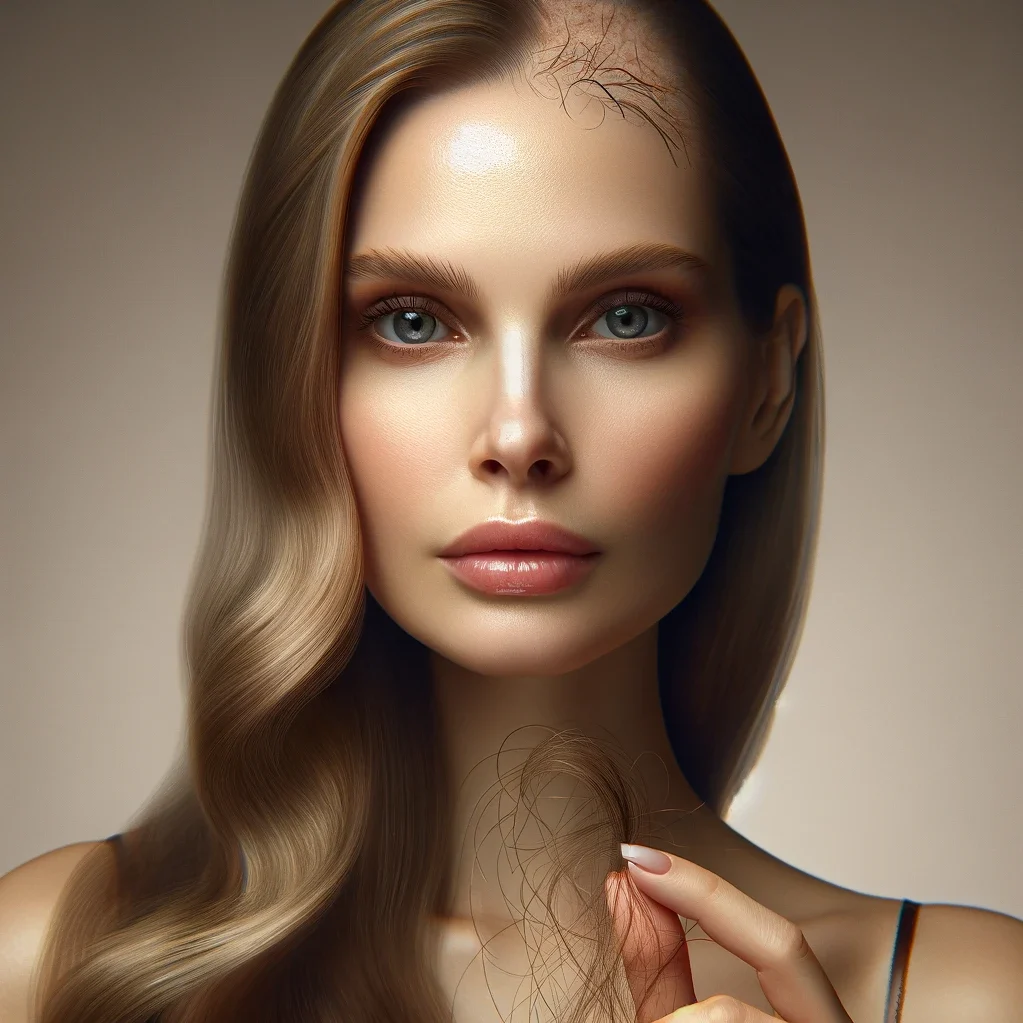

Welcome to our comprehensive guide on androgenic alopecia in women, also known as female pattern hair loss. In this article, we will explore the causes and available treatments for this common condition that affects many women worldwide.
Androgenic alopecia is characterized by progressive hair thinning in women, primarily in the crown and frontal areas of the scalp. It is influenced by both genetic and hormonal factors, including the impact of androgens. While the exact mechanisms are not fully understood, it is believed that androgens, such as testosterone, contribute to the miniaturization of hair follicles, resulting in thinning and eventual loss of hair. Other factors, such as genetics and abnormal levels of androgens in the blood, may also play a role.
Fortunately, various treatment options are available for managing androgenic alopecia in women. These include medications, such as minoxidil and spironolactone, as well as surgical options, laser light devices, and platelet-rich plasma injections. By exploring these treatments, women can find relief from the effects of androgenic alopecia and regain their confidence and self-esteem.
Throughout this article, we will delve deeper into the understanding of androgenic alopecia, the process of diagnosing it, its causes, and the various treatment options available. We will discuss potential side effects and considerations, helping women make informed decisions about their hair loss treatment journey.
Key Takeaways:
- Androgenic alopecia in women is characterized by progressive hair thinning primarily in the crown and frontal areas of the scalp.
- Genetic and hormonal factors, including androgens, play a role in the development of androgenic alopecia in women.
- Treatment options for androgenic alopecia in women include medications, surgical options, laser light devices, and platelet-rich plasma injections.
- Minoxidil and spironolactone are commonly used medications for managing androgenic alopecia in women.
- When considering treatment for androgenic alopecia, it is important to be aware of potential side effects and precautions.
Understanding Androgenic Alopecia in Women
Androgenic alopecia, also known as female pattern hair loss, is a specific type of hair loss that primarily affects women. It is characterized by gradual hair thinning, especially in the crown and frontal areas of the scalp. Unlike men, women rarely develop completely bald areas. The hair loss in women with androgenic alopecia is more diffuse compared to men, and the exact factors that contribute to this process are not well understood. However, it is believed that hormones related to testosterone, called androgens, play a role in causing hair follicles to have a shorter growth phase, resulting in abnormally thin and short hair shafts. Genetics also appear to be a significant factor in the risk for androgenic alopecia in women, although additional research is required to fully understand the role of genetics and other factors.
Diagnosing Androgenic Alopecia in Women
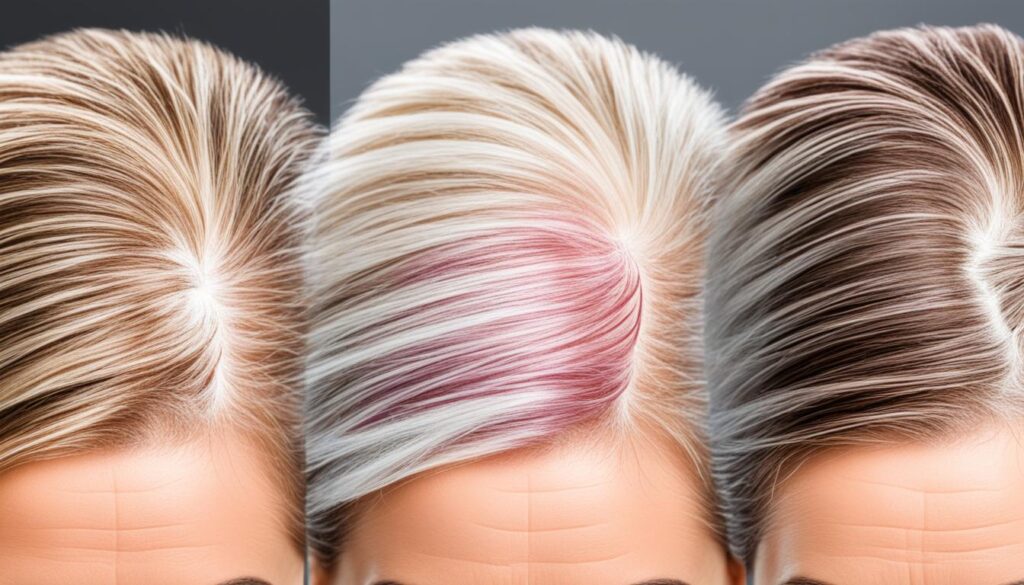
Androgenic alopecia in women can usually be diagnosed by examining the scalp. A healthcare provider will assess the pattern and extent of hair loss, looking for signs of erythema, scaling, or inflammation on the scalp. In nonscarring alopecias, follicular units are apparent, while they are absent in scarring types. The density and distribution of hair, as well as the caliber, length, shape, and fragility of the hair shaft, are also assessed. In some cases, blood tests or a scalp biopsy may be necessary to rule out other causes of hair loss. It is important to consult a healthcare provider knowledgeable about the diagnosis and treatment of hair loss to receive an accurate diagnosis and appropriate treatment plan.
| Diagnosing Androgenic Alopecia in Women | Signs looked for during examination |
|---|---|
| Follicular units in nonscarring alopecias | Present |
| Follicular units in scarring types | Absent |
| Hair density and distribution | Assessed |
| Caliber, length, shape, and fragility of hair shaft | Assessed |
Evaluation of hair loss:
- Pattern and extent of hair loss
- Presence of erythema, scaling, or inflammation on the scalp
- Presence or absence of follicular units
- Density and distribution of hair
- Caliber, length, shape, and fragility of the hair shaft
In some cases, additional diagnostic tests may be required:
- Blood tests to rule out other causes of hair loss
- Scalp biopsy to determine the underlying cause of hair loss
It is important to consult a healthcare provider experienced in the diagnosis and treatment of hair loss to ensure accurate diagnosis and appropriate treatment.
Causes of Androgenic Alopecia in Women
The causes of androgenic alopecia in women are still not fully understood. However, research suggests that a combination of genetic and hormonal factors contributes to the development of this condition.
Genetic Factors: Genetics play a significant role in the risk of androgenic alopecia in women. Studies have shown that there is a familial predisposition to this condition, with a higher likelihood of developing hair loss if it runs in the family.
Hormonal Factors: Hormones, particularly androgens, are also believed to play a significant role in the development of androgenic alopecia in women. Androgens, such as testosterone, can affect hair follicles, leading to their miniaturization and eventual hair loss. Abnormal levels of androgens in the blood can contribute to the development of androgenic alopecia in some women.
While the exact mechanisms and other contributing factors are still under investigation, ongoing research aims to provide a better understanding of the complex causes of androgenic alopecia in women.
Preventing Hair Loss in Females
To prevent hair loss in females with androgenic alopecia, further research and investigation are needed to develop effective strategies. Currently, there are no guaranteed methods for completely preventing hair loss in this condition.
However, there are steps that women can take to potentially slow down the progression of androgenic alopecia and maintain the health of their hair:
- Following a balanced diet and ensuring proper nutrition to support hair health
- Minimizing stress levels, as chronic stress can contribute to hair loss
- Avoiding excessive heat styling and harsh chemical treatments that can damage the hair
- Gently handling and brushing the hair to prevent undue stress on the follicles
- Using gentle hair care products that cater to the specific needs of thinning hair
- Consulting with a healthcare provider knowledgeable about hair loss for personalized recommendations and guidance
By adopting these practices, women may be able to improve the overall health and appearance of their hair and potentially delay the progression of hair loss associated with androgenic alopecia.
| Possible Causes of Androgenic Alopecia in Women | Prevention Strategies for Hair Loss in Females |
|---|---|
| Genetic factors | Following a balanced diet and ensuring proper nutrition |
| Hormonal factors, particularly androgens | Minimizing stress levels |
| Abnormal levels of androgens in the blood | Avoiding excessive heat styling and harsh chemical treatments |
| Gently handling and brushing the hair | |
| Using gentle hair care products | |
| Consulting with a healthcare provider |
Treating Androgenic Alopecia in Women
When it comes to women’s hair loss treatment, there are several options available for managing androgenic alopecia. Medications such as minoxidil and spironolactone are commonly used to combat this condition.
**Minoxidil** is an FDA-approved medication that comes in various forms, including a 2% or 5% liquid and a 5% foam. It is applied topically to the scalp and works by prolonging the hair growth phase, stimulating hair follicles to grow thicker, and promoting stronger hair.
**Spironolactone**, an androgen receptor antagonist, is another treatment option for androgenic alopecia in women. It helps reduce the effects of androgens on hair follicles, offering potential improvements in hair growth and thickness.
For more severe cases or those unresponsive to medications, surgical options, laser light devices, and injections of platelet-rich plasma can be considered. These treatments aim to stimulate hair growth and strengthen existing hair follicles.
The choice of treatment depends on the severity of the hair loss and individual patient preferences. Consulting with a healthcare provider experienced in the treatment of androgenic alopecia in women is crucial to determine the most suitable treatment approach.
Comparison of Androgenic Alopecia Treatment Options
| Treatment Option | Method | Benefits | Potential Side Effects |
|---|---|---|---|
| Minoxidil | Topical application to the scalp |
|
|
| Spironolactone | Oral medication |
|
|
| Surgical options | Transplantation or grafting |
|
|
| Laser light devices | Low-level laser therapy |
|
|
| Platelet-rich plasma (PRP) injections | Injected into the scalp |
|
|
It is important to note that the effectiveness and suitability of each treatment option may vary depending on individual factors such as the underlying cause of hair loss, overall health, and personal preferences. Consulting with a healthcare provider experienced in the treatment of androgenic alopecia in women is essential to determine the most appropriate course of action.
Potential Side Effects and Considerations
When it comes to treating androgenic alopecia in women, it’s important to be aware of potential side effects and considerations. Just like any medication or treatment, there may be risks and precautions to be mindful of. Let’s take a closer look at some of the key points to keep in mind.
Minoxidil Side Effects in Women
One commonly used treatment for androgenic alopecia is minoxidil. While it can be effective in promoting hair growth, there are potential side effects that women should be aware of. Some of the common side effects include:
- Scalp irritation
- Redness
- Flaking
These side effects are typically mild and temporary, but it’s important to monitor any changes and discuss them with your healthcare provider if they persist or worsen.
Finasteride Precautions
Finasteride is another medication used in the treatment of androgenic alopecia, primarily in men. However, it’s important to note that there are precautions to consider when it comes to finasteride use in women.
Finasteride has been associated with a risk of abnormal genitalia development in male fetuses. Therefore, women who are pregnant or could become pregnant should exercise caution when using finasteride or even coming into contact with finasteride tablets.
In addition, finasteride may have psychologic side effects such as depression or anxiety. It’s crucial to discuss these potential risks with your healthcare provider before initiating treatment or continuing its use.
This table summarizes the potential side effects and considerations:
| Treatment | Potential Side Effects | Precautions |
|---|---|---|
| Minoxidil | Scalp irritation, redness, flaking | N/A |
| Finasteride | Abnormal genitalia development in male fetuses, psychologic side effects (depression, anxiety) | Pregnant or potentially pregnant women should exercise caution |
It’s important to discuss potential side effects and precautions with your healthcare provider before starting any treatment for androgenic alopecia. We also recommend following specific recommendations and guidelines, especially for women who are pregnant or could become pregnant, to ensure the safety of both themselves and any potential fetus.
By being aware of the potential side effects and considering necessary precautions, you can make informed decisions about the treatment of androgenic alopecia and prioritize your overall well-being.
Conclusion
Androgenic alopecia is a common form of hair loss that primarily affects women. It is characterized by gradual hair thinning in the crown and frontal areas of the scalp. While the exact causes are not fully understood, genetic and hormonal factors, including androgens, play a role in its development.
Fortunately, there are various treatment options available for managing androgenic alopecia in women. Medications like minoxidil and spironolactone have shown effectiveness in promoting hair growth and reducing hair loss. Surgical options, such as hair transplantation, and laser light devices are also available for those seeking more advanced interventions. Consulting with a healthcare provider experienced in the diagnosis and treatment of hair loss is essential to determine the most suitable approach for managing female pattern hair loss.
In conclusion, by understanding the underlying factors contributing to androgenic alopecia in women and exploring the available treatment options, women can take control of their hair loss. While managing female pattern baldness may require long-term commitment and patience, it is possible to improve hair density and regain confidence. If you are experiencing hair thinning or other signs of female pattern hair loss, reach out to a healthcare professional to develop an individualized treatment plan that best meets your needs.
FAQ
What is androgenic alopecia in women?
Androgenic alopecia, also known as female pattern hair loss, is a common condition characterized by progressive hair thinning in women.
What causes androgenic alopecia in women?
Androgenic alopecia in women is primarily caused by a combination of genetic and hormonal factors, specifically the influence of androgens.
How is androgenic alopecia diagnosed in women?
Androgenic alopecia in women can usually be diagnosed by examining the scalp, assessing the pattern and extent of hair loss, and sometimes performing blood tests or a scalp biopsy.
What are the causes of androgenic alopecia in women?
The exact causes of androgenic alopecia in women are not fully understood, but it is believed to be influenced by genetic and hormonal factors, as well as abnormal levels of androgens in the blood.
What are the treatment options for androgenic alopecia in women?
Various treatment options are available for managing androgenic alopecia in women, including medications like minoxidil and spironolactone, as well as surgical options, laser light devices, and platelet-rich plasma injections.
What are the potential side effects and considerations when treating androgenic alopecia in women?
Medications like minoxidil can cause side effects such as scalp irritation and redness. Finasteride, primarily used in men, has associated risks for male fetuses. It is crucial to discuss potential side effects and precautions with a healthcare provider before starting any treatment.
How can women manage androgenic alopecia?
Women can manage androgenic alopecia by seeking appropriate diagnosis and treatment from a healthcare provider experienced in the field of hair loss.