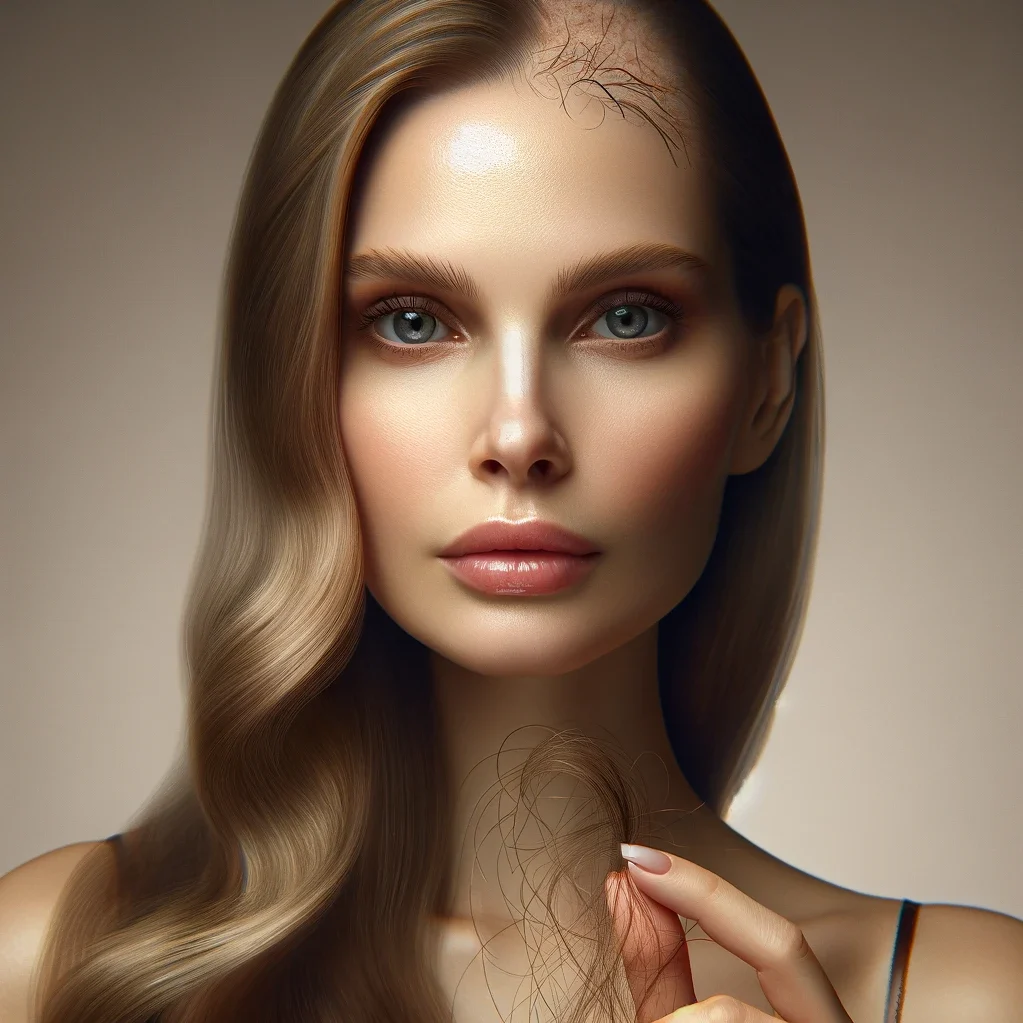
Welcome to our comprehensive guide on understanding female hormonal hair loss solutions. Hair loss and thinning in women can be a distressing and common issue, with hormonal imbalances often playing a significant role. In this article, we will explore the causes of female pattern hair loss, discuss the role of hormones in hair loss, and provide valuable information on effective treatments and remedies. Whether you’re experiencing hair loss yourself or seeking information on behalf of a loved one, we’re here to help you navigate the world of hormonal hair regrowth solutions.
Key Takeaways:
- Female hormonal hair loss can result from hormonal imbalances in women.
- Hormones, such as Dihydrotestosterone (DHT), can affect hair follicles and lead to thinning or loss of hair.
- Treatment options for hormonal hair loss include topical medications, light therapy, hormone therapy, and lifestyle adjustments.
- Prescription medications like spironolactone and cimetidine can be used in combination with other treatments to promote hair regrowth
- Consulting with a healthcare professional is recommended to determine the most suitable treatment plan for individual needs.
The Role of Hormones in Hair Loss
Hormones play a crucial role in hair growth, and imbalances can lead to female pattern hair loss. Conditions like hormonal imbalances in women, such as androgenetic alopecia, and hormonal changes during pregnancy and menopause, can contribute to hormonal hair thinning and loss in women.
“Hormones are a key factor in female pattern hair loss. Imbalances and fluctuations can disrupt the normal hair growth cycle, leading to thinning or loss of hair.”
One hormone that plays a significant role in female hair loss is Dihydrotestosterone (DHT), which is derived from testosterone. DHT can affect the hair follicles and cause hormonal hair thinning or loss in women.
Female pattern hair loss is characterized by gradual thinning of the hair in a specific pattern, typically on the top of the head. It is believed to be influenced by genetics and hormonal imbalances.
To understand the impact of hormonal imbalances on hair loss, it is important to recognize the hair growth cycle. Hair goes through an anagen (growth) phase, catagen (transition) phase, and telogen (resting) phase. When there is a hormonal imbalance, this cycle can be disrupted, leading to hair follicles entering the telogen phase prematurely and hair shedding before it reaches its full growth potential.
It is crucial to address hormonal imbalances in women to effectively manage hair loss and promote hormonal hair regrowth. Proper diagnosis and consultation with a healthcare professional specialized in hair loss can help identify the underlying causes and determine suitable treatment options.
Common Hormonal Imbalances that Contribute to Hair Loss
| Hormonal Imbalance | Related Hair Loss Condition |
|---|---|
| Androgenetic Alopecia | Female Pattern Hair Loss |
| Hormonal Changes during Pregnancy | Postpartum Hair Shedding |
| Hormonal Changes during Menopause | Menopausal Hair Thinning |
Addressing the hormonal imbalances with appropriate treatments and lifestyle adjustments can help manage hair loss in women and promote hormonal hair regrowth. In the following section, we will explore effective treatments and remedies for hormonal hair loss.
Effective Treatments for Hormonal Hair Loss
When it comes to treating hormonal hair loss in women, there are several effective options available. These treatments aim to address the underlying hormonal imbalances and promote hair regrowth. Let’s explore some of the most commonly used remedies:
1. Topical Medications
Minoxidil (Rogaine) is a popular topical medication that is widely used for hair loss treatment in women. It works by stimulating hair growth and thickening existing hair. Applying minoxidil directly to the scalp can help combat hormonal hair loss and improve overall hair density. It is important to use minoxidil consistently and as directed by a healthcare professional to achieve the best results.
2. Light Therapy
Light therapy, also known as low-level laser therapy (LLLT), is a non-invasive treatment that uses red light to stimulate hair follicles. This therapy can help improve blood flow to the scalp, reduce inflammation, and promote hair regrowth. Light therapy devices can be used at home or under the supervision of a healthcare professional.
3. Hormone Therapy
Hormone therapy is another effective approach to treating hormonal hair loss in women. It involves the use of medications such as birth control pills and hormone replacement therapy (HRT) to balance hormone levels. These therapies can help regulate androgen levels and prevent further hair loss. It is essential to consult a healthcare professional to determine the appropriate hormone therapy for individual needs.
4. Antiandrogen Medications
Antiandrogen medications like spironolactone can be prescribed to women with hormonal hair loss. These medications work by blocking androgen receptors, reducing the production of androgens, and preventing their effects on the hair follicles. Spironolactone is commonly used in combination with other treatments to promote hair regrowth.
5. Corticosteroid Injections
Corticosteroid injections can be an effective solution for localized areas of hair loss caused by hormonal imbalances. These injections are administered directly into the scalp to reduce inflammation and promote hair regrowth. It is important to note that corticosteroid injections are typically used as a short-term treatment and may need to be repeated periodically.
In addition to these treatments, other options like platelet-rich plasma therapy (PRP) and lifestyle adjustments can also help promote hormonal hair regrowth. PRP involves injecting concentrated platelets from the patient’s own blood into the scalp to stimulate hair growth. Lifestyle adjustments, such as maintaining a healthy diet and managing stress, can contribute to overall hair health and support hormonal balance.
To determine the most suitable treatment plan for hormonal hair loss, it is crucial to consult with a healthcare professional who specializes in hair loss and hormone regulation. They can evaluate individual needs, identify the underlying causes, and recommend the most effective treatments.

Effective treatments for hormonal hair loss can provide women with the opportunity to regain their confidence and achieve healthy, vibrant hair. By addressing the hormonal imbalances and promoting hair regrowth, these remedies offer hope and a path to a fuller, more confident life.
Prescription Medications for Hormonal Hair Loss
When it comes to treating hormonal hair loss in women, prescription medications can be a valuable tool. These medications work to target the underlying hormonal imbalances that contribute to hair loss, helping to promote hair regrowth and restore confidence.
1. Spironolactone
One commonly prescribed medication for hormonal hair loss in women is spironolactone. This medication functions by blocking androgen receptors, which are responsible for the production of androgens, including dihydrotestosterone (DHT). By reducing the production of androgens and their effects on the hair follicles, spironolactone can help to prevent further hair loss and support hair regrowth.
2. Cimetidine
Another prescription medication that may be used for hormonal hair loss is cimetidine. Cimetidine is commonly used to treat conditions such as ulcers and gastroesophageal reflux disease (GERD), but it can also be effective in blocking the binding of DHT to follicle receptor sites. By preventing the binding of DHT, cimetidine helps to protect the hair follicles and promote healthy hair growth.
It’s important to note that these medications are typically used in combination with other hair loss treatments, such as topical solutions or hormone therapy, to achieve optimal results. Additionally, these medications may have potential side effects, so it’s essential to consult with a healthcare professional before starting any prescription treatment.
“Prescription medications like spironolactone and cimetidine can be effective in treating hormonal hair loss, targeting the root cause of the problem and promoting hair regrowth.”
In addition to prescription medications, there are other treatment options available for hormonal hair loss in women. These may include topical solutions like minoxidil, which stimulate hair growth and improve hair thickness, as well as hormone therapy and lifestyle adjustments. It’s best to consult with a healthcare professional to determine the most suitable treatment plan based on individual needs and medical history.
Remember, addressing hormonal imbalances is crucial for effectively treating hair loss in women. By working with a healthcare professional and exploring the available options, it is possible to restore hormonal balance and regain healthy, vibrant hair.

| Prescription Medication | How It Works |
|---|---|
| Spironolactone | Blocks androgen receptors, reducing the production of androgens and promoting hair regrowth. |
| Cimetidine | Blocks the binding of DHT to follicle receptor sites, protecting the hair follicles and supporting hair growth. |
Conclusion
Hormonal imbalances in women can lead to female hormonal hair loss, resulting in thinning and loss of hair. However, there are effective treatment options available to address this concern and promote hair regrowth.
Topical medications like Minoxidil (Rogaine) can stimulate hair growth and thicken existing hair. In addition, hormone therapy, such as birth control pills and hormone replacement therapy, can help restore hormonal balance and prevent further hair loss. These treatments, when combined with other measures like light therapy, antiandrogen medications, and corticosteroid injections, can significantly improve the condition of hormonal hair loss in women.
It is important for women experiencing hormonal hair loss to consult with a healthcare professional. They can provide a comprehensive evaluation, identify the underlying causes, and determine the most suitable treatment plan tailored to individual needs. With the right approach, women can regain their confidence and achieve hormonal hair regrowth.
FAQ
What causes female hormonal hair loss?
Female hormonal hair loss can be caused by hormonal imbalances, including conditions like androgenetic alopecia and hormonal changes during pregnancy and menopause.
What are some effective treatments for hormonal hair loss in women?
Some effective treatments for hormonal hair loss in women include topical medications like Minoxidil (Rogaine), light therapy, hormone therapy (including birth control pills and hormone replacement therapy), antiandrogen medications like spironolactone, and corticosteroid injections. Platelet-rich plasma therapy and lifestyle adjustments like maintaining a healthy diet and managing stress can also help promote hair regrowth.
Are there any prescription medications available for hormonal hair loss in women?
Yes, there are prescription medications that can be used to treat hormonal hair loss in women. These include spironolactone, which blocks androgen receptors and reduces the production of androgens, and cimetidine, which blocks the binding of DHT to follicle receptor sites. These medications may be prescribed in combination with other treatments to promote hair regrowth.
How common is female hormonal hair loss?
Female hormonal hair loss is a common issue that many women experience. It can be caused by various factors, including hormonal imbalances.
Should I consult with a healthcare professional for hormonal hair loss?
Yes, it is recommended to consult with a healthcare professional, such as a dermatologist or endocrinologist, for an accurate diagnosis and to determine the most suitable treatment plan for individual needs.