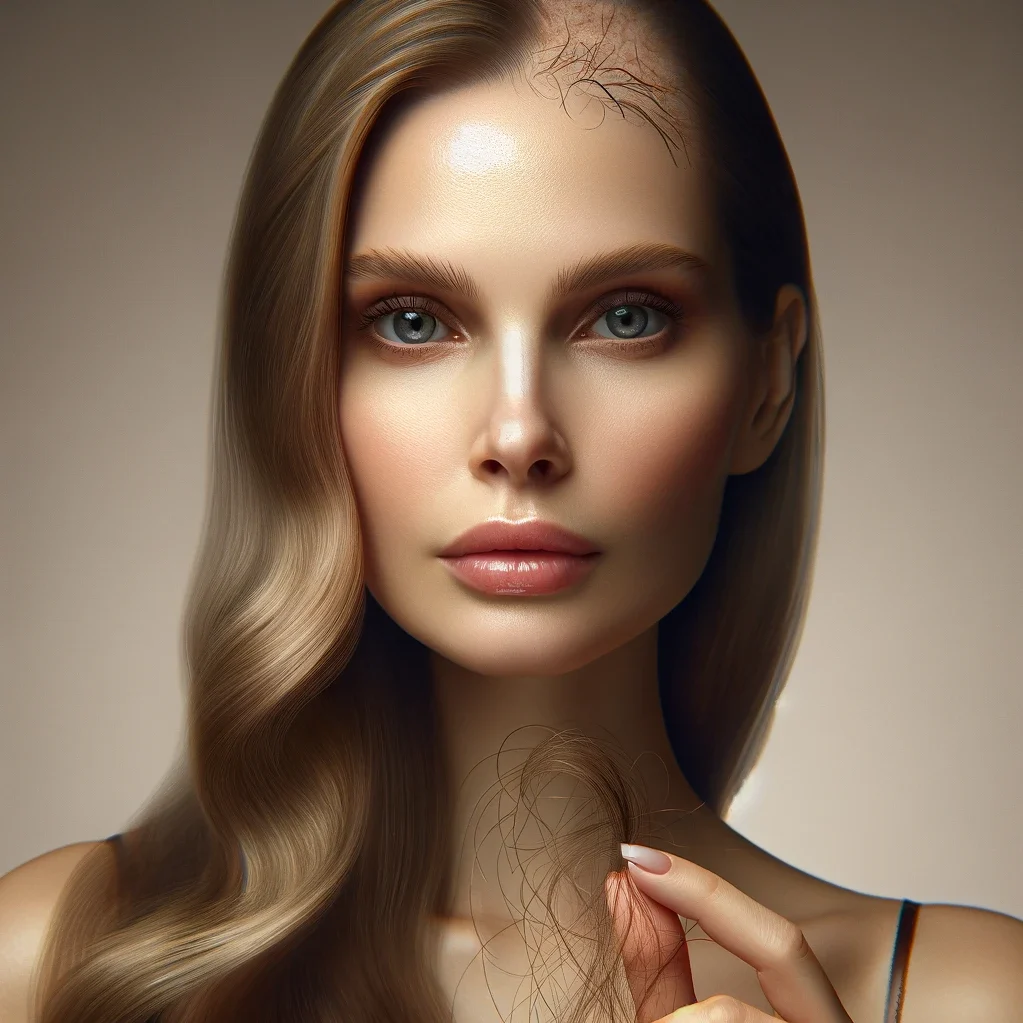

Female pattern baldness is a common concern among women, characterized by thinning hair on the top and crown of the scalp. If you’re experiencing this condition, you’re not alone, and there are solutions that can help. In this article, we will explore the various treatment options available to reverse female pattern baldness and regrow thinning hair.
Key Takeaways:
- Female pattern baldness is the most common type of hair loss in women.
- It is caused by genetic and hormonal factors.
- Treatment options include FDA-approved medications like minoxidil, as well as advanced treatments like low-level light therapy and PRP injections.
- Natural remedies, such as maintaining a nutritious diet and practicing scalp massage, can also support hair growth.
- Coping strategies and self-care techniques are important for managing the emotional and psychological effects of hair loss.
Natural Remedies for Hair Loss
When it comes to combating hair loss in women, there are natural remedies that can complement medical treatments. These remedies focus on preventing hair loss and fostering hair growth using holistic approaches. By incorporating these natural remedies into your hair care routine, you can support the health and vitality of your hair.
Diet and Nutrition
A key component in preventing hair loss is maintaining a nutritious diet that provides essential nutrients for hair growth. Iron and vitamin D are particularly important for healthy hair. Incorporate foods rich in iron, such as lean meats, leafy greens, and legumes, into your meals. Additionally, include sources of vitamin D, such as fortified dairy products and fatty fish, in your diet. Fruits and vegetables that are high in antioxidants can also promote hair health and prevent hair loss.
Scalp Massage
Gentle scalp massage can improve blood circulation to the hair follicles, stimulating hair growth. Use your fingertips to massage your scalp in circular motions, applying light pressure. This technique not only enhances blood flow but also helps to relax and reduce stress, which can contribute to hair loss.
Medicated Shampoos
Certain types of medicated shampoos can be effective in reducing hair loss and promoting healthier hair. Look for shampoos that contain ingredients like ketoconazole, which has antifungal properties and can help reduce inflammation on the scalp. These shampoos can be used in combination with other treatments to enhance their effectiveness.
Avoiding Damaging Treatments
Heat styling tools and chemical treatments can damage the hair shaft and contribute to hair loss. To prevent further damage and promote hair growth, limit the use of heat styling tools and avoid harsh chemical treatments, such as perming or straightening. Instead, opt for gentle hair care practices and hairstyles that minimize stress on the hair.
Hair Growth Supplements
In addition to a balanced diet, hair growth supplements can provide the necessary nutrients to support hair growth. Biotin, collagen, and various vitamins, such as vitamin E and vitamin C, are common ingredients found in hair growth supplements for females. These supplements can complement a healthy diet and promote overall hair health.
Advanced Treatments for Female Hair Loss
In more advanced cases of female hair loss, advanced treatments may be considered. These treatments target reversing hair thinning in women and offer effective solutions for female baldness.
Low-Level Light Therapy
One advanced treatment option for female hair loss is low-level light therapy. This therapy involves using laser combs or helmets to stimulate hair follicles and promote hair growth. It can greatly amplify the effects of other hair loss treatments, such as minoxidil.
Ketoconazole Shampoo
Ketoconazole, an antifungal medication, is available in shampoo form and may be effective in reducing inflammation and improving hair strength and appearance. It can be used as part of a comprehensive treatment plan for female hair loss.
Corticosteroid Injections and Topical Corticosteroids
For specific conditions like alopecia areata, where hair loss occurs in patches, corticosteroid injections or topical corticosteroids may be recommended. These treatments can help reduce inflammation and encourage hair regrowth in targeted areas.
Platelet-Rich Plasma (PRP) Injections
Platelet-rich plasma (PRP) injections involve using the person’s own plasma, rich in growth factors, to stimulate hair growth and reduce hair loss. This treatment can be a valuable option for reversing hair thinning in women and promoting natural hair regrowth.
Hormone Therapy
In cases where hormone imbalances contribute to hair loss, hormone therapy options can be considered. This may include using birth control pills, hormone replacement therapy, or antiandrogen medications like spironolactone to restore hormonal balance and help prevent further hair loss.
| Treatment Option | Benefits |
|---|---|
| Low-Level Light Therapy | Stimulates hair follicles and promotes hair growth |
| Ketoconazole Shampoo | Reduces inflammation and improves hair strength |
| Corticosteroid Injections and Topical Corticosteroids | Reduces inflammation and encourages hair regrowth in specific areas |
| Platelet-Rich Plasma (PRP) Injections | Stimulates hair growth and reduces hair loss |
| Hormone Therapy | Restores hormonal balance and prevents further hair loss |
In severe cases of female hair loss, hair transplantation procedures can be an option for restoring hair density. It’s important to consult with a healthcare professional to determine the best treatment approach for individual needs and to ensure the most effective outcomes.
Coping with Hair Loss and Self-Care Strategies
Hair loss can deeply impact a woman’s self-esteem and overall well-being. It’s crucial for those experiencing hair loss to adopt self-care strategies to address the emotional and psychological effects. We understand the challenges associated with coping, and we’re here to offer guidance and support.
Seeking Support
“We don’t heal in isolation, but in community.” – S. Kelley Harrell
Building a strong support system is essential when facing hair loss. Reach out to trusted friends, family members, or support groups who can offer understanding and encouragement during this journey. Sharing your experiences with others who have gone through similar challenges can provide a sense of belonging and reassurance. Remember, you’re not alone in this.
Emotional Guidance
“Sometimes the strength within you is not a big fiery flame for all to see. It is just a tiny spark that whispers, ‘You got this, keep going.’” – Unknown
Exploring counseling or therapy options can be immensely helpful in navigating the emotional impact of hair loss. Professionals specializing in hair loss or body image issues can provide valuable guidance and tools to cope with any feelings of grief, anxiety, or depression. Prioritizing your mental and emotional well-being is an essential part of your self-care routine.
Enhancing Confidence
Enhancing your confidence and appearance can positively impact your self-esteem. Consider experimenting with head garments, wigs, or new hairstyles that make you feel comfortable and glamorous. Don’t hesitate to consult with professional stylists who specialize in hair loss to explore options tailored to your needs and personal style. Remember, your beauty shines from within, no matter the hairstyle you choose.
Scalp and Hair Care
“Nourishing the scalp is like cultivating the soil for healthy hair growth.” – Unknown
Practicing good scalp and hair care is crucial for overall hair health. Gently massaging the scalp regularly stimulates blood circulation, promoting hair growth. Select appropriate shampoos and conditioners formulated to nourish and strengthen your hair. Avoid any harsh styling tools or treatments that may exacerbate hair loss. Embrace your natural beauty and take care of your locks.

| Self-Care Strategies for Coping with Hair Loss |
|---|
| 1. Seek support from friends, family, or support groups |
| 2. Explore counseling or therapy options |
| 3. Try head garments, wigs, or new hairstyles |
| 4. Practice gentle scalp massages |
| 5. Use appropriate hair care products |
Conclusion
Female pattern hair loss is a common condition that affects many women, potentially impacting their self-esteem and overall quality of life. Though the exact cause of this type of baldness is not fully understood, genetic and hormonal factors are believed to play a significant role.
Diagnosing female pattern hair loss involves ruling out other potential causes of hair loss and closely examining the pattern of hair thinning. Fortunately, there are various treatment options available to help manage and even reverse this condition.
From FDA-approved medications like minoxidil to advanced treatments such as low-level light therapy and PRP injections, women have access to effective solutions. Additionally, coping strategies like wearing head garments and trying different hairstyles can further enhance confidence and self-image.
To determine the most appropriate treatment approach for their specific needs, it is essential for women experiencing hair loss to consult with a healthcare professional. With the right treatment and self-care strategies, many women can effectively manage and overcome female pattern hair loss, regaining their confidence and satisfaction with their hair.
FAQ
What is female pattern baldness?
Female pattern baldness is the most common type of hair loss in women. It is characterized by hair thinning on the top and crown of the scalp, starting with a widening center hair part.
What causes female pattern baldness?
Female pattern baldness is usually caused by genetic and hormonal factors, including changes in androgen levels and family history of baldness.
How is female pattern baldness diagnosed?
Diagnosing female pattern baldness involves ruling out other causes of hair loss and examining the appearance and pattern of hair loss.
Are there any effective treatments for female pattern baldness?
Yes, there are various treatment options available for female pattern baldness. The FDA-approved medication minoxidil (Rogaine) is often recommended, with a success rate of about 1 in 4 or 5 women. Other potential treatment options include spironolactone, cimetidine, birth control pills, and ketoconazole.
What are some natural remedies for hair loss in women?
Natural remedies that may help prevent and treat hair loss in women include maintaining a nutritious diet rich in essential nutrients, scalp massage, using certain types of medicated shampoos, and avoiding damaging treatments like heat styling and chemical treatments.
Are there any hair growth supplements that can help with female hair loss?
Yes, some hair growth supplements containing ingredients like biotin, collagen, and vitamins may be beneficial in supporting hair growth.
What are some advanced treatments for female hair loss?
Advanced treatments for reversing hair thinning in women include low-level light therapy, ketoconazole shampoo, corticosteroid injections or topical corticosteroids, platelet-rich plasma (PRP) injections, hormone therapy, and hair transplantation procedures.
How can I cope with hair loss and what are some self-care strategies?
Coping strategies for hair loss in women include seeking support from friends, family, or support groups, exploring counseling or therapy options, wearing head garments, wigs, or trying new hairstyles, and practicing good scalp and hair care.
Can hair loss in women be reversed?
While hair loss in female pattern baldness is permanent, with the right treatment and self-care strategies, many women can effectively manage and improve their hair loss condition, regaining their confidence and satisfaction with their hair.