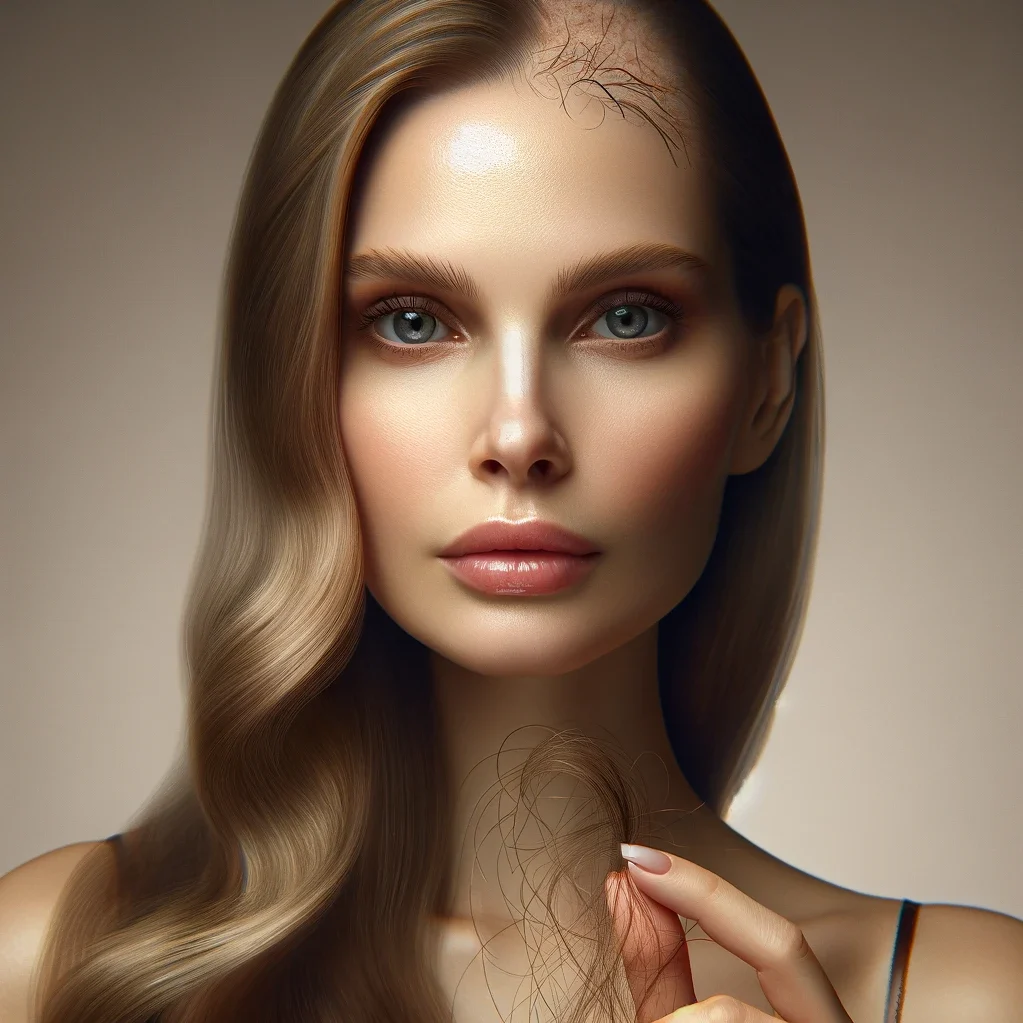

Welcome to our comprehensive guide on the relationship between vitamin D and hair growth. In this article, we will explore the benefits of vitamin D for hair growth, how it promotes healthy hair follicles, and the consequences of vitamin D deficiency on hair health. Understanding the importance of vitamin D in maintaining hair density and promoting regrowth is crucial for achieving luscious locks.
Key Takeaways:
- Vitamin D is essential for the health and growth of hair follicles.
- Vitamin D deficiency can lead to hair loss and thinning.
- Low vitamin D levels may cause symptoms such as fatigue, muscle weakness, and thinning hair.
- Risk factors for vitamin D deficiency include limited sun exposure, darker skin, and certain medical conditions.
- Increasing vitamin D intake through sunlight, foods, or supplements can help maintain optimal levels for hair health.
What Role Does Vitamin D Play in Hair Growth?
Research has shown that vitamin D plays an essential role in healthy hair growth. It interacts directly with hair follicles, aiding in their growth and proper functioning.
Sufficient vitamin D levels stimulate the anagen phase, which is the growth phase of hair follicles, resulting in the production of thick hair. During this phase, the hair follicles are actively dividing and producing new cells, leading to longer and thicker hair strands.
Vitamin D also affects hair follicle cycling, which refers to the transition between the different phases of hair growth. It helps regulate the transition from the telogen phase (resting phase) to the anagen phase, promoting continuous hair growth.
Maintaining sufficient levels of vitamin D is crucial for overall hair health. A deficiency in vitamin D can disrupt the hair follicle cycle, leading to hair thinning and even hair loss.
“Vitamin D is a key player in hair growth as it has a direct impact on the hair follicles and their growth cycle. Adequate levels of vitamin D promote the anagen phase, which is essential for producing thick and healthy hair.”
A healthy and balanced diet, along with exposure to sunlight, can help maintain optimal vitamin D levels. However, it may be challenging to obtain enough vitamin D through these sources alone, especially for those who live in areas with limited sunlight or have specific lifestyle factors that reduce sun exposure.
To ensure sufficient vitamin D intake, supplements can be considered under the guidance of a healthcare professional. These supplements provide a concentrated dose of vitamin D that can help meet the body’s requirements for healthy hair growth.
It’s important to note that while vitamin D plays a significant role in hair growth, it is just one factor in a complex network of factors that contribute to overall hair health. A holistic approach that includes a balanced diet, proper hair care, and overall wellness will promote the best outcomes for hair growth and health.
Explore the table below to find natural food sources of Vitamin D:
| Food Source | Vitamin D Content (IU per serving) |
|---|---|
| Fatty fish (such as salmon, mackerel, and sardines) | 400-1000 IU |
| Egg yolks | 40 IU |
| Fortified milk | 100 IU |
| Fortified orange juice | 100 IU |
Incorporating these food sources into your diet along with proper supplementation can ensure that you maintain optimal vitamin D levels and support healthy hair growth.

Symptoms of Low Vitamin D
Low levels of vitamin D can manifest in various symptoms that can impact overall health and well-being. It is important to recognize these signs early and seek appropriate care and treatment. The symptoms of vitamin D deficiency include:
- Thinning hair: Low vitamin D levels can contribute to hair loss and thinning.
- Fatigue: Vitamin D deficiency may lead to persistent fatigue and lack of energy.
- Muscle weakness: Weakness in the muscles can be a symptom of low vitamin D.
- Frequent infections: Vitamin D plays a vital role in the immune system, and deficiency can make individuals more susceptible to infections.
- Slow wound healing: Impaired wound healing can be a consequence of low vitamin D levels.
In addition to these physical symptoms, vitamin D deficiency can also impact mental health. Individuals with low vitamin D levels may experience:
- Depression: Research suggests a link between vitamin D deficiency and an increased risk of depression.
- Impaired memory and concentration: Low vitamin D levels have been associated with cognitive impairment and difficulties with memory and concentration.
If you experience any of these symptoms, it is advisable to consult a healthcare professional for proper evaluation and treatment.
Are You At Risk of Vitamin D Deficiency?
Identifying the risk factors for vitamin D deficiency is crucial in determining if you are more susceptible to this condition. Certain factors can increase the likelihood of developing a deficiency and understanding these risk factors can help you take appropriate measures to prevent it.
Limited Sun Exposure
One of the primary risk factors for vitamin D deficiency is limited sun exposure. Sunlight is a natural source of vitamin D, and the body produces this essential nutrient when the skin is exposed to the sun’s ultraviolet B (UVB) rays. However, various factors such as spending excessive time indoors, wearing protective clothing, and consistently using sunscreen can limit sun exposure, leading to lower vitamin D levels.
Dark Skin
Individuals with darker skin have higher levels of melanin, a pigment that reduces the skin’s ability to produce vitamin D in response to sunlight. As a result, darker-skinned individuals may require more sun exposure to produce adequate levels of vitamin D compared to those with lighter skin.
Overweight or Obese
Being overweight or obese can increase the risk of vitamin D deficiency. Vitamin D is a fat-soluble vitamin that can become sequestered in fatty tissue, making it less available for the body to use. Additionally, individuals with excess body fat may have lower vitamin D levels due to inadequate sun exposure, as excess weight can limit the penetration of UVB rays into the skin.
Age Over 50
As we age, our skin becomes less efficient at synthesizing vitamin D from sunlight. This decrease in the skin’s ability to produce vitamin D coupled with other factors such as decreased sun exposure and reduced dietary intake can put individuals over the age of 50 at a higher risk of vitamin D deficiency.
Gastrointestinal Conditions
Certain gastrointestinal conditions such as Crohn’s disease, celiac disease, and inflammatory bowel disease can impair the body’s ability to absorb sufficient amounts of vitamin D from the diet. Individuals with these conditions may require additional supplementation to maintain optimal vitamin D levels.
Kidney and Liver Disease
Patients with kidney or liver disease may have impaired activation and synthesis of vitamin D, leading to decreased levels of this important nutrient in the body. Regular monitoring of vitamin D levels and appropriate supplementation may be necessary for individuals with these conditions.
Autoimmune Disorders
Autoimmune disorders such as multiple sclerosis, rheumatoid arthritis, and systemic lupus erythematosus have been associated with an increased risk of vitamin D deficiency. These conditions may affect the body’s ability to regulate vitamin D levels or contribute to chronic inflammation, further depleting vitamin D reserves.
By recognizing these risk factors, you can be proactive in preventing vitamin D deficiency. It is important to consult with a healthcare professional to assess your individual risk and determine whether supplementation or lifestyle modifications are necessary to maintain optimal vitamin D levels.

What Is the Link Between Vitamin D Deficiency and Hair Loss?
Vitamin D deficiency can have a significant impact on hair loss, as it disrupts the natural hair follicle cycle. When there is an insufficient level of vitamin D in the body, it can lead to a premature shortening of the anagen phase, which is the active growth phase of the hair follicles. This shortened growth phase pushes more follicles into the resting phase (telogen), resulting in excessive shedding and thinner hair.
Studies have consistently shown a clear link between low vitamin D levels and hair loss. Research has also demonstrated that increasing vitamin D intake, either through natural sources or supplements, can improve hair thickness and promote regrowth. By adequately addressing vitamin D deficiency, individuals may be able to combat hair loss and support healthier hair follicle function.
| Impact of Vitamin D Deficiency on Hair Follicles | Effects |
|---|---|
| Premature Shortening of Anagen Phase | Pushes more hair follicles into the resting (telogen) phase, resulting in excessive shedding and thinner hair |
Further studies on the relationship between vitamin D and hair loss have highlighted the importance of this essential vitamin in maintaining healthy hair follicles. It is crucial for individuals experiencing hair loss or thinning to examine their vitamin D levels and seek proper medical advice.
Accurate Diagnosis of Vitamin D Deficiency
An accurate diagnosis of vitamin D deficiency is crucial for effective management and treatment. To pinpoint vitamin D levels accurately, a blood test called the serum 25-hydroxyvitamin D test is typically conducted. This test measures the concentration of 25-hydroxyvitamin D, the primary form of vitamin D circulating in the bloodstream.
By analyzing the results of this blood test, healthcare professionals can determine the individual’s vitamin D status and identify any deficiencies. The optimal range for vitamin D levels is generally considered to be 30-60 ng/ml. However, it’s important to note that the optimal range may vary depending on specific factors such as age, health conditions, and other individual circumstances.
Interpreting the results of the serum 25-hydroxyvitamin D test requires the expertise of a qualified healthcare professional. They can assess the individual’s test results in the context of their overall health and provide personalized recommendations for supplementation or lifestyle changes, if necessary.
Why a blood test for Vitamin D levels?
While there are other methods to estimate vitamin D levels, such as the use of saliva or urine samples, a blood test is considered the most accurate diagnostic tool. Blood testing provides precise measurements of 25-hydroxyvitamin D and allows healthcare professionals to better gauge an individual’s vitamin D status.
The importance of optimal Vitamin D levels
Maintaining optimal levels of vitamin D is critical for overall health and wellness. Adequate vitamin D levels support not only the health of the hair but also bone health, immune function, and the prevention of various chronic diseases. Regular monitoring and addressing any deficiencies can help individuals ensure they are on track to achieving and maintaining optimal vitamin D levels.
Summary
An accurate diagnosis of vitamin D deficiency is crucial for effective management. A blood test, such as the serum 25-hydroxyvitamin D test, allows healthcare professionals to accurately measure an individual’s vitamin D levels. The optimal range for vitamin D levels is generally considered to be 30-60 ng/ml. Healthcare professionals can interpret the test results and provide tailored recommendations for supplementation or lifestyle changes. Maintaining optimal vitamin D levels is essential for overall health, including hair health.
Advantages of a blood test for Vitamin D levels
| Advantages | Description |
|---|---|
| Accurate measurement | The serum 25-hydroxyvitamin D test provides precise measurements of vitamin D levels. |
| Reliable diagnostic tool | Blood testing is considered the gold standard for diagnosing vitamin D deficiencies. |
| Individualized interpretation | Qualified healthcare professionals can assess an individual’s results in the context of their overall health and provide personalized recommendations. |
| Comprehensive assessment | Blood testing allows for a thorough evaluation of vitamin D status, aiding in the identification of deficiencies. |
How Can You Treat Vitamin D Deficiency?
Treatment for vitamin D deficiency involves multiple approaches to ensure sufficient vitamin D levels for overall well-being and healthy hair. One of the primary ways to obtain vitamin D is through sunlight exposure. Spending time outdoors, especially during peak sunlight hours, can help the body naturally produce vitamin D. However, it is important to ensure sun safety by wearing sunscreen and protective clothing.
In addition to sunlight, incorporating foods rich in vitamin D into your diet is crucial. Some natural food sources of vitamin D include fatty fish like salmon and mackerel, egg yolks, fortified milk, and orange juice. Including these foods in your meals can help boost vitamin D levels.
In cases where natural sources are not sufficient, oral vitamin D supplements may be recommended. To determine the appropriate daily dosage of supplements, it is essential to consult with a healthcare professional who can assess your specific requirements. Regular monitoring of vitamin D levels is important to ensure optimal intake and maintain healthy hair and overall health.
Remember, maintaining optimal vitamin D levels is key to treating deficiency. Whether through sunlight, food sources, or supplementation, ensuring adequate vitamin D intake is vital, not only for healthy hair but also for supporting overall well-being.
FAQ
What role does Vitamin D play in hair growth?
Vitamin D interacts directly with hair follicles, promoting proper hair follicle function and signaling the growth phase. Sufficient levels of Vitamin D stimulate the anagen phase, resulting in the production of thick hair.
What are the symptoms of low Vitamin D?
Symptoms of low Vitamin D include thinning hair, fatigue, muscle weakness, frequent infections, slow wound healing, depression, and impaired memory and concentration.
Who is at risk of Vitamin D deficiency?
Certain factors increase the risk of Vitamin D deficiency, such as limited sun exposure, darker skin, being overweight or obese, age over 50, gastrointestinal conditions, kidney and liver disease, and autoimmune disorders.
What is the link between Vitamin D deficiency and hair loss?
Vitamin D deficiency can disrupt the hair follicle cycle, leading to excessive shedding and thinner hair. Studies consistently show a link between low Vitamin D levels and hair loss.
How is Vitamin D deficiency accurately diagnosed?
Accurate diagnosis typically involves a blood test to measure the levels of 25-hydroxyvitamin D in the body. The optimal range for Vitamin D levels is generally considered to be 30-60 ng/ml.
How can Vitamin D deficiency be treated?
Treatment involves obtaining Vitamin D through sunlight, foods rich in Vitamin D, or supplementation. Natural food sources include fatty fish, egg yolks, fortified milk, and orange juice. Supplementation may be necessary for moderate to severe deficiencies, with the appropriate dosage determined by a healthcare professional.