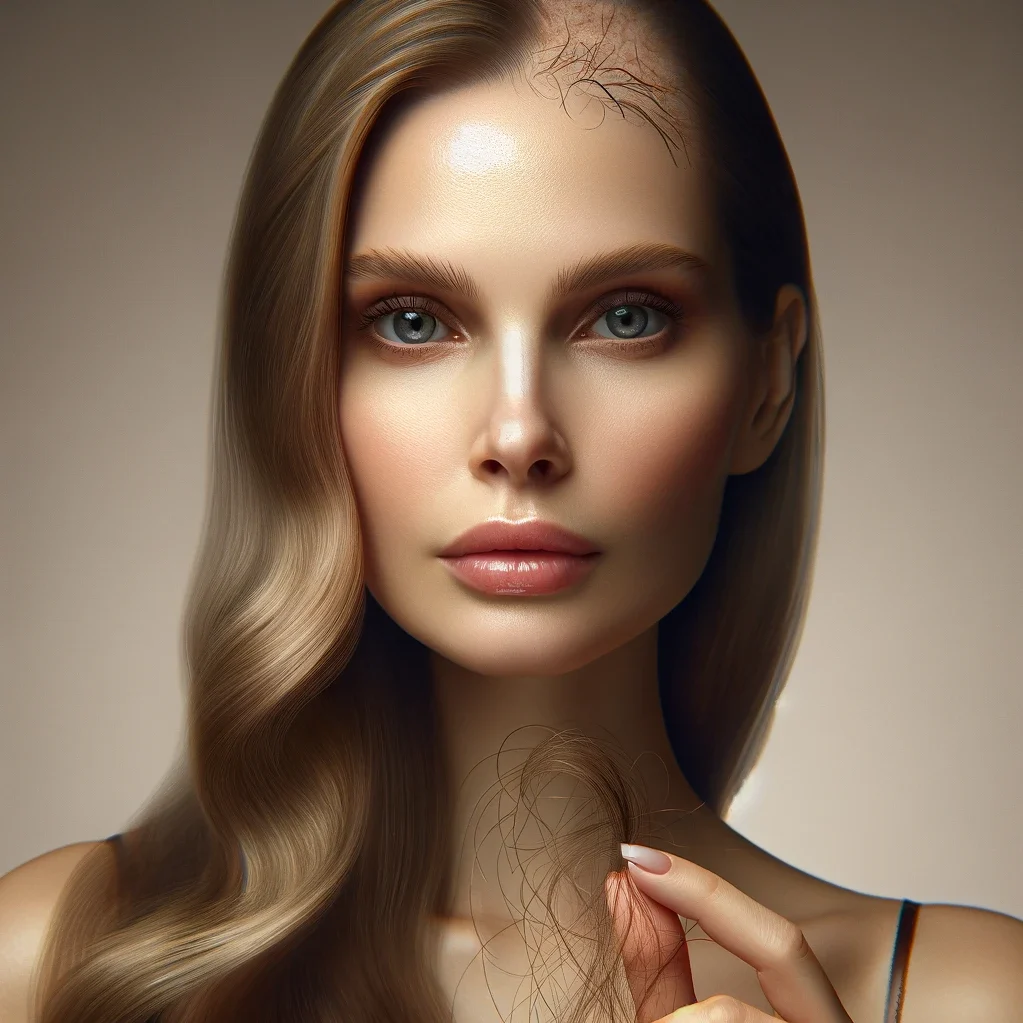

Are you experiencing hair loss? Stress might be one of the underlying factors contributing to your hair loss woes. Whether it’s due to a breakup, job loss, or a major life event, emotional stress can disrupt the hair growth cycle, leading to hair loss. Even external factors like disasters or pandemics can take a toll on your hair health.
When you’re stressed, the body releases hormones like cortisol and adrenaline, which can reduce blood flow to the scalp and affect hair follicle function. This disruption in the hair growth cycle can result in diffuse shedding throughout the scalp rather than concentrated spots of hair loss.
The good news is that stress-related hair loss is usually temporary. Once you address and manage the underlying stressors, your hair can begin to regrow. In this article, we’ll explore some effective strategies for managing stress and preventing hair loss caused by stress.
Key Takeaways:
- Stress can be a significant factor in hair loss.
- Stress disrupts the hair growth cycle and can lead to diffuse shedding.
- Hormones released during high-stress situations affect blood flow to the scalp and hair follicle function.
- Stress-related hair loss is usually temporary and can regrow once stressors are addressed.
- Other conditions like trichotillomania and alopecia areata can also cause stress-related hair loss.
How Stress Causes Hair Loss: Explaining the Hair Cycle
To understand how stress causes hair loss, we need to delve into the hair cycle. The scalp has around 100,000 hair follicles, each with its own hair growth cycle. This cycle consists of a growth phase, a resting phase, and a shedding phase. Normally, the majority of hair follicles are in the growth phase, with only a small percentage in the resting phase. However, when experiencing significant stress, more hair follicles are pushed into the resting phase simultaneously. For some people, up to 50% of hair follicles can enter the resting phase due to stress. After a few months, these strands in the resting phase will move into the shedding phase and fall out. This shedding can last for several months.
While scientists are not sure of the exact mechanism, it is thought that high-stress levels can affect the hair follicle’s ability to function properly. Stress hormones like cortisol and adrenaline are released during high-stress situations, which can reduce blood flow to the scalp and divert nutrients away from the hair follicles. This temporary drop in nutrients can contribute to stress-related hair loss. Cortisol also degrades substances needed for regular hair growth, further adding to the problem.
In order to illustrate the hair cycle and the effects of stress on the hair follicles, the following table provides a clear breakdown:
| Phase | Description |
|---|---|
| Growth Phase | The majority of hair follicles are actively growing during this phase, which can last from 2 to 6 years. Approximately 90% of hair strands are in the growth phase at any given time. |
| Resting Phase | A small percentage of hair follicles enter the resting phase, also known as the telogen phase. Normally, this phase lasts for about 2 to 3 months. |
| Shedding Phase | After the resting phase, the hair follicles will start shedding, allowing new hair to grow. It is a natural part of the hair cycle to shed 50 to 100 strands per day. |
While stress-related hair loss can be distressing, it’s important to remember that it is usually temporary. Once the stressor is removed and healthy habits are implemented, the hair can regrow. 
Tips to Regain Hair Loss from Stress
If you’re experiencing hair loss due to stress, there are several tips and techniques that can help you regain your lost hair. These include making changes to your lifestyle, incorporating a healthy diet, and utilizing specific treatments and methods.
Eating a Balanced Diet
One of the key factors in promoting healthy hair growth is maintaining a balanced diet. Ensure that your meals include ample amounts of protein, fruits, vegetables, whole grains, and healthy fats. Protein is especially essential for hair health, as hair is primarily made up of protein. Incorporate sources like poultry, quinoa, eggs, fish, and soy products into your diet to support healthy hair growth.
Supplements for Hair Loss
In addition to a healthy diet, supplements can play a beneficial role in regaining hair loss caused by stress. Biotin and vitamins A, B6, B12, and C are known to support hair growth and maintain a normal functioning immune system. Consider taking these supplements to support hair regrowth and overall hair health.
Topical Treatments
Topical treatments, such as hair growth serums, can enhance scalp health and encourage healthy hair growth. Look for products that contain ingredients known to stimulate hair growth, such as minoxidil or plant-based growth factors. Applying these treatments directly to the scalp can help nourish the hair follicles and promote regrowth.
Getting Enough Sleep
Adequate sleep is crucial for managing stress and promoting optimal hair growth. Aim for 7-9 hours of quality sleep each night to ensure that your body can repair and regenerate properly. Sleep deprivation can contribute to increased stress levels, which in turn can impact hair health and regrowth.
Managing Stress
Managing stress is a key factor in regaining hair loss caused by stress. Incorporate stress management techniques into your daily routine, such as yoga, meditation, deep breathing exercises, spending time outdoors, journaling, or seeking counseling or therapy. These practices can help reduce stress levels and create a more positive environment for hair regrowth.
| Tips to Regain Hair Loss from Stress |
|---|
| Eat a balanced diet with ample protein, fruits, vegetables, whole grains, and healthy fats. |
| Take supplements like biotin and vitamins A, B6, B12, and C to support hair growth. |
| Utilize topical treatments, such as hair growth serums, to enhance scalp health and promote regrowth. |
| Ensure you get enough sleep, aiming for 7-9 hours of quality sleep each night. |
| Manage stress through activities like yoga, meditation, deep breathing exercises, spending time outdoors, journaling, or seeking counseling or therapy. |
By implementing these tips and techniques, you can take proactive steps towards regaining your hair loss and promoting a fuller and stronger mane. Remember, consistency and patience are key when it comes to hair regrowth, so stick with these practices and give your hair the care and attention it deserves.
Conclusion
Stress can indeed cause hair loss, particularly in cases of significant emotional stress or major life events. Understanding the hair growth cycle and the effects of stress on hair follicles sheds light on the mechanism of stress-related hair loss. While the exact reason for this phenomenon is not fully understood, it is believed that high-stress levels can disrupt the hair follicle’s ability to function properly.
Various techniques can help manage and prevent stress-related hair loss. This includes implementing stress management strategies, adopting a healthy diet, incorporating supplements designed for hair loss, and trying topical treatments like hair growth serums. It’s also important to prioritize healthy habits, such as getting enough sleep and engaging in stress-reducing activities like yoga, meditation, and spending time outdoors.
By taking proactive steps to manage stress and promote overall well-being, it is possible to regain hair loss caused by stress. It’s crucial to remember that stress-related hair loss is usually temporary, and with the right approaches, a fuller and stronger mane can be achieved. So, take care of yourself, prioritize self-care, and seek support when needed to maintain healthy hair and overall wellness.
FAQ
Does stress cause hair loss?
Yes, stress can be a significant factor in causing hair loss. Emotional stress, such as a breakup, job loss, or the loss of a loved one, can contribute to stress-related hair loss. External factors like disasters or pandemics can also play a role. Stress can disrupt the hair growth cycle and lead to more strands entering the resting phase and eventually shedding. However, stress-related hair loss is usually temporary, and the hair can regrow once the stressor is removed.
What causes stress-related hair loss?
Stress-related hair loss can be caused by significant emotional stress, major life events, trichotillomania (hair-pulling disorder), or alopecia areata (immune system attacks hair follicles). During high-stress situations, the body pushes more hair follicles from the growth phase to the resting phase, leading to hair shedding. Stress hormones like cortisol and adrenaline can reduce blood flow to the scalp and affect hair follicle function.
How does stress affect the hair growth cycle?
The hair growth cycle consists of a growth phase, resting phase, and shedding phase. When experiencing significant stress, more hair follicles are pushed into the resting phase simultaneously. This can result in more hair entering the shedding phase and falling out. The release of stress hormones like cortisol and adrenaline during high-stress situations can reduce blood flow to the scalp and affect the hair follicle’s ability to function properly.
Can stress-related hair loss be permanent?
Stress-related hair loss is usually temporary. Once the stressor is removed and stress levels are reduced, the hair can regrow. However, the regrowth process may take up to a year. It’s important to manage stress and adopt healthy habits to support hair regrowth.
What can I do to manage stress-related hair loss?
To manage stress-related hair loss, it’s important to adopt stress management techniques such as yoga, meditation, deep breathing exercises, spending time outdoors, and seeking counseling or therapy. Incorporating a healthy diet rich in protein, fruits, vegetables, and whole grains is also beneficial for hair growth. Supplements like biotin and vitamins can support hair health. Topical treatments like hair growth serums can stimulate scalp health and encourage hair regrowth. Adequate sleep is crucial for managing stress and promoting optimal hair growth.
1 thought on “Managing Stress to Prevent Hair Loss Tips”