If you are experiencing hair loss, you are not alone. Hair loss can be caused by a variety of factors, including traction alopecia, which is often the result of tight hairstyles. Traction alopecia leads to hair loss along the hairline, around the ears, and at the nape of the neck. To prevent further damage and support hair regrowth, it is essential to choose protective hairstyles that minimize tension on the hair roots.
Here are six hairstyles that can help prevent hair loss and promote healthier hair:
- Loose braids
- Buns
- Short haircuts
- Bangs
- Style with clips
- Natural hair
These hairstyles are gentle alternatives to tight styles and can help reduce the risk of traction alopecia. Additionally, there are other practices you can incorporate into your hair care routine to support hair health and growth. Switching to natural hair care products, massaging your scalp, and using a wide-tooth comb can all contribute to the overall health of your hair.
By implementing these protective hairstyles and healthy hair care habits, you can take control of your hair loss and work towards promoting regrowth.
Key Takeaways:
- Choose protective hairstyles that minimize tension on the hair roots to prevent hair loss.
- Consider loose braids, buns, short haircuts, bangs, style with clips, and embracing natural hair.
- Switch to natural hair care products and use a wide-tooth comb to support hair health.
- Incorporate scalp massages and avoid harsh chemical treatments.
- Promote healthy hair growth through a balanced diet and overall hair care.
What is Traction Alopecia?
Traction alopecia is a type of hair loss that occurs due to the repeated tension and pulling on the hair. It is commonly experienced by individuals who frequently engage in tight hairstyles such as braids, weaves, and extensions. This condition leads to hair loss along the hairline, around the ears, and at the nape of the neck.
To illustrate, here are some of the key causes of traction alopecia:
- Braids: The tightness of braids and the weight of added extensions can cause strain on the hair follicles.
- Weaves: Sewn-in weaves or glued-on extensions can pull and tug at the scalp, resulting in hair loss over time.
- Extensions: Clip-in or bonded hair extensions that are improperly fitted or excessively tight can contribute to traction alopecia.
Recognizing the early signs of traction alopecia is crucial in preventing further hair loss. If you notice thinning hair, receding hairline, or tender areas on your scalp, it’s important to take immediate action.
The Importance of Early Intervention
When it comes to traction alopecia, timely intervention is key to preventing permanent hair loss. Ignoring the initial signs can lead to irreversible damage to the hair follicles, resulting in a persistent condition that may not respond well to treatment.
If you suspect you are experiencing traction alopecia, consider opting for looser hairstyles that minimize tension on the hair. Embrace protective styles such as loose braids, buns, or natural hairstyles to alleviate stress on the scalp.

Additionally, incorporating the following hair care practices can promote a healthier scalp and encourage regrowth:
- Use gentle, natural hair care products that do not contain harsh chemicals or irritants.
- Massage your scalp regularly to improve circulation and stimulate the hair follicles.
- Switch to a wide-tooth comb or brush to minimize tugging and breakage.
- Protect your hair at night by sleeping on a silk or satin pillowcase to reduce friction.
By taking proactive measures to address traction alopecia, you can prevent further hair loss and promote the regrowth of healthy hair.
Signs of Permanent Traction Alopecia
Permanent traction alopecia is a condition characterized by specific signs that indicate long-term damage to the hair follicles. By recognizing these signs, you can take prompt action and seek treatment to prevent further damage and promote healthy hair growth. The following are the key signs of permanent traction alopecia:
- Noticeable Thinning or Bald Patches: Permanent traction alopecia often leads to visible thinning or complete bald patches in the affected areas.
- Shiny Scalp or Visible Scarring: The scalp may appear shiny due to the loss of natural hair and the presence of scar tissue resulting from constant tension on the hair follicles.
- No New Hair Growth: One of the telltale signs of permanent traction alopecia is the absence of new hair growth in the affected areas, even after an extended period.
- Extended Period of Hair Loss: Hair loss caused by permanent traction alopecia persists over a significant period of time, without any signs of improvement or regrowth.
- Tender or Sore Areas on the Scalp: Some individuals may experience tenderness or soreness in the areas affected by traction alopecia.
- No Improvement in Hair Growth: Despite efforts to promote hair regrowth, individuals with permanent traction alopecia may not see any improvement in the affected areas.
If you notice any of these signs, it is crucial to take immediate action and seek professional guidance to prevent further damage and promote healthy hair growth.

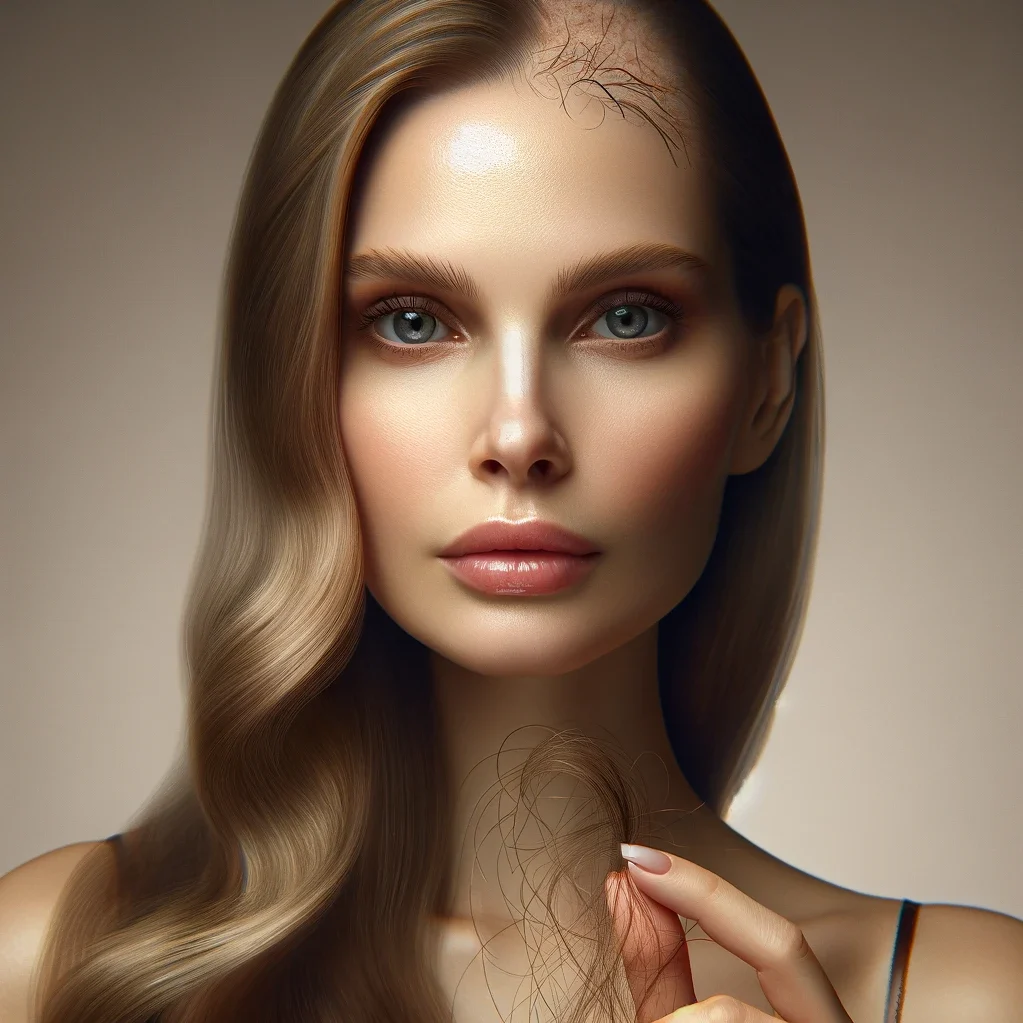
Note: The image above depicts the severity of permanent traction alopecia and serves as a visual representation of the condition.
Understanding the signs of permanent traction alopecia is essential for early detection and timely treatment. In the next section, we will explore the six best hairstyles that can help prevent and manage traction alopecia.
6 Best Hairstyles for Traction Alopecia
When dealing with traction alopecia, it’s vital to choose hairstyles that minimize tension on the hair roots and promote healthier hair growth. Here are the top six hairstyles that can help prevent hair loss and support regrowth:
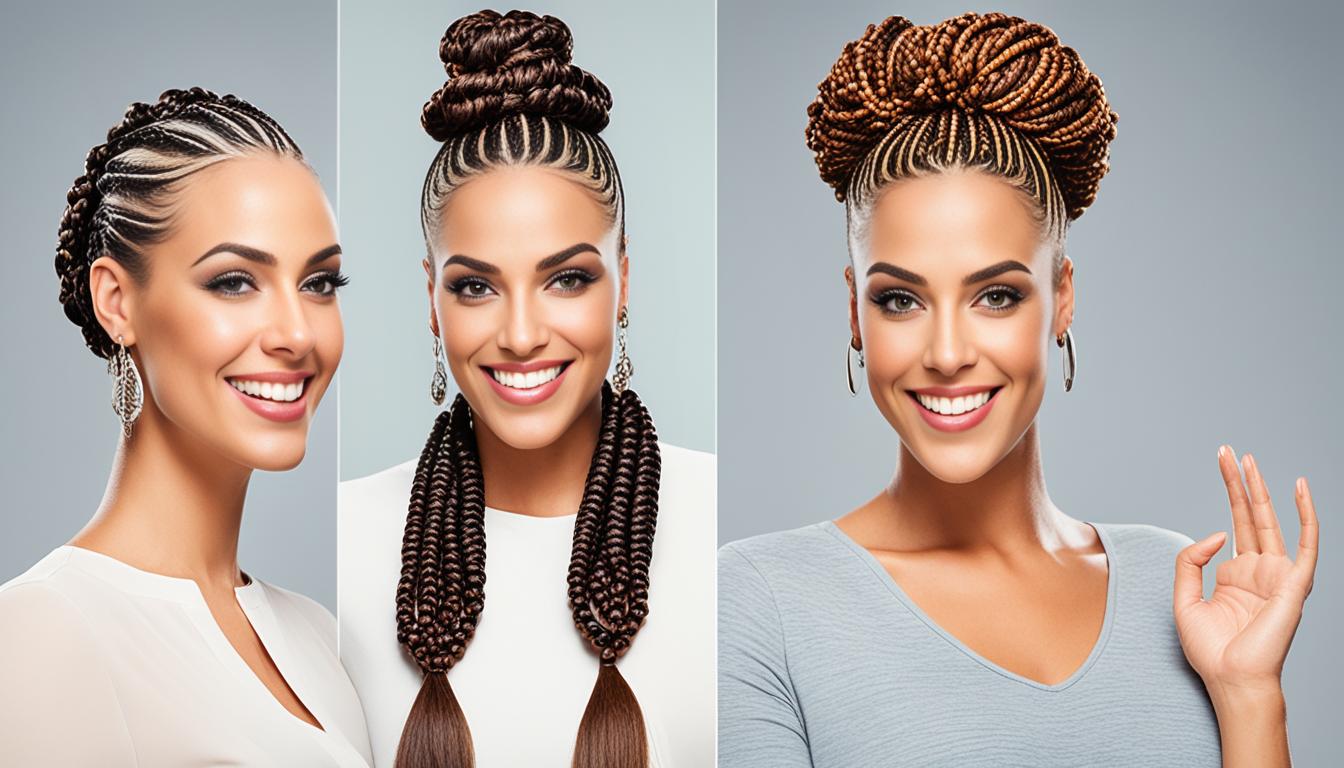
- Loose Braids: Opt for loose braids instead of tight ones to reduce strain on the hair follicles. Loose braids allow for natural movement and minimize the risk of hair breakage.
- Buns: Low buns are a great alternative to tight updos. They distribute the weight of the hair evenly, preventing excessive pulling and reducing the chances of further hair loss.
- Short Haircuts: Consider getting a short haircut or trimming your hair to shoulder length. Shorter hair reduces the pressure on the hairline, giving your hair a chance to regrow without strain.
- Bangs: Bangs can be an excellent way to cover areas of thinning hair caused by traction alopecia. They divert attention from the affected areas and create the illusion of fuller hair.
- Style with Clips: Use hair clips instead of tight elastics to style your hair. Clips provide a secure hold without excessive tension, allowing your hair to breathe and grow naturally.
- Natural Hair: Embrace your natural hair texture and avoid excessive styling. Letting your hair rest from heat tools and chemical treatments can aid in the recovery process and promote healthier hair growth.
By opting for these traction alopecia-friendly hairstyles, you’ll be giving your hair the care it needs to thrive. Remember, gentle and loose styles are key to preventing further damage and promoting regrowth.
Ways to Support Traction Alopecia Hair Health
In addition to hairstyles, there are several ways you can support the health of your hair and prevent further damage from traction alopecia. By incorporating these practices into your hair care routine, you can promote healthy hair growth and maintain a strong, beautiful mane.
Switch to Natural Hair Care Products
Using naturally-derived hair care products is essential for keeping your hair and scalp healthy. These products are free from harsh chemicals and are formulated with nourishing ingredients that promote hair growth and prevent damage. Look for products that are specifically designed to address the needs of traction alopecia, such as those containing biotin, keratin, or essential oils.
Massage Your Scalp Daily
A daily scalp massage not only feels great but also improves blood circulation to the hair follicles. This increased blood flow delivers essential nutrients to the scalp, stimulating hair growth and reducing the risk of further hair loss. Use your fingertips to gently massage your scalp in circular motions for a few minutes each day.
Use a Wide-Tooth Comb
When detangling or styling your hair, opt for a wide-tooth comb instead of a brush. Wide-tooth combs are much gentler on your hair and help minimize pulling and tugging, reducing the chance of further damage. Start combing from the ends of your hair and work your way up to prevent excessive strain on the roots.
Protect Your Hair at Night
Minimize friction and prevent breakage by protecting your hair at night. Swap out your cotton pillowcase for a silk or satin one. These materials create less friction against your hair, reducing the risk of hair damage caused by rubbing against the pillowcase while you sleep. Additionally, consider tying your hair up in a loose bun or using a silk or satin hair bonnet to further protect your hair.
Avoid Harsh Chemical Treatments
Avoid subjecting your hair to harsh chemical treatments such as relaxers, perms, or excessive heat styling. These processes can weaken your hair and make it more prone to breakage, amplifying the damage caused by traction alopecia. Instead, embrace your natural hair texture and opt for heat-free styling methods whenever possible.
Maintain a Balanced Diet
A healthy diet plays a crucial role in promoting hair growth and overall hair health. Ensure you’re consuming a well-rounded diet that includes foods rich in vitamins, minerals, and proteins. Incorporate foods like eggs, fish, avocados, nuts, and leafy greens into your meals for optimal hair nutrition.
Hair Health Supporting Practices
| Supporting Practice | Description |
|---|---|
| Switch to Natural Hair Care Products | Using hair care products free of harsh chemicals and formulated with nourishing ingredients promotes hair growth and prevents damage. |
| Massage Your Scalp Daily | Daily scalp massages improve blood circulation, stimulating hair growth and reducing the risk of further hair loss. |
| Use a Wide-Tooth Comb | Gentle combing with a wide-tooth comb minimizes pulling and tugging, reducing the chance of damage. |
| Protect Your Hair at Night | Using silk or satin pillowcases and hair bonnets reduces friction and prevents breakage while you sleep. |
| Avoid Harsh Chemical Treatments | Avoiding relaxers, perms, and excessive heat styling prevents further damage to the hair. |
| Maintain a Balanced Diet | A well-rounded diet with essential nutrients supports healthy hair growth and overall hair health. |
Conclusion
Traction alopecia can be a challenging condition to deal with, but there are effective strategies to prevent further damage and promote regrowth. Choosing protective hairstyles for thinning hair is key to reducing tension on the hair roots and minimizing hair loss. By avoiding tight hairstyles and opting for gentle alternatives like loose braids, buns, and short haircuts, you can create a protective environment for your hair.
In addition to hairstyles, incorporating healthy hair care habits can significantly contribute to promoting hair growth and preventing further hair loss. Using natural hair care products free from harsh chemicals is vital for maintaining a healthy scalp and hair. Regular scalp massages stimulate blood circulation, nourish hair follicles, and encourage new hair growth. Remember to massage your scalp gently in circular motions using your fingertips.
Practicing good overall hair health is another crucial aspect of dealing with traction alopecia. Avoid over-styling your hair and opting for heat-free styling methods whenever possible. Use a wide-tooth comb to detangle your hair gently and minimize any pulling or tugging. Protect your hair at night by sleeping on a silk or satin pillowcase to reduce friction and breakage. Lastly, maintaining a balanced diet rich in essential nutrients like vitamins A, C, and E can support healthy hair growth from within.
With patience, consistency, and a holistic approach, you can restore your hair to its natural beauty and promote hair growth. By choosing protective hairstyles, using natural hair care products, and adopting healthy hair care practices, you can effectively manage and prevent further hair loss. Remember, taking care of your hair is an ongoing journey, and each small step you take will contribute to the overall health and vitality of your hair.
FAQ
What are some protective hairstyles for hair loss?
Some protective hairstyles for hair loss include loose braids, buns, short haircuts, bangs, styles with clips, and natural hair. These hairstyles minimize tension on the hair roots and promote healthier hair growth.
What is traction alopecia?
Traction alopecia is a type of hair loss caused by repeated tension and pulling on the hair. It is commonly seen in individuals who wear tight hairstyles such as braids, weaves, and extensions.
What are the signs of permanent traction alopecia?
Signs of permanent traction alopecia include noticeable thinning or bald patches, a shiny scalp or visible scarring, no new hair growth, an extended period of hair loss, tender or sore areas on the scalp, and no improvement in hair growth.
What are the best hairstyles for traction alopecia?
The best hairstyles for traction alopecia are loose braids, buns, short haircuts, bangs, styles with clips, and natural hair. These hairstyles minimize tension on the hair roots and promote healthier hair growth.
How can I support hair health for traction alopecia?
There are several ways to support hair health and prevent further damage from traction alopecia. Switching to natural hair care products, daily scalp massages, using a wide-tooth comb, protecting the hair at night with a silk or satin pillowcase, avoiding harsh chemical treatments, and maintaining a balanced diet with essential nutrients all contribute to healthy hair growth.