
A healthy scalp is essential for healthy hair. Neglecting scalp health can lead to dryness, irritation, and infections. It can also affect the overall appearance and feel of your hair. To revitalize your hair, it’s crucial to prioritize scalp hydration. This article will guide you on how to keep your scalp moisturized and healthy, using scalp-friendly ingredients and effective techniques.
Key Takeaways:
- Regularly moisturize your scalp to maintain healthy hair.
- Choose scalp treatments with soothing ingredients like Maca Root, Hazel Leaf, Watercress, and Indian Cress.
- Use nourishing leave-in treatments and hair care supplements for extra hydration.
- Avoid greasy hair by clarifying product buildup and minimizing the use of styling products.
- Make lifestyle changes like incorporating fatty acids, drinking enough water, and simplifying your hair care routine.
The Importance of a Moisturized Scalp
A well-moisturized scalp is vital for hair health. Your scalp contains sebaceous glands and hair follicles that produce sebum to keep it hydrated. However, various factors like hormonal imbalances, genetics, and lifestyle choices can affect sebum production, leading to dryness and related problems. It’s essential to understand the significance of a moisturized scalp and its impact on overall hair health.
What to Use to Moisturize Your Scalp
Choosing the right products to moisturize your scalp is crucial. Look for scalp treatments that contain soothing ingredients like Maca Root, Hazel Leaf, Watercress, and Indian Cress. These ingredients can soothe the scalp, balance pH levels, and optimize hair follicle function. Leave-in treatments with nourishing properties can also provide an extra boost of hydration to your scalp. Additionally, consider incorporating hair care supplements filled with beneficial nutrients like vitamin K, millet seed extract, or bamboo resin powder.
| Scalp Treatment | Key Ingredients |
|---|---|
| Scalp Soothing Treatment | Maca Root, Hazel Leaf, Watercress, Indian Cress |
| Nourishing Leave-In Treatment | Hydrolyzed Quinoa Protein, Coconut Oil, Shea Butter |
| Hair Care Supplement | Vitamin K, Millet Seed Extract, Bamboo Resin Powder |
How to Maintain a Hydrated Scalp Without Making Your Hair Greasy
When it comes to achieving a hydrated scalp, it’s crucial to find the perfect balance that keeps your scalp moisturized without making your hair greasy. Understanding the underlying cause of scalp dryness is the first step towards finding the right solution. It can be influenced by hormonal changes, your hair type, or excessive use of styling products. Here are some tips to help you maintain a hydrated scalp and avoid a greasy hair:
- Use clarifying solutions: Clarifying solutions like baking soda or clarifying shampoos can help eliminate product buildup on the scalp. They effectively cleanse the scalp without stripping away the natural oils necessary for hydration.
- Minimize the use of styling products: Styling products like gels, mousses, and hairsprays can contribute to greasiness. Try to limit their use to prevent your scalp from becoming overly oily.
- Opt for lightweight moisturizers: Choose lightweight, non-greasy moisturizers or leave-in treatments specifically formulated for the scalp. Look for products that contain scalp-friendly ingredients like aloe vera or tea tree oil.
- Incorporate lifestyle changes: Making simple lifestyle changes can also help maintain a hydrated scalp. Focus on incorporating more fatty acids into your diet, as they promote scalp health. Drink enough water to keep your body and scalp hydrated. Additionally, consider simplifying your hair care routine to reduce the chances of product buildup.
By following these tips, you can effectively maintain a well-hydrated scalp without worrying about greasy hair. Remember, consistency is key when it comes to achieving and maintaining a healthy scalp.
Expert Tip:
“To maintain a hydrated scalp without making your hair greasy, it’s essential to strike a balance between moisturization and product usage. Look for lightweight, scalp-friendly products, and make sure to clarify your scalp regularly to avoid product buildup.” – Dr. Emma Thompson, Dermatologist
| Pros | Cons |
|---|---|
| Keeps your scalp moisturized | May require experimentation to find the right balance |
| Prevents scalp dryness and flakiness | Can require adjusting your hair care routine |
| Reduces the risk of scalp infections | May take time to see visible results |
How to Moisturize Your Scalp
When it comes to maintaining a healthy scalp, moisturization is key. By taking the right steps and incorporating effective techniques, you can achieve optimal scalp health and improve the condition of your hair. In this section, we will discuss various methods to effectively moisturize your scalp, including the use of hair oils, switching to gentle shampoo and conditioner, and making simple lifestyle changes.
1. Hair Oils for Scalp Moisturization
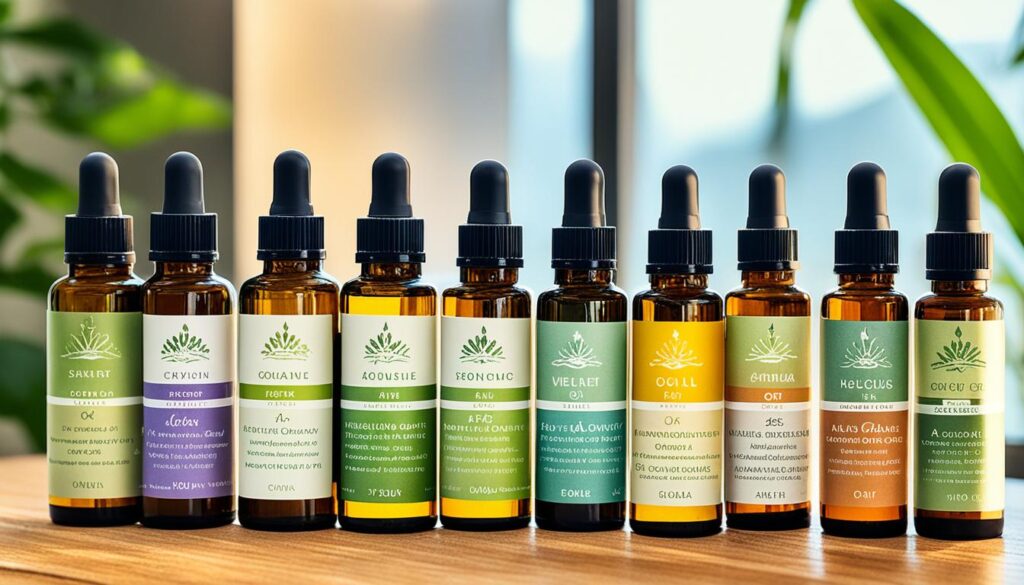
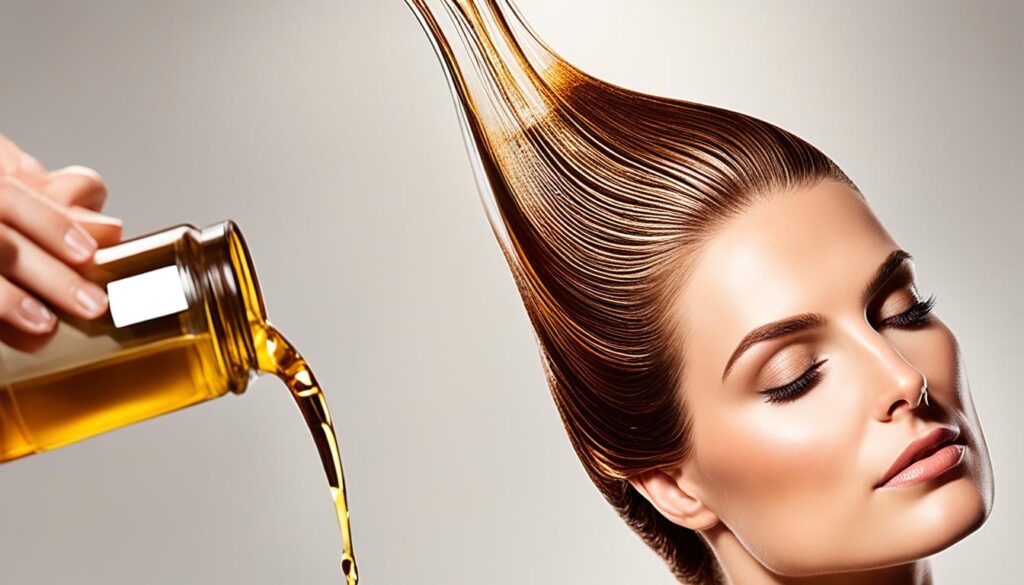
Using hair oils is an excellent way to nourish and moisturize your scalp. Essential oils like almond, rosemary, cedarwood, and chamomile are known for their hydrating properties. These oils can penetrate the scalp, providing deep hydration and promoting a healthy environment for hair growth. Carrier oils, such as coconut oil and jojoba oil, are also beneficial for moisturizing the scalp and preventing dryness.
2. Switching Shampoo and Conditioner
Traditional shampoos and conditioners can contain harsh ingredients like sulfates and silicone, which can strip the scalp of its natural oils and lead to dryness. To maintain a moisturized scalp, consider switching to gentle and scalp-friendly hair care products. Look for sulfate-free shampoo and conditioner options that are specifically formulated to nourish and hydrate the scalp. These products will help to retain the natural moisture balance of your scalp and hair.
3. Lifestyle Changes for Scalp Health
In addition to using hair oils and gentle hair care products, making certain lifestyle changes can contribute to a moisturized scalp. Incorporating more fatty acids into your diet, such as Omega-3s found in fish, nuts, and seeds, can help improve scalp health and reduce dryness. Drinking an adequate amount of water throughout the day can also keep your scalp hydrated from within. Lastly, simplifying your hair care routine and avoiding excessive heat styling or chemical treatments can minimize scalp damage and maintain moisture levels.
By following these tips for scalp moisturization, you can promote scalp health, prevent dryness and irritation, and achieve lustrous, healthy hair.
Consider the Ingredients
When it comes to moisturizing your scalp, the right ingredients can make a world of difference. Look for scalp moisturizing ingredients that are known for their nourishing properties. Some of the top ingredients to consider include:
Argan Oil
Argan oil is rich in vitamin E and fatty acids, making it an excellent moisturizer for both the scalp and hair. It helps to hydrate the scalp, reduce inflammation, and promote healthy hair growth.
Coconut Oil
Coconut oil has been used for centuries as a natural hair and scalp moisturizer. Its high lauric acid content helps to nourish and hydrate the scalp, while also protecting it from damage and reducing dryness.
Jojoba Oil
Jojoba oil closely resembles the natural oils produced by the scalp, making it an excellent moisturizer. It helps to balance oil production, soothe dryness and irritation, and promote a healthy scalp environment.
Aloe Vera
Aloe vera is known for its soothing and hydrating properties. It can help to moisturize a dry scalp, reduce inflammation, and promote healing. Aloe vera also adds a cooling sensation, providing relief from itchiness and discomfort.
Apple Cider Vinegar
Apple cider vinegar has antibacterial and antifungal properties, making it an effective ingredient for scalp health. It can help to balance the pH of the scalp, reduce dandruff, and improve overall scalp condition.
Tea Tree Oil
Tea tree oil has natural antiseptic and antimicrobial properties, making it beneficial for addressing scalp issues such as dandruff and dryness. It helps to soothe and moisturize the scalp while promoting a healthy environment for hair growth.
By incorporating products containing these scalp moisturizing ingredients into your hair care routine, you can nourish and revitalize your scalp, leading to healthier and more vibrant hair.
| Ingredient | Benefits |
|---|---|
| Argan Oil | Hydrates scalp, reduces inflammation, promotes healthy hair growth |
| Coconut Oil | Nourishes and hydrates scalp, protects from damage, reduces dryness |
| Jojoba Oil | Balances oil production, soothes dryness and irritation, promotes a healthy scalp environment |
| Aloe Vera | Soothes and hydrates scalp, reduces inflammation, promotes healing |
| Apple Cider Vinegar | Balances scalp pH, reduces dandruff, improves overall scalp condition |
| Tea Tree Oil | Antiseptic and antimicrobial properties, soothes and moisturizes scalp, promotes a healthy environment for hair growth |
Speak With a Dermatologist
If you’re experiencing persistent dryness, inflammation, or soreness on your scalp, it’s advisable to consult a dermatologist. These professionals can provide alternative solutions tailored to your specific scalp needs and help you optimize your hair care routine.
Conclusion
Maintaining a hydrated scalp is crucial for achieving healthy and lustrous hair. By incorporating scalp hydration tips, using products with scalp-friendly ingredients, and making necessary lifestyle changes, you can ensure optimal scalp moisturization and improve the overall health of your hair.
To maintain a hydrated scalp, it is important to choose products specifically designed for scalp health. Look for ingredients like argan oil, coconut oil, jojoba oil, and aloe vera, as they have nourishing properties that can revitalize your scalp. Additionally, consider incorporating natural remedies, such as apple cider vinegar and tea tree oil, to reduce inflammation and promote scalp health.
Remember, consulting with a dermatologist is always recommended if you are experiencing persistent scalp dryness, irritation, or other related issues. A dermatologist can provide personalized advice and recommend tailored solutions to optimize your hair care routine. Prioritizing scalp health will not only improve the condition of your hair but also contribute to a healthier overall mane. So, embark on your scalp hydration journey today and enjoy the benefits of revitalized, healthy hair!
FAQ
What are some scalp hydration tips?
Some tips for hydrating your scalp include using scalp treatments with soothing ingredients, incorporating nourishing leave-in treatments, and considering hair care supplements.
Why is it important to moisturize your scalp?
Moisturizing your scalp is important to maintain scalp health, prevent dryness, and promote healthy hair growth.
What are the best products for scalp hydration?
Look for scalp treatments containing ingredients like Maca Root, Hazel Leaf, Watercress, and Indian Cress. Leave-in treatments and hair care supplements can also provide hydration to your scalp.
Are there any natural remedies for dry scalp?
Yes, some natural remedies for dry scalp include using hair oils like almond, rosemary, cedarwood, or chamomile, as well as incorporating ingredients like argan oil, coconut oil, jojoba oil, and aloe vera.
How can I maintain a hydrated scalp without making my hair greasy?
You can maintain a hydrated scalp without making your hair greasy by using clarifying solutions to eliminate product buildup, minimizing the use of styling products, and making lifestyle changes like incorporating fatty acids into your diet.
How can I effectively moisturize my scalp?
You can effectively moisturize your scalp by using hair oils, switching to sulfate-free and silicone-free shampoo and conditioner, and making necessary lifestyle changes.
What are some scalp-friendly ingredients?
Scalp-friendly ingredients include argan oil, coconut oil, jojoba oil, aloe vera, apple cider vinegar, and tea tree oil.
Should I consult a dermatologist for scalp moisturization?
If you are experiencing persistent dryness, inflammation, or soreness on your scalp, it is advisable to consult a dermatologist for personalized advice and alternative solutions.
How important is scalp moisturization for overall hair health?
Maintaining a hydrated scalp is crucial for healthy, lustrous hair. It can prevent dryness, irritation, and infections, and contribute to overall hair health.
How can I optimize my hair care routine for a hydrated scalp?
By prioritizing scalp health, using scalp-friendly ingredients, and seeking professional advice when necessary, you can maintain a hydrated scalp and enjoy the benefits of revitalized hair.