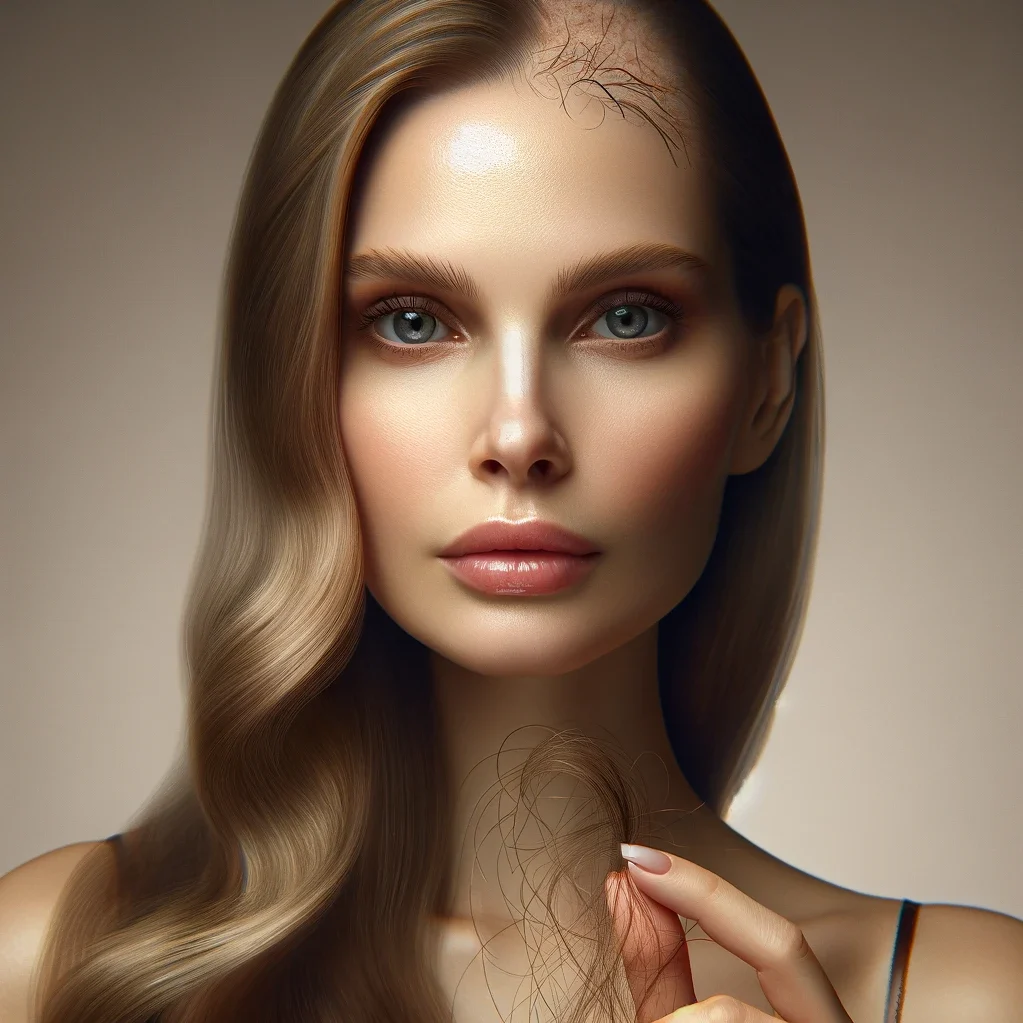
Did you know that being underweight can have a significant impact on hair growth? When our bodies don’t receive adequate nutrition, it can lead to weak, brittle hair, hair loss, and a loss of hair color. But don’t worry, there are ways to support healthy hair growth even when underweight.
The key lies in maintaining a well-rounded and nutrient-rich diet that includes essential elements for hair health. Protein is crucial for strong and vibrant hair, so incorporating lean meat, poultry, fish, beans, low-fat dairy products, and eggs can provide the necessary protein. Zinc deficiency can contribute to hair shedding, so make sure to include foods like Brazil nuts, walnuts, pecans, cashews, and almonds in your diet to combat hair loss. Omega-3 fatty acids found in cold-water fish, flax seeds, yogurt, and cottage cheese can improve scalp health and promote hair growth.
In addition to a nutritious diet, proper hair care practices are also vital for healthy hair growth. Choosing the right shampoo and conditioner, employing the correct washing and brushing techniques, and regular haircuts can all contribute to maintaining optimal hair health.
In this article, we will explore the impact of being underweight on hair health, the importance of a balanced diet for hair growth, proper hair care practices, essential nutrients for hair growth, tips for promoting hair growth while underweight, and the role of supplements in supporting hair growth. Let’s dive in!
Key Takeaways:
- Being underweight can negatively affect hair growth and lead to weak, brittle hair, hair loss, and a loss of hair color.
- Incorporating protein-rich foods like lean meat, poultry, fish, beans, low-fat dairy products, and eggs into your diet can support healthy hair growth.
- Zinc-rich foods such as Brazil nuts, walnuts, pecans, cashews, and almonds can combat hair shedding caused by underweight.
- Omega-3 fatty acids found in cold-water fish, flax seeds, yogurt, and cottage cheese can improve scalp health and promote hair growth.
- Proper hair care practices, including choosing the right shampoo and conditioner, washing and brushing techniques, and regular haircuts, are essential for healthy hair growth.
Importance of a Balanced Diet for Hair and Scalp Health
A balanced diet plays a crucial role in maintaining healthy hair and scalp. Hair is primarily made up of protein, so it is essential to consume enough protein to support hair growth. Inadequate protein intake can lead to weak, brittle hair and hair loss. Incorporating lean meat, poultry, fish, beans, low-fat dairy products, and eggs into the diet can ensure an adequate protein intake.
“Hair is primarily made up of protein, so it is essential to consume enough protein to support hair growth.”
Additionally, zinc deficiency can contribute to hair shedding, so including zinc-rich foods like Brazil nuts, walnuts, pecans, cashews, and almonds can help combat hair loss. Omega-3 fatty acids found in cold-water fish, flax seeds, yogurt, and cottage cheese can promote scalp health. A diet rich in fruits and vegetables, particularly leafy greens, can provide essential nutrients for hair growth. Staying hydrated by drinking plenty of clean, filtered water is also important for overall hair and scalp health.
“Hair is primarily made up of protein, so it is essential to consume enough protein to support hair growth.”
“Zinc deficiency can contribute to hair shedding, so including zinc-rich foods like Brazil nuts, walnuts, pecans, cashews, and almonds can help combat hair loss.”
Incorporating a variety of nutrient-rich foods into your diet not only promotes hair growth but also contributes to overall health and well-being. The right balance of nutrients, including protein, zinc, omega-3 fatty acids, and vitamins, nourishes the hair follicles and supports healthy hair growth from the inside out.
The Role of Protein in Hair Growth
Protein is essential for hair growth as it provides the building blocks for strong and healthy hair. It helps strengthen the hair strands, prevent breakage, and promote hair growth. Including lean sources of protein in your diet, such as lean meat, poultry, fish, beans, low-fat dairy products, and eggs, ensures an adequate protein intake for hair health.
The Importance of Zinc in Maintaining Hair Health
Zinc is a crucial mineral for maintaining hair health. Zinc deficiency can lead to hair shedding and thinning. Incorporating zinc-rich foods like Brazil nuts, walnuts, pecans, cashews, and almonds into your diet can help combat hair loss and promote healthy hair growth.
Omega-3 Fatty Acids for Scalp Health
Omega-3 fatty acids are beneficial for scalp health. They help reduce inflammation and nourish hair follicles, promoting healthy hair growth. Including foods rich in omega-3 fatty acids, such as cold-water fish, flax seeds, yogurt, and cottage cheese, can improve scalp health and support optimal hair growth.
Fruits, Vegetables, and Hydration for Hair Growth
A diet rich in fruits and vegetables provides essential vitamins, minerals, and antioxidants that are vital for hair growth. Leafy greens, in particular, are excellent sources of nutrients like vitamin A, vitamin C, and iron, which contribute to healthy hair. Additionally, staying hydrated by drinking plenty of clean, filtered water ensures adequate moisture for the scalp and promotes overall hair health.
By maintaining a balanced diet that focuses on protein, zinc, omega-3 fatty acids, and nutrient-rich fruits and vegetables, you can support healthy hair growth and maintain optimal hair and scalp health.
Proper Hair Care Practices for Healthy Hair Growth
In addition to a nutritious diet, proper hair care practices are essential for promoting healthy hair growth. Adopting the right techniques for shampooing, conditioning, washing, and brushing your hair can significantly contribute to its overall health and vitality.
Choosing the Right Shampoo and Conditioner
When it comes to selecting a shampoo and conditioner, it’s crucial to consider your hair type and any specific concerns you may have, such as dandruff or color-treated hair. Avoid shampoos that contain harsh ingredients like ammonium lauryl sulfate or sodium lauryl sulfate, as these can strip your hair of its natural oils and lead to dryness and damage. Look for products that are specifically formulated to nourish and strengthen your hair.
“Using the right shampoo and conditioner can make a significant difference in the overall health and appearance of your hair.”
Proper Hair Washing Technique
The frequency of hair washing varies depending on individual needs and hair type. If you have oily hair, you may need to shampoo daily to remove excess sebum and keep your scalp clean. Conversely, if you have dry hair, shampooing less frequently can help retain moisture. When washing your hair, gently massage the shampoo into your scalp using your fingertips. This stimulates blood circulation and promotes healthy hair growth.
Conditioning for Soft and Manageable Hair
Conditioning is an essential step in any hair care routine, as it helps lock in moisture and keeps your hair soft, shiny, and manageable. The frequency of conditioning depends on your hair’s needs—some people may need to condition every time they shampoo, while others may only need to do so once or twice a week. Apply conditioner evenly from mid-length to the ends of your hair, avoiding the scalp to prevent it from becoming too greasy.
Proper Hair Brushing Techniques
When it comes to brushing your hair, it’s essential to be gentle to avoid unnecessary breakage. Start by using a wide-tooth comb or a brush with widely spaced bristles to detangle wet hair. This helps minimize hair breakage and prevents unnecessary stress on your hair follicles. Avoid excessive rubbing with a towel when drying your hair and instead, gently squeeze out the excess moisture.
“Gently detangling wet hair using a wide-tooth comb can help prevent hair breakage and promote healthy hair growth.”
Avoiding Heat Damage
Excessive heat exposure can damage your hair and lead to brittleness and breakage. When using heat styling tools like straighteners or curling irons, it’s important to use them at a low heat setting and gradually increase the temperature if necessary. Applying a heat protectant spray before styling can help minimize damage caused by heat.
The Benefits of Regular Haircuts
Regular haircuts are not just about maintaining style but are also crucial for maintaining healthy hair. Trimming your hair every 8-12 weeks helps remove split ends and prevents them from traveling up the hair shaft, reducing the risk of breakage and promoting overall hair health.

By following these proper hair care practices, you can support healthy hair growth and minimize the risk of damage and breakage. Alongside a nutritious diet, these practices contribute to strong, vibrant hair that radiates health and vitality.
Nutrients for Hair Growth
Specific nutrients play a vital role in supporting healthy hair growth. To maintain luscious locks, it is essential to incorporate a balanced diet rich in nutrients that promote hair health.
Protein: Protein is the building block of hair, and consuming an adequate amount is crucial for healthy hair growth. Include protein-rich foods such as lean meat, poultry, fish, beans, low-fat dairy products, and eggs in your diet to ensure that your hair receives the necessary protein it needs.
Zinc: Zinc deficiency can contribute to hair shedding and thinning. Combat hair loss by incorporating zinc-rich foods into your diet, such as Brazil nuts, walnuts, pecans, cashews, and almonds.
Omega-3 Fatty Acids: Omega-3 fatty acids are essential for scalp health and can stimulate hair follicles. Include cold-water fish like salmon, sardines, and herring in your diet to reap the benefits of these fatty acids. Other sources of omega-3 fatty acids include flax seeds, yogurt, cottage cheese, salad, and cereal.
Ensuring a diet rich in essential nutrients like protein, zinc, and omega-3 fatty acids can support healthy hair growth and minimize the negative effects of being underweight.
Beneficial Nutrients for Hair Growth
| Nutrient | Sources |
|---|---|
| Protein | Lean meat, poultry, fish, beans, low-fat dairy products, eggs |
| Zinc | Brazil nuts, walnuts, pecans, cashews, almonds |
| Omega-3 Fatty Acids | Cold-water fish (salmon, sardines, herring), flax seeds, yogurt, cottage cheese, salad, cereal |
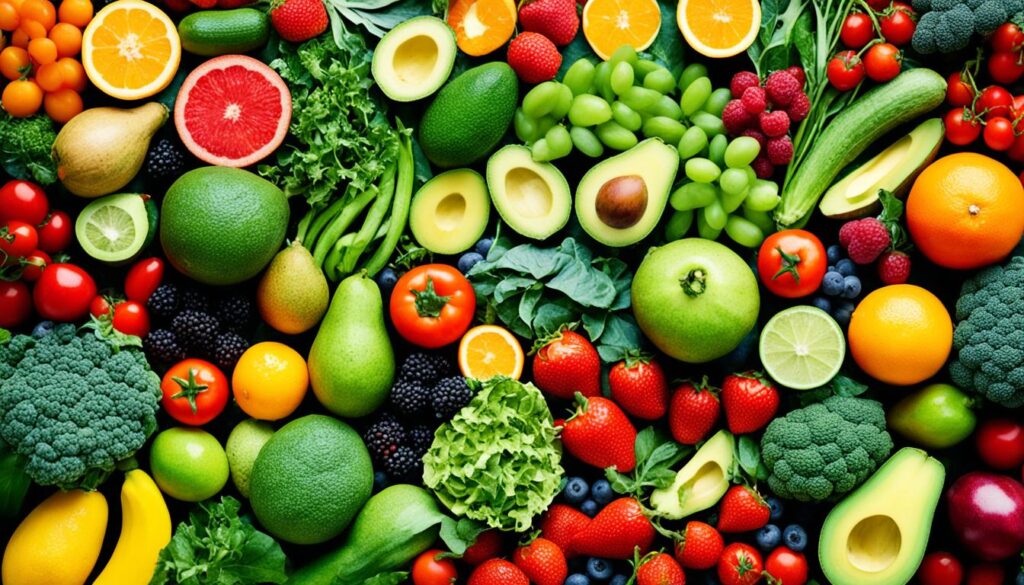
By incorporating these nutrients into your diet, you can support healthy hair growth and maintain optimal hair health. Remember, a well-rounded diet and proper hair care practices work hand in hand to promote strong and luscious hair.
The Impact of Underweight on Hair Health
Being underweight can have a significant impact on the health of your hair. When you’re not getting enough nutrition and calories, your hair may become weak, brittle, and prone to hair loss. You may also experience a loss of hair color. The body prioritizes essential functions over hair growth when it is lacking adequate nutrition, which can further contribute to these hair health issues.
Nutritional deficiencies, particularly in protein and zinc, can greatly impact your hair. Protein is a crucial component for healthy hair growth, and not consuming enough can lead to hair shedding and thinning. Zinc deficiency, on the other hand, can also contribute to hair loss and further exacerbate the negative effects of being underweight.
Crash diets or low-calorie diets are common among individuals trying to lose weight, but they can have detrimental effects on your hair. These diets can worsen hair loss and compromise hair health due to the inadequate nutrient intake.
To counteract the negative effects of being underweight on your hair, it’s essential to maintain a healthy weight and consume a well-rounded diet that provides all the necessary nutrients for hair growth. Prioritize foods rich in protein, such as lean meat, poultry, fish, beans, low-fat dairy products, and eggs. Additionally, include zinc-rich foods like Brazil nuts, walnuts, pecans, cashews, and almonds in your diet to combat hair shedding. By focusing on your overall health and addressing any nutritional deficiencies, you can help support hair growth and minimize the negative impact of being underweight on your hair health.
Tips for Promoting Hair Growth When Underweight
When it comes to promoting hair growth while underweight, there are several tips that can help support the growth of healthy, luscious locks. It all starts with a well-rounded and nutrient-rich diet that provides the essential building blocks for hair growth.
Eat Protein-Rich Foods
Include protein-rich foods in your diet to support healthy hair growth. Lean meat, poultry, fish, beans, low-fat dairy products, and eggs are all excellent sources of protein that can nourish your hair follicles from within.
Incorporate Zinc-Rich Foods
Zinc deficiency can contribute to hair shedding, so it’s important to incorporate zinc-rich foods into your meals. Brazil nuts, walnuts, pecans, cashews, and almonds are all great sources of zinc that can help combat hair loss.
Boost Omega-3 Fatty Acids Intake
Increase your intake of omega-3 fatty acids, which are known to stimulate hair follicles and promote scalp health. Cold-water fish like salmon, sardines, and herring are rich sources of omega-3s. Flax seeds, yogurt, and cottage cheese are other excellent options to consider.
Pay Attention to Hair Care Practices
Proper hair care practices can also contribute to healthy hair growth. Choose the right shampoo and conditioner for your hair type to ensure optimal nourishment and hydration. When washing your hair, use gentle techniques and avoid excessive rubbing with a towel to minimize hair breakage. Regular haircuts can prevent split ends and maintain hair health.
Avoid Crash Diets
Avoid crash diets or low-calorie diets that can further contribute to hair loss. These types of diets often lack essential nutrients that are vital for hair growth. Instead, focus on maintaining a well-rounded and nutrient-rich diet that provides all the necessary vitamins and minerals for healthy hair.
By following these tips and incorporating them into your daily routine, you can promote hair growth even when underweight. Remember, a balanced approach that combines proper nutrition, hair care practices, and overall well-being is key to achieving and maintaining healthy locks.
| Nutrient | Food Sources |
|——————|——————————————|
| Protein | Lean meat, poultry, fish, beans, eggs |
| Zinc | Brazil nuts, walnuts, pecans, almonds |
| Omega-3 Fatty Acids | Cold-water fish, flax seeds, yogurt, cottage cheese |
| Vitamins and Minerals | Fruits, vegetables, leafy greens |
*Note: This table provides examples of nutrient-rich foods that promote hair growth. Incorporating a variety of these foods into your diet can help support healthy hair growth.*
*Sources: [1](https://www.ncbi.nlm.nih.gov/pmc/articles/PMC5315033/), [2](https://pubmed.ncbi.nlm.nih.gov/23772161/), [3](https://pubmed.ncbi.nlm.nih.gov/23964052/)*
Supplements for Hair Growth
In addition to a well-rounded diet, incorporating hair growth supplements into your routine can be beneficial for promoting healthy hair growth. These supplements are formulated with a combination of vitamins, minerals, and other nutrients that play a vital role in supporting hair health. However, it is essential to consult with a healthcare professional before starting any new supplement regimen to ensure they are suitable for you.
Popular hair growth supplements include:
| Supplement | Description |
|---|---|
| Biotin: | A vitamin that supports the production of keratin, a key protein in hair structure. |
| Vitamin D: | Helps ensure proper follicle function and may minimize hair shedding. |
| Multivitamins for Hair Health: | Specifically formulated with a blend of nutrients to promote hair growth and strength. |
It is important to note that while supplements can be beneficial, they should not replace a healthy diet and proper hair care practices. Supplements should be used as a complement to support overall hair growth and maintain optimal health.
Conclusion
Maintaining healthy hair growth when underweight requires a combination of proper nutrition and hair care practices. It is essential to prioritize a well-rounded diet that includes an adequate intake of protein, zinc, and omega-3 fatty acids. These nutrients play a crucial role in supporting hair growth and preventing issues such as hair loss and brittleness.
In addition to nutrition, paying attention to proper hair care practices is vital. Using the right shampoo and conditioner for your hair type, adopting gentle washing and brushing techniques, and scheduling regular haircuts are key to maintaining healthy hair growth. These practices help minimize hair breakage and keep your locks in optimal condition.
While supplements can be beneficial, it is important to remember that they should not replace a nutritious diet and a holistic hair care routine. Supplements should only complement your overall approach to promoting hair growth and maintaining hair health.
By incorporating a balanced diet and prioritizing proper hair care, individuals who are underweight can promote the growth of luscious locks and maintain optimal hair health. Remember, healthy hair starts from within and requires nourishment both inside and out.
FAQ
How does being underweight affect hair growth?
Being underweight can have a negative impact on hair health. Inadequate nutrition and calorie intake can lead to weak, brittle hair, hair loss, and a loss of hair color. The body may prioritize essential functions over hair growth when faced with a lack of adequate nutrition. Nutritional deficiencies, particularly protein and zinc deficiencies, can contribute to hair shedding and thinning.
How can a balanced diet promote healthy hair growth?
A balanced diet plays a crucial role in maintaining healthy hair and scalp. Hair is primarily made up of protein, so it is essential to consume enough protein to support hair growth. Including lean meat, poultry, fish, beans, low-fat dairy products, and eggs in the diet can ensure an adequate protein intake. Nutrients like zinc and omega-3 fatty acids found in foods like Brazil nuts, walnuts, pecans, cashews, almonds, cold-water fish, flax seeds, yogurt, and cottage cheese can also support healthy hair growth.
What are some proper hair care practices for healthy hair growth?
Proper hair care practices are essential for healthy hair growth. Choosing the right shampoo and conditioner for your hair type, washing and brushing techniques, and regular haircuts all contribute to maintaining hair health. It is recommended to avoid harsh ingredients in shampoos and conditioners, gently wash and detangle wet hair using a wide-tooth comb, and minimize heat styling to prevent hair damage and breakage.
What nutrients are important for promoting hair growth?
Several nutrients play a vital role in supporting hair growth. Protein is the building block of hair, so consuming enough protein is crucial. Zinc deficiency can contribute to hair shedding, so including zinc-rich foods like Brazil nuts, walnuts, pecans, cashews, and almonds can help combat hair loss. Omega-3 fatty acids found in cold-water fish, flax seeds, yogurt, and cottage cheese can improve scalp health and stimulate hair follicles.
How does being underweight impact hair health?
Being underweight can have a negative impact on hair health. Inadequate nutrition can lead to weak, brittle hair, hair loss, and a loss of hair color. The body may prioritize essential functions over hair growth when faced with a lack of adequate nutrition. Nutritional deficiencies, particularly protein and zinc deficiencies, can contribute to hair shedding and thinning.
What are some tips for promoting hair growth when underweight?
To promote hair growth when underweight, it is important to maintain a well-rounded and nutrient-rich diet. This includes consuming enough protein from sources like lean meat, poultry, fish, beans, low-fat dairy products, and eggs. Zinc-rich foods like Brazil nuts, walnuts, pecans, cashews, and almonds can help combat hair shedding. Including omega-3 fatty acids from cold-water fish, flax seeds, yogurt, and cottage cheese can improve scalp health. Additionally, proper hair care practices such as choosing the right shampoo and conditioner, practicing gentle washing and detangling techniques, and getting regular haircuts can also contribute to healthier hair growth.
Are there any supplements that can help promote hair growth?
Some individuals may find it beneficial to incorporate hair growth supplements into their routine. These supplements often contain a blend of vitamins, minerals, and other nutrients that support healthy hair growth. Biotin, vitamin D, and various multivitamins specifically formulated for hair health are popular choices. However, it is important to consult with a healthcare professional before starting any new supplement regimen to ensure they are appropriate for you.
What is the importance of nutrition and hair care for promoting hair growth when underweight?
Maintaining healthy hair growth when underweight requires a combination of proper nutrition and hair care practices. A well-rounded diet that includes adequate protein, zinc, and omega-3 fatty acids is crucial for supporting healthy hair growth. Proper hair care practices, such as choosing the right products, gentle washing and detangling techniques, and regular haircuts, are also important. Both nutrition and hair care work together to promote hair growth and maintain optimal hair health.