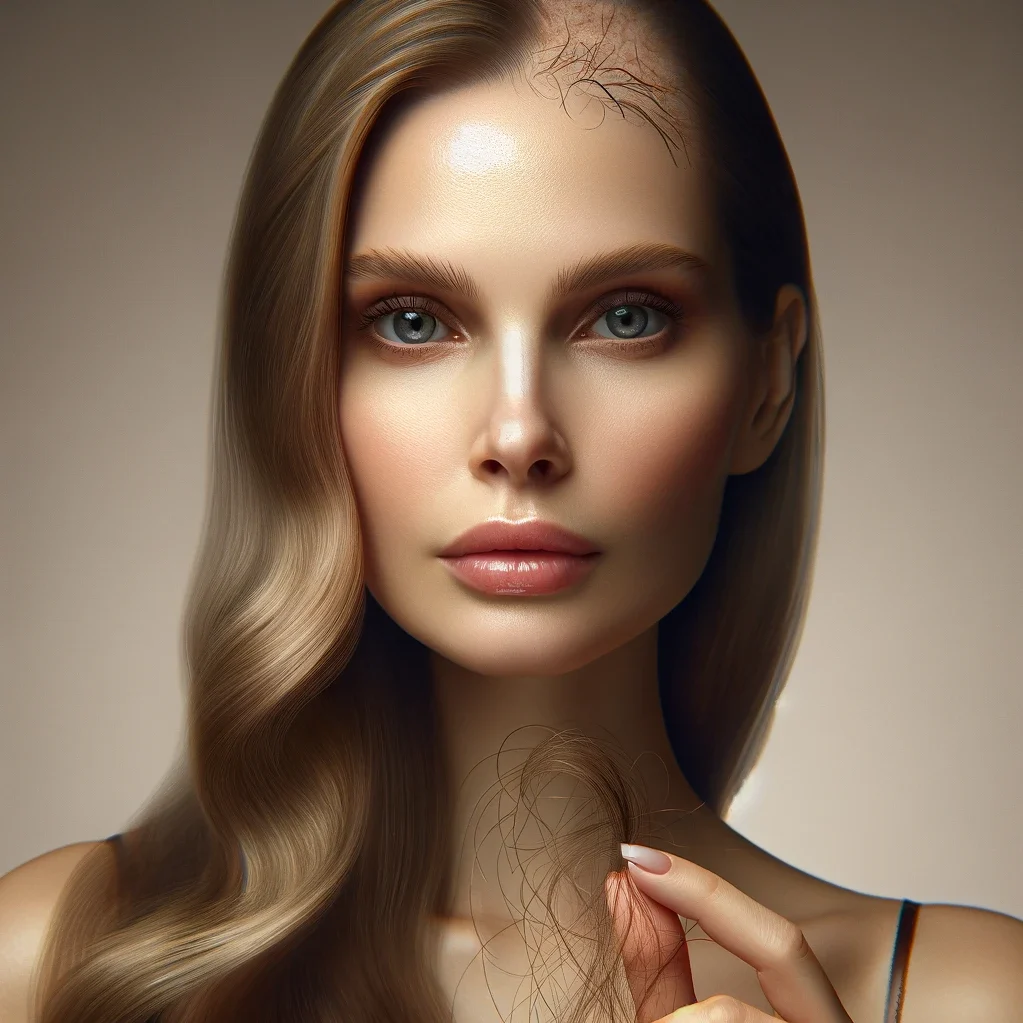
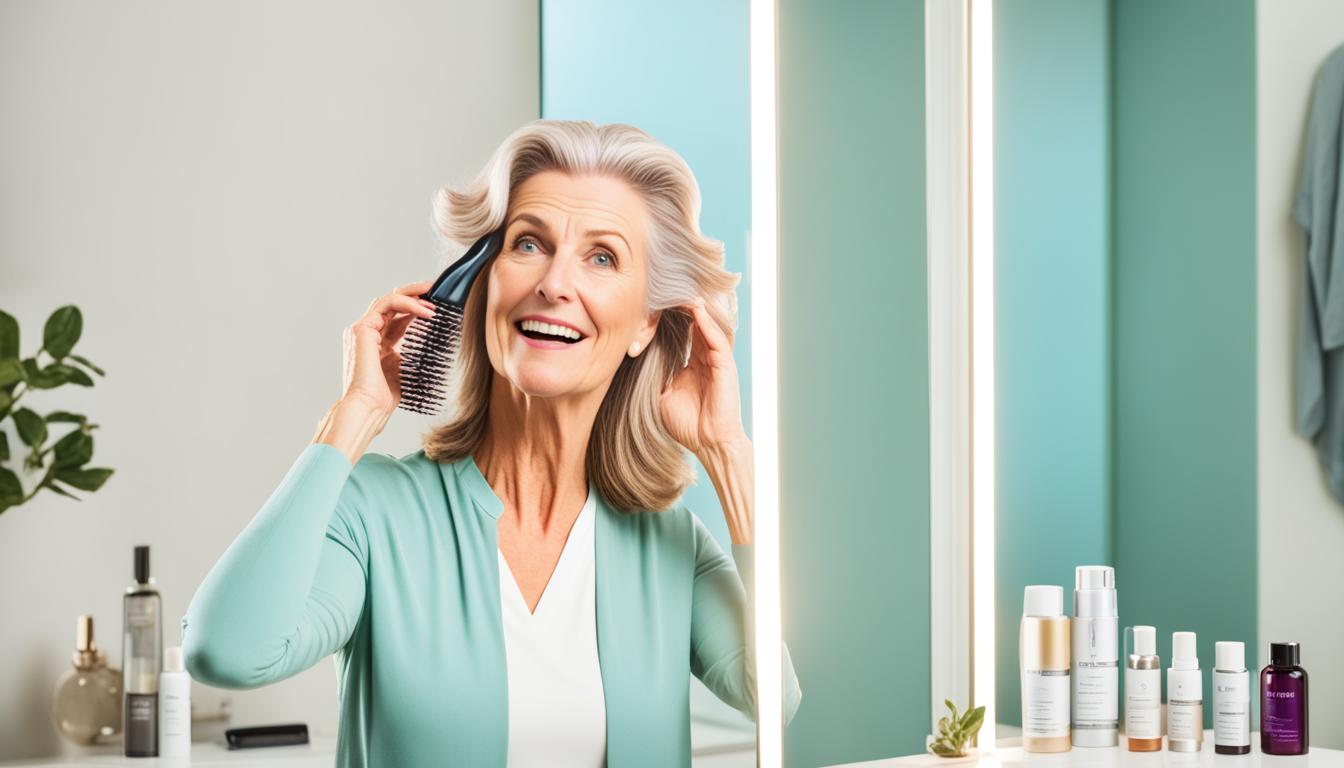
Menopause is a natural biological process that all women experience at some point in their lives. During this time, the body goes through numerous physical changes as it adjusts to fluctuating hormone levels. Hair loss is a common occurrence during menopause, and it is typically the result of a hormonal imbalance. The lowered production of estrogen and progesterone, two key hormones for hair growth, can cause hair to become thinner and grow more slowly. Increased production of androgens, a group of male hormones, can also shrink hair follicles and lead to hair loss. Other factors that can contribute to hair loss during menopause include high levels of stress, illness, and nutrient deficiencies. However, hair loss during menopause is not permanent and can be managed through various treatments and lifestyle changes.
Key Takeaways:
- Menopausal hair loss is caused by hormonal imbalances, primarily a decrease in estrogen and progesterone.
- Thinning is more common than noticeable bald spots in menopausal hair loss.
- Stress, illness, and nutrient deficiencies can contribute to hair loss during menopause.
- Managing hair loss during menopause involves reducing stress, maintaining a healthy diet, and considering medical treatments.
- Hormone replacement therapy and topical treatments like minoxidil can be effective in promoting hair regrowth.
Understanding Menopausal Hair Loss and its Symptoms
Menopausal hair loss is a common concern for women experiencing menopause. While it may not be as noticeable as bald spots seen in men, most women tend to experience overall hair thinning. This thinning can occur on the front, sides, or top of the head, and hair may fall out in larger amounts during brushing and showering.
The primary cause of hair loss during menopause is hormonal changes. Specifically, there is a decrease in estrogen and progesterone levels, which play a vital role in hair growth and maintenance. With lower levels of these hormones, the hair follicles become less active, resulting in hair becoming thinner and growing at a slower rate.
In addition to the decrease in estrogen and progesterone, there is an increase in androgens, a group of male hormones. These androgens can cause the hair follicles to shrink, leading to hair loss. This hormonal imbalance during menopause can also stimulate the growth of unwanted hair on the face in some cases.
“Menopausal hair loss is often subtler in women than in men. Most women experience overall hair thinning rather than noticeable bald spots.”
Understanding these symptoms and their underlying hormonal causes is crucial in managing menopausal hair loss effectively.
Common Symptoms of Menopausal Hair Loss:
- Overall hair thinning
- Hair loss in larger amounts during brushing and showering
- Thinning hair on the front, sides, or top of the head
- Possible growth of unwanted hair on the face

| Hormonal Changes | How it Contributes to Hair Loss |
|---|---|
| Decrease in estrogen and progesterone levels | Causes hair follicles to become less active, leading to hair thinning |
| Increase in androgen levels | Shrinks hair follicles, resulting in hair loss |
| Hormonal imbalances | Can stimulate the growth of unwanted facial hair |
Managing Menopausal Hair Loss: Tips and Lifestyle Changes
During menopause, hair loss can be managed through various lifestyle changes and tips. We understand the challenges that come with managing hair loss during this transition. Here are some effective strategies to consider:
Reduce Stress Levels
High stress levels can contribute to hormonal imbalances, which can worsen hair loss during menopause. Engaging in stress-reducing activities such as yoga, meditation, and regular exercise can help maintain hormonal balance and promote healthy hair growth. Take time for self-care and relaxation to effectively manage stress.
Maintain a Balanced Diet
A balanced and nutritious diet is essential for promoting hair health during menopause. Include foods rich in vitamins, minerals, and essential fatty acids, as they support optimal hair growth. Some examples of hair-friendly foods include salmon, eggs, spinach, nuts, and seeds. Drinking enough water daily also plays a crucial role in maintaining healthy hair.
Avoid Damage to the Hair
Protecting the hair from damage is vital during menopause. Avoid heat tools and excessive styling, as these can further contribute to hair loss. Opt for gentle hair care practices, such as using wide-toothed combs, avoiding tight hairstyles, and using heat protectant sprays when necessary.
Consult with a Doctor
If you are experiencing hair loss during menopause, it is important to consult with a doctor. They can assess your specific situation and evaluate any medications you may be taking that could be contributing to hair loss. Your doctor can provide guidance on suitable treatments or adjustments to your medication regimen.
Hormone Replacement Therapy
In certain cases, hormone replacement therapy (HRT) may be recommended to address hormonal imbalances and manage hair loss effectively. HRT involves the use of medications containing estrogen and progesterone to supplement the body’s declining hormone levels. Consult with a healthcare professional to determine if HRT is a suitable option for you.
By incorporating these tips and lifestyle changes into your routine, you can effectively manage hair loss during menopause and promote healthy hair growth. Remember, each individual’s experience may vary, so it’s important to consult with a healthcare professional to tailor a plan that suits your specific needs and preferences.

| Tips and Lifestyle Changes for Managing Menopausal Hair Loss |
|---|
| Reduce stress levels through activities like yoga or meditation. |
| Maintain a balanced and nutritious diet to support hair health. |
| Avoid heat tools and excessive styling to prevent damage. |
| Consult with a doctor to assess medications and potential triggers. |
| Consider hormone replacement therapy for hormonal imbalances. |
Medical Treatments for Menopausal Hair Loss
In addition to lifestyle changes, there are medical treatments available for menopausal hair loss. Topical treatments such as minoxidil (Rogaine) can be effective in promoting hair regrowth and preventing further hair loss. These treatments work by increasing blood flow to the scalp and stimulating hair follicles.
Other medications such as finasteride and spironolactone may be prescribed to manage hair loss caused by hormonal imbalances. Finasteride, commonly used to treat male pattern baldness, can also be effective for women with androgenic alopecia. Spironolactone, commonly used to treat acne in women, can help prevent further hair loss and improve hair quality.
It is important to consult with a healthcare professional to determine the most suitable treatment option based on individual needs and health conditions.
“Topical treatments such as minoxidil can be effective in promoting hair regrowth and preventing further hair loss.”
Treatment Options for Menopausal Hair Loss
| Treatment | Description |
|---|---|
| Topical minoxidil (Rogaine) | Stimulates hair follicles and increases blood flow to the scalp |
| Finasteride | Treats male pattern baldness and can be effective for women with androgenic alopecia |
| Spironolactone | Helps prevent further hair loss and improve hair quality |
Conclusion
Menopause-related hair loss is a common occurrence for many women, impacting their self-esteem and overall well-being. However, it is important to remember that hair loss during menopause is not a permanent condition. By understanding the causes and symptoms of menopausal hair loss, women can take proactive steps to manage and cope with this challenging experience.
One of the key factors in managing menopausal hair loss is to reduce stress levels. Engaging in stress-reducing activities such as yoga, meditation, and exercise can help maintain hormonal balance and promote healthy hair growth. Additionally, adopting a well-balanced and nutritious diet, full of essential vitamins, minerals, and fatty acids, is crucial for supporting hair health.
Consulting with healthcare professionals is essential for determining the best course of action based on individual needs and preferences. Medical treatments such as hormone replacement therapy and topical medications like minoxidil can be effective in stimulating hair regrowth and preventing further loss. By combining lifestyle changes and medical interventions, women can effectively manage the impact of menopause-related hair loss and regain confidence in their appearance.
Remember, coping with menopause-related hair loss requires patience and perseverance. With the right approach and support, women can navigate this transition while maintaining healthy and beautiful hair. If you’re experiencing hair loss during menopause, reach out to healthcare professionals and explore the available options to find the best solutions that work for you.
FAQ
What is menopause hair loss?
Menopause hair loss refers to the loss or thinning of hair that occurs during menopause. It is primarily caused by hormonal changes, specifically a decrease in estrogen and progesterone levels.
How does menopause affect hair thinning?
During menopause, the lowered production of estrogen and progesterone can cause hair to become thinner and grow more slowly. Increased production of androgens, a group of male hormones, can also shrink hair follicles and lead to hair loss.
What are the symptoms of menopausal hair loss?
The symptoms of menopausal hair loss include overall hair thinning, hair loss in large clumps during brushing and showering, and sometimes an increase in hair growth on the face.
How can I manage hair loss during menopause?
To manage hair loss during menopause, it is important to reduce stress levels, maintain a balanced and nutritious diet, avoid using heat tools and damaging styling methods, consult with a doctor about medications that may cause hair loss, and consider hormone replacement therapy or topical treatments like minoxidil.
Can hormone replacement therapy help with menopausal hair loss?
Yes, hormone replacement therapy may be recommended to address hormonal imbalances and manage hair loss during menopause. It can help restore hormone levels and promote healthy hair growth.
Are there medical treatments available for menopausal hair loss?
Yes, there are medical treatments available for menopausal hair loss. Topical treatments like minoxidil can promote hair regrowth, while medications like finasteride and spironolactone can help manage hair loss caused by hormonal imbalances.
Will menopausal hair loss be permanent?
Menopausal hair loss is not permanent and can be managed through various treatments and lifestyle changes. With the right approach, hair loss can be effectively managed, allowing women to maintain healthy and beautiful hair throughout this transition.