Did you know that the average person loses about 50 to 100 hairs per day? Over the course of a year, that adds up to thousands of lost hairs. But what if there was a way to promote hair growth and reduce hair loss?
That’s where hair growth vitamins come in. These supplements are designed to provide essential nutrients that support the health and growth of your hair. Whether you’re looking to combat thinning hair or simply wanting to enhance your locks, understanding the role of vitamins in hair health is crucial.
Key Takeaways:
- Hair growth vitamins can contribute to healthier hair by providing essential nutrients.
- Vitamin A helps produce sebum for hair hydration.
- B-vitamins like biotin, niacin, pantothenic acid, and folate promote hair growth and overall scalp health.
- Vitamin C aids in collagen production, essential for hair structure.
- Vitamin D is involved in hair follicle cycling.
The Role of Vitamin A in Hair Health
Vitamin A plays a crucial role in maintaining healthy hair by promoting hydration and supporting the growth and repair of scalp cells. As an antioxidant, vitamin A helps produce sebum, the natural oil that keeps your hair moisturized and prevents dryness. It also nourishes your scalp and helps prevent itchiness and flakiness.
A deficiency in vitamin A can lead to a dry, itchy scalp and dull, brittle hair. To ensure optimal hair health, it is important to incorporate vitamin A-rich foods into your diet. Some excellent sources of vitamin A include:
- Sweet potatoes
- Carrots
- Spinach
- Kale
By including these vitamin A-rich foods in your meals, you can maintain well-hydrated hair and promote overall hair health.
| Vitamin A Sources | Amount of Vitamin A per 100g |
|---|---|
| Sweet potatoes | 14,187 IU |
| Carrots | 8,285 IU |
| Spinach | 9,377 IU |
| Kale | 4,713 IU |
Table: Vitamin A Sources and their corresponding amounts of vitamin A per 100g
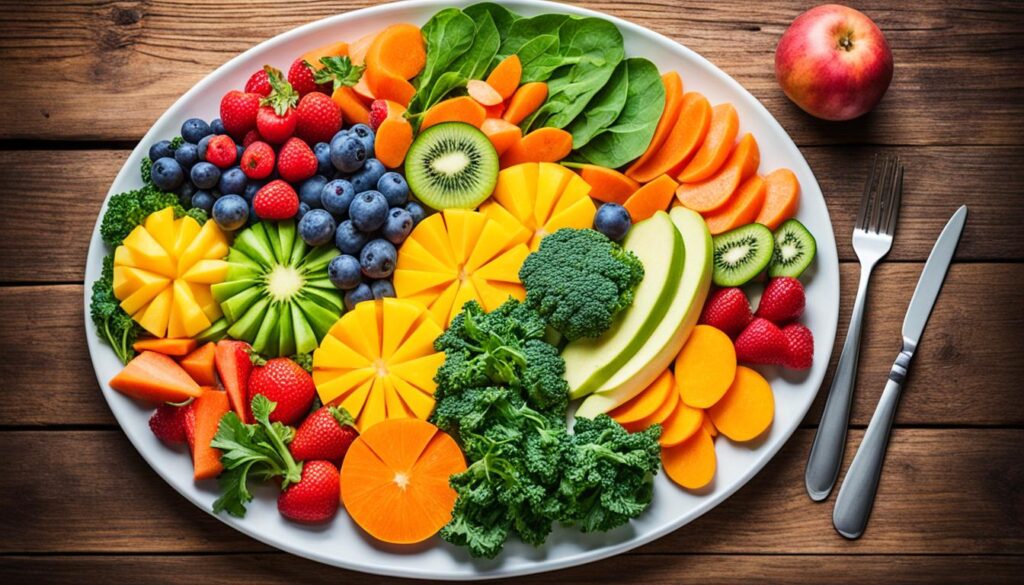
By incorporating vitamin A into your daily diet, you can ensure that your hair remains hydrated and healthy. Remember, a well-nourished scalp is the foundation for vibrant, lustrous hair.
The Importance of B-Vitamins in Promoting Hair Growth
When it comes to achieving luscious locks, B-vitamins play a crucial role. These essential nutrients, including biotin, niacin, pantothenic acid, and folate, are known for their ability to promote hair growth and maintain overall scalp health.
Biotin, also known as the “H vitamin,” is renowned for its hair-strengthening properties. It supports the production of keratin, a protein that forms the structural foundation of hair strands. Foods rich in biotin include eggs, nuts, and sweet potatoes.
Niacin is another key B-vitamin that aids in the promotion of hair growth. By improving blood circulation to the scalp, niacin ensures that hair follicles receive the necessary nutrients for optimal growth. Incorporating niacin-rich foods like poultry, fish, and whole grains into your diet can help support healthy hair.
Pantothenic acid is a B-vitamin that strengthens hair follicles and helps prevent hair loss. By nourishing the scalp, pantothenic acid promotes healthy hair growth. You can find this essential nutrient in foods such as avocados, legumes, and whole grains.
Folate, also known as vitamin B9, is essential for DNA repair and cell growth, including the cells in your hair follicles. Consuming folate-rich foods like leafy greens, citrus fruits, and beans can contribute to the health and vitality of your hair.
To ensure your hair receives the necessary B-vitamins for growth and vitality, incorporate a balanced diet that includes foods rich in biotin, niacin, pantothenic acid, and folate. A varied and nutrient-rich diet will not only benefit your hair but also support overall well-being.
B-Vitamins for Hair Growth: A Comparison
| B-Vitamin | Benefit | Food Sources |
|---|---|---|
| Biotin (Vitamin B7) | Promotes hair growth and strengthens hair strands | Eggs, nuts, sweet potatoes |
| Niacin (Vitamin B3) | Improves blood circulation to the scalp for optimal hair follicle nutrition | Poultry, fish, whole grains |
| Pantothenic Acid (Vitamin B5) | Strengthens hair follicles and helps prevent hair loss | Avocados, legumes, whole grains |
| Folate (Vitamin B9) | Essential for DNA repair and cell growth in hair follicles | Leafy greens, citrus fruits, beans |
The Role of Vitamin C and Vitamin D in Hair Health
Vitamin C and vitamin D are two essential nutrients that play crucial roles in maintaining healthy hair. Let’s explore the specific benefits of each:
Vitamin C and Collagen Production
Vitamin C is an antioxidant that promotes the production of collagen, a protein that provides structure to the hair. Collagen is essential for hair strength and elasticity, ensuring that your hair stays resilient and less prone to breakage.
Additionally, vitamin C plays a key role in the absorption of non-heme iron, which is important for hair growth. Iron deficiency can lead to hair thinning and loss, so ensuring adequate vitamin C intake can support iron absorption and ultimately contribute to healthier hair.
To incorporate more vitamin C into your diet, you can consume citrus fruits like oranges and grapefruits, as well as strawberries, kiwi, and bell peppers.
Vitamin D and Hair Follicle Cycling
Vitamin D is not only crucial for bone health but also plays a role in hair follicle cycling. Hair follicle cycling refers to the growth and resting phases of hair follicles, and adequate levels of vitamin D are necessary for this cycle to function optimally.
Exposure to sunlight is a natural source of vitamin D, and spending time outdoors can help maintain healthy levels in the body. Additionally, you can obtain vitamin D from dietary sources such as fatty fish like salmon and mackerel, mushrooms, and fortified dairy products.
Now let’s take a closer look at the benefits of these vitamins in a table:
| Vitamin | Benefits for Hair Health | Sources |
|---|---|---|
| Vitamin C | Promotes collagen production for hair structure and aids in iron absorption | Citrus fruits, strawberries, kiwi, bell peppers |
| Vitamin D | Plays a role in hair follicle cycling | Fatty fish, mushrooms, fortified dairy products |
Ensuring sufficient intake of both vitamin C and vitamin D can contribute to healthier hair by supporting collagen production, iron absorption, and hair follicle cycling.

Remember, it’s important to consult a healthcare professional for personalized advice if you have specific concerns about your hair health or are considering adding supplements to your routine.
The Benefits of Other Essential Vitamins for Hair Growth
While vitamins like vitamin A, B-vitamins, vitamin C, and vitamin D are commonly associated with hair health, there are several other essential vitamins and minerals that play a vital role in promoting strong and vibrant hair. Let’s take a closer look at some of these nutrients and their benefits for hair growth:
Vitamin E: Reducing Oxidative Stress
Vitamin E is a powerful antioxidant that helps reduce oxidative stress on the scalp. By neutralizing free radicals, vitamin E promotes a healthier environment for hair growth. Additionally, vitamin E helps improve blood circulation, which can enhance nutrient delivery to the hair follicles, supporting optimal hair health. Good sources of vitamin E include nuts, seeds, spinach, and avocados.
Vitamin K: Promoting Hair Follicle Function
Vitamin K is essential for the proper functioning of hair follicles. It helps prevent hair thinning and ensures the efficient development and maintenance of healthy hair. Incorporating vitamin K-rich foods into your diet, such as leafy greens like kale and spinach, can help support hair follicle health and enhance hair growth.
Iron: Preventing Hair Loss
Iron deficiency can lead to hair loss and even contribute to hair thinning. Iron is crucial for the production of hemoglobin, which carries oxygen to the hair follicles. Adequate iron intake ensures that hair follicles receive the oxygen and nutrients they need for healthy growth. Good sources of iron include red meat, legumes, spinach, and fortified cereals.
Zinc: Supporting Hair Tissue Growth and Repair
Zinc plays a critical role in hair tissue growth and repair. It helps maintain the structural integrity of hair strands and supports the production of keratin, the protein that makes up the hair. Zinc also aids in the absorption of other essential nutrients necessary for healthy hair, such as vitamins A and E. Oysters, beef, pumpkin seeds, and lentils are rich sources of zinc.
Omega-3 Fatty Acids: Enhancing Hair Shine and Flexibility
Omega-3 fatty acids are essential fats that contribute to hair health by promoting shine and flexibility. These fatty acids nourish the scalp, reducing dryness and flakiness, which can hinder hair growth. Foods such as fatty fish (salmon, mackerel), walnuts, chia seeds, and flaxseeds are good sources of omega-3 fatty acids.
By incorporating vitamin E, vitamin K, iron, zinc, and omega-3 fatty acids into your diet, you can provide your hair with the necessary nutrients for optimal health and growth.
| Vitamin | Benefits for Hair Growth | Sources |
|---|---|---|
| Vitamin E | Reduces oxidative stress on the scalp, improves blood circulation | Nuts, seeds, spinach, avocados |
| Vitamin K | Promotes hair follicle function, prevents hair thinning | Leafy greens (kale, spinach) |
| Iron | Prevents hair loss, supports oxygen delivery to hair follicles | Red meat, legumes, spinach, fortified cereals |
| Zinc | Supports hair tissue growth and repair, aids nutrient absorption | Oysters, beef, pumpkin seeds, lentils |
| Omega-3 Fatty Acids | Enhances hair shine and flexibility, nourishes the scalp | Fatty fish, walnuts, chia seeds, flaxseeds |
By incorporating a variety of foods rich in these essential vitamins and minerals into your diet, you can support healthy hair growth and maintain vibrant locks.
Conclusion: Achieving Healthy Hair Through Nutrition
A well-balanced diet that includes a variety of vitamins and minerals can provide the essential building blocks for strong, vibrant hair. Certain vitamins, such as vitamin A, B-vitamins, vitamin C, vitamin D, vitamin E, and vitamin K, play specific roles in promoting hair growth, preventing hair loss, and maintaining scalp health. Additionally, essential nutrients like iron, zinc, and omega-3 fatty acids contribute to overall hair health.
While vitamins can enhance hair health, it is important to remember that they are not a magic solution for hair loss or other hair-related issues. Consistency in providing your body with essential nutrients is key in maintaining healthy hair. If you are experiencing severe hair problems, it is advisable to consult a healthcare professional for a proper diagnosis and treatment plan. They can provide personalized guidance and recommend suitable remedies for hair thinning or promote hair growth based on your individual needs.
Remember, achieving healthy hair is a holistic process that includes not only proper nutrition but also good hair care practices and overall wellness. By taking care of your hair from the inside out and incorporating a balanced diet rich in vitamins and minerals, you can support the health and vitality of your hair.
FAQ
Do hair growth vitamins really work?
Yes, hair growth vitamins can be effective in promoting healthy hair growth. A well-balanced diet that includes essential vitamins can provide the necessary nutrients for strong, vibrant hair.
What are the best hair growth vitamins?
The best hair growth vitamins include vitamin A, B-vitamins (such as biotin, niacin, pantothenic acid, and folate), vitamin C, vitamin D, vitamin E, and vitamin K. These vitamins play specific roles in promoting hair growth and maintaining scalp health.
Are there specific vitamins for hair growth?
Yes, there are specific vitamins that are beneficial for hair growth. Vitamin A, B-vitamins, vitamin C, vitamin D, vitamin E, and vitamin K all contribute to hair health and growth.
Can hair growth supplements or pills really help with hair growth?
Hair growth supplements or pills can support hair growth when combined with a healthy diet and lifestyle. These supplements often contain a mix of vitamins, minerals, and other ingredients that are beneficial for hair health.
Are there natural hair growth vitamins?
Yes, many vitamins for hair growth can be found naturally in various foods. Examples include vitamin A found in sweet potatoes and carrots, biotin found in eggs and nuts, and vitamin C found in fruits like oranges and strawberries.
How do vitamins contribute to healthy hair?
Vitamins play important roles in hair health. For example, vitamin A helps produce sebum for hydration and promotes the growth and repair of skin cells on the scalp. B-vitamins strengthen hair follicles, while vitamin C aids in collagen production. Vitamin D promotes hair follicle cycling, and vitamin E reduces oxidative stress on the scalp.
Can vitamin deficiencies cause hair loss?
Yes, deficiencies in certain vitamins can contribute to hair loss. For example, a deficiency in vitamin A can lead to a dry and itchy scalp, while iron deficiency can result in hair loss. Ensuring you have adequate levels of essential vitamins is important for maintaining healthy hair.
What vitamins can help with hair thinning?
Vitamin E, vitamin K, iron, zinc, and omega-3 fatty acids can all contribute to reducing hair thinning. These vitamins and minerals play important roles in hair tissue growth, repair, and overall hair health.
How can I promote hair growth naturally?
Promoting hair growth naturally can be achieved by consuming a well-balanced diet that includes vitamins and minerals essential for hair health. Additionally, maintaining a healthy lifestyle and minimizing hair damage from heat or chemical treatments can also support hair growth.
Are hair growth vitamins a cure for hair loss?
Hair growth vitamins can support hair health and growth, but they are not a magic solution for hair loss or other hair-related issues. If experiencing severe hair problems, it’s advisable to consult a healthcare professional for a proper diagnosis and treatment plan.