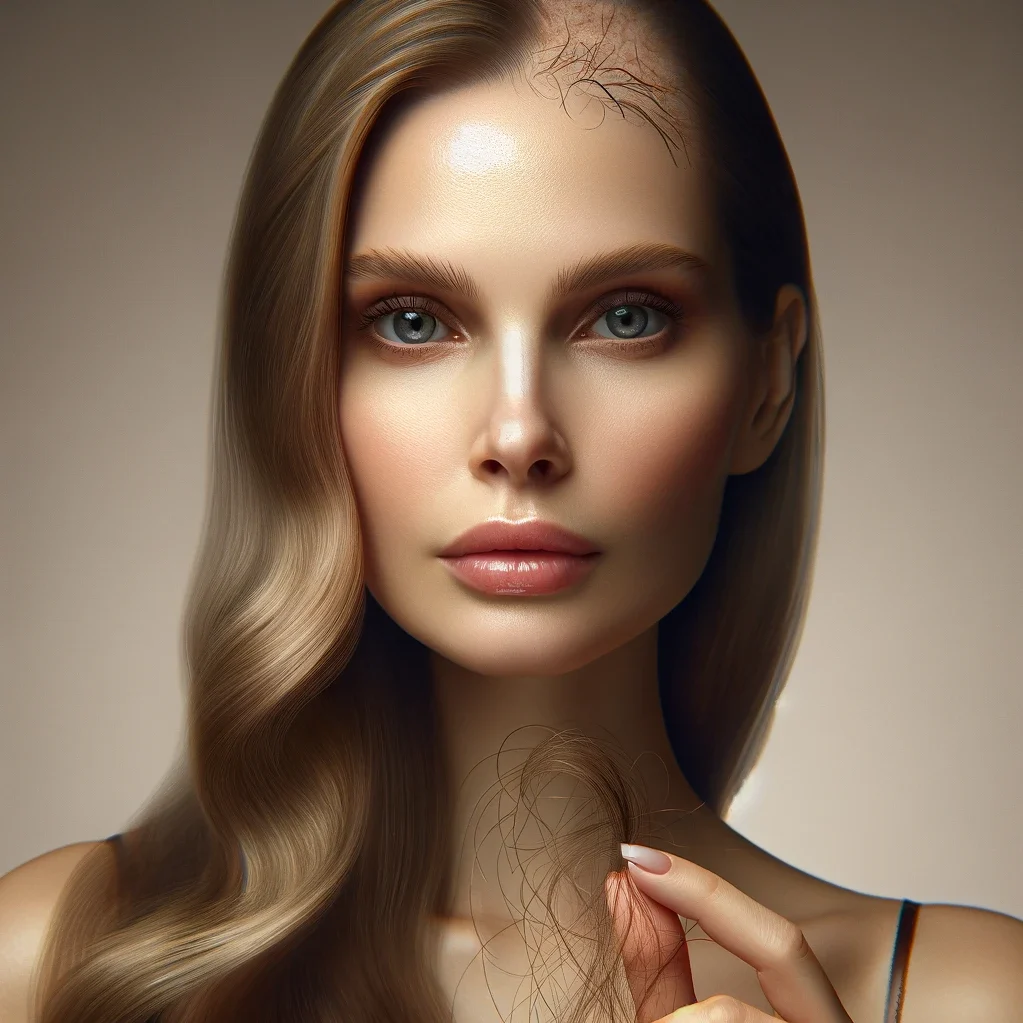
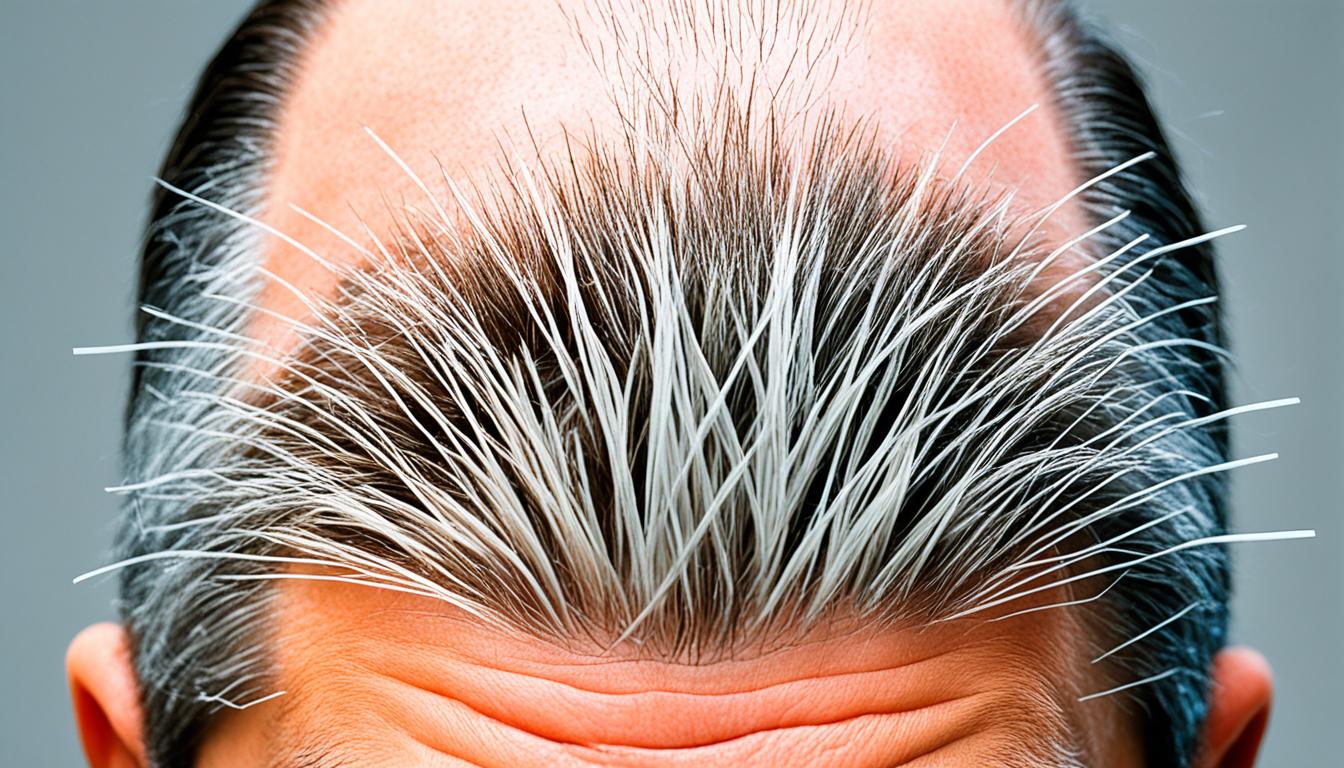
When it comes to hair loss in women, one of the most common causes is female pattern hair loss (FPHL). This condition is characterized by progressive hair thinning and loss in a specific pattern, mainly on the top and crown of the scalp. Identifying and diagnosing FPHL is crucial for effective treatment and management.
To diagnose female pattern hair loss, healthcare professionals typically begin with a physical examination and review of the patient’s medical history. These initial steps can often provide valuable insights into the potential causes and risk factors associated with hair loss in women. In some cases, additional diagnostic methods may be employed to gather more information.
Diagnostic tests for female pattern hair loss may include evaluating the scalp for signs of hyperandrogenism, which is an excess of male hormones that can contribute to hair loss. Laboratory tests may also be conducted to rule out other underlying causes of hair thinning and loss. Additionally, a scalp biopsy may be recommended in certain cases to confirm the diagnosis.
Overall, diagnosing female pattern hair loss requires a comprehensive approach that takes into account both the physical signs and the individual’s medical history. By identifying the underlying causes and risk factors, healthcare professionals can develop targeted treatment plans to address female baldness effectively.
Key Takeaways:
- Female pattern hair loss (FPHL) is a common condition characterized by progressive hair thinning and loss in women.
- Diagnosing FPHL typically involves a physical examination and review of the patient’s medical history.
- Additional diagnostic methods, such as scalp biopsy or laboratory tests, may be employed to gather more information.
- Identifying the underlying causes and risk factors of FPHL is crucial for developing effective treatment plans.
- Early detection and intervention are essential for managing female baldness successfully.
Understanding Female Pattern Hair Loss
Female pattern hair loss (FPHL), also known as androgenetic alopecia, is a common condition that affects women. It is characterized by the progressive miniaturization of hair follicles and a reduction in the number of hairs, particularly in the central, frontal, and parietal scalp regions. FPHL has three main clinical manifestations:
- Diffuse thinning of the upper biparietal and vertex regions
- Thinning of the upper bitemporal region and vertex with frontal accentuation
- Deep recession of the frontal-temporal hairline and true vertex balding
The exact cause of FPHL is not fully understood, but it is believed to be multifactorial. Genetic predisposition plays a significant role, with FPHL often running in families. Hormones, specifically androgens, also contribute to the development of FPHL. Androgens, such as dihydrotestosterone (DHT), can bind to hair follicles and lead to their miniaturization.
In addition to genetic and hormonal factors, FPHL may also involve an inflammatory infiltrate in the peri-infundibular region. This mild-to-moderate inflammatory response accompanies the miniaturization process of the hair follicles.
Overall, understanding the clinical manifestations, genetic predisposition, miniaturization of hair follicles, inflammatory infiltrate, and the role of androgens in FPHL is crucial for accurate diagnosis and effective management of this condition.
We will now explore the prevalence and risk factors of FPHL in the next section.
Prevalence and Risk Factors of Female Pattern Hair Loss
Female pattern hair loss (FPHL) is a common condition that affects women worldwide. The prevalence of FPHL varies among population groups and increases with age. Studies have shown that approximately 6% to 38% of healthy women experience some degree of frontal and/or frontal-parietal hair loss.
The age of onset for FPHL is usually during the reproductive years. Research indicates that by age 29, 12% of women develop clinically detectable FPHL, and more than 50% have some element of FPHL by age 79.
FPHL is often associated with hyperandrogenism, such as polycystic ovarian syndrome (PCOS). Hyperandrogenism refers to the increased production or sensitivity to androgens, which are male sex hormones. PCOS is a common hormonal disorder that affects women and can lead to excessive hair growth (hirsutism) and FPHL.
In addition to hyperandrogenism, FPHL is also associated with certain comorbidities. For example, women with FPHL are more likely to have metabolic syndrome, a cluster of conditions including high blood pressure, high blood sugar, excess abdominal fat, and abnormal cholesterol levels. They are also at an increased risk of developing cardiovascular diseases.
The relationship between ferritin levels and FPHL is still a subject of debate. Ferritin is a protein that stores iron, and some studies suggest a link between low ferritin levels and hair loss. However, more research is needed to establish a definitive association between ferritin levels and FPHL.
“The prevalence of FPHL varies among population groups and increases with age. Approximately 6% to 38% of healthy women experience some degree of frontal and/or frontal-parietal hair loss.”
| Prevalence of FPHL | Age of Onset | Risk Factors | Comorbidities |
|---|---|---|---|
| Varies among population groups | Reproductive years | Hyperandrogenism (e.g., PCOS) | Metabolic syndrome and cardiovascular diseases |
| 6% to 38% of healthy women | 12% by age 29 | ||
| More than 50% by age 79 |
Overall, understanding the prevalence and risk factors for FPHL is crucial in improving diagnosis and treatment approaches for women experiencing hair loss. The association between FPHL and hyperandrogenism as well as comorbidities like metabolic syndrome and cardiovascular diseases highlights the need for a multidisciplinary approach in managing this condition.

Diagnosis of Female Pattern Hair Loss
Diagnosing female pattern hair loss (FPHL) typically involves a combination of physical examination, evaluation of medical history, and, if necessary, additional diagnostic tests. Understanding the signs of hyperandrogenism, ruling out other causes of hair loss, and utilizing diagnostic methods specific to FPHL are crucial in accurately diagnosing this condition.
Physical Examination and Medical History
During a physical examination, healthcare providers assess the pattern and severity of hair loss on the scalp. They may also examine other areas of the body for signs of hyperandrogenism, such as hirsutism (excessive hair growth) or menstrual irregularities. The information gathered during the medical history evaluation helps identify any underlying conditions that may contribute to hair loss, such as polycystic ovarian syndrome.
Laboratory Tests
In some cases, laboratory tests may be performed to rule out other possible causes of hair loss and to evaluate hormone levels. These tests may include:
- Complete blood count (CBC) to check for anemia or other blood abnormalities
- Thyroid function tests to assess thyroid hormone levels
- Hormone panel to evaluate androgen (male hormone) levels
- Ferritin level measurement to assess iron stores in the body
These tests can help identify underlying factors that may contribute to hair loss or indicate the presence of hyperandrogenism.
Scalp Biopsy
In certain cases, a scalp biopsy may be recommended to confirm the diagnosis of FPHL and rule out other scalp conditions. A small sample of the scalp is taken and examined under a microscope to assess the miniaturization of hair follicles and any inflammation that may be present.
“The scalp biopsy is a valuable diagnostic tool in cases where the diagnosis of FPHL is not clear or when there are atypical features that may suggest other causes of hair loss.”
A scalp biopsy provides valuable information for an accurate diagnosis and helps differentiate FPHL from other forms of alopecia.
It is important to note that itching or skin sores on the scalp are typically not associated with FPHL. These symptoms may indicate other scalp conditions that require further evaluation and treatment.
Treatment Options for Female Pattern Hair Loss
When it comes to treating Female Pattern Hair Loss (FPHL), there are several options available to help manage and potentially reverse the hair loss process. The choice of treatment depends on the severity of the condition and the individual’s preferences. Here are some popular treatment options for FPHL:
- Topical Minoxidil: Minoxidil is a widely recommended treatment for FPHL. It is available as a 2% or 5% solution that is applied directly to the scalp. Minoxidil works by increasing blood flow to the hair follicles and stimulating hair growth. Regular use of minoxidil can help slow down hair loss and promote the growth of new hair.
- Oral Antiandrogen Therapies: In some cases, oral medications may be prescribed to manage FPHL. Antiandrogen therapies such as cyproterone acetate and spironolactone can be effective in stabilizing or reversing the hair loss process. These medications work by blocking the effects of androgens, which are hormones that contribute to FPHL.
- Hair Systems: For individuals with severe FPHL who desire immediate results, hair systems or wigs can provide an effective solution. Hair systems are customized to match the individual’s hair color, texture, and style, creating a natural-looking appearance. They can be attached to the scalp using various methods, allowing for a secure and comfortable fit.
- Surgery: In extreme cases of FPHL where other treatments have failed, surgical options may be considered. Hair transplant surgery involves removing healthy hair follicles from one area of the scalp, usually the back or sides, and transplanting them to the thinning or balding areas. This procedure can provide long-lasting and natural-looking results, but it requires careful consideration and consultation with a qualified surgeon.
It’s important to note that treatment outcomes can vary depending on the individual, and it may take time to see visible results. Consulting with a healthcare professional specializing in hair loss is essential for determining the most suitable treatment approach. They can assess the severity of FPHL and provide personalized recommendations for the best course of action.

Remember, FPHL is a common condition, and there are effective treatment options available. Whether it’s topical minoxidil, oral antiandrogen therapies, hair systems, or surgery, exploring different options can help manage FPHL and restore confidence.
Other Considerations for Female Pattern Hair Loss
FPHL, or female pattern hair loss, not only affects the physical appearance of women but can also have significant psychological effects. The psychological effects of FPHL can manifest in decreased self-esteem and increased anxiety, as women may feel self-conscious about their thinning or balding hair.
While there is currently no known way to prevent FPHL, certain lifestyle and diet changes may help support overall hair health and potentially slow down the progression of hair loss. Maintaining a balanced diet, rich in essential vitamins and minerals, can contribute to the health of hair follicles. Additionally, avoiding excessive heat styling, protecting the hair from harsh chemicals, and reducing stress levels can help promote healthier hair growth.
When considering treatment options for FPHL, it is essential to be aware of potential side effects. Each treatment method may carry its own set of risks and benefits. It is recommended to discuss potential side effects and individual suitability with a healthcare provider before starting any treatment.
“Female pattern hair loss can have a profound impact on a woman’s self-esteem and quality of life. It is important to address not only the physical aspect but also the emotional well-being of those affected by FPHL.”
Conclusion
Female pattern hair loss (FPHL) is a common condition that affects women, leading to progressive hair loss in a specific pattern. Early diagnosis and prompt treatment are crucial in effectively managing FPHL. By conducting a thorough physical examination and reviewing the patient’s medical history, healthcare providers can usually make a diagnosis of FPHL without the need for additional testing.
Fortunately, there are various treatment options available for women with FPHL. Topical minoxidil, an over-the-counter treatment, can help stimulate hair growth and slow down further hair loss. Oral antiandrogen therapies, such as cyproterone acetate and spironolactone, are prescribed to address the underlying hormonal factors contributing to FPHL. For severe cases, hair systems or surgical interventions can be considered.
If you are experiencing hair loss, it is essential to seek medical advice from a healthcare provider who specializes in hair disorders. They can provide a comprehensive evaluation, discuss the most suitable treatment options for your specific condition, and help you make an informed decision. Remember, early intervention is key in managing FPHL and maintaining optimal hair health.
FAQ
How is female pattern hair loss diagnosed?
Female pattern hair loss is usually diagnosed through a physical examination and review of the patient’s medical history. Additional testing, such as scalp biopsy, is typically not required unless there are signs of hyperandrogenism.
What are the clinical manifestations of female pattern hair loss?
Female pattern hair loss can manifest as diffuse thinning of the upper biparietal and vertex regions, thinning of the upper bitemporal region and vertex with frontal accentuation, or deep recession of the frontal-temporal hairline and true vertex balding.
What are the risk factors for female pattern hair loss?
The prevalence of female pattern hair loss increases with age, and it is often associated with hyperandrogenism, such as polycystic ovarian syndrome. The association between ferritin levels and female pattern hair loss is controversial.
How is female pattern hair loss diagnosed?
Female pattern hair loss is usually diagnosed through a physical examination and review of the patient’s medical history. Signs of hyperandrogenism should be evaluated, and laboratory tests may be conducted to rule out other causes of hair loss. In certain cases, a scalp biopsy may be performed.
What are the treatment options for female pattern hair loss?
Treatment options for female pattern hair loss include topical minoxidil, oral antiandrogen therapies, and hair systems or surgery for severe cases.
How does female pattern hair loss affect women psychologically?
Female pattern hair loss can have psychological effects on women, including decreased self-esteem and increased anxiety.
How can female pattern hair loss be prevented?
There is currently no known way to prevent female pattern hair loss. However, certain lifestyle and diet changes may help support overall hair health.