Dealing with an itchy scalp and hair loss can be frustrating and concerning. These two issues often go hand in hand, with one condition potentially leading to the other. Itchy scalp can be caused by various factors, such as fungal infections, allergic reactions to hair products, inflamed hair follicles, and scalp conditions like dandruff and psoriasis. Scratching the scalp due to itchiness can also result in temporary hair loss. Identifying the underlying cause is essential for finding effective solutions. In this article, we will explore the common causes of itchy scalp and hair loss, as well as discuss treatments and prevention methods.
Itchy scalp and hair loss can be caused by:
- Fungal infections
- Allergic reactions to hair products
- Inflamed hair follicles
- Scalp conditions like dandruff and psoriasis
Treating and preventing itchy scalp and hair loss involves addressing the root cause. Prescription antifungal creams can be used to treat fungal infections and promote hair regrowth. Avoiding triggers and switching to alternative hair products helps manage allergic reactions. In cases of inflamed hair follicles or scalp inflammation, antibiotics or antifungal medications may be prescribed. For conditions like lichen planopilaris and alopecia areata, treatment options include immunotherapy, antifungal medications, steroids, and topical treatments. Maintaining proper scalp hygiene and using suitable hair care products are crucial for preventing itchiness and hair loss. Incorporating essential oils, following a balanced diet, and using targeted shampoos can also contribute to scalp and hair health.
Key Takeaways:
- Itchy scalp and hair loss often have a common cause or one leading to the other.
- Fungal infections, allergic reactions, inflamed hair follicles, and scalp conditions can contribute to these issues.
- Treatment and prevention involve addressing the underlying cause and maintaining scalp health.
- Prescription antifungal creams, alternative hair products, antibiotics, and immunotherapy are among the treatment options.
- Proper hygiene, suitable hair care products, balanced diet, essential oils, and targeted shampoos can promote scalp and hair health.
Common Causes of Itchy Scalp and Hair Loss
There are several common causes of itchy scalp and hair loss that individuals may experience. It is important to understand these causes in order to properly address and prevent further complications. The following factors can contribute to scalp itchiness and hair loss:
- Fungal infections, such as scalp ringworm, weaken hair follicles and lead to hair loss.
- Allergic reactions to hair products can irritate the scalp, causing persistent itchiness and potential hair loss.
- Inflamed hair follicles, known as folliculitis, can result in itching and temporary hair loss.
- Specific conditions like lichen planopilaris and alopecia areata can lead to scalp itchiness and hair loss.
- Scalp conditions such as dandruff and psoriasis can cause itching and might result in hair loss if left untreated.
Identifying the specific cause of scalp itchiness and hair loss is crucial for appropriate treatment and prevention. By considering these common factors, individuals can take the necessary steps to address these issues effectively.
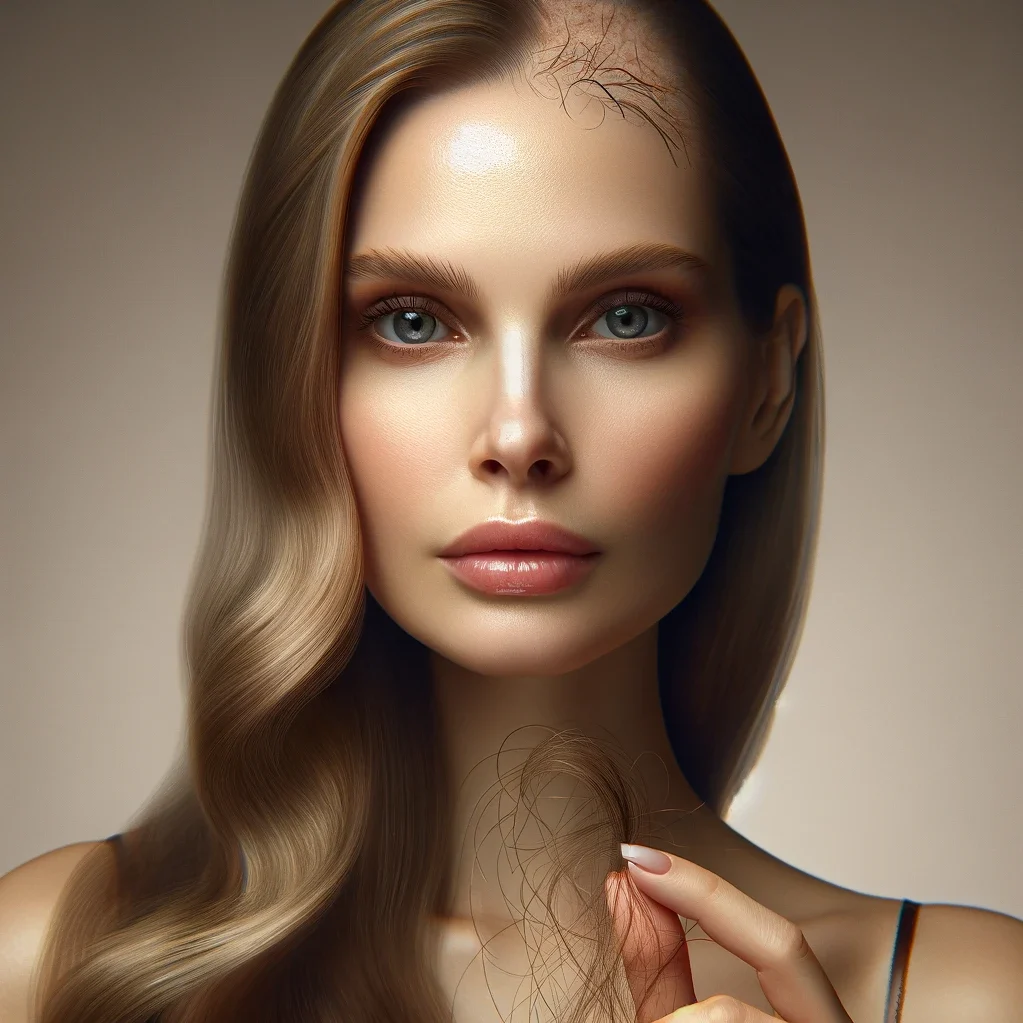
Image: Illustration showcasing the causes of itchy scalp and hair loss.
Treatment and Prevention of Itchy Scalp and Hair Loss
Treating and preventing itchy scalp and hair loss requires addressing the underlying cause. Various conditions can contribute to these issues, such as fungal infections, allergic reactions to hair products, and inflamed hair follicles. In more severe cases, conditions like lichen planopilaris and alopecia areata can also cause scalp itchiness and hair loss. Understanding the specific cause is crucial for effective treatment and prevention.
Treatment Options
When it comes to fungal infections, prescription antifungal creams are often prescribed to treat the infection and promote hair regrowth. By targeting the underlying cause, these creams can effectively eliminate the fungal infection and alleviate scalp itchiness.
Allergic reactions to hair products can be managed by identifying and avoiding triggers. Switching to alternative products that are free from potential allergens can help reduce scalp irritation and prevent hair loss related to allergies.
In cases of inflamed hair follicles or scalp inflammation, healthcare professionals may prescribe antibiotics or antifungal medications to reduce itching and promote healing. These medications can help alleviate symptoms and restore scalp health.
For conditions like lichen planopilaris and alopecia areata, treatment options may include immunotherapy, antifungal medications, topical treatments, and steroids. These treatments aim to address the underlying immune response or inflammation that causes the scalp itchiness and hair loss.
Prevention Methods
Maintaining scalp health is key to preventing itchiness and hair loss. This can be achieved by practicing good hygiene and using suitable hair care products. Regularly shampooing the scalp with mild, gentle cleansers can help keep the scalp clean and free from excess oil, dirt, and product buildup.
Incorporating essential oils into your scalp care routine can also contribute to scalp health. Some oils, such as tea tree oil and lavender oil, have antimicrobial properties that can help prevent fungal or bacterial growth on the scalp. However, it’s important to dilute essential oils properly and use them according to guidelines to avoid scalp irritation.
Consuming a balanced diet that includes essential nutrients for hair health, such as vitamins, minerals, and proteins, can also support overall scalp health. Additionally, using targeted shampoos formulated to address specific scalp issues, such as dandruff or psoriasis, can help prevent itchiness and maintain a healthy scalp.
Remember, everyone’s scalp and hair are unique, and treatment results may vary. It’s important to consult with a healthcare professional or dermatologist to determine the most suitable treatment and prevention methods for your specific condition.
| Treatment Options | Prevention Methods |
|---|---|
| Prescription antifungal creams | Maintain good hygiene |
| Allergen-free hair products | Use suitable hair care products |
| Antibiotics or antifungal medications | Incorporate essential oils |
| Immunotherapy, topical treatments, steroids | Consume a balanced diet |
Conclusion
Dealing with itchy scalp and hair loss can be frustrating, but there are effective solutions to alleviate these issues. The key lies in identifying the underlying cause and taking appropriate steps to address them.
By following a comprehensive scalp care routine and using suitable hair products, individuals can promote scalp health and prevent hair loss. It is important to seek professional advice when needed to ensure the best course of action for your specific condition.
Remember that treatment results may vary depending on the individual and the specific scalp condition. Regularly monitoring the scalp and seeking medical advice when necessary are crucial in maintaining a healthy scalp and strong, healthy hair.
Don’t let itchy scalp and hair loss affect your confidence. With proper care and attention, you can achieve a healthy scalp and vibrant hair. Explore the various scalp care options and remedies available to find the best solution for you.
FAQ
Can an itchy scalp cause hair loss?
Yes, itchy scalp can lead to temporary hair loss. Scratching the scalp due to itchiness can damage the hair follicles and result in hair breakage or shedding.
What are some common causes of itchy scalp and hair loss?
Common causes of itchy scalp and hair loss include fungal infections, allergic reactions to hair products, inflamed hair follicles, scarring on the scalp, hereditary hair loss, scalp ringworm, alopecia areata, atopic dermatitis, psoriasis, and dandruff.
How can I treat an itchy scalp and prevent hair loss?
Treatment and prevention methods for itchy scalp and hair loss vary depending on the underlying cause. Options include using prescription antifungal creams for fungal infections, avoiding triggers and switching hair products for allergic reactions, using antibiotics or antifungal medications for inflamed hair follicles, and incorporating scalp care routines and suitable hair products. Seeking professional advice is recommended for proper diagnosis and treatment.
What can I do to promote scalp health and prevent hair loss?
Maintaining proper scalp hygiene, using suitable hair care products, incorporating essential oils, consuming a balanced diet, and using targeted shampoos can contribute to scalp health and help prevent hair loss. Regular monitoring of the scalp and seeking professional advice when necessary is also important.