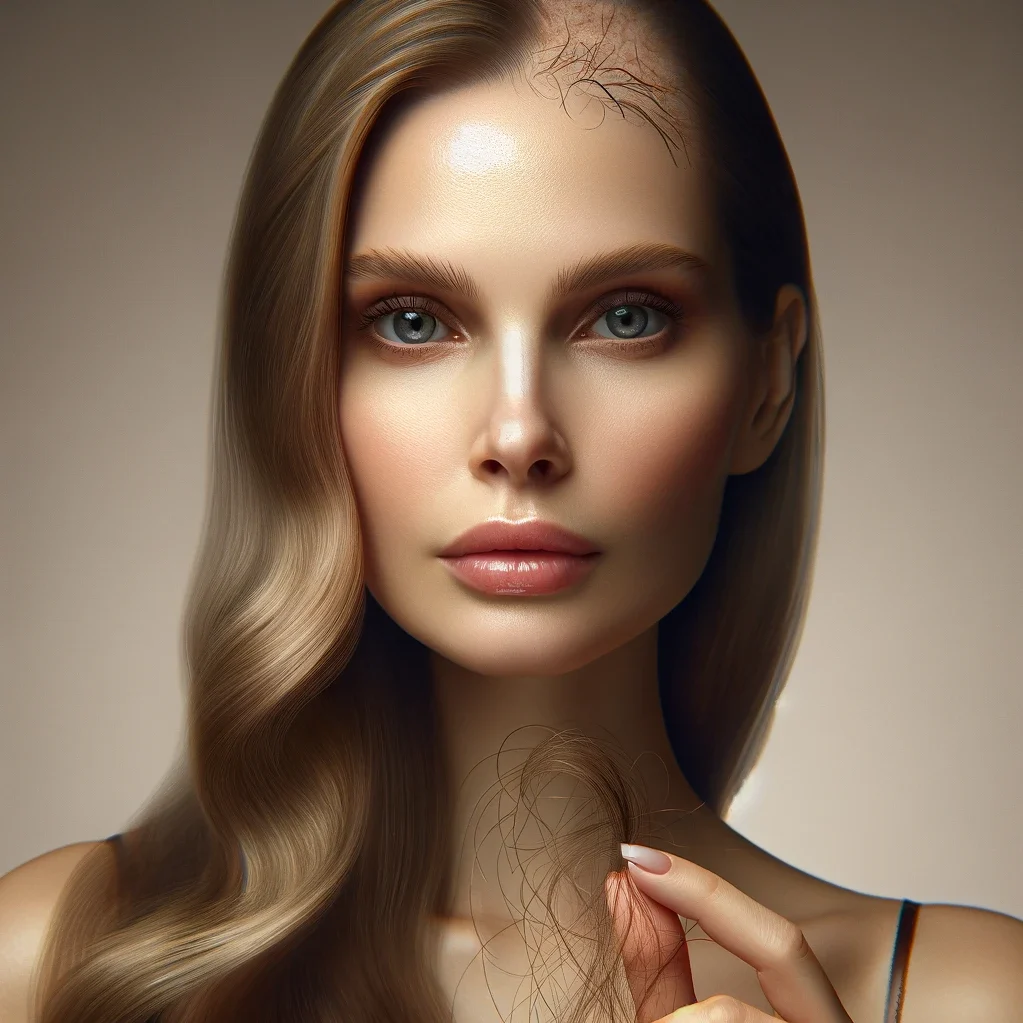

As we age, experiencing hair thinning on top is a common concern for many individuals. Alongside the natural process of aging, genetics also plays a significant role in hair loss, including thinning hair on top. The effectiveness of treatments varies depending on the underlying cause of hair loss. There are various options available to address this issue, including supplements, medicated ointments, and lifestyle changes.
Research suggests that diet plays a crucial role in hair health, and studies have indicated that low protein and amino acid intake may contribute to hair loss. However, adopting a Mediterranean diet rich in herbs, vegetables, and essential nutrients has been associated with a decreased risk of pattern baldness. It’s essential to maintain a balanced diet that provides necessary vitamins and minerals for healthy hair growth.
When it comes to specific treatments, some medications have shown effectiveness in preventing hair loss. Topical applications like minoxidil or oral treatments such as finasteride have been proven to be valuable in combating hair loss. However, it’s crucial to consult with a healthcare professional before starting any medication regimen.
Key Takeaways:
- Thinning hair on top can be caused by aging and genetics.
- Diet plays a vital role in hair health, and following a Mediterranean diet may decrease the risk of pattern baldness.
- Supplements, medicated ointments, and lifestyle changes can help address hair thinning on top.
- Medications like minoxidil and finasteride have shown efficacy in preventing hair loss.
- Consulting with a healthcare professional is crucial before starting any hair loss treatment.
Understanding Male Pattern Baldness and Hair Loss
Male pattern baldness, also known as androgenetic alopecia, is the most common cause of hair loss in men. It is characterized by hair loss on the scalp, specifically the receding hairline, thinning hair on the crown, or general thinning of hair on the top of the head.
This type of hair loss is influenced by genetics and androgens, particularly dihydrotestosterone (DHT). DHT causes hair follicles to miniaturize over time, leading to hair thinning and eventual loss.
When it comes to treating male pattern baldness, there are several options available:
- Finasteride: Finasteride is an anti-androgen medication that inhibits the production of DHT. By reducing DHT levels, finasteride can slow down hair loss and even promote hair regrowth. It is usually taken orally in the form of a pill.
- Minoxidil: Minoxidil is a topical solution that is applied directly to the scalp. It stimulates hair follicles and promotes hair growth. Minoxidil is available over the counter and can be used by both men and women.
- Hair Transplantation: For those with more advanced stages of hair loss, hair transplantation can be an effective option. This procedure involves surgically moving hair from the back of the head to the thinning areas on the scalp, creating a fuller hairline.
- Non-Surgical Hair Replacement: Non-surgical hair replacement techniques, such as wearing wigs or hairpieces, can provide temporary solutions for individuals looking to restore their hair appearance without undergoing invasive procedures.
It is important to note that the effectiveness of these treatments can vary from person to person. Consulting with a dermatologist or hair loss specialist is crucial to determine the most suitable treatment option based on individual circumstances. They can provide personalized advice and recommend the best course of action.
Effective Strategies for Treating Receding Hairline
In addition to medical treatments, there are various strategies and products that can help with a receding hairline. If you are looking for an immediate solution, hair thickening products such as shampoos, conditioners, and styling products can give the appearance of thicker hair. These products work by coating the hair shaft, adding volume and creating the illusion of fuller hair.
If you prefer natural remedies for hair thinning, there are several herbal preparations that have shown promise. Chinese hibiscus, ginseng, gotu kola, gooseberry, aloe vera, and saw palmetto are some of the natural ingredients known for promoting hair growth and preventing hair loss. Essential oils such as rosemary oil, peppermint oil, and lavender oil have also demonstrated their effectiveness in stimulating hair growth.
Aside from using products and natural remedies, incorporating scalp massage into your hair care routine can be beneficial. Scalp massage helps stimulate blood circulation to the hair follicles, promoting healthier hair growth. Additionally, avoiding tight hairstyles that pull on the hair, such as cornrows or braids, can help prevent hair breakage and further hair loss.
Furthermore, maintaining hair health by using a gentle shampoo and avoiding harsh styling practices like heat and chemical treatments is essential. These practices can weaken the hair and make it more susceptible to breakage. If you are looking for more advanced treatments, low-level light therapy using lasers to stimulate hair growth on the scalp has shown promising results. And remember, managing stress and anxiety levels can also contribute to overall hair health.
Note that individual results may vary, and it’s always recommended to consult with a healthcare professional to determine the most suitable treatment options for your specific needs.
FAQ
What causes hair thinning on top?
Hair thinning on top can be caused by aging and genetics, specifically male pattern baldness. Other factors such as hormonal changes, nutritional deficiencies, and certain medical conditions can also contribute to hair thinning on top.
What are some solutions for hair thinning on top?
Solutions for hair thinning on top include using supplements, medicated ointments, and making lifestyle changes. In addition, maintaining a healthy diet, including foods rich in protein, vitamins, and minerals, can promote hair growth and prevent further thinning.
Are there any natural remedies for hair thinning?
Yes, there are natural remedies for hair thinning. Some examples include using herbal preparations like Chinese hibiscus, ginseng, and aloe vera. Essential oils such as rosemary oil and lavender oil can also be beneficial. Scalp massage, avoiding tight hairstyles, and using gentle hair care products are other natural strategies that can help with hair thinning.
Can medication help with hair thinning on top?
Yes, certain medications have been shown to be effective in preventing hair loss and promoting hair regrowth. Minoxidil, which is applied topically, and finasteride, which can be taken orally or applied topically, are commonly used medications for hair thinning on top.
What are the treatment options for male pattern baldness?
Treatment options for male pattern baldness include medications such as finasteride and minoxidil, which can help prevent further hair loss and stimulate hair regrowth. Hair transplantation is another option for more advanced stages of hair loss. Non-surgical hair replacement techniques, like wearing wigs or hairpieces, can provide temporary solutions.
Are there any effective strategies for treating a receding hairline?
Yes, there are various strategies that can help with a receding hairline. Hair thickening products, such as shampoos, conditioners, and styling products, can create the appearance of thicker hair. Natural remedies, scalp massage, and low-level laser light therapy have also shown promise in promoting hair growth. Proper hair and scalp care, along with stress management, can contribute to overall hair health and prevent further hair loss.
What should I consider before choosing a hair loss treatment?
Before choosing a hair loss treatment, it is important to consult with a dermatologist or hair loss specialist. They can evaluate your individual circumstances, assess the underlying cause of your hair loss, and recommend the most suitable treatment option for you. Keep in mind that individual results may vary, and it may take time to see significant improvements in hair growth.