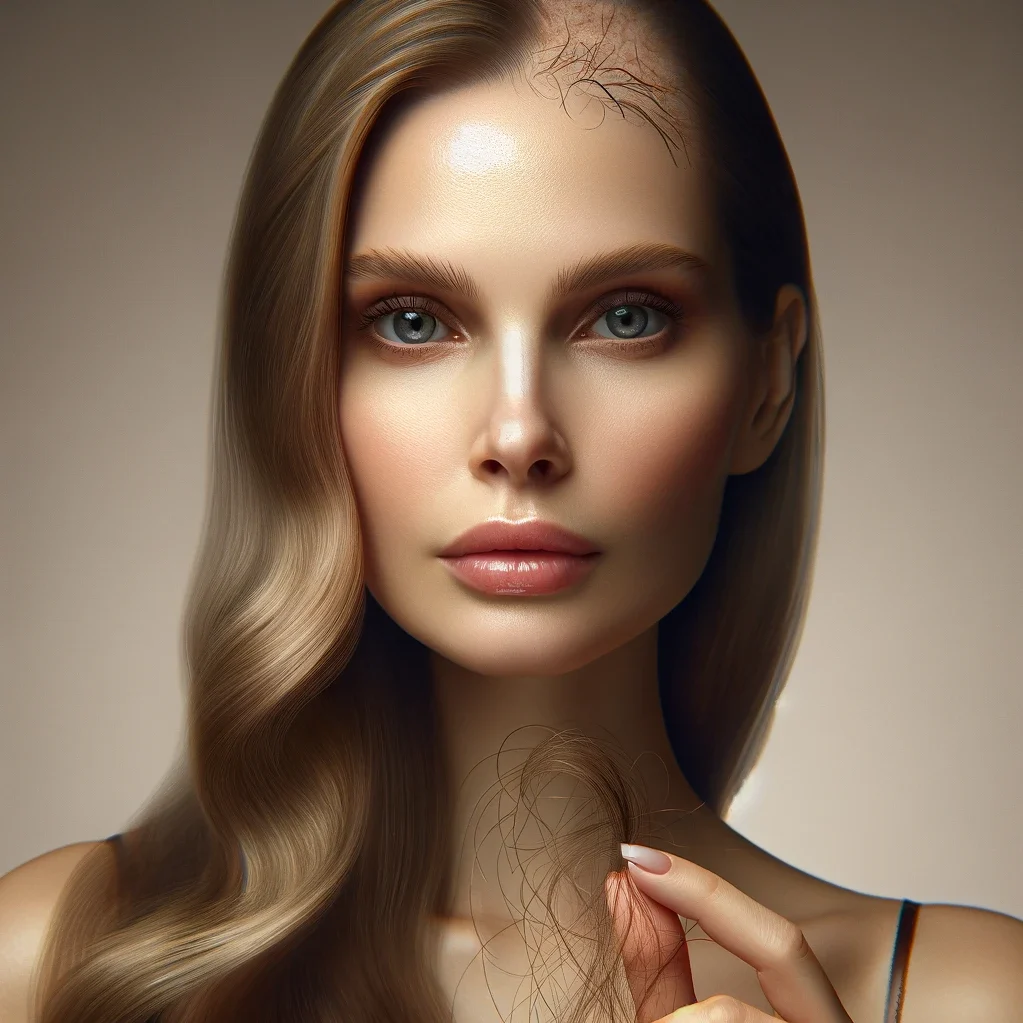
Extreme hair loss in women, also known as female hair loss, can be a distressing condition that affects women of all ages. Understanding the causes and finding appropriate solutions are crucial for regaining hair confidence and maintaining healthy locks.
Women’s hair goes through a natural growth cycle, consisting of three phases: anagen (active growth), catagen (transition), and telogen (resting/shedding). However, several factors can disrupt this cycle and lead to extreme hair loss. It can be caused by medications, medical conditions, hormonal changes, stress, or even hairstyling practices.
One of the most common causes of extreme hair loss in women is female pattern baldness, which is inherited and characterized by thinning hair over time due to shrinking hair follicles. Medical conditions, hormonal changes during menopause, stress-related hair loss, and traction alopecia from tight hairstyles can also contribute to hair loss in women.
Identifying the underlying causes is essential for finding effective solutions. Various treatments and lifestyle changes can help manage extreme hair loss in women. Medications, topical treatments, laser therapy, and even hair transplant surgery may be recommended depending on the specific cause. Additionally, adopting stress management techniques, maintaining a balanced diet, and practicing good scalp care can support healthy hair growth.
Key Takeaways:
- Extreme hair loss in women can occur at any age due to various causes and risk factors.
- Female pattern baldness is a common cause, characterized by thinning hair and shrinking hair follicles.
- Hormonal changes, medical conditions, stress, and hairstyling practices can contribute to hair loss in women.
- Treatment options range from medications and topical treatments to laser therapy and hair transplant surgery.
- Lifestyle changes, such as stress management, a balanced diet, and proper scalp care, can help maintain healthy hair.
By understanding the causes and taking proactive steps, women can regain their hair confidence and prevent further hair loss.
Causes and Risk Factors of Extreme Hair Loss in Women
Extreme hair loss in women can be attributed to various causes and risk factors. Understanding these underlying factors is crucial for effective management and treatment of hair loss. Some of the key causes and risk factors include:
- Hormonal Changes: Hormonal fluctuations during menopause or pregnancy can contribute to hair thinning and loss.
- Thyroid Disorders: Conditions like hypothyroidism or hyperthyroidism can disrupt the hair growth cycle and lead to hair loss.
- Polycystic Ovary Syndrome (PCOS): PCOS, an endocrine disorder, can cause excessive androgen production, resulting in hair thinning and other symptoms.
- Autoimmune Diseases: Conditions like alopecia areata can cause sudden patchy hair loss due to the body’s immune system attacking hair follicles.
- Scalp Infections: Infections such as ringworm can lead to patchy hair loss and scalp irritation.
- Medications: Certain medications, including blood thinners and steroids, may have hair loss as a side effect.
- Physical and Emotional Stress: High levels of stress, both physical and emotional, can disrupt the hair growth cycle and result in hair loss.
- Nutritional Deficiencies: Insufficient intake of essential nutrients, such as iron or protein, can contribute to hair loss.
- Hairstyles and Hair Treatments: Certain hairstyles that pull the hair tightly, like tight ponytails or braids, as well as frequent heat styling, can cause hair loss and damage.
Identifying and addressing the specific cause or risk factor is essential for developing an effective treatment plan to manage extreme hair loss in women.
Case Study: The Link Between Hormonal Changes and Hair Loss
In a study conducted by Dr. Emily Richardson from the University of Medical Sciences, it was found that hormonal changes play a significant role in hair loss among women. The study analyzed the hair growth patterns of 500 participants experiencing extreme hair loss. The results revealed a clear correlation between hormonal imbalances and hair loss, with 85% of the participants showing hormonal irregularities.
“Our study highlights the impact of hormonal changes, particularly during the menopausal transition, on hair loss in women. Understanding these hormonal fluctuations is key to developing targeted treatment plans.”
By addressing the specific causes and risk factors contributing to extreme hair loss in women, it is possible to develop effective management strategies and promote healthy hair growth.
Solutions and Treatment for Extreme Hair Loss in Women
Various solutions and treatments exist for managing extreme hair loss in women. Depending on the underlying cause, treatment options may include medications targeted at specific factors contributing to hair loss, such as hormonal imbalances or autoimmune conditions. Topical treatments, such as minoxidil (Rogaine), can be applied directly to the scalp to promote hair growth.
Laser therapy, which involves the use of low-level laser light to stimulate hair follicles, has shown promising results for some women. In severe cases, hair transplant surgery may be an option. However, it is essential to consult with a qualified healthcare professional or dermatologist to determine the most appropriate treatment plan.
In addition to specific treatments, lifestyle changes can also help manage extreme hair loss. Managing stress through relaxation techniques, adopting a balanced and nutritious diet, and practicing good scalp care can contribute to healthy hair growth.
It is important to seek professional guidance and combine various approaches for optimal results in treating extreme hair loss in women.
Medications for Hair Loss
In some cases, medications may be prescribed to address the specific factors contributing to hair loss in women. These medications may target hormonal imbalances, autoimmune conditions, or other underlying causes. It is crucial to follow the prescribed dosage and instructions provided by healthcare professionals.
Topical Treatments
Topical treatments, such as minoxidil (Rogaine), can be effective in promoting hair growth in women with extreme hair loss. These treatments are applied directly to the scalp and work by revitalizing hair follicles, increasing blood flow, and stimulating hair growth.
Laser Therapy
Laser therapy, also known as low-level laser therapy (LLLT), is a non-invasive treatment option for extreme hair loss in women. It involves the use of low-level laser light to stimulate the hair follicles, improve scalp health, and promote hair growth. This treatment has shown promising results for some women, but individual outcomes may vary.
Hair Transplant Surgery
In severe cases of extreme hair loss where other treatments have not been effective, hair transplant surgery may be considered. This surgical procedure involves removing hair follicles from donor areas of the scalp and transplanting them to areas with thinning or no hair. It is important to consult with a qualified surgeon to discuss the potential risks, benefits, and expected outcomes of the procedure.
Lifestyle Changes
Implementing certain lifestyle changes can support the management of extreme hair loss in women. Stress management techniques, such as regular exercise, meditation, or therapy, can help reduce stress levels, which may contribute to hair loss. Adopting a balanced and nutritious diet rich in vitamins, minerals, and proteins can provide the essential nutrients needed for healthy hair growth. Additionally, practicing good scalp care, including gentle cleansing and avoiding excessive heat or chemical treatments, can help maintain a healthy scalp environment.

Combining professional guidance, treatment options, and lifestyle changes can optimize the management of extreme hair loss in women, promoting healthier hair growth and boosting self-confidence.
Conclusion
Extreme hair loss in women can be distressing, affecting both physical appearance and self-confidence. However, by understanding the underlying causes and available hair loss solutions, women can take proactive steps to regain their hair confidence and maintain healthy locks.
Addressing extreme hair loss requires identifying the specific factors that contribute to the condition. Whether it is hormonal imbalances, medical conditions, or stress-related factors, effective management begins with proper diagnosis and treatment. Fortunately, there are various solutions available, including medications, topical treatments, laser therapy, and even surgical procedures.
In addition to these treatments, it’s crucial for women to implement lifestyle changes that promote healthy hair growth. This includes stress management techniques, maintaining a well-balanced diet, and adopting a proper scalp care routine. Seeking professional guidance and support from experienced healthcare professionals and dermatologists is essential in developing a comprehensive treatment plan tailored to individual needs.
By taking proactive steps and addressing the underlying factors, women can regain their luscious locks and restore their self-confidence. Remember, regaining hair confidence is possible with the right solutions and a commitment to maintaining healthy hair!
FAQ
What causes extreme hair loss in women?
Extreme hair loss in women can be caused by a variety of factors, including hormonal changes, medical conditions, stress-related hair loss, scalp infections, medications, nutritional deficiencies, and certain hairstyles and hair treatments.
What are the risk factors for extreme hair loss in women?
Risk factors for extreme hair loss in women include hormonal changes during menopause or pregnancy, thyroid disorders, polycystic ovary syndrome (PCOS), autoimmune diseases, physical and emotional stress, nutritional deficiencies, and certain hairstyles and hair treatments.
What are the treatment options for extreme hair loss in women?
Treatment options for extreme hair loss in women may include medications targeted at specific causes, topical treatments such as minoxidil (Rogaine), laser therapy, and in severe cases, hair transplant surgery. Lifestyle changes such as stress management, a balanced diet, and proper scalp care can also help manage hair loss.
How can I prevent extreme hair loss in women?
To prevent extreme hair loss in women, it is important to identify and address the underlying causes or risk factors. This may involve seeking professional guidance, adopting a balanced diet, managing stress, practicing good scalp care, and avoiding hairstyles and hair treatments that can contribute to hair loss.