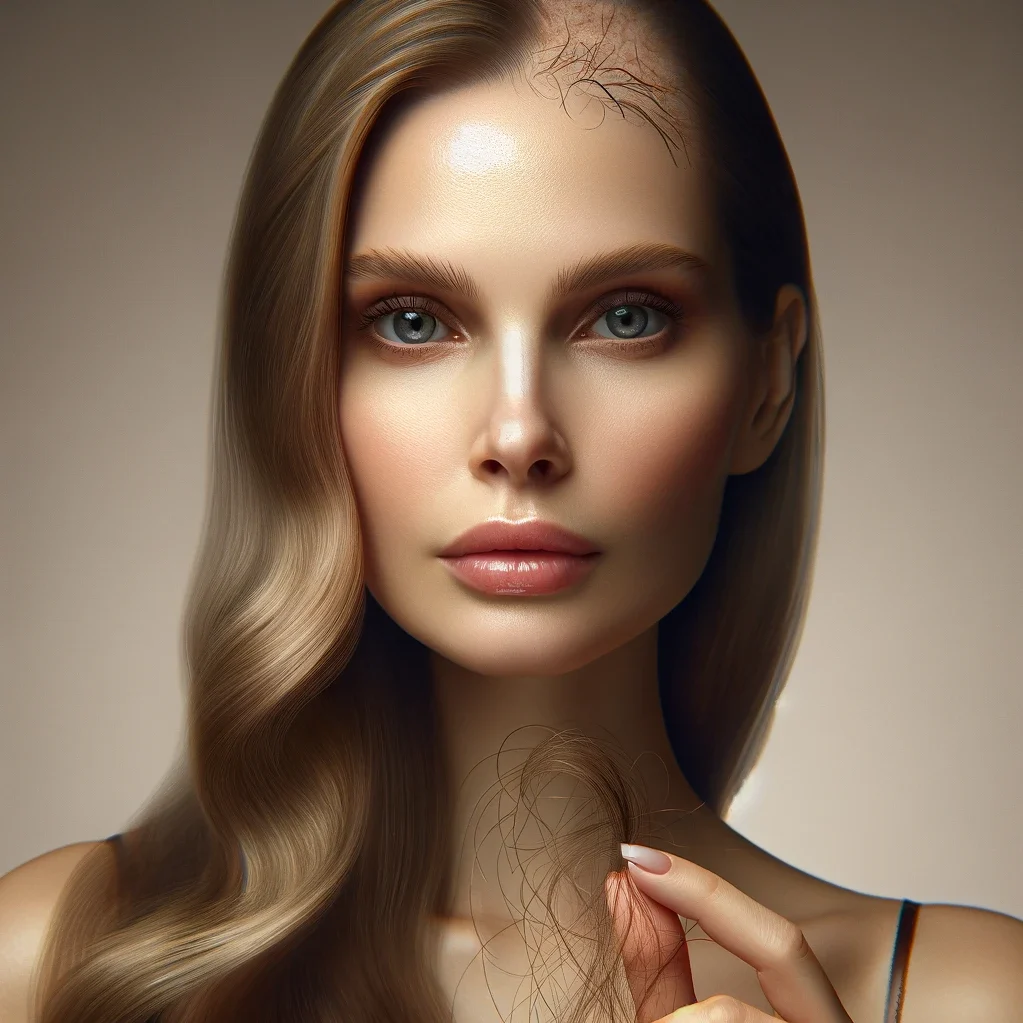

Hair loss can be a distressing experience, affecting both our physical appearance and self-confidence. When it comes to extreme hair fall, it’s crucial to identify and address the underlying causes to effectively combat severe hair loss and excessive hair shedding. While some instances of hair thinning may be temporary, such as postpartum shedding or stress-induced hair fall, there are cases where comprehensive treatment is needed.
In this article, we will provide you with 22 valuable tips and tricks to help you stop hair fall, promote hair regrowth, and prevent further hair loss. These tips encompass various aspects, including dietary changes, proper hair care, medical treatments, and natural remedies for extreme hair fall. By incorporating these strategies into your routine, you can take control of your hair health and work towards stronger and thicker hair.
Key Takeaways:
- Identify and address the underlying cause of extreme hair fall.
- Follow a Mediterranean diet rich in raw vegetables and fresh herbs.
- Ensure sufficient protein intake for hair follicle health.
- Include vitamins A, B, C, and D, as well as minerals like iron, selenium, and zinc in your diet.
- Consider supplements like multivitamins, vitamin D, biotin, and herbs like saw palmetto and ginseng.
Diet and Nutrition for Hair Health
A healthy diet plays a crucial role in maintaining hair health. Studies have shown that following a Mediterranean diet, rich in raw vegetables and fresh herbs, may reduce the risk of androgenic alopecia, also known as pattern baldness.
Consuming sufficient protein is essential for hair follicle health, and deficiencies in amino acids can contribute to hair loss.
Including foods rich in vitamins A, B, C, and D, as well as minerals like iron, selenium, and zinc, can support healthy hair growth.
| Vitamins | Minerals | Supplements |
|---|---|---|
| Vitamin A | Iron | Multivitamin |
| Vitamin B | Selenium | Vitamin D |
| Vitamin C | Zinc | Biotin |
Supplementing with multivitamins, vitamin D, biotin, and herbs like saw palmetto and ginseng may also promote hair health.
Our hair is a reflection of our overall health, and nourishing it with the right nutrients is key to maintaining its vitality. A balanced diet, rich in essential vitamins, minerals, and protein, can help support healthy hair growth. Consider incorporating the Mediterranean diet into your eating habits and supplementing with key nutrients to give your hair the best chance to thrive.
Hair Care Practices to Prevent Hair Loss
Proper hair care practices are essential for preventing hair loss. By incorporating regular washing, the use of coconut oil, olive oil, gentle styling, and minimizing hair processing treatments, you can help maintain the health of your hair and scalp.
Regular Washing
Regularly washing your hair with a gentle shampoo not only keeps it clean and fresh but also plays a crucial role in maintaining a healthy scalp. It helps remove dirt, excess oil, and product buildup, preventing clogged hair follicles that can contribute to hair loss. Remember to avoid hot water as it can strip the hair of natural oils, leading to dryness and breakage.
Coconut Oil
Coconut oil has been used for centuries as a natural remedy for promoting hair growth and preventing hair loss. Its unique fatty acid composition allows it to penetrate the hair shaft, providing nourishment and moisture. As a result, coconut oil helps protect the hair from damage caused by grooming tools, such as brushes and combs, as well as UV light exposure. Simply warm a small amount of coconut oil in your hands and massage it into your scalp and hair, leaving it on for a few hours or overnight before rinsing it out.
Olive Oil
Olive oil is not only a staple in the kitchen but also a versatile ingredient for hair care. Rich in antioxidants and healthy fats, olive oil can act as a deep conditioner, preventing dryness, brittleness, and breakage. You can apply olive oil to your hair by warming it slightly and massaging it into your scalp and strands. Leave it on for at least 30 minutes or overnight before washing it out thoroughly. For an extra boost of hydration, you can also mix olive oil with honey or aloe vera gel.
Gentle Styling
Gentle styling practices are crucial for minimizing hair breakage and damage. Avoid tight hairstyles, such as ponytails or braids, that pull on the hair follicles and contribute to traction alopecia. Similarly, limit the use of heat stylers like flat irons and curling irons, as excessive heat can weaken the hair shaft and lead to breakage. Instead, opt for more gentle styling methods, such as air-drying or using heat protectant sprays.
Minimizing Hair Processing Treatments
Hair processing treatments, such as perms, relaxers, and frequent coloring, can weaken the hair and cause damage over time. To maintain the health of your hair and scalp, minimize the use of these treatments and opt for more natural alternatives. Embrace your natural hair texture or consider less damaging options, such as balayage or hair glossing, that provide color without harsh chemicals. Remember to consult with a professional hairstylist to determine the best options for your hair type and desired style.
By incorporating these hair care practices into your routine, you can promote the health and longevity of your hair. Remember, prevention is key when it comes to hair loss, so take the necessary steps to protect and nourish your hair.

Medical Treatments and Other Remedies for Hair Fall
In cases of severe hair loss, medical treatments may be necessary. Various options are available to address hair loss, including low-level laser therapy, platelet-rich plasma (PRP) therapy, and medications like minoxidil and finasteride.
Low-level laser therapy, also known as red light therapy, is a non-invasive treatment that can improve hair density and stimulate hair growth. The laser stimulates blood flow to the hair follicles, promoting regrowth. This treatment can be done at a clinic or with wearable devices, providing convenience and flexibility for users.

Platelet-rich plasma (PRP) therapy involves injecting a concentrated solution of a patient’s own platelets, derived from their blood, into the scalp. This treatment stimulates growth in thinning areas and can improve hair thickness and quality. PRP therapy is a popular choice for those seeking natural and regenerative hair loss solutions.
When it comes to medications, two commonly prescribed options are minoxidil and finasteride. Minoxidil, available in topical form, is applied directly to the scalp and is believed to promote hair growth by widening blood vessels and prolonging the growth phase of hair follicles. Finasteride, taken orally, is a prescription medication that blocks the production of a hormone linked to hair loss in men. Both minoxidil and finasteride have been approved by the FDA for the treatment of hair loss.
In addition to medical treatments, natural remedies and practices can also help prevent hair loss and stimulate regrowth. Benefits have been reported with the use of essential oils like rosemary and lavender, which can be applied topically or infused in hair care products. The antimicrobial and anti-inflammatory properties of these oils may contribute to a healthier scalp and hair follicles.
Another natural remedy that has gained attention is onion juice. Applying onion juice to the scalp is believed to encourage hair regrowth, thanks to its high sulfur content and potential to increase blood circulation. While more research is needed to determine its effectiveness, anecdotal evidence suggests positive results for some individuals.
A scalp massage can be a relaxing and beneficial practice that promotes healthy blood flow to the scalp and stimulates hair follicles. Massaging the scalp regularly with gentle pressure can help reduce stress, improve circulation, and nourish hair follicles with essential nutrients.
Yoga is another holistic approach that may help prevent hair loss by reducing stress levels. Stress is known to contribute to hair loss, so incorporating stress-relieving yoga poses into your routine can have a positive impact on the health of your hair. Some beneficial poses include downward-facing dog, child’s pose, and legs-up-the-wall.
Remember to consult with a dermatologist or healthcare professional to determine the best treatment options for your specific condition. They can assess your individual needs and recommend the most suitable medical treatments or natural remedies for your hair loss concerns.
Conclusion
Dealing with extreme hair fall can be challenging, but with the right strategies, it is possible to combat hair loss effectively. By addressing the underlying causes, maintaining a healthy diet, practicing proper hair care, considering medical treatments, and incorporating natural remedies, you can strengthen your hair and reduce excessive shedding. It’s important to consult with a healthcare professional to determine the best course of action for your specific situation. With their guidance, you can take control of your hair health and promote regrowth.
Identifying and addressing the underlying causes of hair fall is crucial in developing an effective hair loss treatment plan. Whether it’s hormonal imbalances, nutritional deficiencies, or scalp conditions, understanding the root cause is the first step towards finding a solution. By consulting with a healthcare professional, they can help determine the best treatment options for you, such as laser therapy, platelet-rich plasma (PRP) therapy, or medications like minoxidil and finasteride.
While medical treatments can be effective, it’s also important to support your hair health through proper nutrition and hair care practices. A healthy diet, rich in essential nutrients like protein, vitamins, and minerals, can promote hair growth and strengthen follicles. Additionally, gentle styling, regular washing, and the use of natural remedies like essential oils and onion juice can complement medical treatments and help prevent further hair loss.
Remember, patience and consistency are key when it comes to combating extreme hair fall. It may take time to see results, but by following a comprehensive approach and seeking professional guidance, you can take control of your hair health and promote regrowth. Don’t let hair loss define you – with the right strategies, you can reclaim your confidence and maintain a healthy head of hair.
FAQ
What are some common causes of extreme hair fall?
Extreme hair fall can be caused by various factors, including hormonal imbalances, nutritional deficiencies, stress, certain medications, and medical conditions like thyroid disorders and alopecia. It is important to identify the underlying cause to effectively address hair loss.
How can I prevent hair loss and promote hair growth?
There are several strategies you can incorporate into your routine to prevent hair loss and promote hair growth. These include maintaining a healthy diet, practicing proper hair care, considering medical treatments, and using natural remedies. It is important to consult with a healthcare professional to determine the best course of action for your specific condition.
Can dietary changes help with extreme hair fall?
Yes, a healthy diet plays a crucial role in maintaining hair health. Consuming a Mediterranean diet rich in raw vegetables, fresh herbs, and sufficient protein can support healthy hair growth. Including foods that are rich in vitamins A, B, C, and D, as well as minerals like iron, selenium, and zinc, can also promote hair health.
What are some proper hair care practices to prevent hair loss?
Regularly washing your hair with a gentle shampoo, using coconut oil to protect the hair from damage, and olive oil as a deep conditioner can help prevent hair loss. Gentle styling, avoiding tight hairstyles and heat stylers, and minimizing hair processing treatments like perms and hair color can also contribute to the overall health of your hair.
Are there medical treatments available for severe hair loss?
Yes, in cases of severe hair loss, medical treatments may be necessary. Low-level laser therapy, platelet-rich plasma (PRP) therapy, and medications like minoxidil and finasteride have been approved to treat hair loss and promote hair growth. It is recommended to consult with a dermatologist or healthcare professional to determine the best treatment options for your specific condition.
Can natural remedies help with preventing hair loss?
Yes, natural remedies such as essential oils like rosemary and lavender, onion juice, scalp massage, and stress-relieving yoga poses may help prevent hair loss and stimulate regrowth. However, it is important to note that the effectiveness of these remedies may vary from person to person, and consulting with a healthcare professional is advisable.