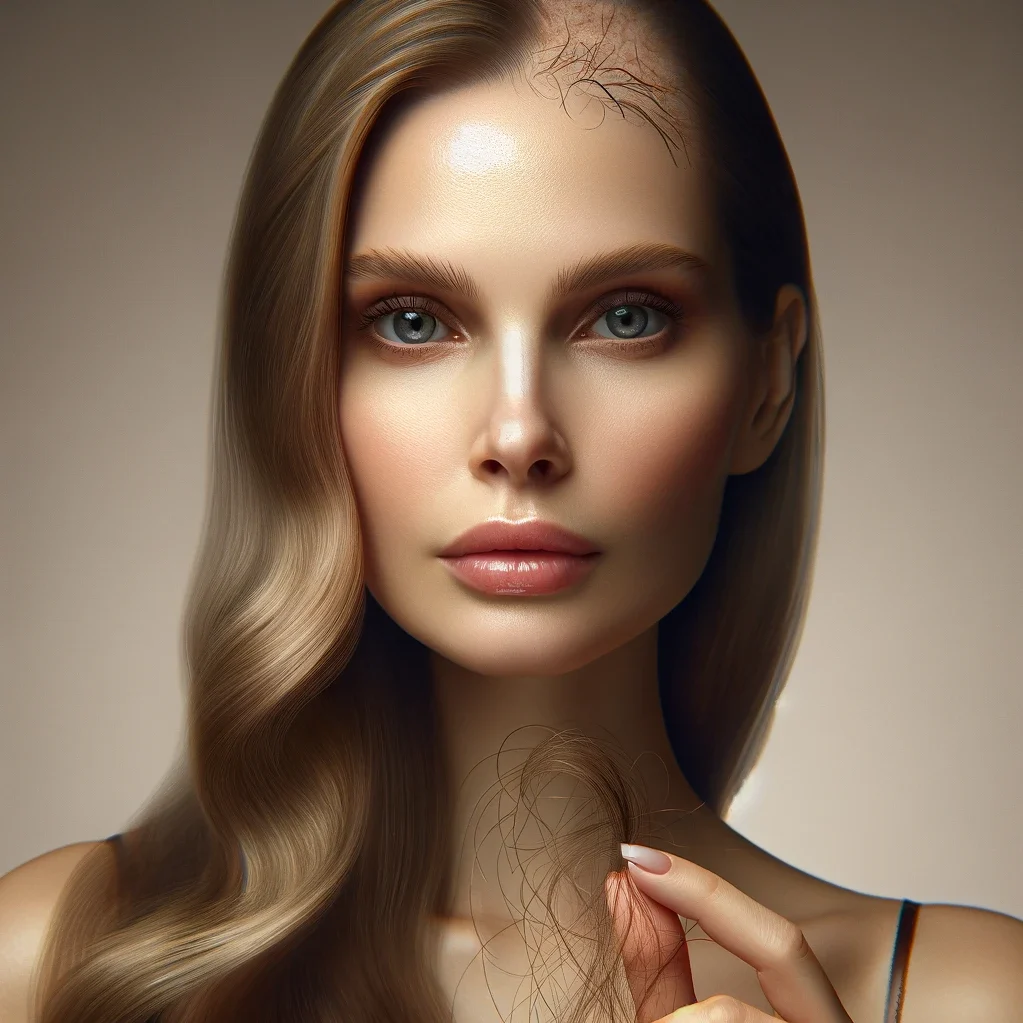
Hair loss is a common concern for both men and women, but it can have a significant impact on a woman’s self-esteem and confidence. While hair loss is more commonly associated with men, women can also experience thinning hair and baldness. Female pattern hair loss is a specific type of hair loss that affects women, and it is important to understand the causes and find appropriate solutions.
Female pattern hair loss, also known as androgenic alopecia, is usually caused by hereditary factors. It is characterized by gradual thinning of the hair on the scalp, resulting in a wider parting and visible scalp. However, hair loss in women can also be caused by hormonal changes, medical conditions, or a normal part of aging.
Key Takeaways:
- Female pattern hair loss is a specific type of hair loss that affects women, characterized by gradual thinning of the hair on the scalp.
- Hair loss in women can be caused by hormonal changes, medical conditions, or aging.
- Identifying the underlying cause of hair loss is crucial in determining the best course of treatment.
- Treatment options for hair loss in women include medication, lifestyle changes, and cosmetic procedures.
- Consulting with a healthcare professional or dermatologist is important for personalized treatment guidance.
Common Causes of Hair Loss in Women
Hair loss in women can be caused by a variety of factors. Understanding these causes is crucial in finding effective solutions to combat hair loss. Hormonal changes play a significant role in hair loss among women, with two common scenarios being pregnancy and menopause. During these stages, fluctuations in hormones can disrupt the hair growth cycle, resulting in hair loss.
“Hormonal changes, such as those that occur during pregnancy or menopause, can disrupt the hair growth cycle and lead to hair loss.”
Another prevalent cause of hair loss in women is postpartum hair loss. After giving birth, many women experience temporary hair loss due to hormonal changes. This condition is characterized by excessive shedding and usually resolves on its own within a few months.
In addition to hormonal factors, other conditions can contribute to hair loss in women. Thyroid problems, such as hypothyroidism or hyperthyroidism, can disrupt the normal hair growth cycle. Autoimmune diseases, such as alopecia areata, can cause hair loss by attacking the hair follicles. Scalp infections, such as fungal infections or ringworm, can also lead to hair loss in women.
Common Causes of Hair Loss in Women
| Cause | Description |
|---|---|
| Hormonal Changes | Fluctuations in hormones during pregnancy and menopause can disrupt the hair growth cycle. |
| Postpartum Hair Loss | Temporary hair loss that occurs after giving birth due to hormonal changes. |
| Thyroid Problems | Hypothyroidism or hyperthyroidism can affect hair growth. |
| Autoimmune Diseases | Diseases like alopecia areata can result in hair loss by attacking hair follicles. |
| Scalp Infections | Fungal infections or ringworm can lead to hair loss in women. |
Identifying the underlying cause is crucial in determining the best course of treatment for hair loss in women. Consultation with a healthcare professional or dermatologist is recommended to develop an effective treatment plan tailored to individual needs.
Solutions for Hair Loss in Women
When it comes to hair loss in women, there are a variety of solutions and treatments available to address this common concern. The choice of treatment depends on the underlying cause of the hair loss, and options may include medication, lifestyle changes, and cosmetic procedures.
Medications such as minoxidil (Rogaine) and certain hormonal therapies have been proven effective in stimulating hair growth and slowing down hair loss. These remedies for hair loss in women can be obtained through consultation with a healthcare professional or dermatologist. It’s important to note that results may vary depending on individual factors.
In addition to medication, lifestyle changes play a crucial role in the prevention of hair loss in women. Maintaining a healthy diet that includes essential nutrients such as iron, zinc, and omega-3 fatty acids can promote healthy hair growth. Managing stress levels is also important as increased stress can contribute to hair loss. Incorporating stress-reducing practices such as yoga, meditation, or regular exercise can have a positive impact.
In certain cases, cosmetic procedures may be recommended to address hair loss in women. Hair transplants, where healthy hair follicles are transferred to areas of thinning or baldness, can provide long-lasting results. Another option is the use of low-level laser therapy devices, which work by stimulating hair follicles and promoting hair growth. These treatments should be discussed with a healthcare professional or dermatologist to determine if they are suitable for individual needs.
FAQ
What causes hair loss in women?
Hair loss in women can be caused by various factors, including hormonal changes, medical conditions, and hereditary factors. Hormonal changes, such as those that occur during pregnancy or menopause, can disrupt the hair growth cycle and lead to hair loss. Medical conditions like thyroid problems, autoimmune diseases, and scalp infections can also contribute to hair loss in women.
Is postpartum hair loss common in women?
Yes, postpartum hair loss is a common occurrence in women after giving birth. This temporary condition is caused by hormonal changes and usually resolves on its own within a few months. However, if the hair loss continues or becomes concerning, it is advisable to consult with a healthcare professional.
What are the treatment options for hair loss in women?
Treatment options for hair loss in women vary depending on the underlying cause. Medications like minoxidil (Rogaine) and certain hormonal therapies can help stimulate hair growth and slow down hair loss. Lifestyle changes, such as maintaining a healthy diet and managing stress levels, can also promote healthy hair growth. In some cases, cosmetic procedures like hair transplants or low-level laser therapy may be recommended. It is important to consult with a healthcare professional or dermatologist to determine the best treatment approach for individual needs.
Can hair loss in women be prevented?
While not all causes of hair loss in women can be prevented, certain lifestyle habits can promote healthy hair growth and minimize the risk of hair loss. Taking care of your overall health by maintaining a balanced diet, managing stress levels, and avoiding excessive heat or chemical treatments can contribute to maintaining healthy hair. It is also important to address any underlying medical conditions or hormonal imbalances promptly to prevent or minimize hair loss.
How long does it take for hair to grow back after hair loss?
The regrowth of hair after hair loss can vary depending on the underlying cause and individual factors. In some cases, hair may start to regrow within a few months, while in others, it may take longer. Consistency with treatment and following a healthy hair care routine can optimize the chances of regrowth and improve the overall health and appearance of the hair.
1 thought on “Understanding Hair Loss in Women: Causes & Solutions”