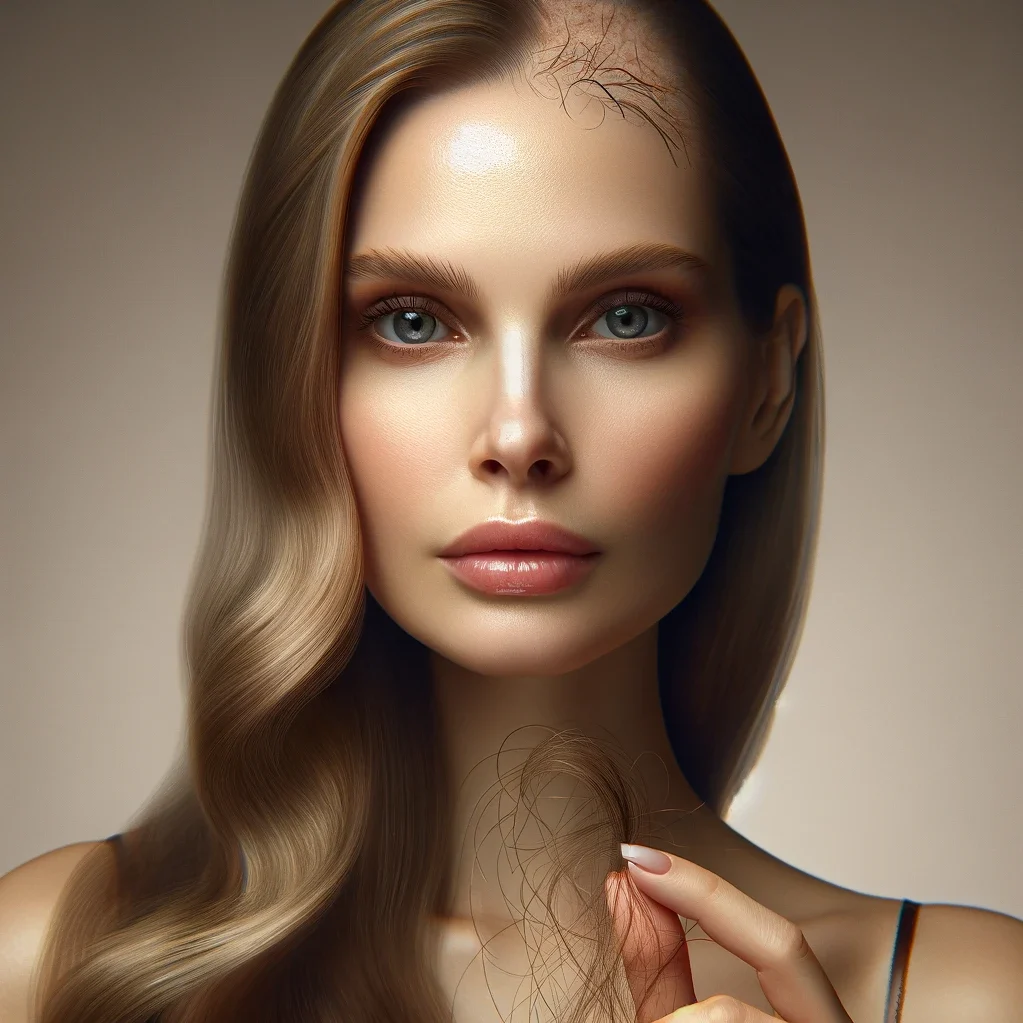
Female hair thinning can be a distressing experience. Whether it’s due to female pattern hair loss, hormonal changes, or other factors, finding effective solutions and treatment options is essential. In this article, we will explore the causes of female hair loss and provide valuable insights into preventing hair loss, promoting regrowth, and restoring fullness to thinning hair.
Key Takeaways:
- Female hair thinning can be caused by various factors, including female pattern hair loss and hormonal changes.
- Treatment options for female hair loss include topical medications, light therapy, hormone therapy, and hair transplant procedures.
- Maintaining a healthy lifestyle, including a nutritious diet and proper hair care, can help prevent further hair loss and promote regrowth.
- Consulting with a healthcare professional is crucial to determine the underlying cause of hair loss and find the most suitable treatment option.
- Finding effective solutions for female hair thinning is possible with the right approach and guidance from healthcare professionals.
Understanding Female Pattern Baldness
Female pattern baldness, also known as androgenetic alopecia, is the most common cause of hair loss in women. It is characterized by gradual hair thinning on the top of the head, a widening part, and the appearance of patchy bald spots. This condition can be distressing for women and impact their self-esteem.
The signs of female pattern baldness may vary from person to person, but some common indicators include:
- Thinning hair on the crown of the head
- A visible scalp through the hair
- A widening parting of the hair
- Bald patches
- Increased shedding of hair
Several factors contribute to female pattern baldness. Genetic factors play a significant role, as the condition often runs in families. Hormonal changes, such as those experienced during menopause, can also contribute to hair loss in women.
To diagnose female pattern baldness and explore treatment options, it is essential to consult with a healthcare professional specializing in hair loss. They can assess the extent of hair loss, identify any underlying causes, and recommend appropriate treatments.
The journey towards hair regrowth starts with understanding the underlying causes of female pattern baldness.
| Causes of Female Pattern Baldness | |
|---|---|
| Genetic Factors | Hormonal Changes |
| Female pattern baldness often has a genetic component. If female relatives, such as mothers, sisters, or grandmothers, have experienced hair loss, it increases the risk for other family members. | Hormonal changes, especially during menopause, can trigger hair loss in women. The decrease in estrogen levels and the increase in androgen levels can affect the hair growth cycle, leading to thinning and shedding. |
Treatment options for female pattern baldness may include:
- Topical medications: Minoxidil (Rogaine) is an FDA-approved medication that can help stimulate hair growth and slow down hair loss in women.
- Hormone therapy: Some women benefit from hormone therapy to balance their hormonal levels and reduce hair loss.
- Platelet-rich plasma (PRP) injections: PRP therapy involves injecting a concentrated solution of the patient’s own platelets into the scalp to promote hair growth.
- Hair transplant: In severe cases, hair transplant surgery can be an option to restore hair growth.
Remember, each person’s hair loss journey is unique, and what works for one person may not work for another. It is crucial to consult with a healthcare professional to determine the most appropriate treatment plan based on individual needs.
Treatment Options for Female Hair Loss
When it comes to addressing female hair loss, there are several treatment options available. These options can help stimulate hair growth, prevent further loss, and restore fullness to thinning hair. It’s important to consult with a healthcare professional to determine the most suitable treatment option for your specific needs.
Topical Medications for Hair Loss
One of the most common treatment options for female hair loss is the use of topical medications. Minoxidil, also known as Rogaine, is an over-the-counter medication that can stimulate hair growth. It is applied directly to the scalp and can be effective in promoting regrowth and preventing further hair loss.
Another topical option is ketoconazole shampoo, which may reduce inflammation and improve the strength of the hair. It can be used in combination with other treatments to enhance results.
Corticosteroid Injections and Platelet-Rich Plasma Injections
In some cases, corticosteroid injections may be used to promote hair growth. These injections are administered directly into the scalp and can help reduce inflammation and stimulate hair follicles.
Platelet-rich plasma (PRP) injections are also becoming a popular treatment option for hair loss. PRP is obtained from a patient’s own blood and contains growth factors that can stimulate hair regrowth.
Hormone Therapy and Hair Transplant
In cases where hormonal imbalances are contributing to hair loss, hormone therapy may be recommended. This treatment option aims to balance hormone levels in order to minimize hair loss and promote regrowth.
For severe cases of female hair loss, hair transplant surgery may be a viable option. This procedure involves transplanting healthy hair follicles from one area of the scalp to another, resulting in natural-looking regrowth.
Conclusion
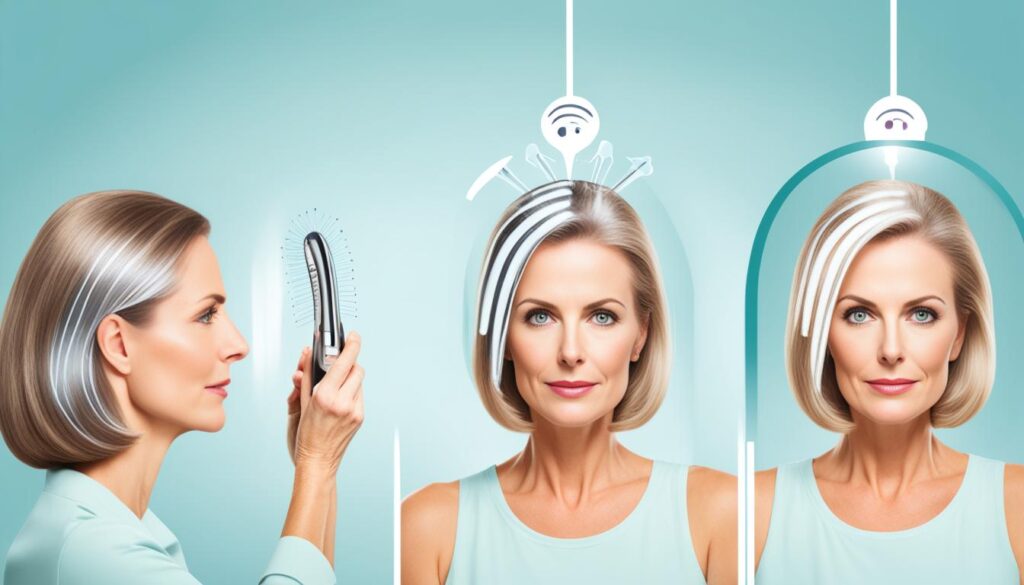
Addressing female hair loss is crucial for restoring fullness to thinning hair. Thankfully, there are effective solutions available that can help women regain their confidence. From topical medications and light therapy to hormone therapy and surgical procedures like hair transplants, there are various treatment options to consider.
However, it is important to remember that each case of hair loss is unique, and it is essential to consult with a healthcare professional to determine the underlying cause and find the most suitable treatment option. They can provide personalized advice and guidance based on individual needs.
In addition to professional treatments, maintaining a healthy lifestyle is also key in promoting hair growth and preventing further hair thinning. A nutritious diet, scalp massage, and avoiding damaging hair treatments can make a significant difference. By taking a holistic approach to hair care, women can restore fullness to their thinning hair and address the issue effectively.
FAQ
What causes female hair thinning?
Female hair thinning can be caused by a variety of factors, including female pattern hair loss or androgenetic alopecia, hormonal changes, genetic factors, and underlying health conditions. It’s important to consult with a healthcare professional to determine the underlying cause.
What is female pattern baldness?
Female pattern baldness, also known as androgenetic alopecia, is the most common cause of hair loss in women. It is characterized by gradual hair thinning on the top of the head, a widening part, and patchy bald spots.
What are the treatment options for female hair loss?
Treatment options for female hair loss include topical medications like minoxidil (Rogaine), ketoconazole shampoo, corticosteroid injections, platelet-rich plasma injections, hormone therapy, and hair transplants. It is important to consult with a healthcare professional to determine the most suitable treatment option.
How can I prevent further hair loss and promote regrowth?
In addition to medical treatments, maintaining a healthy lifestyle can help prevent further hair loss and promote regrowth. This includes eating a nutritious diet, avoiding damaging hair treatments like heat and dyes, and practicing scalp massage to stimulate blood flow to the hair follicles.
How long does it take to see results from hair loss treatments?
The timeline for seeing results from hair loss treatments can vary depending on the individual and the specific treatment being used. It’s important to follow the recommended treatment regimen and consult with a healthcare professional for personalized guidance.
Are there any natural remedies for female hair thinning?
Some natural remedies that may help with female hair thinning include using essential oils like rosemary and lavender, taking supplements like biotin and saw palmetto, and practicing stress management techniques. However, it’s important to remember that natural remedies may not be as effective as medical treatments and consulting with a healthcare professional is still recommended.