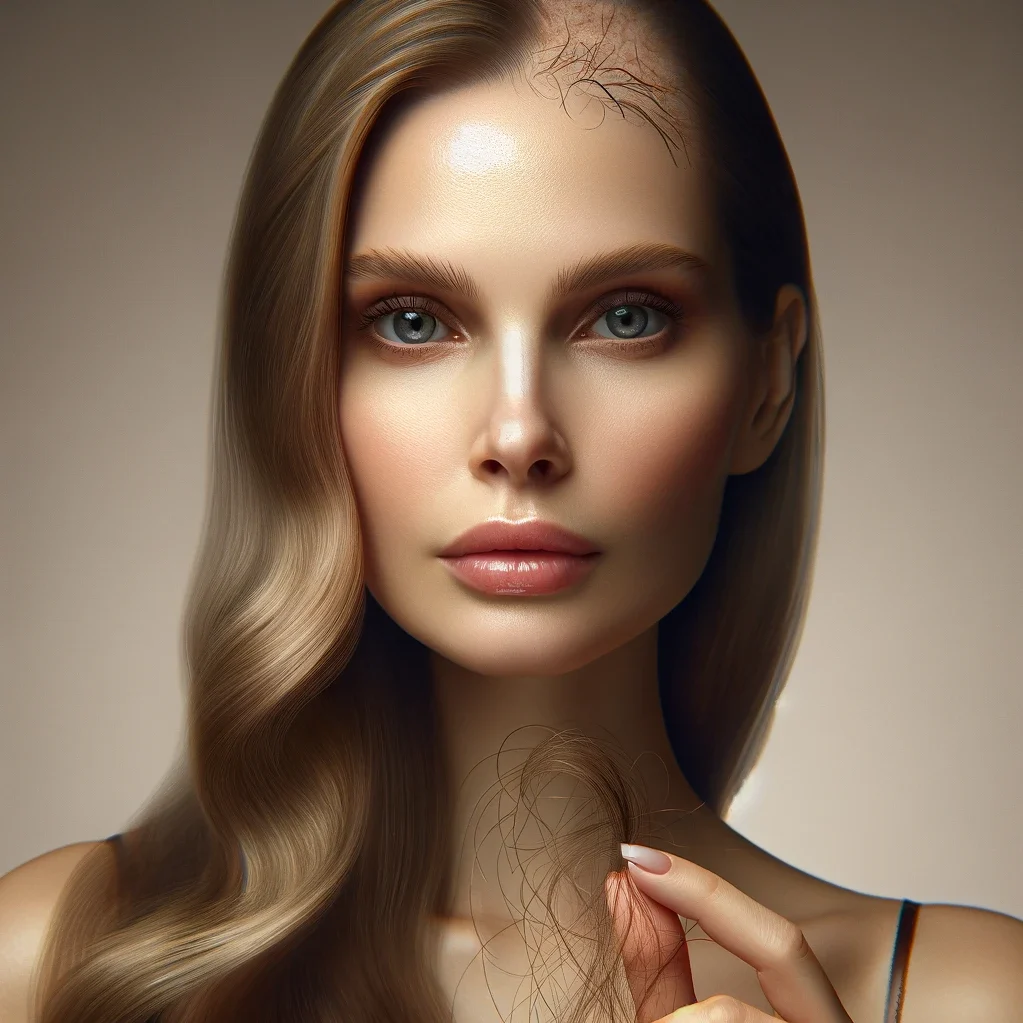

Did you know that hair loss is a common symptom of PCOS, affecting millions of women worldwide? If you’re one of the many women struggling with PCOS-related hair loss, you’re not alone. The good news is that there are incredible success stories of women who have been able to reverse their hair loss and experience significant regrowth. These stories of triumph serve as an inspiration for those seeking hope and effective solutions in their own PCOS hair restoration journey.
Key Takeaways:
- PCOS-related hair loss is a common symptom that affects many women globally.
- There are inspiring success stories of women who have reversed their hair loss and achieved regrowth.
- Targeted treatments, lifestyle changes, and proper hair care can contribute to PCOS hair restoration.
- Finding support and connecting with a community are essential in overcoming the emotional challenges of PCOS-related hair loss.
- Advocacy and education play a vital role in raising awareness and supporting women with PCOS hair loss.
Understanding PCOS and Hair Loss
PCOS, or polycystic ovary syndrome, is a complex condition that affects many women worldwide. It is characterized by irregular periods or ovulation, high levels of androgens (male hormones), and the presence of multiple cysts on the ovaries. While PCOS can impact various aspects of a woman’s health, one common symptom that many women experience is hair loss.
PCOS-related hair loss can present itself in different ways, including thinning hair, excessive shedding, or even bald patches. The impact of hair loss goes beyond physical appearance, as it can significantly affect a woman’s self-esteem, confidence, and overall quality of life. Understanding the connection between PCOS and hair loss is essential in finding effective solutions and achieving hair regrowth.
Women with PCOS often have heightened levels of androgens in their bodies, which can have a negative effect on hair follicles. These androgens can lead to miniaturization of the hair follicles, causing the hair shafts to become thinner and weaker. Over time, the affected hair follicles may produce shorter, finer hair strands, leading to the appearance of thinning hair.
Additionally, the hormonal imbalances in PCOS can disrupt the normal hair growth cycle. Hair follicles go through growth (anagen), transition (catagen), and resting (telogen) phases. In PCOS, the hair follicles may spend more time in the resting phase, resulting in increased shedding and a slower rate of new hair growth.
To combat PCOS-related hair loss, it is crucial to address the underlying hormonal imbalances and support the health of the hair follicles. This can be achieved through targeted treatments, lifestyle modifications, and proper hair care.
“Understanding the connection between PCOS and hair loss is crucial in finding effective solutions and achieving hair regrowth.”
Treatment Options for PCOS Hair Loss
There are various treatment options available for women experiencing hair loss due to PCOS. These treatments aim to address the hormonal imbalances and promote hair regrowth. Some common treatment approaches include:
- Medications: Anti-androgen medications, such as spironolactone or finasteride, may be prescribed to inhibit the effects of androgens on the hair follicles. These medications can help reduce hair loss and promote regrowth.
- Topical Solutions: Minoxidil, a topical solution applied to the scalp, can help stimulate hair growth and slow down hair loss. It is available over-the-counter and can be used as part of a comprehensive hair care routine.
- Procedures: Microneedling and laser therapy are procedures that can stimulate hair growth by increasing blood circulation and promoting the production of collagen in the scalp. These treatments can be performed by dermatologists or trained professionals.
It is important to consult with a healthcare professional or a dermatologist to determine the most appropriate treatment plan based on individual needs and preferences.
Hair Care Tips for PCOS-related Hair Loss
In addition to targeted treatments, adopting a proper hair care routine is essential for managing PCOS-related hair loss and promoting hair regrowth. Here are some tips to consider:
- Gentle Cleansing: Use a mild shampoo and avoid harsh chemicals or excessive scrubbing. Be gentle when washing the hair to minimize breakage.
- Conditioning: Use a conditioner that provides moisture and nourishment to the hair. Focus on the mid-lengths and ends of the hair, where it tends to be drier.
- Avoid Heat and Styling Damage: Limit the use of heat styling tools and protect the hair with heat protectant sprays when styling is necessary. Avoid tight hairstyles that pull on the hair and cause tension.
- Choose Hair-friendly Products: Look for products that are specifically formulated to promote hair growth and strengthen the hair. Ingredients like biotin, keratin, and vitamins can be beneficial.
Remember, consistency is key when it comes to hair care. It may take time to see noticeable improvements, so be patient and continue with a diligent hair care routine.
Understanding PCOS and Hair Loss: The Key to Reversal
PCOS-related hair loss can be challenging, but with knowledge and targeted interventions, it is possible to achieve hair regrowth. Understanding the hormonal imbalances and their impact on the hair follicles is crucial in finding effective solutions.
In the next section, we will explore the inspiring testimonials and narratives of women who have successfully overcome PCOS-related hair loss. Their triumphs serve as a beacon of hope and inspiration for anyone facing similar challenges.
Targeted Treatments for PCOS Hair Loss Reversal
When it comes to reversing PCOS-related hair loss, there are various targeted treatments available that can help women regain their hair and confidence. These treatments include medications, topical solutions, and specialized procedures. Each treatment approach focuses on addressing the underlying causes of hair loss and stimulating hair regrowth.
Treatment Options
One common medication used for PCOS hair loss reversal is anti-androgens. These medications work by reducing the effects of high androgen levels on the hair follicles, preventing further hair loss and promoting regrowth. Topical solutions, such as minoxidil, can also be effective in stimulating hair growth when applied directly to the scalp.
Additionally, certain procedures like microneedling and laser therapy have shown promising results in enhancing hair regrowth for women with PCOS. Microneedling involves creating tiny punctures in the scalp to stimulate collagen production and improve blood circulation to the hair follicles. Laser therapy utilizes low-level light therapy to enhance cellular metabolism and promote healthier hair growth.
| Treatment Approaches | Description |
|---|---|
| Medications (Anti-androgens) | Reduce the effects of high androgen levels on hair follicles, preventing hair loss and promoting regrowth. |
| Topical Solutions (Minoxidil) | Applied directly to the scalp to stimulate hair growth and improve hair density. |
| Procedures (Microneedling) | Create tiny punctures in the scalp to stimulate collagen production and improve blood circulation to the hair follicles. |
| Procedures (Laser Therapy) | Utilize low-level light therapy to enhance cellular metabolism and promote healthier hair growth. |
PCOS Hair Growth Testimonials
Many women who have undergone targeted treatments for PCOS-related hair loss have shared their success stories and progress updates, offering encouragement and inspiration to others facing similar challenges. These testimonials are a testament to the effectiveness of these treatments and the hope they provide to those who are struggling with hair loss. Hearing about the journeys of others who have regained their hair and confidence can offer reassurance and motivation.
“After using anti-androgens for several months, my hair began to grow back stronger and thicker. I’m now able to style it confidently and feel like myself again. The targeted treatment truly made a difference in my life.” – Emily
“I never thought I’d see my hair regrow after years of struggling with PCOS-related hair loss. Microneedling has been a game-changer for me. The procedure was painless, and within a few months, my hair started to show significant improvement.” – Sarah
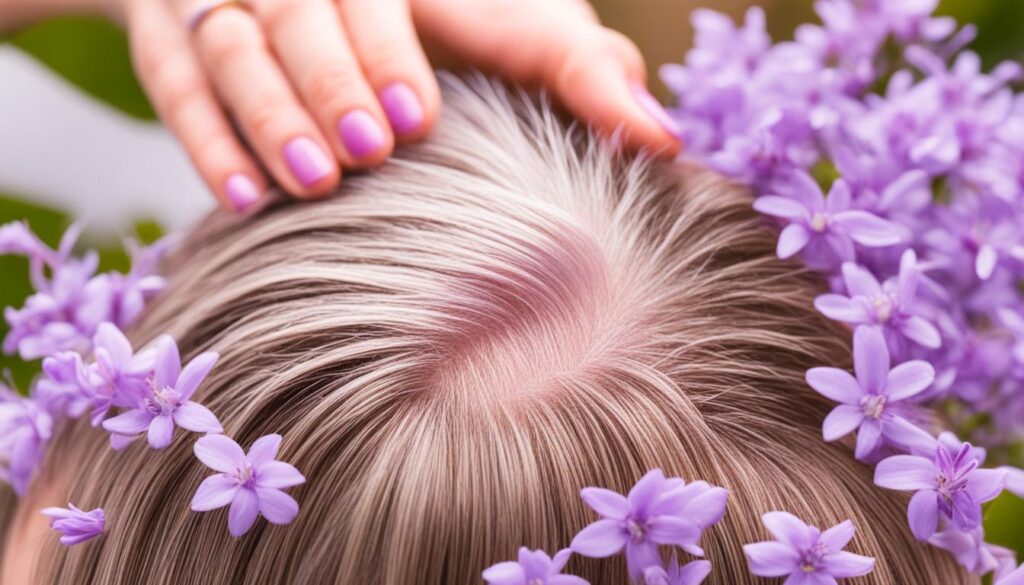
These testimonials are a testament to the power of targeted treatments in reversing PCOS-related hair loss. They emphasize that with the right interventions and a comprehensive approach, women can reclaim their hair and restore their confidence.
Lifestyle Changes and Hair Care Tips
Lifestyle changes and proper hair care are essential components of PCOS-related hair loss reversal. By adopting a healthy lifestyle, including a balanced diet, regular exercise, stress management, and adequate sleep, we can contribute to overall hormonal balance and promote hair regrowth. Additionally, implementing a hair care routine that includes gentle cleansing, proper conditioning, and the use of hair growth-promoting products can support the regrowth process.
One key aspect of our hair care routine should be gentle cleansing. Using a mild shampoo and avoiding harsh chemicals can prevent further damage to the hair and scalp. Conditioning the hair properly with a nourishing conditioner can help restore moisture and improve hair strength. Incorporating hair growth-promoting products, such as serums or oils containing ingredients like biotin, saw palmetto, or minoxidil, can provide additional support for hair regrowth.
Creating a healthy lifestyle also plays a significant role in restoring hair growth. Eating a balanced diet with a focus on nutrient-rich foods, including fruits, vegetables, whole grains, lean proteins, and healthy fats, helps provide the necessary vitamins and minerals for hair health.
“A balanced diet, regular exercise, stress management, and adequate sleep contribute to overall hormonal balance and promote hair regrowth.”
Engaging in regular exercise not only helps manage weight, but it also improves blood circulation, leading to better nutrient delivery to the hair follicles. Stress management techniques, such as mindfulness practices, meditation, or yoga, can help reduce stress hormones that may contribute to hair loss.
Adequate sleep is also crucial for hormonal balance and overall well-being. Aim for 7-9 hours of quality sleep each night to support hair growth and restore vitality.
It’s important to note that results may vary, and it’s always recommended to consult with a healthcare professional or dermatologist for personalized advice and guidance based on individual needs and circumstances.

| Lifestyle Changes | Hair Care Tips |
|---|---|
| Adopt a balanced diet rich in fruits, vegetables, whole grains, lean proteins, and healthy fats. | Gently cleanse the hair with mild shampoos and avoid harsh chemicals. |
| Engage in regular exercise to improve blood circulation and nutrient delivery to the hair follicles. | Properly condition the hair with nourishing conditioners to restore moisture and improve strength. |
| Practice stress management techniques like mindfulness, meditation, or yoga. | Incorporate hair growth-promoting products containing biotin, saw palmetto, or minoxidil. |
| Aim for 7-9 hours of quality sleep each night for hormonal balance and overall well-being. | Consult with a healthcare professional or dermatologist for personalized advice. |
Overcoming Emotional Challenges
PCOS-related hair loss can have a significant emotional impact on women. It can lead to feelings of self-consciousness, diminished self-esteem, and even depression. However, many women have found strength and resilience in their PCOS hair regrowth journeys.
They have shared their before and after pictures, showcasing the remarkable transformations they have achieved through dedication, perseverance, and the right interventions. These success stories serve as a source of hope and inspiration for others struggling with the emotional challenges of PCOS-related hair loss.
“Seeing the incredible progress in my hair restoration journey has been a true game-changer for me. It’s not just about regrowing hair, but regaining my confidence and sense of self. I want other women to know that they are not alone and that there is hope.” – Sarah, PCOS hair restoration success story
These inspiring women have turned their setbacks into comebacks, embracing their PCOS hair regrowth journeys with determination and resilience. They have found comfort and support in sharing their stories, connecting with others facing similar challenges.
By documenting their progress, they have not only celebrated their own victories but also paved the way for others to embark on their paths to rejuvenated hair and self-esteem. These PCOS hair restoration success stories prove that with the right interventions and support, overcoming the emotional obstacles of hair loss is possible.
Reclaiming Confidence and Self-Image
The before and after pictures shared by women on their PCOS hair regrowth journeys are a testament to the transformative power of perseverance and targeted treatments. These visual representations capture not only the physical changes but also the profound impact on their confidence and self-image.
Reversing PCOS-related hair loss is more than just regaining hair; it’s about reclaiming one’s identity and embracing a renewed sense of self. The dramatic transformations showcased in these before and after images inspire others to believe in their own potential for recovery.
“Witnessing the significant progress in my hair regrowth has been a life-changing experience. It’s not just about having hair again; it’s about feeling like myself, feeling beautiful and empowered.” – Rachel, PCOS hair restoration success story
These women prove that PCOS hair restoration is not only about physical changes but also about reclaiming a positive self-perception. Their journeys remind others that they, too, can triumph over the emotional challenges that come with PCOS-related hair loss.
Support and Community
Finding support and connecting with a community of individuals facing similar challenges can be instrumental in the journey of PCOS-related hair loss reversal. Many online communities, forums, and support groups exist where women can share their experiences, ask questions, and seek guidance. Through these communities, women have found comfort, validation, and a sense of belonging. They have shared their recovery narratives, offering insights, recommendations, and words of encouragement to others who are on the same path. The power of community support cannot be underestimated in overcoming the obstacles of PCOS-related hair loss.
Your Hair Restoration Tribe
When facing the challenges of PCOS-related hair loss, a sense of community can make all the difference. That’s why finding your hair restoration tribe is so important. Connecting with others who understand your struggles and triumphs can provide the support and motivation you need throughout your journey. Whether it’s sharing tips, celebrating milestones, or simply lending an empathetic ear, your hair restoration tribe can uplift you during the tough times and inspire you to keep pushing forward.
Online Communities and Forums
The internet has made it easier than ever to connect with like-minded individuals from all over the world. Many online communities and forums dedicated to PCOS-related hair loss exist, offering a platform for women to share their stories and receive support. These vibrant virtual spaces allow for open discussions, the exchange of ideas, and the opportunity to connect with others who have experienced similar challenges. From popular forums to specialized Facebook groups, there are plenty of online spaces waiting to welcome you into their supportive community.
Below is a curated list of some of the most reputable online communities and forums where women share their PCOS hair loss recovery narratives:
| Online Community/Forum | Description |
|---|---|
| PCOS subreddit | A Reddit community where women come together to discuss all aspects of PCOS, including hair loss, and share their experiences. |
| SoulCysters Forum | An established online forum dedicated to polycystic ovary syndrome, offering support, information, and a sense of community. |
| Inspire Alopecia Support Group | A supportive community within the larger Inspire network, specifically focused on alopecia and hair loss conditions. |
| HER Alopecia Forum | A platform where women with alopecia and hair loss conditions, including PCOS-related hair loss, share their stories and support one another. |
Remember to approach online communities and forums with an open mind, respect for others’ experiences, and a willingness to engage in constructive conversations. By actively participating and sharing your own recovery narratives, you can inspire and uplift others who may be navigating similar challenges.
“Being part of an online community has been a game-changer for me. Finding others who understand the emotional impact of PCOS-related hair loss has made me feel less alone. Together, we share our recovery journeys, cheer each other on, and offer invaluable support. I am grateful every day for the community that has become my lifeline.” – Sarah, PCOS warrior
Joining a support group or online community not only provides emotional support but can also be a valuable source of information. Women often share their personal experiences with different treatments, products, and lifestyle changes that have worked for them. While it’s important to remember that everyone’s journey is unique, hearing about others’ successes can provide motivation and new ideas for your own hair restoration journey. Remember to consult with a healthcare professional before making any significant changes or starting new treatments.
By becoming an active member of the online PCOS hair loss community, you can gain a wealth of knowledge, forge genuine connections, and feel empowered to take control of your hair restoration journey. Together, we can overcome the challenges of PCOS-related hair loss and find hope, inspiration, and support in one another’s narratives.
The Importance of Advocacy and Education
Advocacy and education are key in raising awareness about PCOS-related hair loss and ensuring that women have access to the support and resources they need. It is through the personal testimonials and stories shared by women who have experienced successful hair regrowth that we can educate others about this condition. By speaking out and sharing our experiences, we hope to reduce the stigma surrounding PCOS-related hair loss and encourage further research, funding, and support for effective treatments.
“Sharing our personal stories not only helps others understand the challenges we face but also inspires hope and instills confidence in those going through similar struggles. Together, we can make a difference in the lives of women affected by PCOS-related hair loss.”
Redefining Beauty Standards
One of the main goals of advocacy is to challenge societal beauty standards and promote acceptance and inclusivity. By showcasing the diverse journeys of PCOS-related hair regrowth, we aim to redefine beauty and empower women to embrace their natural hair. Through education, we can ensure that PCOS-related hair loss is recognized as a valid concern and that women receive the support they deserve in their quest for hair restoration.
Supporting Further Research and Treatment Innovation
Advocacy efforts also play a crucial role in driving research and development of effective treatments for PCOS-related hair loss. By raising awareness and sharing our personal stories, we can encourage medical professionals and researchers to delve deeper into understanding the underlying causes of hair loss in women with PCOS. This, in turn, can lead to the development of targeted therapies and interventions that can improve outcomes and quality of life for those affected.
| Benefits of Advocacy and Education |
|---|
| Increased awareness and understanding of PCOS-related hair loss |
| Reduced stigma and improved support systems |
| Empowerment and confidence-building for women |
| Enhanced access to resources and treatment options |
| Promotion of research and innovation in the field |
By leveraging the power of advocacy and education, we can create a more supportive and inclusive environment for women with PCOS-related hair loss. Our collective voices and narratives can drive positive change and transformation, leading to improved treatments, increased understanding, and ultimately, a society that embraces and celebrates all forms of beauty.
Conclusion
PCOS-related hair loss is undoubtedly a challenging and distressing condition for women. However, the remarkable success stories of women who have reversed their hair loss provide a glimmer of hope and inspiration for those facing similar struggles. Through the implementation of targeted treatments, lifestyle changes, and proper hair care routines, these women have achieved remarkable progress in regrowing their hair.
Additionally, finding support within a community of individuals who understand the unique challenges of PCOS-related hair loss is crucial. By connecting with others, sharing experiences, and seeking guidance, women can find solace and a sense of belonging. Together, they can navigate the hurdles, advocate for increased awareness and education, and support one another in their journeys towards hair restoration.
Remember, with resilience, determination, and the right support, PCOS-related hair loss can be reversed. The progress updates shared by these brave women serve as a powerful reminder that there is light at the end of the tunnel. Together, let us continue to empower women with PCOS to reclaim their confidence and embrace the new chapter in their hair restoration journey.
FAQ
What is PCOS?
PCOS, or polycystic ovary syndrome, is a metabolic, hormone, and reproductive disorder that affects a significant number of women globally.
What are the symptoms of PCOS?
Symptoms of PCOS include irregular periods or ovulation, high androgen levels, and polycystic ovaries.
Does PCOS cause hair loss?
Yes, PCOS can cause hair loss, which may manifest as thinning hair, excessive shedding, or even bald patches.
What are the treatment options for PCOS-related hair loss?
Treatment options for PCOS-related hair loss may include medications, topical solutions, or procedures like microneedling or laser therapy.
Can lifestyle changes help reverse PCOS-related hair loss?
Yes, adopting a healthy lifestyle, including a balanced diet, regular exercise, stress management, and adequate sleep, can contribute to overall hormonal balance and promote hair regrowth.
Are there any success stories of PCOS-related hair regrowth?
Yes, many women have shared their success stories and progress updates, documenting their journey towards regaining their hair and confidence.
How does PCOS-related hair loss affect women emotionally?
PCOS-related hair loss can lead to feelings of self-consciousness, diminished self-esteem, and even depression.
Is there a supportive community for women with PCOS-related hair loss?
Yes, there are online communities, forums, and support groups where women can share experiences, ask questions, and seek guidance.
How can advocacy and education help in overcoming PCOS-related hair loss?
Advocacy and education raise awareness about PCOS-related hair loss, reduce stigma, and encourage research, funding, and support for effective treatments.
1 thought on “PCOS Hair Loss Reversal: Real-Life Triumphs”