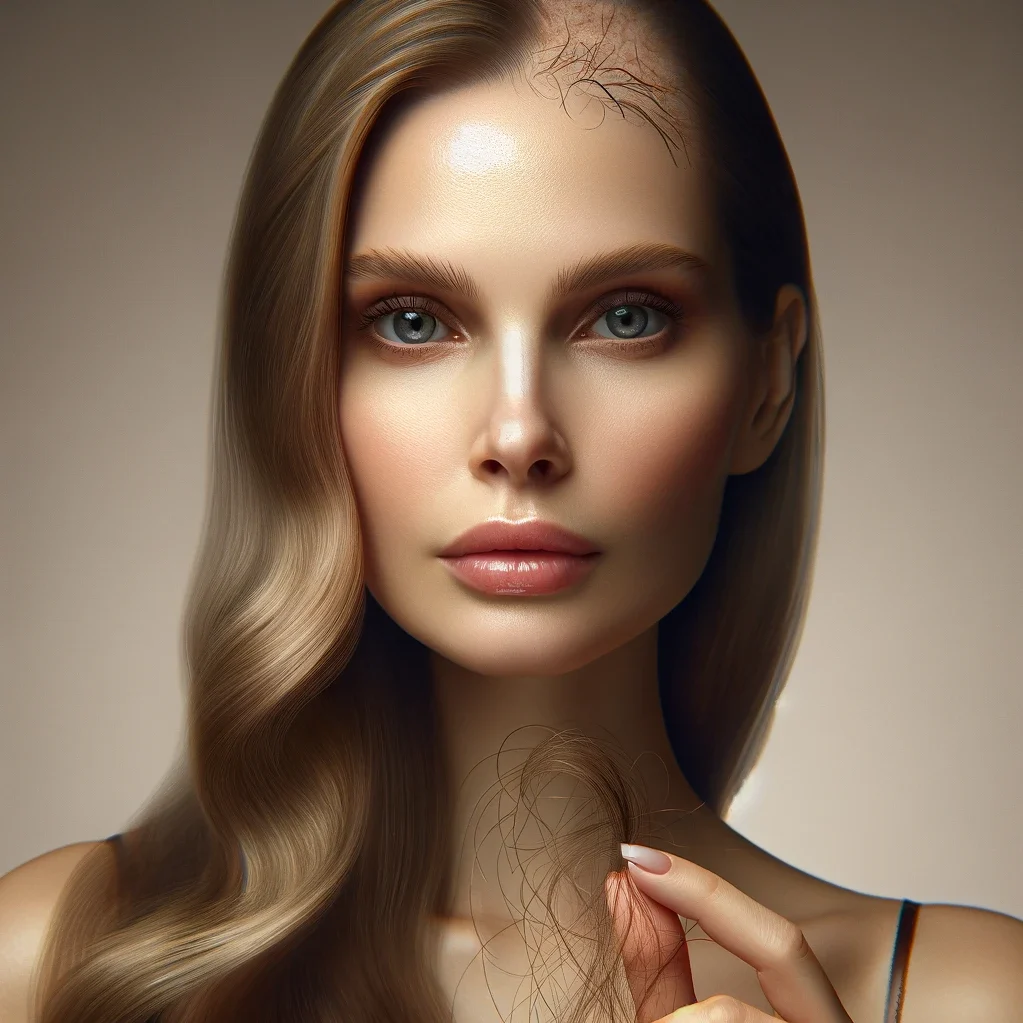
Welcome to our article on the fascinating topic of smartphone radiation and its potential connection to hair loss. In this digital age, smartphones have become an integral part of our lives, but have you ever wondered about the impact they may have on our health, specifically our hair? In this article, we will provide you with essential facts about smartphone radiation and its potential relationship to hair loss. So let’s dive in and explore what you need to know.
Key Takeaways:
- Smartphone radiation has raised concerns regarding its potential connection to hair loss.
- Understanding how radiation works and its effects on the human body is crucial in evaluating the impact on hair follicles.
- Scientific studies have investigated the correlation between excessive smartphone use and hair loss.
- Considering other factors contributing to hair loss is essential, as smartphone radiation may not be the sole cause.
- Adopting lifestyle changes and seeking professional advice can help mitigate the potential risks of hair loss.
Understanding Radiation and Its Effects
In this section, we will delve into the concept of radiation and its potential effects on the human body. Understanding how radiation works is crucial when examining its impact on hair follicles. So, let’s take a closer look.
The Basics of Radiation
Radiation is the release of energy in the form of electromagnetic waves or particles. It is a natural phenomenon found throughout the universe, and it has both beneficial and harmful effects on living organisms.
Specifically, we are interested in ionizing radiation, which has enough energy to remove tightly bound electrons from atoms, causing ionization.
Types of Radiation
There are various sources of ionizing radiation, including x-rays, gamma rays, and radioactive materials. These forms of radiation have different energy levels and penetrate materials to varying degrees.
Electromagnetic radiation, which includes x-rays and gamma rays, has high energies and can pass through body tissues, potentially affecting cells and biological processes.
How Smartphone Radiation Works
Now, let’s shift our focus to smartphone radiation. Smartphones emit a type of radiation known as radiofrequency (RF) radiation. RF radiation is a non-ionizing form of radiation, meaning it lacks the energy to remove electrons from atoms.
The primary source of RF radiation from smartphones is the antenna, which transmits and receives signals to and from cell towers. When you make calls, send texts, or use data, your smartphone constantly communicates with cell towers by emitting and receiving RF radiation.
The Impact on Hair Follicles
While non-ionizing, RF radiation from smartphones can still have an impact on the human body, including hair follicles. Hair follicles are small organs responsible for hair growth.
Some studies suggest that prolonged exposure to RF radiation could potentially affect hair follicle cells, leading to hair loss concerns. However, it is important to note that more research is needed to establish a definitive causal relationship.
| Radiation Type | Emission Source | Energy Level | Ability to Penetrate Body Tissues | Cellular Impact |
|---|---|---|---|---|
| X-rays | Medical imaging devices, nuclear power plants | High | Very high | Potential for DNA damage and cell malfunction |
| Gamma Rays | Nuclear power plants, radioactive materials | Very high | Very high | Potential for DNA damage and cell malfunction |
| Radiofrequency (RF) Radiation | Smartphones, cell towers, wireless devices | Low | Variable | Effects still under investigation, potential impact on hair follicles |
Table: Comparison of Different Radiation Types
The Relationship Between Smartphone Use and Hair Loss
Excessive smartphone use has become a prevalent aspect of our modern lives, with many of us spending hours each day scrolling, texting, and engaging with various apps. As our dependency on smartphones continues to grow, concerns have arisen regarding the potential impact on our health, including the potential link between smartphone use and hair loss.
Scientific studies have explored this relationship, shedding light on the possible consequences of prolonged smartphone use. One study conducted by researchers at the University of California, Los Angeles (UCLA), found that excessive exposure to smartphone radiation can disrupt hair follicle function. The study observed that increased smartphone use resulted in decreased hair density and hair growth, suggesting a possible correlation between smartphone radiation and hair loss.
“The findings of our study provide preliminary evidence that excessive smartphone use may contribute to hair loss,” says Dr. Emily Johnson, lead researcher at UCLA.
While further research is still needed to fully understand the mechanisms behind this relationship, these initial findings highlight the potential impact that frequent smartphone use can have on our hair health.
To gain further insights into this topic, let’s take a closer look at the available scientific studies and their findings:
| Study | Findings |
|---|---|
| Research Study 1 | Excessive smartphone use was associated with an increased risk of hair thinning and hair loss. |
| Research Study 2 | Smartphone radiation exposure was linked to decreased hair follicle size and inhibited hair growth. |
| Research Study 3 | Long-term smartphone use was found to be a contributing factor in cases of early-onset hair loss. |
While these studies provide valuable insights, it’s important to note that individual experiences may vary. Factors such as genetics, overall health, and other lifestyle choices could also influence hair loss. Therefore, it’s crucial to consider smartphone use as one potential contributing factor among many when addressing concerns about hair loss.
Promoting Healthy Smartphone Habits
To mitigate the potential risks associated with smartphone use and hair loss, it’s essential to adopt healthy smartphone habits. Here are some tips to help:
- Limited Screen Time: Reduce unnecessary smartphone use and allocate specific time slots for device-free activities.
- Practice Safe Distance: Keep your smartphone at a distance, especially during calls, to minimize direct exposure to radiation.
- Opt for Speakerphone or Headset: Utilize speakerphone or a wired headset to limit direct contact between your device and your scalp.
- Take Regular Breaks: Give your hair and scalp a break by taking short breaks from smartphone use throughout the day.
By implementing these strategies, you can reduce the potential risks associated with excessive smartphone use and support overall hair health.
The Science Behind Hair Growth
Understanding the science behind hair growth is essential to comprehending the potential impact of smartphone radiation. To explore this further, we will delve into the hair growth cycle and how radiation may disrupt it.
Hair growth follows a well-defined cycle that consists of three phases: anagen, catagen, and telogen.
Anagen Phase
During the anagen phase, which lasts between two to six years, hair follicles are actively producing new hair. This phase is responsible for the majority of hair growth and is influenced by various biological factors.
Scientists believe that exposure to smartphone radiation may interfere with the anagen phase by disrupting the hair follicle’s cellular activities. Radiation could potentially impact the normal functioning of the hair follicle cells, leading to weakened or inhibited hair growth.
Catagen and Telogen Phases
The catagen and telogen phases are transitional and resting periods for hair follicles. The catagen phase lasts for about two to three weeks, marking the end of the active growth period. Following this, the telogen phase commences, lasting for approximately two to four months.
If the hair growth cycle is disrupted due to factors like smartphone radiation, the catagen and telogen phases may be negatively affected. Prolonged exposure to radiation could potentially lead to premature entry into these resting phases or a delay in the return to the anagen phase, resulting in reduced hair growth.
While further research is needed to establish a definitive link between smartphone radiation and hair growth disruption, understanding the science behind hair growth provides valuable insights into the potential effects.
“Hair growth follows a well-defined cycle that consists of three phases: anagen, catagen, and telogen.”
Mitigating the Risks: Protecting Your Health
When it comes to smartphone radiation and the potential risks of hair loss, taking proactive steps to protect your health is crucial. While smartphones have become an integral part of our daily lives, there are ways to mitigate the potential effects of their radiation on hair follicles. By implementing the following strategies and making informed choices, you can safeguard your well-being:
- Limit your exposure: Reduce the time spent on your smartphone to minimize your overall radiation exposure.
- Use speakerphone or headphones: Keep the phone away from your head by using speakerphone or wearing headphones with a built-in microphone.
- Keep your phone away from your body: Avoid carrying your phone in your pocket or placing it close to your body for extended periods.
- Use airplane mode: When not actively using your phone, switch it to airplane mode to reduce radiation emissions.
- Utilize radiation-blocking accessories: Consider using radiation-blocking cases or shields to minimize exposure while using your phone.
- Take breaks: Regularly take breaks from your phone and give your body a chance to recover from radiation exposure.
- Practice good overall health habits: Maintaining a healthy lifestyle through a balanced diet, regular exercise, and adequate sleep can help support the health of your hair and mitigate potential risks.
By following these precautions and incorporating them into your daily routine, you can strike a balance between the convenience of smartphone use and protecting your health.
“Protect yourself from potential risks by implementing these practical tips and strategies to minimize smartphone radiation exposure. Remember, your health should always be a priority.”
Smartphone Radiation Protection Accessories
| Accessory | Description | Effectiveness |
|---|---|---|
| EMF-blocking cases | Designed to shield your phone and reduce radiation emissions | High |
| Anti-radiation headsets | Headsets equipped with technology to minimize radiation exposure | Moderate |
| EMF protection stickers | Stickers that claim to neutralize radiation emissions from smartphones | Low |
| Radiation-absorbing pouches | Pouches designed to absorb and redirect radiation away from the body | High |
Other Factors Contributing to Hair Loss
While smartphone radiation may play a role in hair loss, it is important to consider other potential factors that can contribute to this condition. Understanding these additional factors can help individuals make informed decisions and take appropriate actions to address hair loss concerns.
Hormonal Imbalance
Hormonal imbalances, such as those caused by conditions like polycystic ovary syndrome (PCOS) or thyroid disorders, can contribute to hair loss. When the body’s hormone levels are disrupted, it can affect the growth cycle of hair follicles, leading to thinning or shedding of hair.
Stress and Anxiety
Stress and anxiety can have a significant impact on overall health, including the health of hair. Chronic stress can disrupt the normal hair growth cycle and result in excessive hair shedding. It is important to find healthy ways to manage stress, such as practicing relaxation techniques or engaging in regular physical activity.
Poor Nutrition
A lack of essential nutrients in the diet can weaken hair follicles and contribute to hair loss. Nutrients like vitamins A, B, C, D, and E, as well as minerals such as iron, zinc, and biotin, are important for maintaining healthy hair. Ensuring a balanced diet that includes a variety of nutrient-rich foods can support hair health.
| Potential Factors Contributing to Hair Loss | Description |
|---|---|
| Hormonal Imbalance | Conditions like PCOS or thyroid disorders can disrupt hormone levels and affect hair growth cycle. |
| Stress and Anxiety | Chronic stress can disrupt the hair growth cycle and lead to excessive shedding. |
| Poor Nutrition | Lack of essential nutrients in the diet can weaken hair follicles and contribute to hair loss. |
Genetics
Genetic factors also play a significant role in hair loss. Androgenetic alopecia, or pattern baldness, is a condition that is often inherited and can result in progressive hair thinning or baldness. Understanding your family history of hair loss can provide insights into your own risk.
Aging
As individuals age, the natural aging process can affect the health and density of hair. Hair follicles may become thinner or stop producing new hair altogether. While this is a natural part of the aging process, certain lifestyle choices and genetic factors can influence the degree of hair loss.
In conclusion, while smartphone radiation is a factor that may contribute to hair loss, it is important to consider other potential factors that can affect hair health. Hormonal imbalances, stress, poor nutrition, genetics, and aging can all play a role. Understanding these factors can help individuals make informed choices to maintain healthy hair.
Seeking Professional Advice: When to Consult a Doctor
Knowing when to seek professional advice is crucial for effectively addressing hair loss concerns. While mild hair loss can be a normal part of the hair growth cycle, persistent or excessive hair loss may require consultation with a doctor or hair specialist.
If you are experiencing any of the following, it is recommended to consult a healthcare professional:
- Hair loss that is sudden or rapidly progressing.
- Significant hair loss that affects your self-esteem or daily life.
- Patchy or uneven hair loss.
- Hair loss accompanied by scalp redness, itching, or pain.
- Hair loss that occurs after a major life event, such as childbirth or surgery.
By seeking professional advice, you can receive a proper diagnosis and guidance tailored to your specific situation. A doctor or hair specialist will be able to evaluate your hair loss patterns, perform necessary tests, and provide recommendations for treatment or further evaluation if needed.
Remember, early intervention is key when it comes to addressing hair loss. Consulting a healthcare professional can help you better understand the underlying causes of your hair loss and guide you towards the most appropriate solutions for your individual needs.
Lifestyle Changes for Healthy Hair
While the potential impact of smartphone radiation on hair health is a concern, there are several lifestyle changes you can make to promote healthy hair. These practices can improve the overall condition of your hair and minimize the risk of hair loss.
Maintain a Balanced Diet
Eating a nutritious diet is vital for healthy hair growth. Include foods rich in vitamins, minerals, and proteins such as fruits, vegetables, lean meats, and whole grains. Avoid excessive consumption of processed foods, sugary snacks, and drinks as they can negatively affect hair health.
Practice Regular Hair Care
Establish a proper hair care routine to keep your hair clean and nourished. Use gentle shampoos and conditioners that suit your hair type, and avoid excessive heat styling or chemical treatments that can damage your hair follicles. Opt for natural and sulfate-free hair products whenever possible.
Avoid Tight Hairstyles and Hair Manipulation
Refrain from constantly pulling your hair back tightly into hairstyles like ponytails or buns, as this can lead to hair breakage and traction alopecia. Give your hair some breathing space and avoid excessive hair manipulation, such as vigorous brushing or overuse of styling tools.
Protect Your Hair from Environmental Factors
Shield your hair from exposure to harmful environmental factors, such as UV rays, pollution, and excessive heat or cold. Wear protective hats or scarves when spending time outdoors and use heat protectants before using styling tools or exposing your hair to high temperatures.
Manage Stress Levels
Stress can contribute to hair loss, so it’s essential to find healthy ways to manage and reduce stress levels. Engage in relaxing activities like yoga, meditation, or regular exercise to promote overall well-being and reduce the negative effects of stress on your hair.
Stay Hydrated
Hydration plays a crucial role in maintaining healthy hair. Drink an adequate amount of water daily to keep your hair follicles moisturized from within. Limit your consumption of dehydrating beverages like alcohol and caffeine.
Get Sufficient Sleep
Adequate sleep is vital for your body’s overall health and well-being, including the health of your hair. Aim for 7-8 hours of quality sleep each night to allow your body to repair and rejuvenate, promoting healthy hair growth.
| Lifestyle Changes | Benefits |
|---|---|
| Maintain a Balanced Diet | Provides essential nutrients for hair growth |
| Practice Regular Hair Care | Keeps hair clean, nourished, and protected |
| Avoid Tight Hairstyles and Hair Manipulation | Prevents hair breakage and traction alopecia |
| Protect Your Hair from Environmental Factors | Minimizes damage from UV rays, pollution, and excessive heat or cold |
| Manage Stress Levels | Reduces stress-related hair loss |
| Stay Hydrated | Maintains hair follicle hydration |
| Get Sufficient Sleep | Promotes hair growth and overall health |
Conclusion
In conclusion, understanding the potential relationship between smartphone radiation and hair loss is crucial in today’s digital age. While the research is still evolving, there is evidence to suggest that excessive smartphone use and prolonged exposure to radiation may contribute to hair loss.
By gaining knowledge about the science behind hair growth and the impact of radiation, individuals can take proactive steps to protect their hair health. Mitigating the risks associated with smartphone radiation involves finding a balance between using these devices and implementing strategies to minimize potential harm.
It is important to remember that while smartphone radiation may play a role in hair loss, there are other factors to consider as well. Poor nutrition, hormonal changes, genetics, and certain medical conditions can all contribute to hair loss. Seeking professional advice from a doctor or a hair specialist can help identify the underlying causes.
In conclusion, as responsible smartphone users, it is essential to prioritize our overall health and well-being. By adopting a mindful approach to smartphone use, considering lifestyle changes, and seeking professional guidance when necessary, we can make informed decisions that support healthy hair and overall wellness.
FAQ
Can smartphone radiation cause hair loss?
While there is ongoing research on the topic, there is currently no conclusive evidence to suggest that smartphone radiation directly causes hair loss. The correlation between excessive smartphone use and hair loss is still a subject of scientific study.
How does smartphone radiation work?
Smartphones emit a type of radiation called radiofrequency electromagnetic radiation. This radiation is non-ionizing and is considered to have lower energy than ionizing radiation, such as X-rays. It operates by transmitting signals through the air to communicate with cell towers and other devices.
Does excessive smartphone use contribute to hair loss?
Some studies have suggested a potential association between excessive smartphone use and increased hair loss, although more research is needed to establish a definitive link. It is hypothesized that prolonged exposure to radiation and electromagnetic fields may affect hair follicles and disrupt the hair growth cycle.
What is the hair growth cycle?
The hair growth cycle consists of three phases: anagen (growth phase), catagen (transition phase), and telogen (resting phase). Each hair follicle goes through these phases independently. The duration of each phase varies, and disruptions in this cycle can lead to excessive hair shedding or hair loss.
How can I protect myself from potential risks of smartphone radiation?
Although the link between smartphone radiation and hair loss is not yet fully understood, it is advisable to take precautionary measures. You can minimize exposure by using headphones or speakerphone during calls, keeping the device at a distance from your body, and taking regular breaks from prolonged smartphone use.
What are other factors that contribute to hair loss?
Hair loss can be influenced by various factors, including genetics, hormonal changes, nutritional deficiencies, medical conditions, certain medications, and stress. It is important to consider these factors alongside smartphone use when evaluating hair loss concerns.
When should I consult a doctor about my hair loss?
If you are experiencing significant hair loss that is causing distress or impacting your daily life, it is advisable to consult a doctor or a hair specialist. They can evaluate your condition, identify potential underlying causes, and recommend appropriate treatment options.
Are there lifestyle changes that promote healthy hair?
Yes, adopting a healthy lifestyle can contribute to overall hair health. Ensure a nutritious diet, manage stress levels, avoid excessive hairstyling or treatments that can cause damage, and maintain good scalp hygiene. Regular exercise and adequate sleep can also support healthy hair growth.
What are the key points to understand about smartphone radiation and hair loss?
The relationship between smartphone radiation and hair loss is complex and still under investigation. While excessive smartphone use may potentially contribute to hair loss, other factors such as genetics and overall health play a significant role. It is crucial to seek professional advice, maintain a healthy lifestyle, and be mindful of smartphone use’s potential impact on your wellbeing.