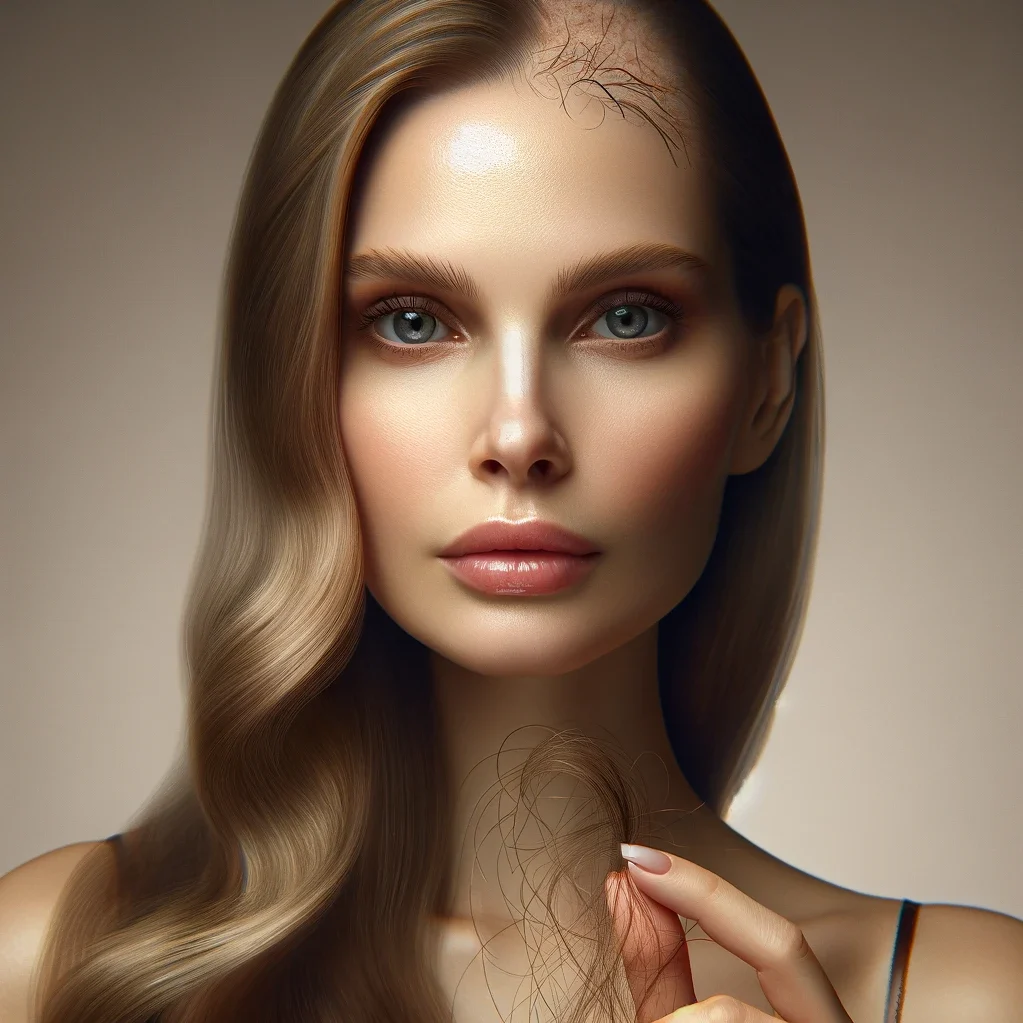
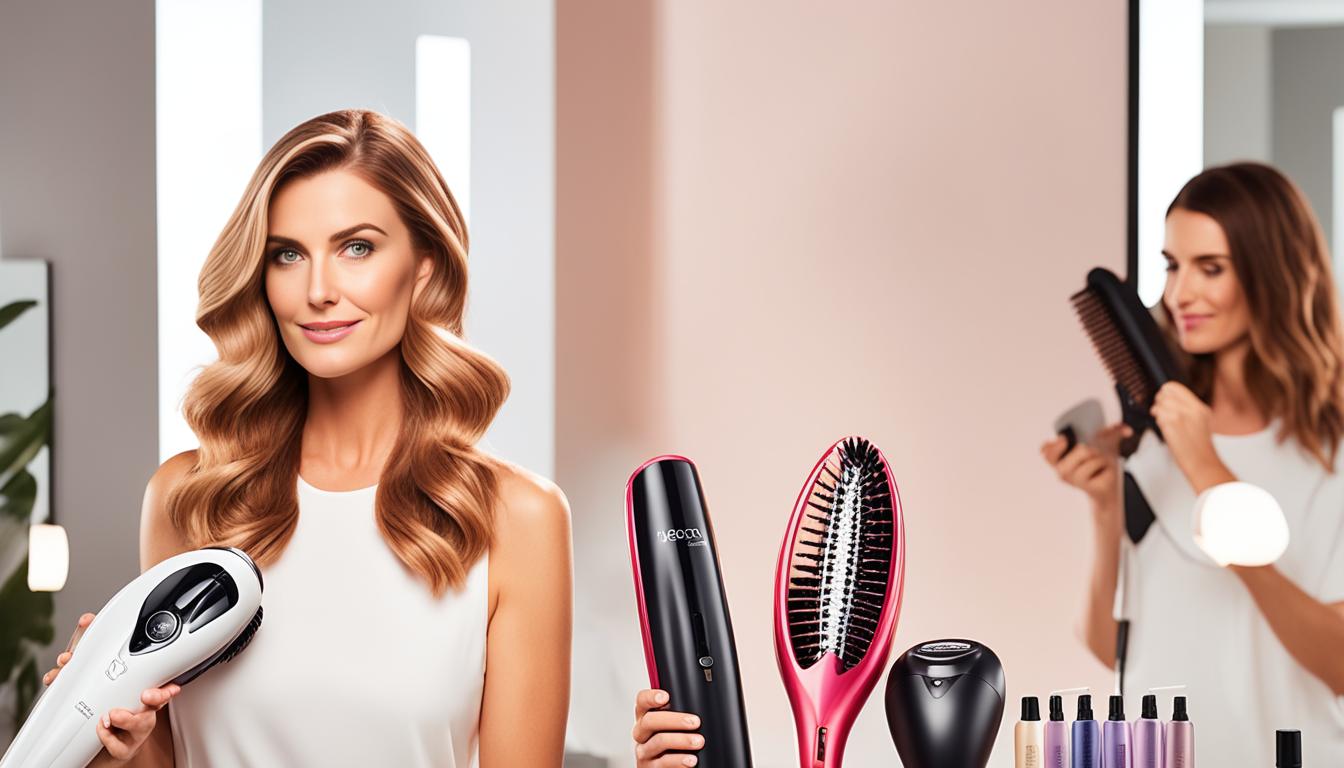
Did you know that repeated use of heat-based styling tools can cause hair loss? It’s a surprising fact that many people are not aware of. But don’t worry, there are ways to prevent and reverse heat-induced hair loss by following expert advice and taking proper care of your hair.
When you style your hair with heat-based tools like flat irons, curling irons, or hair dryers, the heat can damage the structure of your hair, making it dry and prone to breakage. This type of hair loss is not permanent and can be reversed with the right approach.
So, how can you protect your hair from heat damage and prevent hair loss? We’ve gathered expert advice and heat damage prevention tips to help you keep your hair healthy, even in hot weather. Whether you’re dealing with existing heat damage or want to avoid it altogether, these tips will guide you in the right direction.
Key Takeaways:
- Minimize the use of heat styling tools and opt for lower heat settings.
- Use heat protectant products before styling to create a barrier between your hair and heat.
- Reduce the frequency of heat styling to give your hair a break.
- Try incorporating hair masks into your routine to nourish and repair damaged hair.
- Consult with a dermatologist specializing in hair loss for personalized advice and treatment options.
Why Does Hair Loss Due to Heat Damage Occur?
Hair loss due to heat damage is a common issue that many individuals face when styling their hair with heat-based tools. The repetitive use of these tools, such as curling irons, straighteners, and blow dryers, can have detrimental effects on the health of our hair. So, why does hair loss occur as a result of heat damage?
The structure of our hair plays a crucial role in determining its strength and resilience. Each strand of hair consists of an inner core, known as the medulla, surrounded by the cortex, and protected by the outermost layer, the cuticle. When exposed to high temperatures, these layers can become damaged, leading to various issues including hair loss.
The hair shaft, which runs from the root to the tip of the hair, is particularly vulnerable to heat damage. Excessive heat exposure can cause the hair shaft to lose moisture and become dry and brittle. This lack of moisture weakens the hair, making it more prone to breakage and, ultimately, hair loss.
Additionally, the high heat from styling tools can also damage the cuticle, which acts as a protective barrier for the hair shaft. When the cuticle is compromised, it becomes harder for the hair to retain moisture, resulting in further dryness and breakage. Thus, heat damage not only affects the outer layers of the hair but also impacts its internal structure.
It is essential to understand the effects of heat damage on the hair in order to take necessary precautions and prevent hair loss. By utilizing heat protectant products, reducing the frequency of heat styling, and incorporating hydrating hair care routines, we can minimize the risk of hair loss due to heat damage.
“Hair loss due to heat damage occurs because the repeated use of heat-based styling tools causes the hair to become dry and brittle.”
While it may be tempting to achieve a particular hairstyle using heat-based tools, it’s crucial to prioritize the health of our hair. By adopting alternative styling methods that minimize heat exposure and practicing proper hair care, we can maintain the integrity of our hair and prevent hair loss.
| Damage Caused by Heat Styling | Effects on the Hair |
|---|---|
| Dry and brittle hair | Increased breakage and hair loss |
| Damaged cuticle | Loss of moisture, increased porosity, and further breakage |
| Weakened hair shaft | Decreased strength and increased vulnerability to breakage |
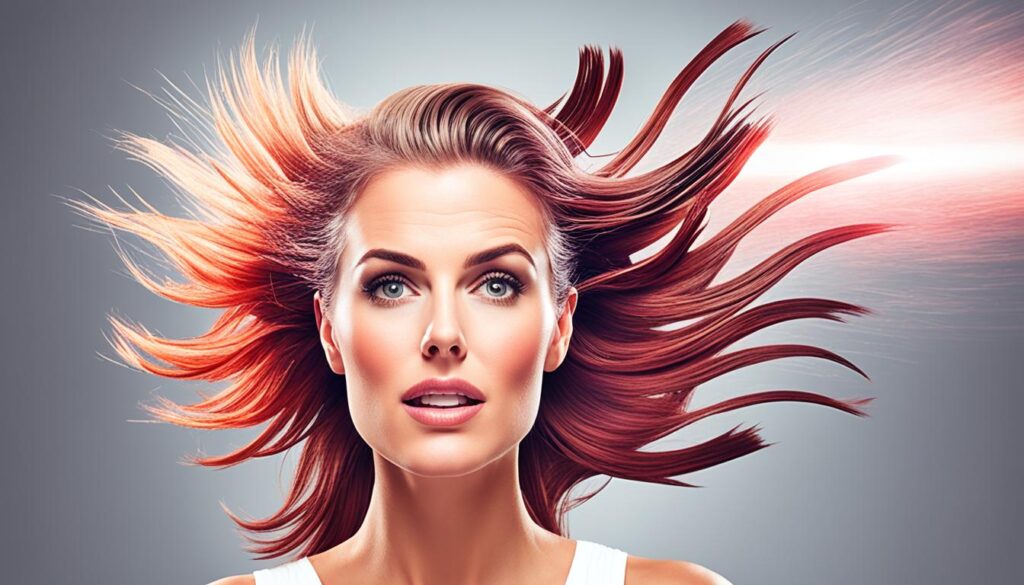
Understanding the impact of heat damage on our hair structure is vital. By taking steps to protect and nourish our hair, we can minimize hair loss due to heat damage and maintain healthy, luscious locks.
How Can I Fix Hair Loss Due to Heat Damage?
Hair loss due to heat damage is not permanent and can be fixed. The damage caused by heat styling only affects the hair itself, not the follicle that grows the hair. To fix hair loss due to heat damage, it is important to allow any split ends or frayed hair to grow out and be trimmed. If the hair is irreparable, it will eventually shed and new hair will grow in its place.
There are also methods and products available to speed up the repair process. Using conditioners with natural moisturizers can help replenish the lost moisture in the hair and prevent further damage. Damage repair oils can provide nourishment and strengthen the hair shaft, promoting healthy growth.
It’s important to note that hair will naturally repair itself over time, even without the use of these products. However, incorporating these repair methods and products into your hair care routine can expedite the healing process and help restore your hair’s health and vitality.
Here are some key steps to fix hair loss due to heat damage:
- Allow split ends and frayed hair to grow out and be trimmed regularly.
- Use conditioners with natural moisturizers to replenish lost moisture in the hair.
- Apply damage repair oils to strengthen the hair and promote healthy growth.
“Using conditioners with natural moisturizers can help replenish the lost moisture in the hair and prevent further damage.”
Are There Safer Alternatives to Styling to Avoid Hair Loss?
While heat irons are unmatched in their efficiency for styling hair, there are ways to minimize heat damage and protect against hair loss. By implementing the following practices, you can achieve stylish looks without compromising the health of your hair:
- Lower Heat Setting: Keep the heat setting on your styling tools as low as possible. Higher temperatures can cause more damage to the hair shaft and increase the risk of breakage.
- Heat Protectant Products: Apply a heat protectant spray or serum before using any heat styling tools. These products create a barrier between your hair and the heat, reducing the likelihood of damage.
- Reduce Frequency of Heat Styling: Try to limit the use of heat styling tools to special occasions or important events. Embrace your natural hair texture and opt for heatless styling techniques whenever possible.
- Consider Hairstyles with Less Heat Styling: Explore hairstyles that don’t require excessive heat styling, such as braids, updos, or natural hairstyles. This can significantly minimize heat exposure and protect your hair from damage.
- Utilize Hair Masks: Incorporate regular hair mask treatments into your hair care routine. Apply a nourishing hair mask 1-2 times a week and leave it in overnight to deeply hydrate and restore your hair’s health and vitality.
- Avoid Excessive Heat Exposure: Apart from styling tools, be mindful of other sources of heat, such as hot water, direct sunlight, or hairdryers. Minimizing overall heat exposure is crucial in preventing heat-induced hair loss.
By following these safer alternatives to heat styling, you can minimize the risk of heat damage and promote the overall health of your hair. While the natural repair process of hair can take time, adopting these practices will accelerate the recovery and restoration of your hair’s strength and shine.
Remember, healthy hair is beautiful hair, and prioritizing its care and protection is key to maintaining your vibrant and luscious locks.
Tips from an Expert: Preventing Hair Loss in Black Women
Black women are particularly prone to a type of hair loss called traction alopecia, which is caused by heat, chemicals, and tight hairstyles that pull at the hair root, such as braids, dreadlocks, extensions, and weaves. To prevent traction alopecia and further damage, it is important to ask the stylist to create looser braids or dreadlocks and to remove braids after three months or weaves and extensions after eight weeks. Relaxing or dyeing the hair should be done by a professional, and if breakage or shedding is still noticeable, it is best to avoid chemical treatments altogether. Minimizing or avoiding heat styling, including hair dryers, flat irons, and curling irons, can also help prevent hair loss in black women.
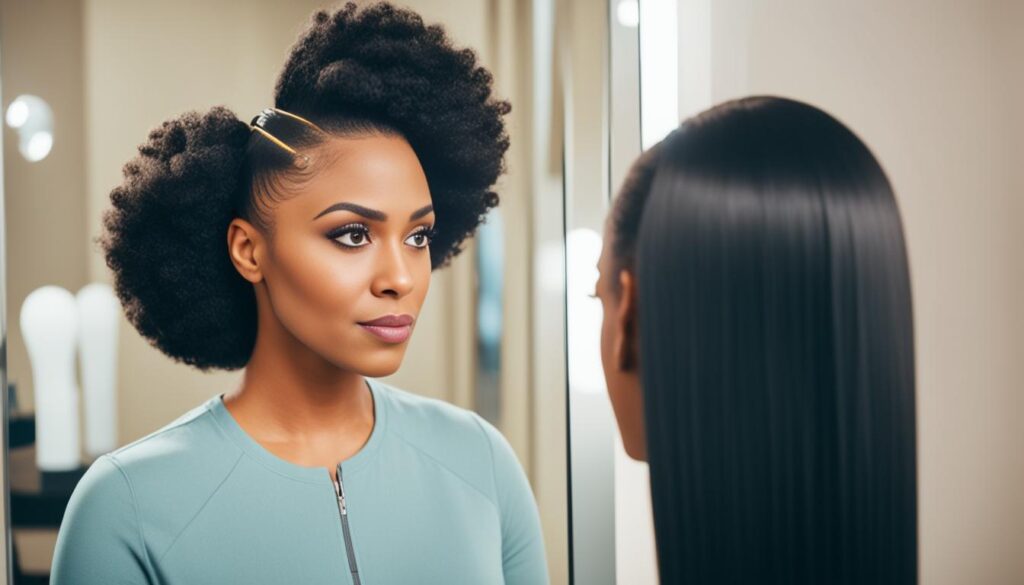
Protective hairstyles can help prevent hair breakage and minimize the risk of traction alopecia. Here are some examples:
| Protective Hairstyle | Description |
|---|---|
| Braids | Braiding the hair in a loose and gentle manner can reduce tension on the hair follicles. |
| Twists | Twisting the hair instead of braiding can provide a similar protective effect with less tension. |
| Bantu Knots | Creating small knots all over the head can protect the hair while adding a stylish look. |
| Wigs and Extensions | Using wigs or extensions can provide a protective barrier and allow for easy styling without direct manipulation of the natural hair. |
It is important to keep in mind that while these hairstyles can help protect the hair, they should not be worn continuously. Giving the hair regular breaks from styling and allowing it to breathe and recover is crucial for maintaining its health.
“Preventing hair loss in black women requires a combination of protective hairstyles, proper hair care, and avoiding excessive heat and tension on the hair follicles.” – Dr. Michelle Johnson, Dermatologist
By following these tips and incorporating gentle hair care practices into your routine, you can help prevent hair loss and maintain the health and beauty of your hair.
Tips for Maintaining Healthy Hair: Diet, Supplements, and Hair Care
Eating a balanced diet and adopting a proper hair care routine are crucial for maintaining healthy hair. Certain foods and supplements can promote hair growth and improve its overall health. Alongside this, implementing effective hair care practices can ensure that your hair stays strong and vibrant. Here are some tips to help you maintain healthy hair:
Incorporate the Mediterranean Diet
The Mediterranean diet, characterized by its emphasis on consuming fresh vegetables, fruits, whole grains, and lean proteins, has been shown to reduce the risk of androgenic alopecia (male and female pattern baldness) or slow down its onset. This diet is rich in nutrients that are beneficial for hair health.
Ensure Adequate Protein Intake
Protein is a vital component for hair growth. Including protein sources such as eggs, nuts, beans, fish, and chicken in your diet can help prevent hair loss and promote healthy hair growth.
Consume Foods Rich in Vitamin A
Vitamin A is essential for healthy hair growth. Incorporating foods like sweet potatoes and spinach, which are high in vitamin A, can support the growth and maintenance of strong and healthy hair.
Consider Multivitamins for Hair Growth
Taking multivitamins that include vitamins A, B, C, and D, as well as iron, selenium, and zinc, can provide your body with the necessary nutrients to promote hair growth and retention.
Practice Regular Hair Washing
Regular washing with a mild shampoo is important to keep the scalp clean and healthy. This helps to prevent the accumulation of dirt, oil, and product residue that can clog hair follicles and hinder hair growth.
Protect and Nourish with Coconut Oil and Olive Oil
Using natural oils like coconut oil and olive oil can provide protection to your hair and scalp. These oils help to lock in moisture, prevent damage, and promote better blood flow to the scalp, aiding in hair growth.
Avoid Excessive Heat Styling and Chemical Treatments
Excessive heat styling and chemical treatments can cause damage and weaken the hair. Minimizing the use of heat-based styling tools and avoiding harsh chemical treatments can help maintain the health and strength of your hair.
By following these tips and adopting a healthy lifestyle, you can maintain strong and lustrous hair. Remember, a combination of a nutritious diet, proper hair care routine, and avoidance of damaging practices is essential for healthy hair maintenance.
Conclusion
Preventing heat-induced hair loss is crucial for maintaining a healthy head of hair. Proper hair care practices, such as minimizing the use of heat styling tools and implementing protective measures like heat protectant products, are essential in preventing heat damage. Understanding the structure of the hair and the damaging effects of heat is key to taking appropriate measures to prevent hair loss.
Seeking expert advice is highly recommended for personalized guidance and treatment options. Consulting with a dermatologist specializing in hair loss can provide valuable insights and help identify any underlying issues contributing to hair loss. They can recommend suitable products, treatments, and lifestyle changes to address heat-induced hair loss effectively.
By following expert advice and adopting good hair care habits, you can prevent heat-induced hair loss and maintain healthy locks even in hot weather. Remember to be mindful of your hair’s exposure to heat, opt for protective hairstyles, and incorporate nourishing products into your hair care routine. Prioritizing the health and well-being of your hair will help you achieve and maintain strong, luscious locks.
FAQ
What causes hair loss due to heat damage?
Hair loss due to heat damage occurs when the hair becomes dry and brittle from repeated use of heat-based styling tools. The structure of the hair, including its inner core and outer coating, becomes damaged, leading to decreased moisture and increased fragility. This damage makes the hair more susceptible to breakage, eventually resulting in hair loss if not properly cared for.
Can hair loss due to heat damage be fixed?
Yes, hair loss due to heat damage is not permanent and can be reversed. It is important to allow any split ends or frayed hair to grow out and be trimmed. There are also methods and products available, such as conditioners with natural moisturizers and damage repair oils, that can help speed up the repair process. Additionally, the hair will naturally repair itself over time, even without the use of these products.
Are there safer alternatives to styling to avoid hair loss?
While there are no alternative devices as effective as heat irons for styling hair, there are ways to minimize the risk of hair damage. These include using lower heat settings, using heat protectant products, reducing the frequency of heat styling, and considering hairstyles that require less heat styling. Hair masks can also be incorporated into the hair care routine to help repair and protect the hair.
How can hair loss be prevented in black women?
Black women are particularly prone to a type of hair loss called traction alopecia. To prevent this and further damage, it is important to ask stylists to create looser braids or dreadlocks and to remove braids after three months or weaves and extensions after eight weeks. Relaxing or dyeing the hair should be done by a professional, and it is best to avoid chemical treatments if breakage or shedding is still noticeable. Minimizing or avoiding heat styling can also help prevent hair loss in black women.
Can diet and supplements help prevent hair loss?
Yes, a healthy diet and supplements can support hair growth and prevent hair loss. The Mediterranean diet, which includes raw vegetables and fresh herbs, has been shown to reduce the risk of androgenic alopecia. Protein-rich foods like eggs, nuts, beans, fish, and chicken are important for hair growth. Vitamin A, found in foods like sweet potatoes and spinach, supports healthy hair growth. Taking multivitamins that include vitamins A, B, C, and D, as well as iron, selenium, and zinc, can also promote hair growth and retention. Regular washing with mild shampoo helps keep the scalp healthy, and using coconut oil and olive oil can protect the hair from damage and promote better blood flow to the scalp.