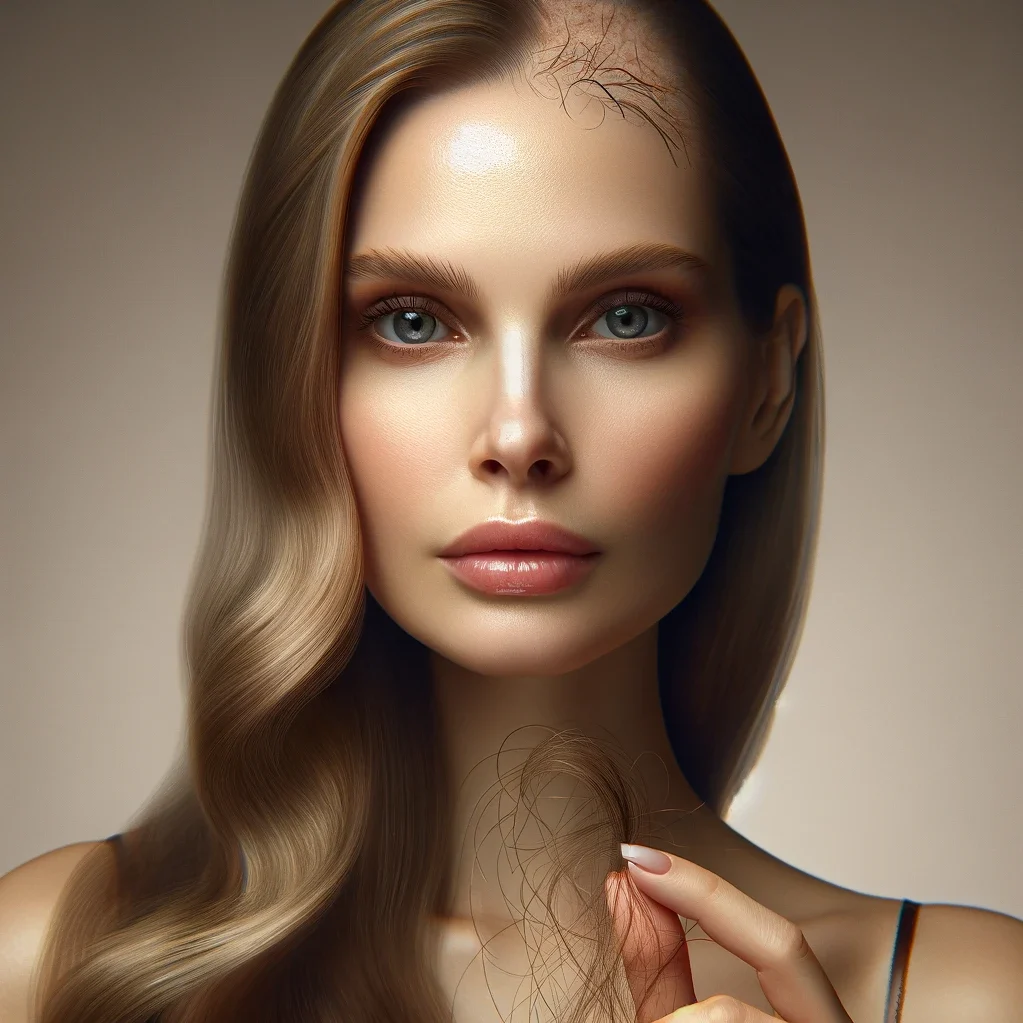
Did you know that regular heat styling can cause significant damage to your hair, resulting in decreased hair density over time? Heat from blow dryers, curling irons, and flat irons can weaken the hair shaft, leading to breakage and thinning. But don’t worry, we’ve got you covered with essential tips on how to protect your hair density from heat damage. By following these expert recommendations, you can enjoy beautiful, healthy hair without sacrificing your favorite styling tools.
Key Takeaways:
- Minimize the use of hot tools and opt for lower heat settings
- Always apply a heat protectant product before using styling tools
- Regular trims help manage split ends and prevent further damage
- Switch to moisturizing or damage-repairing hair care products
- Air drying your hair whenever possible can reduce heat exposure
Hair Care Professional Consultation
Seeking a consultation with a hair care professional is a crucial step in preventing hair damage from styling tools and maintaining hair density. By consulting with an expert in the field, you can receive personalized advice on how to protect your hair from heat and minimize the risk of damage. A professional stylist will assess the condition of your hair, taking into consideration factors such as density, texture, and elasticity. These assessments are essential in understanding your hair’s ability to withstand heat styling.
During the consultation, the stylist may recommend specific treatments or products that are best suited to your hair type and condition. Deep conditioning is an effective technique recommended by professionals to strengthen and moisturize the hair before heat styling. By using a balanced deep conditioner that contains moisturizing ingredients and protein, you can improve your hair’s elasticity and ensure the closure of the hair cuticle, resulting in a sleeker appearance.
In addition to deep conditioning, using a heat protectant product is essential in safeguarding your hair from the extreme temperatures that come with heat styling tools. These products create a barrier between your hair and the heat, minimizing the potential damage. It is important to choose a heat protectant product that suits your hair type and provides adequate protection.
Benefits of Hair Care Professional Consultation:
- Personalized advice on minimizing heat damage
- Assessment of hair density, texture, and elasticity
- Recommendations for suitable products and treatments
- Deep conditioning to strengthen and moisturize the hair
- Using a heat protectant product to shield the hair from extreme temperatures
By consulting with a hair care professional, you can ensure that you are taking the necessary steps to protect your hair density from heat damage. Their expertise and guidance will help you maintain healthy and beautiful hair even with regular heat styling.
Minimizing Mechanical Damage
When it comes to preventing hair damage from styling tools, it’s not just the heat that we need to be mindful of. Mechanical damage, caused by everyday wear and tear, can also take a toll on our hair’s health. Harsh brushing, tight hairstyles, and exposure to environmental elements can all contribute to this type of damage.
To repair damaged hair caused by mechanical damage, it’s important to address the primary issue: split ends and broken strands. Regular trims are essential in managing and removing these damaged areas, allowing for healthier hair growth.
However, managing the appearance of damage is also crucial. There are products available that can help minimize the signs of mechanical damage, such as nourishing water or beach wave sprays. These products work by providing hydration and protection to the hair, making it appear smoother and healthier.
Preventing further damage is another important aspect of hair care. Wet hair is particularly vulnerable to breakage, so it’s vital to handle it with care. Instead of using a regular brush or comb, opt for a wide-tooth comb or a wet brush designed specifically for detangling wet hair.
Another helpful technique is to air dry the hair as much as possible before styling. Excessive heat exposure can exacerbate the effects of mechanical damage, so allowing the hair to dry naturally is a great way to minimize the impact.
When it comes to brushing the hair, choosing the right tools is key. Brushes with boar bristles or a mix of plastic and boar’s hair bristles are gentle on the hair and reduce friction, thereby minimizing damage.
Finally, protecting the hair while sleeping can also contribute to preventing further damage. Using satin or silk pillowcases, scarves, or bonnets can help to minimize tangling and matting, resulting in healthier hair in the long run.
| Techniques to minimize mechanical damage | Benefits |
|---|---|
| Regular trims | – Manages and removes split ends – Promotes healthier hair growth |
| Nourishing water or beach wave sprays | – Minimizes the appearance of damage – Provides hydration and protection |
| Wide-tooth comb or wet brush | – Gentle detangling of wet hair – Reduces breakage |
| Air drying before styling | – Minimizes heat exposure – Reduces the impact of mechanical damage |
| Brushes with boar bristles or plastic and boar’s hair bristles | – Gentle on the hair – Minimizes friction and damage |
| Using satin or silk pillowcases, scarves, or bonnets while sleeping | – Prevents tangling and matting – Minimizes damage during sleep |
By following these techniques and incorporating them into your hair care routine, you can minimize the mechanical damage your hair experiences and prevent further harm.
Understanding Chemical Damage
Chemical damage to the hair can occur as a result of frequent or harsh chemical processing, such as hair coloring or retexturizing treatments. These processes can lead to the deterioration of the hair cuticles, resulting in moisture loss, loss of elasticity, and breakage. It is important to understand the causes of chemical damage and how to repair and prevent further damage.
The Effects of Chemical Damage
Chemical damage weakens the hair structure, making it more susceptible to breakage and other forms of damage. When the cuticles are damaged, the hair becomes porous and loses its ability to retain moisture. This leads to dry, brittle hair that is prone to breakage and frizz. Chemical damage can also affect the hair’s elasticity, causing it to lose its natural bounce and become more difficult to style.
Repairing Damaged Hair
Repairing damaged hair caused by chemical processes is a gradual process that requires patience and consistency. While bond-building hair products can help improve the quality of slightly damaged hair by rebuilding the amino acid bonds in the hair, it is important to note that split ends and severe damage cannot be fully restored and may require regular trims.
Using hair care products that are free of harsh sulfates is crucial in repairing damaged hair. Harsh sulfates can further strip the hair of its natural oils and exacerbate the damage. Opting for sulfate-free shampoos and conditioners can help restore moisture and protect the hair from further damage.
Additionally, maintaining a proper hair care routine is essential in repairing and preventing chemical damage. This includes using hydrating and nourishing hair masks or treatments regularly to replenish moisture and strengthen the hair. It is also important to avoid over-processing the hair and to give it time to recover between chemical treatments.
Preventing Further Damage
Preventing further damage to chemically damaged hair is crucial for maintaining its health and integrity. Regular trims are necessary to remove split ends and prevent them from spreading further up the hair shaft. Trimming the hair every 6-8 weeks can help reduce the risk of further damage and allow for healthier hair growth.
In addition to regular trims, it is important to protect chemically damaged hair from excessive heat and styling. Using heat protectant sprays or serums before using styling tools can help minimize the damage caused by heat. Opting for low-heat settings and avoiding excessive heat exposure can also help prevent further damage.
Finally, incorporating nourishing and hydrating products into your hair care routine is essential in maintaining the health of chemically damaged hair. Using moisturizing shampoos and conditioners, as well as leave-in treatments, can help restore moisture and strengthen the hair, reducing the risk of further damage.
Conclusion
Protecting hair density from heat damage is crucial for maintaining healthy and strong hair. By following the best practices outlined above, you can minimize the risk of heat-related damage and keep your hair in excellent condition.
To start, it’s important to reduce the use of hot tools and opt for lower heat settings whenever possible. Applying a heat protectant product before styling can provide an additional layer of defense against heat damage.
Regular trims are essential for managing split ends and removing the most damaged parts of the hair. Additionally, using moisturizing or damage-repairing shampoos and conditioners, along with hydrating products like oils and leave-in conditioners, can keep your hair strong and hydrated.
Seeking a consultation with a hair care professional can provide personalized advice and recommendations based on the specific needs of your hair. They can assess the condition of your hair and help you develop a customized plan to protect your hair density from heat damage.
Lastly, it’s important to be mindful of mechanical damage caused by harsh brushing and tying tight hairstyles, as well as chemical damage resulting from frequent or harsh chemical processing. By taking these precautions and following the best practices discussed, you can effectively protect your hair from heat damage and enjoy healthy, strong, and beautiful hair.
FAQ
How can I protect my hair density from heat damage?
To protect your hair density from heat damage, minimize the use of hot tools and use them on lower heat settings (between 200°F to 300°F). Apply a heat protectant product before styling and consider getting regular trims to manage split ends.
Why is it important to use a heat protectant when styling hair?
Using a heat protectant product is essential to prevent extreme heat temperatures from damaging your hair. It creates a barrier between your hair and the heat source, reducing the risk of damage and preserving your hair density.
How can a hair care professional consultation help protect my hair density from heat damage?
Seeking a consultation with a hair care professional allows them to assess the condition of your hair, including density, texture, and elasticity. They can provide personalized advice on minimizing heat damage, recommend suitable products, and suggest treatments to keep your hair strong and healthy.
What can I do to minimize mechanical damage to my hair?
To minimize mechanical damage, avoid harsh brushing and tying tight hairstyles. Use a wide-tooth comb or wet brush to handle wet hair with care. Consider air drying your hair as much as possible before styling, and use brushes with boar bristles or a mix of plastic and boar’s hair bristles.
How does chemical damage affect hair density, and what can I do to repair it?
Chemical damage from frequent or harsh chemical processing can lead to the deterioration of the hair cuticles, causing moisture loss, loss of elasticity, and breakage. To repair slightly damaged hair, consider using bond-building hair products that rebuild amino acid bonds. Severely damaged hair may require regular trims to remove split ends, and it’s important to use hair care products free of harsh sulfates.
What are the best practices for protecting hair from heat damage?
The best practices for protecting hair from heat damage include minimizing heat tool use, prioritizing lower heat settings and heat protectant products, getting regular trims, using moisturizing or damage-repairing shampoos and conditioners, and seeking guidance from a hair care professional. Also, being mindful of mechanical damage and chemical damage and taking necessary steps to prevent further damage are important.
2 thoughts on “Protect Hair Density from Heat Damage Tips”