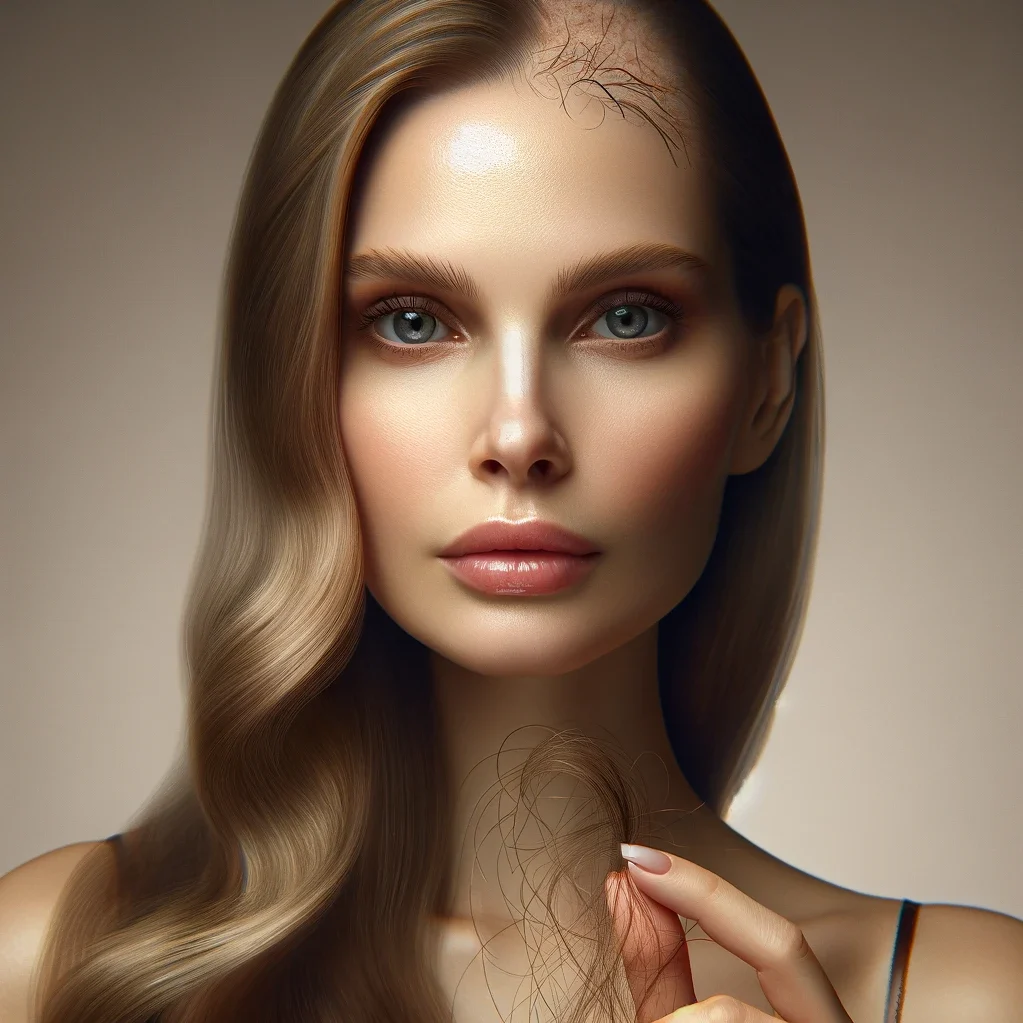
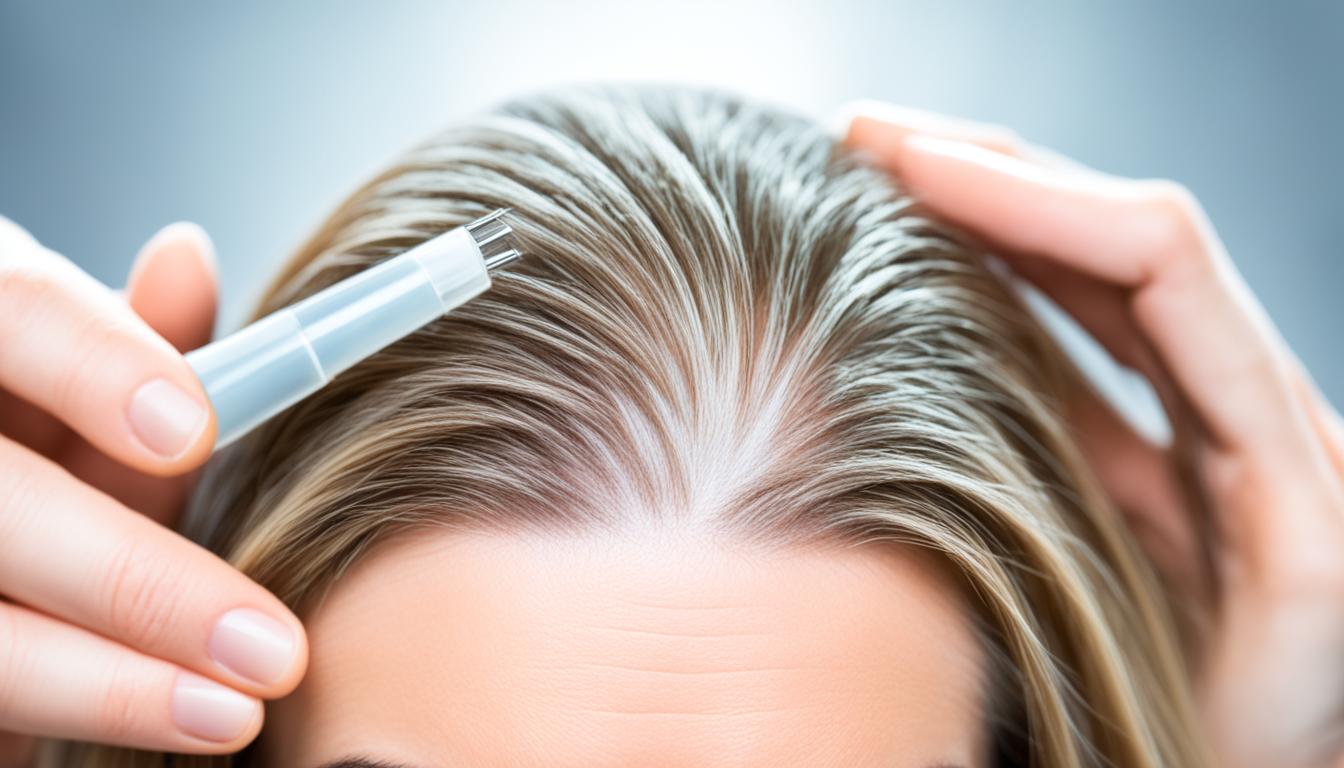
Female pattern hair loss, also known as androgenetic alopecia, is the most common type of hair loss in women. It is characterized by thinning of hair on the top and crown of the scalp, with a widening through the center hair part. The front hairline typically remains unaffected. This condition is believed to be influenced by aging, hormonal changes, a family history of baldness, heavy menstrual bleeding, and certain medications.
Diagnosing female pattern hair loss involves ruling out other causes and identifying the characteristic pattern of hair thinning. A dermatologist will examine the scalp and may use a dermoscope or microscope to check for abnormalities. Treatment options include FDA-approved medications like minoxidil, medication like spironolactone, and hair transplants for those who do not respond well to medical treatments.
In this article, we will explore the details of female pattern hair loss, its diagnosis, and the available treatment options. We will also discuss emerging treatments on the horizon. By understanding the causes and solutions for female hereditary hair loss, women can make informed decisions about managing their condition.
Key Takeaways:
- Female pattern hair loss is the most common type of hair loss in women.
- It is characterized by thinning of hair on the top and crown of the scalp.
- Diagnosis involves ruling out other causes and examining the scalp.
- Treatment options include FDA-approved medications, medication like spironolactone, and hair transplants.
- Emerging treatments such as laser therapy and platelet-rich plasma therapy show promise.
Female Pattern Hair Loss in Detail
Female pattern hair loss (FPHL) is the most common cause of hair loss in women, affecting nearly half of all women at some point in their lives. FPHL is characterized by a reduction in hair density over the crown and frontal scalp, with retention of the frontal hairline. It typically begins in midlife, but can start earlier for some women. FPHL is a progressive condition, with hair loss continuing over time.
The exact cause of FPHL is hereditary, with genetics playing a significant role. Hormonal changes may also contribute to the development of FPHL, especially after menopause. The histology of FPHL is similar to male androgenetic alopecia, with miniturization of hair follicles and an increase in hair follicles in the shedding phase.
Treatment options for FPHL include minoxidil, spironolactone, and other prescription medications. Results may take months to become evident, and treatment needs to be continued to maintain the effect.
| Treatment Option | Description |
|---|---|
| Minoxidil | A topical medication applied to the scalp that can help slow down or stop hair loss and stimulate hair regrowth. |
| Spironolactone | An oral medication that can help restore hair growth and prevent further hair loss by blocking androgen receptors. |
| Prescription Medications | Other medications like finasteride, flutamide, or dutasteride may be prescribed in some cases to slow down hair loss and promote regrowth. |
It’s important to note that the effectiveness of these treatments may vary from person to person, and results may take time. Consulting with a dermatologist who specializes in hair loss can help determine the most suitable treatment plan for individual needs.
“Female pattern hair loss is a common condition that can affect women of all ages. Understanding its causes and available treatment options is crucial in managing this condition and preserving hair density.” – Dr. Amanda Johnson, Dermatologist
Diagnosing Female Pattern Hair Loss
Diagnosing female pattern hair loss (FPHL) is crucial in determining the most appropriate treatment options. As experts in the field, dermatologists play a key role in the diagnosis and treatment of hair loss in women.
When diagnosing FPHL, it is essential to rule out other possible causes of hair loss. Several conditions can mimic the characteristic pattern of FPHL, such as telogen effluvium, alopecia areata, and thyroid disorders. By eliminating these potential causes, dermatologists can focus on identifying the unique characteristics of FPHL.
The typical pattern of FPHL involves a progressive thinning of hair on the top and crown of the scalp, while the frontal hairline remains relatively unaffected. This pattern is often accompanied by a widening part, which can be one of the early signs of FPHL.
To confirm the diagnosis, dermatologists employ various diagnostic techniques. These may include:
- Scalp Examination: A thorough examination of the scalp helps dermatologists assess the distribution and severity of hair loss. It also allows them to identify any specific features that may be indicative of FPHL.
- Dermoscopy or Microscopy: Dermoscopy or microscopy involves using specialized instruments to examine the hair shaft and scalp at a microscopic level. This can help identify any structural abnormalities in the hair follicles that are characteristic of FPHL.
- Scalp Biopsy: In some cases, a scalp biopsy may be performed to analyze the hair follicles and confirm the diagnosis of FPHL. This procedure involves the removal of a small tissue sample for further examination under a microscope.
- Medical History and Blood Tests: A comprehensive medical history, including information about underlying medical conditions and medication use, can provide valuable insights into the possible causes of hair loss. Blood tests may also be conducted to check for hormonal imbalances or other contributing factors.
Gaining an accurate diagnosis is essential to ensure that the most suitable treatment options are pursued. With a confirmed diagnosis of FPHL, dermatologists can tailor a treatment plan based on each individual’s unique needs and circumstances.
| Diagnostic Techniques | Description |
|---|---|
| Scalp Examination | A thorough visual examination of the scalp to assess hair loss patterns and severity. |
| Dermoscopy or Microscopy | Use of specialized instruments to examine the hair shaft and scalp at a microscopic level, aiding in the identification of structural abnormalities. |
| Scalp Biopsy | Removal of a small tissue sample from the scalp for further microscopic examination. |
| Medical History and Blood Tests | A comprehensive evaluation of the patient’s medical history and blood tests to identify any underlying factors contributing to hair loss. |
Reaching an accurate diagnosis is the first step toward effective treatment. With the assistance of a dermatologist, individuals experiencing female pattern hair loss can receive the appropriate care and guidance needed to address their specific concerns.
Treatment Options for Female Pattern Hair Loss
Treatment options for female pattern hair loss focus on preventing further hair loss and promoting regrowth. There are various approaches available, including medication, surgical intervention, and non-pharmacological methods. The choice of treatment depends on the individual’s needs and preferences, as well as the severity of the condition.
Medications
Medication plays a crucial role in managing female pattern hair loss. The primary FDA-approved medication for this condition is minoxidil. It is available in 2% or 5% formulations and is applied topically to the scalp. Minoxidil needs to be used consistently to maintain its effects. It helps slow down or stop hair loss, and in about 1 in 4 or 5 women, it may also promote hair regrowth. Another commonly used medication for female pattern hair loss is spironolactone. Initially developed as a diuretic, spironolactone has also been found to have anti-androgenic properties, which can help restore hair growth and prevent further hair loss. In some cases, prescription medications like finasteride, flutamide, or dutasteride may be prescribed by healthcare professionals to address specific hormonal imbalances associated with female pattern hair loss.
Surgical Intervention: Hair Transplant
Hair transplant is an option for women who do not respond well to medical treatments or have significant cosmetic concerns. This surgical procedure involves taking healthy hair follicles from areas of the scalp with thicker hair and transplanting them into areas of thinning or baldness. It is a meticulous process that requires expertise and precision. Hair transplant can provide long-lasting and natural-looking results, improving the overall density and appearance of the hair. However, it is essential to consult with a qualified surgeon to determine candidacy and discuss expectations and potential risks or complications.
Non-Pharmacological Methods
In addition to medications and surgical interventions, there are non-pharmacological methods that can help manage female pattern hair loss. These include:
- Hair weaving: The integration of artificial or natural hair into existing hair to create a fuller appearance.
- Hairpieces: Customized hair systems or wigs designed to match an individual’s natural hair.
- Changes in hairstyle: Opting for hairstyles that strategically conceal areas of hair thinning or baldness.
Exploring these non-pharmacological options with a skilled hairstylist or trichologist can provide valuable insights and solutions that suit an individual’s preferences and lifestyle.

| Treatment Option | Description |
|---|---|
| Minoxidil | An FDA-approved topical medication available in 2% or 5% formulations. Slows down or stops hair loss and may promote hair regrowth. |
| Spironolactone | A diuretic with anti-androgenic properties. Helps restore hair growth and prevent further hair loss. |
| Hair Transplant | A surgical procedure that involves transplanting healthy hair follicles from thicker areas to areas of thinning or baldness. |
| Hair Weaving | The integration of artificial or natural hair into existing hair to create a fuller appearance. |
| Hairpieces | Customized hair systems or wigs designed to match an individual’s natural hair. |
| Changes in Hairstyle | Opting for hairstyles that strategically conceal areas of hair thinning or baldness. |
Emerging Treatments for Female Pattern Hair Loss
Researchers are continuously exploring new treatment options for female pattern hair loss. As our understanding of this condition evolves, innovative therapies are being developed to address the specific needs of women experiencing hair loss. These emerging treatments offer hope for those seeking effective solutions beyond traditional approaches.
Laser Therapy for Hair Loss
One of the emerging treatments for female pattern hair loss is laser therapy. This non-invasive procedure uses low-level laser light to stimulate hair follicles and promote hair growth. By increasing blood flow to the scalp, laser therapy nourishes the hair follicles and encourages the production of healthier, thicker hair. Studies have shown promising results, with many women experiencing noticeable improvements in hair quality and density.

Platelet-Rich Plasma Therapy
Another emerging treatment for female pattern hair loss is platelet-rich plasma (PRP) therapy. This procedure involves extracting platelets from the patient’s own blood and injecting them into the scalp. The platelets contain growth factors that help stimulate hair follicles and promote hair regrowth. PRP therapy has shown promising results in improving hair density and overall hair health. It is a safe and effective option that harnesses the body’s natural healing abilities to combat hair loss.
Stem Cell Therapy
Stem cell therapy is also being studied as a potential treatment for female pattern hair loss. This innovative approach involves using stem cells to regenerate and rejuvenate damaged hair follicles. By introducing healthy stem cells into the scalp, researchers hope to stimulate the growth of new hair and reverse the effects of hair loss. While still in the experimental phase, stem cell therapy holds great promise for the future of treating female pattern hair loss.
Hair Loss Shampoos
In addition to these advanced treatments, there are also hair loss shampoos available that can complement traditional treatment methods. These shampoos are specially formulated to promote scalp health, nourish the hair follicles, and minimize hair loss. Some shampoos contain ingredients like biotin, caffeine, or ketoconazole that have been shown to have a positive effect on hair growth. While they may not provide significant regrowth on their own, they can be used as part of a comprehensive approach to managing female pattern hair loss.
As these emerging treatments continue to be explored, it’s important to consult with a dermatologist specializing in hair loss to determine the most suitable and effective options for individual cases. Every woman’s experience with hair loss is unique, and personalized treatment plans are crucial in achieving optimal results.
Conclusion
Female pattern hair loss can be distressing, but rest assured, there are effective solutions available to manage and treat it. When it comes to addressing your hair loss concerns, it’s crucial to seek proper diagnosis and treatment from a dermatologist who specializes in hair loss. Early intervention is key in preventing further hair loss and achieving optimal results.
There are various options for treating female pattern hair loss. FDA-approved medications like minoxidil and spironolactone have been shown to be effective in managing this condition. Additionally, prescription medications, such as finasteride and dutasteride, may be recommended based on individual circumstances.
For those who are seeking more permanent solutions, hair transplantation is available. This procedure involves transferring healthy hair follicles from areas with thicker hair to thinning or bald areas. Non-pharmacological options like hair weaving or changes in hairstyle can also help improve the appearance of hair loss.
It’s worth noting that emerging treatments like laser therapy and platelet-rich plasma therapy hold promise but require further research to determine their safety and effectiveness. Managing female pattern hair loss involves ongoing treatment and maintenance to preserve hair density and promote regrowth. By working closely with a dermatologist, women with FPHL can find a comprehensive solution that suits their needs and helps them regain their confidence.
FAQ
What is female pattern hair loss?
Female pattern hair loss (FPHL) is the most common cause of hair loss in women. It is characterized by a reduction in hair density over the crown and frontal scalp, with retention of the frontal hairline.
What causes female pattern hair loss?
The exact cause of FPHL is hereditary, with genetics playing a significant role. Hormonal changes may also contribute to its development, especially after menopause.
How is female pattern hair loss diagnosed?
Diagnosis involves ruling out other possible causes of hair loss and identifying the characteristic pattern of hair thinning. A dermatologist may examine the scalp, perform a scalp biopsy, or order blood tests to diagnose or exclude other disorders.
What are the treatment options for female pattern hair loss?
Treatment options include FDA-approved medications like minoxidil and spironolactone, as well as other prescription medications. Hair transplant is another option for those who do not respond well to medical treatments. Non-pharmacological options like hair weaving or changes in hairstyle can also be considered.
Are there any emerging treatments for female pattern hair loss?
Yes, some emerging treatments for FPHL include laser therapy, platelet-rich plasma therapy, and stem cell therapy. However, more research is needed to determine their safety and effectiveness.
How can female pattern hair loss be managed?
Managing FPHL involves ongoing treatment and maintenance to prevent further hair loss and promote regrowth. Working with a dermatologist specialized in hair loss is crucial to finding a suitable solution.