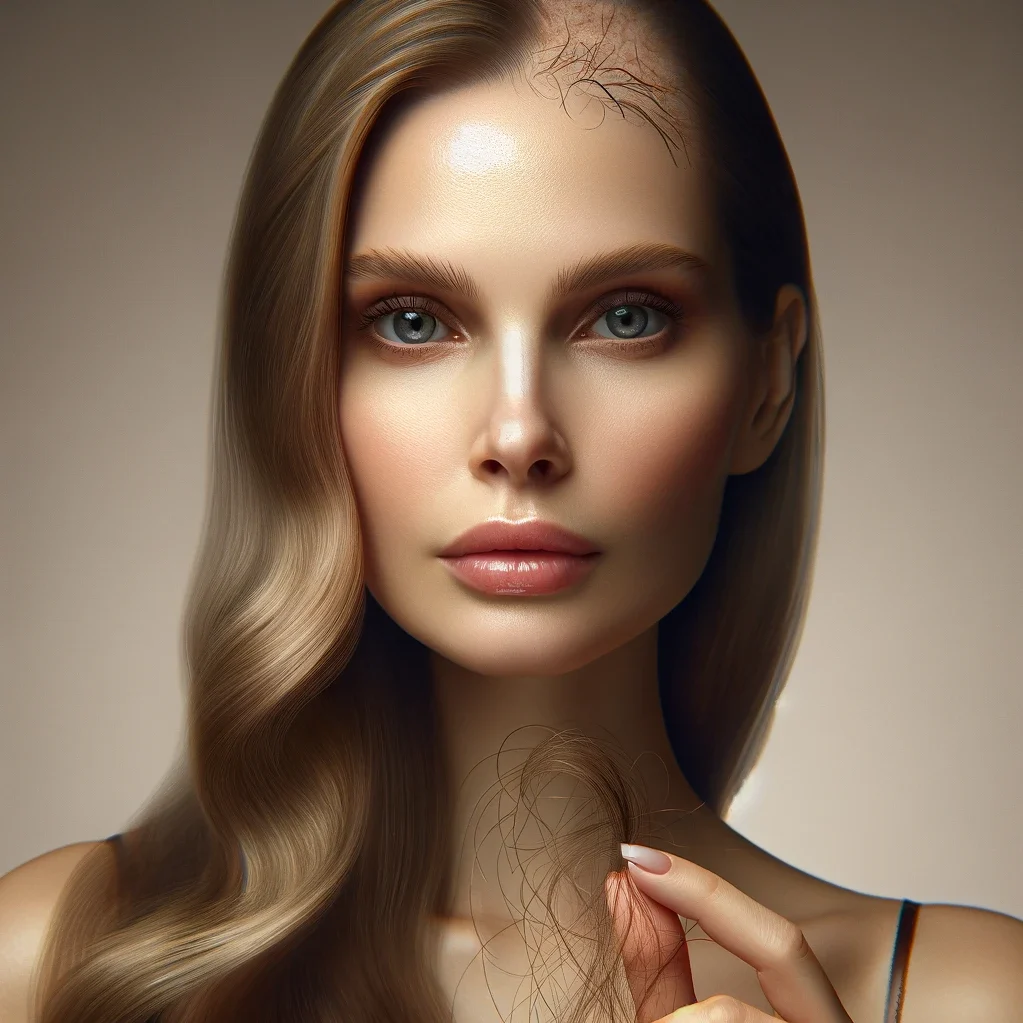
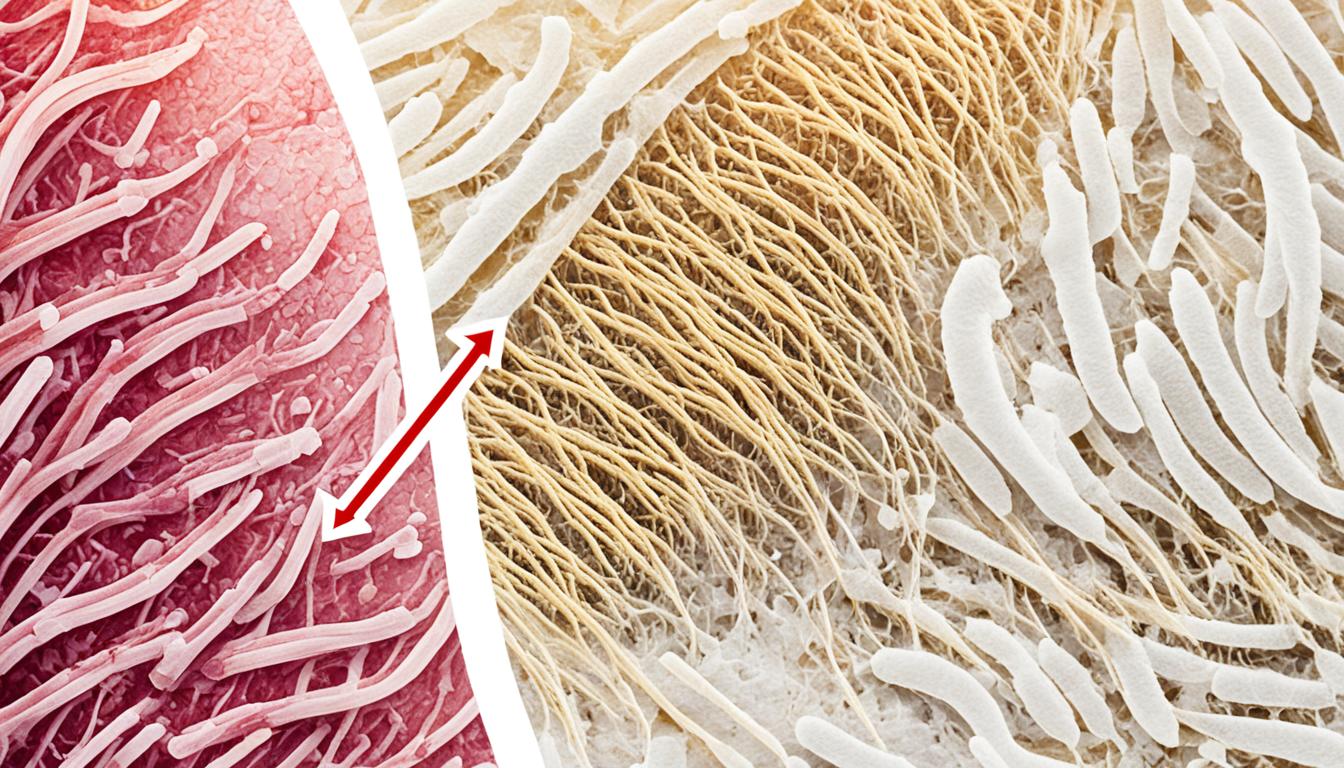
Female pattern hair loss (FPHL) is a common concern among women, with the potential to impact self-confidence and overall well-being. Let’s delve into the causes, symptoms, and treatment options for FPHL, as well as some key takeaways to help you navigate this condition with confidence.
Key Takeaways:
- FPHL is the most prevalent form of hair loss in women and can start as early as midlife.
- Main symptoms include a widening part and overall thinning of the hair.
- Genetic predisposition and hormonal changes play key roles in FPHL development.
- Early intervention is crucial for successful treatment and prevention of further hair loss.
- Effective treatment options include minoxidil, prescription medications, and hair transplants.
Causes of FPHL Hair Loss
Female pattern hair loss (FPHL) is a complex condition with multiple factors contributing to its development. While there is still much to learn about the exact causes, research suggests that FPHL is influenced by genetic predisposition and hormonal changes.
One of the key factors in FPHL is a genetic predisposition. Many women with FPHL have a family history of hair loss, indicating a genetic component. Although specific genes responsible for FPHL haven’t been identified, inheritance patterns suggest a hereditary influence.
Hormonal changes also play a significant role in the development of FPHL. In particular, postmenopausal hormonal fluctuations are believed to trigger or worsen hair loss. As women go through menopause, their estrogen levels decline, which can disrupt the hair growth cycle and contribute to hair thinning.
Additionally, certain medical conditions and medications may contribute to hair loss in women. Conditions such as polycystic ovary syndrome (PCOS) and thyroid disorders are known to cause hormonal imbalances, which can lead to FPHL. Medications like certain birth control pills, antidepressants, and blood pressure medications may also have hair loss as a side effect.
“Research suggests that FPHL is influenced by genetic predisposition and hormonal changes.”
Understanding the causes of FPHL is crucial in developing effective treatment strategies. By addressing the underlying factors, such as genetic predisposition and hormonal imbalances, treatments can be tailored to address each individual’s specific needs.
Now, let’s take a closer look at the symptoms of FPHL and how to recognize them.
Symptoms of FPHL Hair Loss
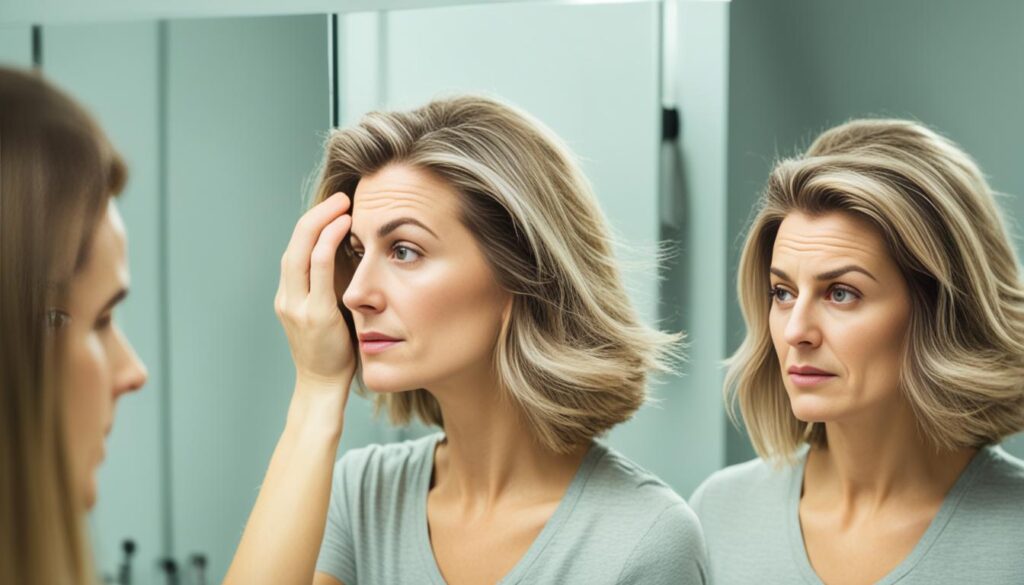
When it comes to female pattern hair loss (FPHL), recognizing the symptoms is crucial for early intervention and effective treatment. The main symptom of FPHL is a gradual thinning of the hair, particularly on the crown and the front of the scalp. Over time, you may notice that your hair becomes noticeably thinner, and the part may appear wider. Some women may also experience a receding hairline at the temples. Unlike other forms of hair loss, FPHL typically occurs slowly and progressively, rather than in patches or sudden baldness.
If you’re experiencing thinning hair or a widening part, it’s essential to consult with a dermatologist or hair loss specialist. They can evaluate your symptoms, diagnose FPHL, and recommend appropriate treatment options to help prevent further hair loss and stimulate regrowth.
“Recognizing and addressing the symptoms of FPHL early on can greatly improve the success of treatment and minimize the impact on your self-confidence and quality of life.”
To provide a better understanding, here is a breakdown of the key symptoms:
- Gradual thinning of hair, especially on the crown and the front of the scalp
- Noticeable hair thinning over time
- Widening of the hair part
- Possible receding hairline at the temples
If you’re unsure whether your hair loss is due to FPHL or another cause, consider keeping a hair loss diary. Document any changes you notice, such as changes in hair density or increased shedding. This information can be valuable during your consultation with a healthcare professional.
Remember, everyone’s experience with FPHL is unique. While these symptoms are common, the severity and progression of hair loss may vary. Consulting with a healthcare professional will help determine the best course of action for your individual situation.
| Symptom | Description |
|---|---|
| Gradual thinning of hair | Hair becomes thinner over time on the crown and front of the scalp |
| Noticeable hair thinning | Hair loss becomes increasingly evident with time |
| Widening of the hair part | Parting the hair reveals a wider gap |
| Receding hairline at the temples | Hairline recedes near the temples, leading to a more prominent forehead |
Treatment Options for FPHL Hair Loss
When it comes to treating female pattern hair loss (FPHL), there are several effective options available. These treatments aim to promote hair regrowth, stimulate follicle activity, and prevent further hair loss. Let’s explore the most common treatment methods for FPHL:
Minoxidil
Minoxidil is a topical medication that is widely recommended for FPHL treatment. It comes in different strengths and is applied directly to the scalp. By promoting blood flow to the hair follicles, minoxidil encourages hair regrowth and reduces further thinning. It is a convenient option that can easily be incorporated into a daily hair care routine.
Prescription Medications
In some cases, doctors may prescribe certain medications to treat FPHL. These include:
- Spironolactone: This medication helps block the effects of androgens, which can contribute to FPHL. It is commonly prescribed for women with FPHL, especially those with hormonal imbalances.
- Finasteride: Originally used to treat male pattern baldness, finasteride can also be prescribed off-label for women with FPHL. It works by inhibiting the conversion of testosterone to dihydrotestosterone (DHT), which can miniaturize hair follicles.
- Flutamide: This anti-androgen medication may be prescribed for severe cases of FPHL. It helps block the effects of testosterone on hair follicles, preventing further hair loss.
- Dutasteride: Similar to finasteride, dutasteride inhibits the conversion of testosterone to DHT. It is a potent medication that may be used in certain cases of FPHL.
These prescription medications target hormonal imbalances and work to halt hair loss and promote regrowth. It’s important to consult with a dermatologist or healthcare professional before starting any prescription medication.
Hair Transplant
In advanced cases of FPHL where other treatments have not provided satisfactory results, a hair transplant may be considered. A hair transplant involves removing hair follicles from one part of the scalp (often the back or sides) and transplanting them to the areas of thinning or baldness. This procedure requires expertise and should be performed by an experienced surgeon.

In Conclusion, there are various treatment options available for female pattern hair loss. Minoxidil, prescription medications, and hair transplants can all be effective in preventing further hair loss and promoting regrowth. Consult with a healthcare professional to determine the best treatment plan for your specific case of FPHL.
Conclusion
Experiencing hair loss can be a distressing experience for women, but there are effective remedies available for female pattern hair loss (FPHL). Early intervention is crucial in preventing further hair loss and promoting regrowth. Treatment options such as minoxidil, prescription medications, and hair transplants have shown promising results in FPHL prevention.
In addition to medical treatments, maintaining a healthy lifestyle is essential for overall hair health. A balanced diet, rich in vitamins and minerals, can promote hair growth and strengthen hair follicles. Regular scalp massages stimulate blood circulation to the scalp, ensuring proper nourishment to the hair roots.
If you are experiencing hair loss, consulting with a dermatologist is recommended. They can accurately diagnose the underlying cause of your hair loss and develop a personalized treatment plan to address your specific needs. Remember, the earlier you seek help, the better chances you have of successfully managing FPHL and preserving your hair.
FAQ
What is female pattern hair loss (FPHL)?
Female pattern hair loss (FPHL) is the most common cause of hair loss in women. It is a progressive condition characterized by a widening part and overall thinning of the hair.
When does FPHL typically begin?
FPHL typically begins in midlife, but it can start earlier in some women.
What causes FPHL?
The exact causes of FPHL are not fully understood, but it is believed to be a combination of genetic predisposition and hormonal changes. Many women with FPHL have a family history of hair loss, and hormonal changes, particularly after menopause, can also contribute to its development.
What are the symptoms of FPHL?
The main symptom of FPHL is a gradual thinning of the hair, particularly on the crown and the front of the scalp. The hair may become noticeably thinner over time, and the part may appear wider. Some women may also experience a receding hairline at the temples.
What are the treatment options for FPHL?
There are several treatment options available for FPHL. The most commonly recommended treatment is minoxidil, a topical medication that promotes hair regrowth. Prescription medications such as spironolactone, finasteride, flutamide, or dutasteride may also be prescribed. In advanced cases, a hair transplant may be an option.
Can FPHL be prevented?
While FPHL cannot be completely prevented, early intervention and treatment can help prevent further hair loss and stimulate regrowth. Maintaining a healthy lifestyle, including a balanced diet and regular scalp massages, can also support overall hair health.