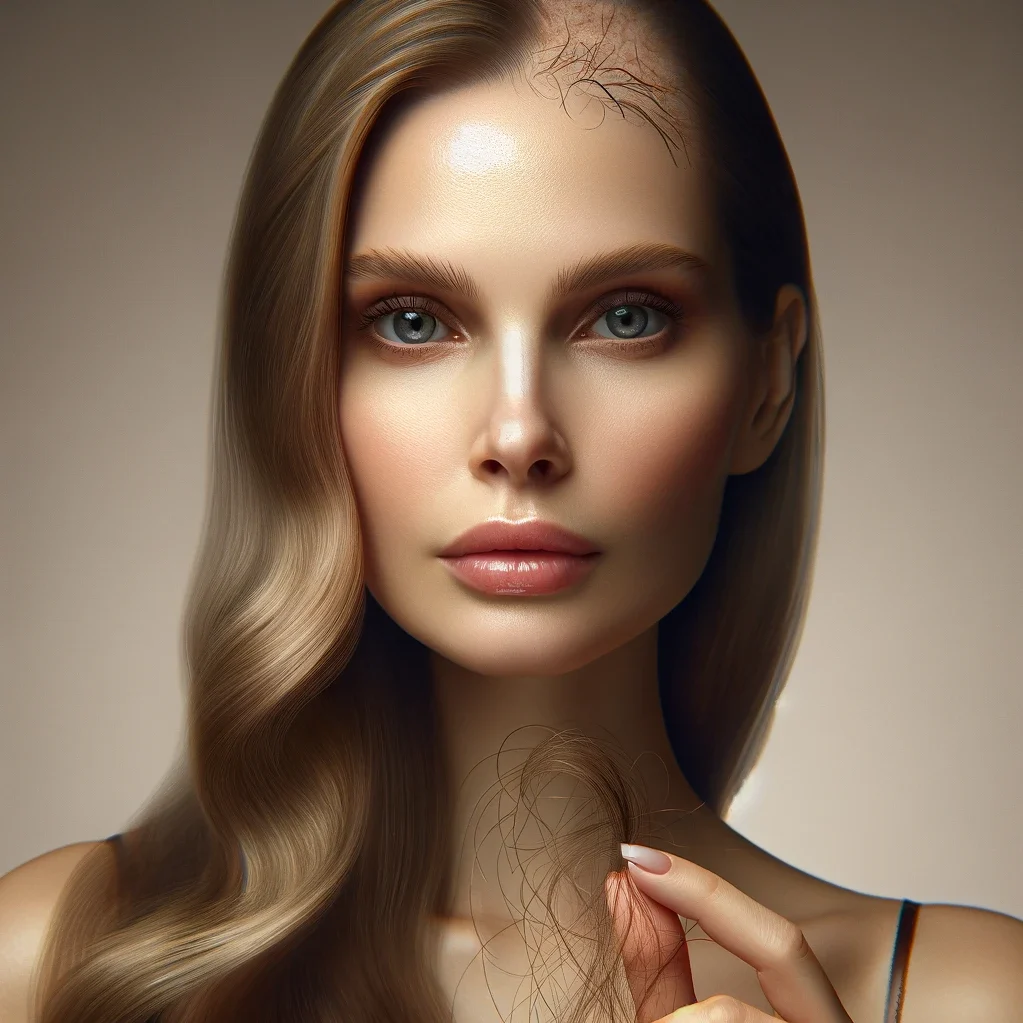
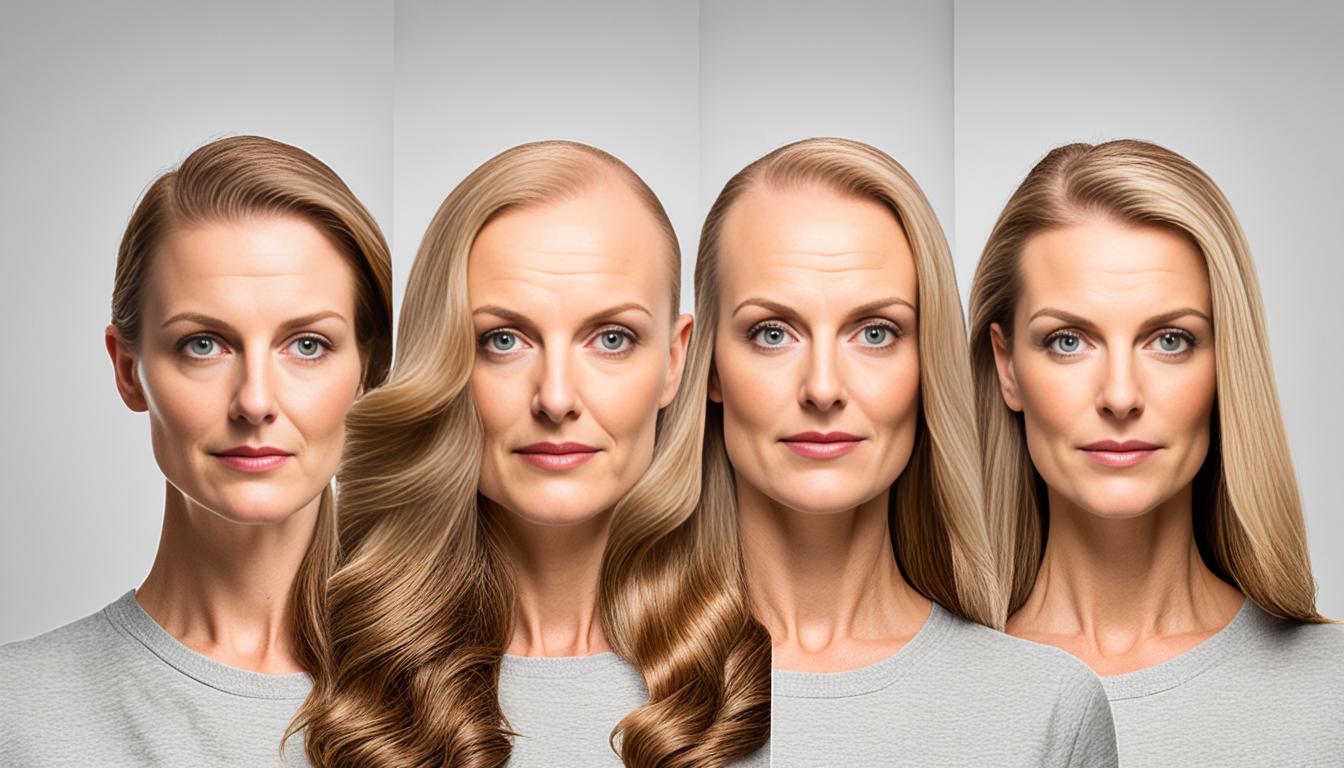
Female pattern hair loss, also known as female hereditary alopecia, is a common type of hair loss in women. It is characterized by the progressive thinning of the hair, especially in the central and frontal scalp areas. This condition is influenced by genetic factors and can be inherited from either the mother or father. Various studies and research papers have provided valuable insights into the etiology and management of female hereditary alopecia.
At Our Insights, we delve deep into the understanding of female hereditary alopecia, its genetic factors, diagnosis, treatment options, and emotional impact. Join us as we explore the complexities of this condition and provide you with the latest information and research-backed insights.
Key Takeaways:
- Female hereditary alopecia is a common form of hair loss in women.
- Genetic factors play a significant role in the development of female hereditary alopecia.
- Diagnosis involves a thorough physical examination and medical history review.
- Treatment options include oral antiandrogens, topical minoxidil, and more invasive procedures.
- The emotional impact of female hereditary alopecia should not be overlooked, and counseling and support are essential.
The Different Types of Alopecia in Women
In women, alopecia can manifest in various forms, each characterized by unique patterns of hair loss. Understanding the different types of alopecia is crucial for accurate diagnosis and appropriate treatment. Let’s explore the most common types of alopecia that affect women:
1. Androgenetic Alopecia
Androgenetic alopecia, also known as female pattern hair loss, is the most prevalent form of hair loss in women. It is associated with genetic and hormonal factors, leading to the progressive thinning of hair, especially on the top and front of the scalp.
2. Alopecia Areata
Alopecia areata is an autoimmune condition that causes sudden hair loss in circular or patchy patterns on the scalp. It occurs when the immune system mistakenly attacks hair follicles, resulting in hair fall and leaving smooth, bald patches.
3. Telogen Effluvium
Telogen effluvium is a temporary type of hair loss that arises from stress, trauma, hormonal changes, or certain medications. This condition disrupts the normal hair growth cycle, leading to an increased shedding of hair.
4. Cicatricial Alopecia
Cicatricial alopecia, also known as scarring alopecia, involves the destruction of hair follicles, often replaced by scar tissue. This irreversible condition can result from various causes, including autoimmune diseases, infections, or physical injuries to the scalp.
5. Trichotillomania
Trichotillomania is a psychological disorder categorized by an irresistible urge to pull out one’s hair. This self-inflicted hair loss can lead to noticeable patches of baldness and can be challenging to treat without addressing the underlying psychological factors.
Understanding the different types of alopecia in women is essential for appropriate diagnosis and management. Each form of alopecia requires a tailored approach to treatment and care, taking into account the specific underlying causes and individual circumstances.
Diagnosis and Assessment of Female Hereditary Alopecia
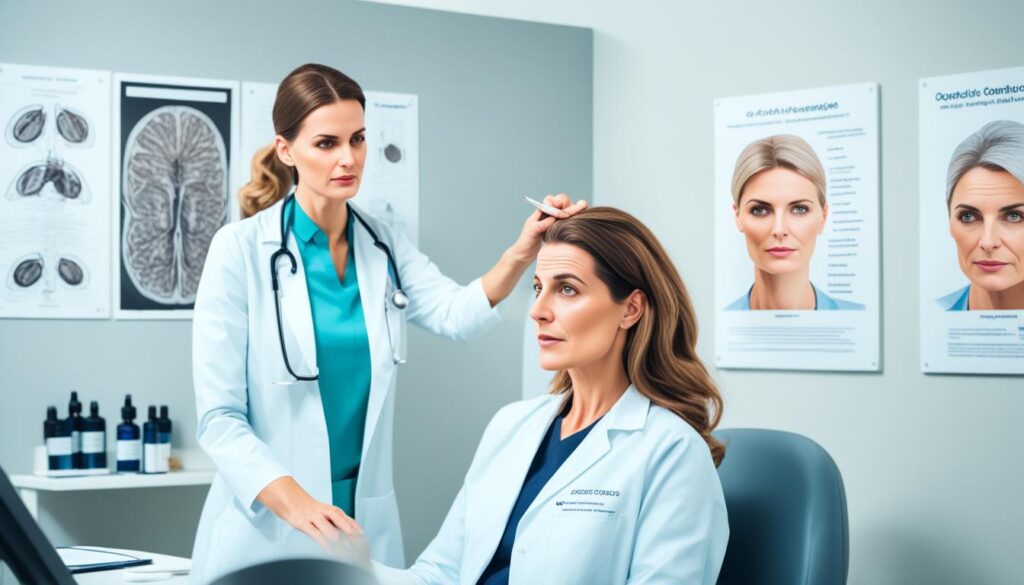
Diagnosing female hereditary alopecia involves a comprehensive process that includes a physical examination, review of the patient’s medical history, and, in some cases, a scalp biopsy. Through these diagnostic methods, healthcare providers can gather crucial information to determine the presence and severity of the condition.
During the physical examination, the healthcare provider will assess the pattern and extent of hair loss. They will examine the central and frontal areas of the scalp, as female hereditary alopecia typically manifests as thinning in these regions. Additionally, the provider will also evaluate any other potential signs of hair loss, such as miniaturized hair follicles or visible scalp skin.
Medical history plays a significant role in diagnosing female hereditary alopecia. The healthcare provider will inquire about any underlying medical conditions or medications that could contribute to hair loss. This information helps establish a comprehensive understanding of potential factors affecting the patient’s hair health and ensures accurate diagnosis.
“The diagnosis of female hereditary alopecia relies on a careful evaluation of the patient’s medical history and physical examination.”
In certain cases where the diagnosis remains inconclusive or other causes of hair loss need to be ruled out, a scalp biopsy may be performed. A scalp biopsy involves the removal of a small sample of the scalp tissue for closer examination under a microscope. This procedure helps to confirm the diagnosis of female hereditary alopecia and eliminates any possible confusion with other hair loss conditions.
Overall, an accurate diagnosis of female hereditary alopecia depends on a combination of physical examination, medical history review, and, when necessary, a scalp biopsy. These diagnostic methods provide valuable insights into the condition’s severity, underlying factors, and appropriate treatment strategies.
Diagnosis and Assessment Overview:
| Diagnostic Method | Description |
|---|---|
| Physical Examination | Evaluation of hair loss pattern, extent, and associated physical signs on the scalp. |
| Medical History Review | Inquiry about underlying medical conditions and medications that could contribute to hair loss. |
| Scalp Biopsy | Removal of a small sample of scalp tissue for microscopic examination to confirm the diagnosis and rule out other causes. |
Continue reading: [Section 4: Understanding the Genetics of Female Hereditary Alopecia](#section4)
Understanding the Genetics of Female Hereditary Alopecia
Female hereditary alopecia, commonly known as female pattern hair loss, is influenced by genetic factors. While the exact mechanisms are not fully understood, research suggests the involvement of androgen receptors, genes associated with hair loss, and androgen-independent mechanisms.
Studies have identified specific gene loci that are associated with female pattern hair loss, underscoring the complex genetic nature of this condition. The interplay between these genes and various environmental factors contributes to the development and progression of female hereditary alopecia.
One key aspect is the role of androgen receptors in regulating hair growth. Androgen receptors, which are present in the hair follicles, interact with circulating androgens like testosterone. They can influence hair follicle miniaturization, leading to the gradual thinning of hair observed in female hereditary alopecia.
Additionally, genes associated with hair loss, such as those involved in the hair cycle and hair follicle signaling pathways, play a crucial role in the pathogenesis of this condition. Variations in these genes can contribute to the susceptibility and severity of female hereditary alopecia.
Besides androgen-dependent mechanisms, androgen-independent mechanisms may also be involved in the development of female hereditary alopecia. These mechanisms, which are not influenced by androgens, can lead to hair follicle miniaturization and hair loss in affected individuals.
Genetic Factors Influencing Female Hereditary Alopecia
To gain a better understanding of the genetic factors at play in female hereditary alopecia, researchers have conducted extensive genetic studies. These studies have identified specific genes and genetic variants associated with the condition, shedding light on the underlying biology.
Below is a table highlighting some of the genes and genetic variants that have been implicated in female hereditary alopecia:
| Gene | Function | Implication in Female Hereditary Alopecia |
|---|---|---|
| SLC22A4 | Transporter protein | Altered expression associated with hair loss susceptibility |
| STX17 | Vesicle trafficking | Gene variant linked to female pattern hair loss |
| EDAR | Hair follicle development | Genetic variation contributes to hair loss risk |
The complex interplay between these genes, and additional yet-to-be-identified genetic factors, influences the development and progression of female hereditary alopecia. Further research is needed to unravel the complete genetic landscape of this condition and explore potential targeted therapies.
Treatment Options for Female Hereditary Alopecia
Treating female hereditary alopecia involves various options aimed at reversing or stabilizing the process of hair follicle miniaturization. The choice of treatment depends on the severity of the condition and the patient’s specific needs. In this section, we will explore the different treatment options available for female hereditary alopecia.
Oral Antiandrogens
Oral antiandrogens, such as cyproterone acetate and spironolactone, can be effective in managing mild-to-moderate cases of female hereditary alopecia. These medications work by reducing the effects of androgen hormones, which play a role in hair loss. However, it is important to note that these medications may have potential side effects and should be prescribed and monitored by a healthcare professional.
Topical Minoxidil
Topical minoxidil is another commonly used treatment option for female hereditary alopecia. This medication is applied directly to the scalp and promotes hair growth by widening blood vessels, increasing blood flow to the hair follicles, and stimulating hair growth. It is available over-the-counter in various strengths and formulations, and its effectiveness may vary from person to person.
Platelet-Rich Plasma (PRP) Therapy
Platelet-rich plasma (PRP) therapy is an emerging treatment option for female hereditary alopecia. This procedure involves drawing a small amount of the patient’s blood, processing it to isolate the platelet-rich plasma, and injecting it into the scalp. PRP contains growth factors that can potentially stimulate hair growth and improve the health of hair follicles. However, more research is needed to fully understand its effectiveness and long-term outcomes.
Hair Transplantation
For more severe cases of female hereditary alopecia, hair transplantation may be considered. This surgical procedure involves removing hair follicles from a donor site and transplanting them to the areas of thinning or baldness. Hair transplantation can provide long-lasting results and natural-looking hair growth. However, it requires careful evaluation, planning, and skilled execution by a qualified hair transplant surgeon.
Scalp Flaps
In certain cases, scalp flaps may be used as a surgical treatment option for female hereditary alopecia. This procedure involves transferring a section of healthy scalp tissue from one area to another to cover the bald or thinning areas. Scalp flaps can provide significant coverage and natural hair density. However, it is a more invasive procedure and should be performed by an experienced surgeon.
In summary, treatment options for female hereditary alopecia range from oral antiandrogens and topical minoxidil to more invasive procedures such as hair transplantation and scalp flaps. Platelet-rich plasma (PRP) therapy is also being explored as a potential treatment option. It is important for individuals experiencing female hereditary alopecia to consult with a healthcare professional to determine the most suitable treatment approach based on their specific needs and goals.
Managing the Emotional Impact of Female Hereditary Alopecia
Female hereditary alopecia can have a profound emotional impact on those affected, causing psychological distress and impaired social functioning. The emotional toll of hair loss should not be underestimated, and it is crucial to address the psychological needs of patients facing this challenge. Providing counseling and support can significantly contribute to their overall well-being and help them navigate through the difficulties associated with alopecia.
Research has shown that individuals with female hereditary alopecia may experience various psychological challenges, including low self-esteem, feelings of inadequacy, and anxiety. The noticeable changes in appearance can result in a loss of confidence and a negative body image, leading to social isolation and difficulties in personal relationships. It is important to acknowledge and validate these emotions, providing a safe space for individuals to express their concerns and fears.
Counseling plays a vital role in helping individuals manage the emotional impact of female hereditary alopecia. By facilitating discussions and offering guidance, trained professionals can help patients develop effective coping strategies and improve their overall well-being. Counseling sessions may include techniques such as cognitive-behavioral therapy, which focuses on restructuring negative thought patterns and fostering self-acceptance.
Support groups and online communities can also provide a valuable source of comfort and solidarity for individuals living with female hereditary alopecia. Connecting with others who share similar experiences can help reduce feelings of isolation and provide a sense of belonging. Engaging in peer support can foster resilience and empower individuals to embrace their unique beauty and live fulfilling lives.
Strategies for Emotional Well-being:
- Practice self-care: Encourage individuals to prioritize their physical and mental well-being by engaging in activities they enjoy, such as exercise, meditation, or hobbies.
- Seek professional help: If distress persists, recommend seeking the assistance of mental health professionals who specialize in hair loss and body image issues.
- Educate family and friends: Help patients foster understanding and support by educating their loved ones about female hereditary alopecia and its emotional impact.
- Explore cosmetic options: Discussing cosmetic options, such as wigs, hair extensions, or styling techniques, can empower individuals to regain their confidence and express their unique style.
“Female hereditary alopecia can take a significant toll on an individual’s emotional well-being. By providing counseling and support, we can help patients navigate the challenges of hair loss and foster a positive self-image.”
| Psychological Impact of Female Hereditary Alopecia | Symptoms | Coping Strategies |
|---|---|---|
| Psychological distress | Low self-esteem, anxiety, sadness |
|
| Impaired social functioning | Social isolation, difficulties in relationships |
|
Associated Medical Conditions and Risk Factors of Female Hereditary Alopecia
Female hereditary alopecia, in addition to causing hair loss, may be associated with certain medical conditions that can contribute to its development or progression. These medical conditions include:
- Polycystic Ovarian Syndrome (PCOS): PCOS is a hormonal disorder characterized by enlarged ovaries with small cysts. It is often associated with high levels of androgens, which can contribute to hair loss in women with female hereditary alopecia.
- Metabolic Syndrome: Metabolic syndrome is a cluster of conditions that occur together and increase the risk of heart disease, stroke, and type 2 diabetes. The risk factors for metabolic syndrome, such as obesity, high blood pressure, high blood sugar levels, and abnormal cholesterol levels, may also be linked to the development or progression of female hereditary alopecia.
- Cardiovascular Risk Factors: Women with female hereditary alopecia may be at an increased risk of cardiovascular diseases. Studies have suggested a potential association between female pattern hair loss and cardiovascular risk factors, including hypertension, dyslipidemia, and insulin resistance.
While the exact relationship between female hereditary alopecia and these medical conditions is still being investigated, it is important for healthcare providers to consider these factors in the management and treatment of female hereditary alopecia.
Conclusion
Female hereditary alopecia is a common form of hair loss that affects women, leading to progressive thinning of the hair. This condition is influenced by genetic factors and can have a significant impact on the emotional well-being of those affected. Diagnosis and assessment of female hereditary alopecia usually involve a comprehensive physical examination, review of the patient’s medical history, and sometimes a scalp biopsy to confirm the diagnosis.
When it comes to treatment, there are various options available for managing female hereditary alopecia. Oral antiandrogens and topical minoxidil are commonly prescribed for mild-to-moderate cases. More severe cases may require more invasive procedures, such as hair transplantation or scalp flaps. Additionally, platelet-rich plasma (PRP) therapy shows promise as a potential treatment option for this condition.
It is crucial to address the emotional impact of female hereditary alopecia and offer support to affected individuals. Coping with the challenges of hair loss can be challenging, and counseling and support can play a vital role in helping individuals navigate these difficulties. Furthermore, it is important to consider any associated medical conditions and risk factors that may be present, such as polycystic ovarian syndrome or metabolic syndrome, in the management of female hereditary alopecia.
FAQ
What is female hereditary alopecia?
Female hereditary alopecia, also known as female pattern hair loss, is a common type of hair loss in women characterized by progressive thinning of the hair, especially in the central and frontal scalp areas.
What are the different types of alopecia in women?
The different types of alopecia in women include androgenetic alopecia, alopecia areata, telogen effluvium, cicatricial alopecia, and trichotillomania.
How is female hereditary alopecia diagnosed and assessed?
The diagnosis of female hereditary alopecia involves a thorough physical examination, review of medical history, and sometimes a scalp biopsy to confirm the diagnosis and rule out other possible causes of hair loss.
What are the genetic factors associated with female hereditary alopecia?
The genetics of female hereditary alopecia are complex, involving androgen receptors, genes associated with hair loss, and androgen-independent mechanisms. The exact mechanisms are still not fully understood.
What are the treatment options for female hereditary alopecia?
Treatment options for female hereditary alopecia include oral antiandrogens (such as cyproterone acetate and spironolactone), topical minoxidil, platelet-rich plasma therapy, hair transplantation, and scalp flaps.
How can the emotional impact of female hereditary alopecia be managed?
The emotional impact of female hereditary alopecia can be managed by offering counseling and support to help individuals cope with the challenges of hair loss, addressing their psychological distress and impaired social functioning.
Are there any medical conditions associated with female hereditary alopecia?
Female hereditary alopecia may be associated with certain medical conditions, such as polycystic ovarian syndrome and metabolic syndrome, which can contribute to the development or progression of hair loss in affected individuals. There may also be an increased risk of cardiovascular diseases and other risk factors in women with female hereditary alopecia.
What is the conclusion about female hereditary alopecia?
Female hereditary alopecia is a common form of hair loss in women, influenced by genetic factors. It can have a significant emotional impact on affected individuals. Diagnosis involves a thorough physical examination, medical history review, and sometimes a scalp biopsy. Treatment options include oral antiandrogens, topical minoxidil, and more invasive procedures like hair transplantation. It is important to address the emotional impact and offer support to affected individuals. Additionally, there may be associated medical conditions and risk factors that should be considered in the management of female hereditary alopecia.