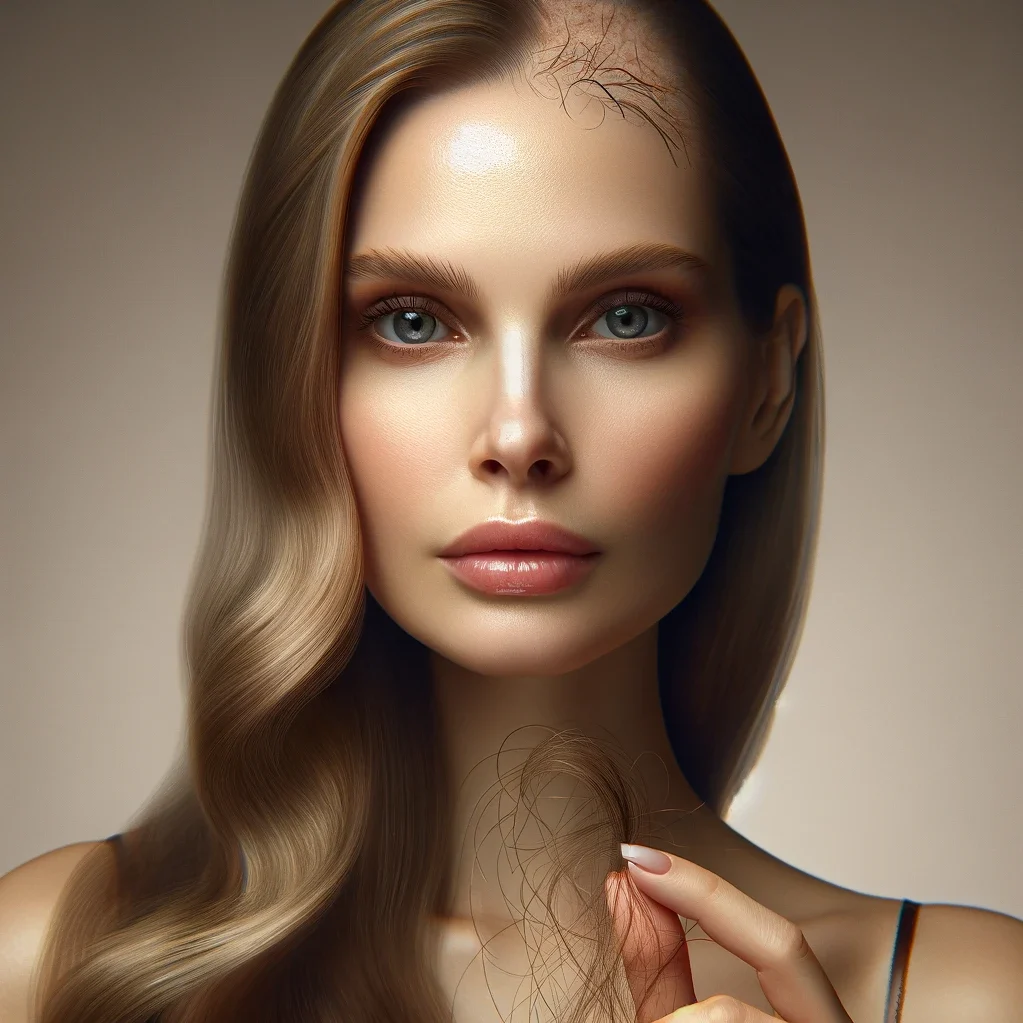
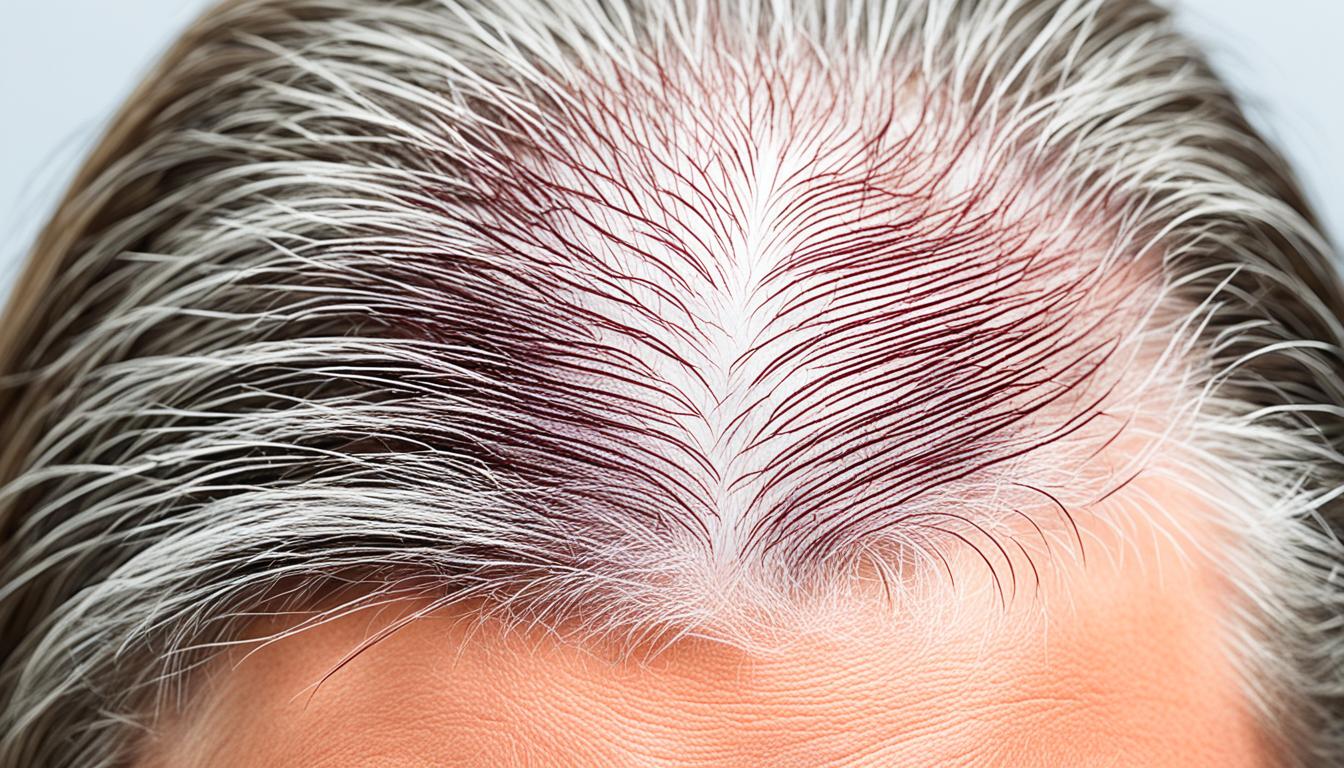
Male pattern hair loss in women, also known as androgenetic alopecia, can be a distressing condition that affects many individuals. This progressive form of hair loss not only impacts one’s physical appearance but may also have a significant emotional and psychological impact.
Fortunately, there are effective treatments available to address male pattern hair loss in women. These treatments aim to slow down the progression of hair loss, promote hair regrowth, and improve the overall appearance of the hair.
Before discussing the treatments, it is essential to understand the underlying causes of male pattern hair loss in women. Hormonal imbalances, genetics, and other factors contribute to this condition, making it important to approach treatment in a comprehensive manner.
Key Takeaways:
- Treatments for male pattern hair loss in women focus on slowing down hair loss, promoting regrowth, and improving the overall appearance of the hair.
- The underlying causes of male pattern hair loss in women include hormonal imbalances and genetics.
- Effective treatments may involve a combination of pharmacological and non-pharmacological interventions.
- Early recognition and treatment are important for better outcomes.
- Consultation with a healthcare professional or hair loss clinic can help determine the most suitable treatment options for individual cases.
Understanding Male and Female Pattern Hair Loss
Male and female pattern hair loss, also known as androgenetic alopecia, are common conditions that affect many individuals. These conditions are polygenic, meaning they are influenced by a combination of genetic factors.
In men, male pattern hair loss is often linked to excess androgens, which are male sex hormones. This hormonal imbalance can lead to the progressive loss of hair on the central scalp.
In women, the relationship between hormones and female pattern hair loss is less clear. However, it is believed that both genetic and hormonal factors play a role. Women often experience diffuse thinning of hair across the central scalp, as well as a characteristic “Christmas tree” pattern of hair loss along the midline.
In order to accurately diagnose male and female pattern hair loss, a thorough history, physical examination, and diagnostic tests are crucial. These steps help healthcare professionals understand the patient’s specific symptoms, pattern of hair loss, and any accompanying factors that may contribute to the condition.
Signs and Symptoms
“Male pattern hair loss typically affects the central scalp, while women experience diffuse thinning across the central scalp and the characteristic ‘Christmas tree’ pattern along the midline.”
By examining the patient’s scalp, face, and nails, healthcare professionals can identify clinical features associated with pattern hair loss. Additionally, conducting a hair-pull test can provide further insight into the condition.
Diagnostic tests such as blood tests and scalp biopsies may also be performed to rule out other potential causes of hair loss and assist in confirming the diagnosis of male or female pattern hair loss.
Image of Male and Female Pattern Hair Loss
| Male Pattern Hair Loss | Female Pattern Hair Loss |
|---|---|
| Affects central scalp | Diffuse thinning across central scalp |
| “Christmas tree” pattern along midline |
Pharmacologic and Nonpharmacologic Treatments for Male Pattern Hair Loss
When it comes to treating male pattern hair loss, there are various options available. Let’s explore both pharmacologic and nonpharmacologic treatments that can help address this condition.
Pharmacologic Treatments
Pharmacologic treatments for male pattern hair loss are effective in promoting hair regrowth and preventing further hair loss. Here are some of the top options:
- Topical minoxidil: This is a first-line therapy for both males and females. It’s available over the counter and stimulates hair growth by increasing blood flow to the hair follicles.
- Oral finasteride: Another effective treatment, oral finasteride is prescribed for male pattern hair loss. It works by blocking the conversion of testosterone to dihydrotestosterone (DHT), a hormone responsible for hair loss.
- Spironolactone: While primarily used as a diuretic, spironolactone can also be used off-label to treat hair loss in women by reducing the effects of androgens on hair follicles.
- Oral dutasteride: Similar to finasteride, dutasteride inhibits the production of DHT. It may be prescribed for more severe cases of male pattern hair loss.
Nonpharmacologic Treatments
In addition to pharmacologic options, nonpharmacologic treatments can complement the efforts in addressing male pattern hair loss. Here are some nonpharmacologic treatments to consider:
- Laser therapy: Low-level laser therapy (LLLT) involves using a device that emits red light to stimulate hair growth. This noninvasive treatment can be done at home or at a hair loss clinic.
- Hair transplant surgery: In cases where medications and other treatments have not yielded satisfactory results, hair transplant surgery may be an option. It involves transplanting hair follicles from one area of the scalp to another, providing permanent hair growth.
Additionally, there are various lifestyle and home remedies that can help improve the appearance of hair loss. These include using styling products that add volume, wearing wigs or extensions, and maintaining a healthy diet and lifestyle.
It’s essential to consult with a healthcare professional or hair loss specialist to determine the most suitable treatment plan for individual cases. They can recommend the best combination of pharmacologic and nonpharmacologic treatments based on the severity of hair loss, underlying causes, and individual preferences.

Understanding the Diagnosis Process
Diagnosis of pattern hair loss involves a thorough history, physical examination, and diagnostic tests. A comprehensive history should include the age of onset, time course, severity, hair loss distribution, progression, and accompanying symptoms. It is essential to gather these details to determine the most appropriate treatment approach for each individual.
In the physical examination, we evaluate the scalp, face, and nails for clinical features that may indicate pattern hair loss. Additionally, we conduct a hair-pull test, which helps assess the strength and resilience of the hair follicles.
“The hair-pull test is a simple and painless procedure where several strands of hair are gently pulled to see how many hairs are released. An increased shedding of more than six hairs is often suggestive of pattern hair loss.”
While a thorough history and physical examination provide valuable insights, additional diagnostic tests may be necessary to rule out other causes of hair loss. Blood tests can help identify hormonal imbalances, nutritional deficiencies, or autoimmune conditions that could be contributing to hair loss. In some cases, a scalp biopsy may be performed to examine the hair follicles under a microscope and confirm the diagnosis.
Determining the Next Steps
Upon completing the diagnosis process, it is crucial to consult with professionals in specialized hair loss clinics for women. They have the expertise and knowledge to formulate a tailored treatment plan based on the individual’s specific needs and goals. The diagnosis is the first step in the journey toward effectively managing and treating male pattern hair loss in women.
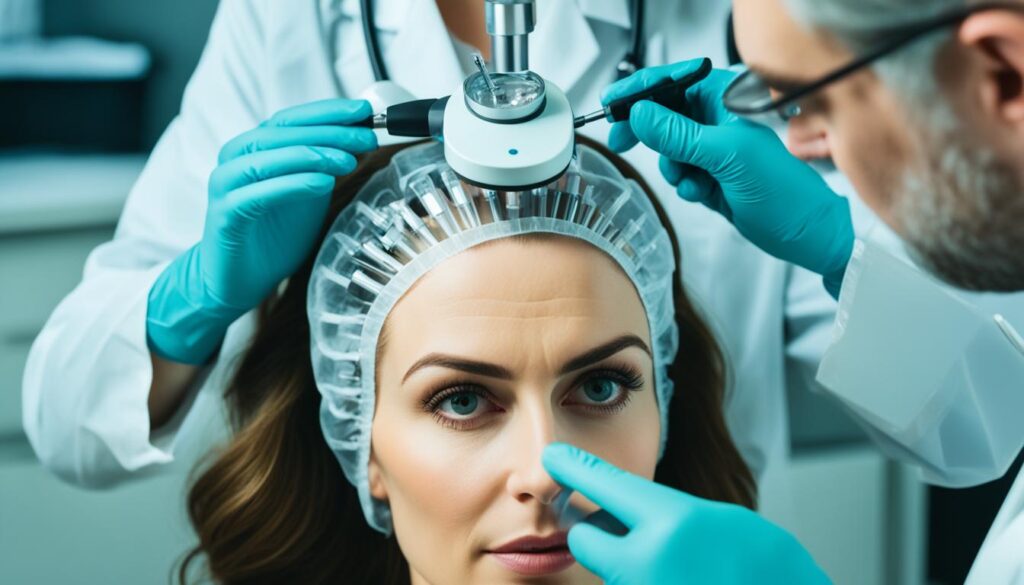
| Diagnosis Process: | Key Steps: |
|---|---|
| 1. Thorough history | Gather information about onset, progression, and accompanying symptoms |
| 2. Physical examination | Evaluate scalp, face, and nails for clinical features, and perform a hair-pull test |
| 3. Diagnostic tests | Order blood tests and scalp biopsy if necessary to rule out other causes |
By following a comprehensive diagnostic process and seeking professional guidance, individuals can gain a clearer understanding of their condition and take the necessary steps towards finding the most suitable male pattern hair loss treatment.
Conclusion
Effective treatment for male pattern hair loss in women requires a comprehensive approach that combines pharmacologic and nonpharmacologic interventions. Early recognition and prompt treatment are crucial for preserving hair and improving quality of life.
For male pattern hair loss, commonly used medications include topical minoxidil and oral finasteride. Topical minoxidil is the preferred therapy for female pattern hair loss. These medications have shown positive results in preventing further hair loss and stimulating regrowth.
In addition to medication, other treatment options such as laser therapy and hair transplant surgery can also be considered for both men and women. These procedures have proven to be effective in restoring hair density and improving overall hair aesthetics.
If you’re concerned about hair loss, it’s essential to consult with a hair loss clinic or a healthcare professional specializing in hair loss treatment. They can evaluate your individual case and recommend the most appropriate and professional hair loss treatment for you.
FAQ
What is male pattern hair loss in women and how can it be treated?
Male pattern hair loss in women, also known as androgenetic alopecia, is a condition characterized by progressive hair loss on the temporal, frontal, and vertex scalp. It can be effectively treated with a combination of pharmacologic and nonpharmacologic interventions. Topical minoxidil and oral finasteride are commonly used medications, and other treatments like laser therapy and hair transplant surgery may also be beneficial. It is recommended to consult with a healthcare professional for personalized treatment options.
Are there any effective remedies for female hair loss?
Yes, there are various treatments available for female hair loss. Topical minoxidil is the first-line therapy for female pattern hair loss and has been shown to promote hair regrowth. Other options include spironolactone, oral dutasteride, laser therapy, and hair transplant surgery. It’s important to consult with a healthcare professional or hair loss clinic to determine the most appropriate treatment for your specific needs.
What are the hormonal treatments for hair loss in women?
Hormonal hair loss in women can be treated with various medications. Topical minoxidil is often used, as it can promote hair regrowth and slow down further hair loss. In certain cases, oral medications like spironolactone or dutasteride may be prescribed to address hormonal imbalances that contribute to hair loss. Consultation with a healthcare professional is necessary to determine the most suitable treatment option.
What are the best hair loss products for women?
The best hair loss products for women can vary depending on individual needs and circumstances. Topical minoxidil is a common first-line treatment and is available over the counter in different strengths. Other options include medicated shampoos, vitamins and supplements, and laser therapy devices. However, it’s important to consult with a healthcare professional or hair loss clinic to determine the most effective and safe products for your specific condition.
Are there any natural remedies for female hair loss?
While natural remedies may not provide the same level of effectiveness as medical treatments, some individuals find them beneficial as complementary approaches. Examples of natural remedies for female hair loss include using essential oils, scalp massages, dietary changes, and stress reduction techniques. However, it’s essential to consult with a healthcare professional before starting any natural remedies to ensure they are safe and compatible with your treatment plan.
What are some scalp treatments for thinning hair in women?
There are several scalp treatments available for thinning hair in women. These may include topical minoxidil, medicated shampoos, scalp serums, and scalp massages. These treatments aim to improve blood circulation, nourish the scalp, and stimulate hair regrowth. It’s recommended to consult with a healthcare professional or hair loss clinic to determine the most suitable scalp treatment for your specific condition.
Is there a cure for female pattern baldness?
While there is currently no known cure for female pattern baldness, there are effective treatments available that can help slow down hair loss, promote hair regrowth, and improve the overall appearance of the hair. Topical minoxidil is the first-line therapy for female pattern hair loss and has shown positive results in many cases. Other treatment options include hormone therapy, laser therapy, and hair transplant surgery.
How can I find hair loss clinics for women?
Finding hair loss clinics for women can be done by conducting online research, asking for recommendations from healthcare professionals or friends who have undergone similar treatments, or contacting professional organizations related to hair loss or dermatology. It’s important to choose a reputable clinic with experienced professionals who specialize in treating hair loss in women.
What are the professional hair loss treatment options available?
Professional hair loss treatment options vary depending on individual needs and the underlying cause of hair loss. These may include medications such as topical minoxidil, spironolactone, or oral finasteride. Nonpharmacologic treatments like laser therapy or hair transplant surgery can also provide positive results. Consulting with a healthcare professional or hair loss clinic is crucial to determine the most suitable treatment plan for your specific condition.