Welcome to our comprehensive guide on reversing female pattern baldness. Female pattern hair loss (FPHL) is a common condition that affects many women, with its prevalence increasing as we age. This condition can have a significant impact on our psychological well-being and social functioning. Therefore, early diagnosis and treatment initiation are crucial for better outcomes.
Diagnosing female pattern hair loss is typically done clinically, and treatment options include oral antiandrogens and topical minoxidil. However, it’s important to note that FPHL is a chronic progressive condition, meaning that all treatments need to be continued to maintain their effectiveness. In addition to traditional pharmacological approaches, nonpharmacological treatments like counseling, cosmetic camouflage, and hair transplantation can also be helpful in managing FPHL.
In this article, we will explore the different aspects of female pattern baldness, including its causes, diagnosis, and effective treatment options. We will also discuss promising research and future directions in the field, as well as provide practical tips and natural remedies for balding women.
Key Takeaways:
- Female pattern hair loss (FPHL) is a common condition that affects women, increasing in prevalence with age.
- Early diagnosis and treatment initiation are crucial for better outcomes in reversing FPHL.
- Treatment options include oral antiandrogens, topical minoxidil, counseling, cosmetic camouflage, and hair transplantation.
- FPHL is a chronic progressive condition, and all treatments need to be continued to maintain their effectiveness.
- A holistic approach involving lifestyle changes and natural remedies can complement traditional treatments for reversing female pattern baldness.
Understanding Female Pattern Hair Loss
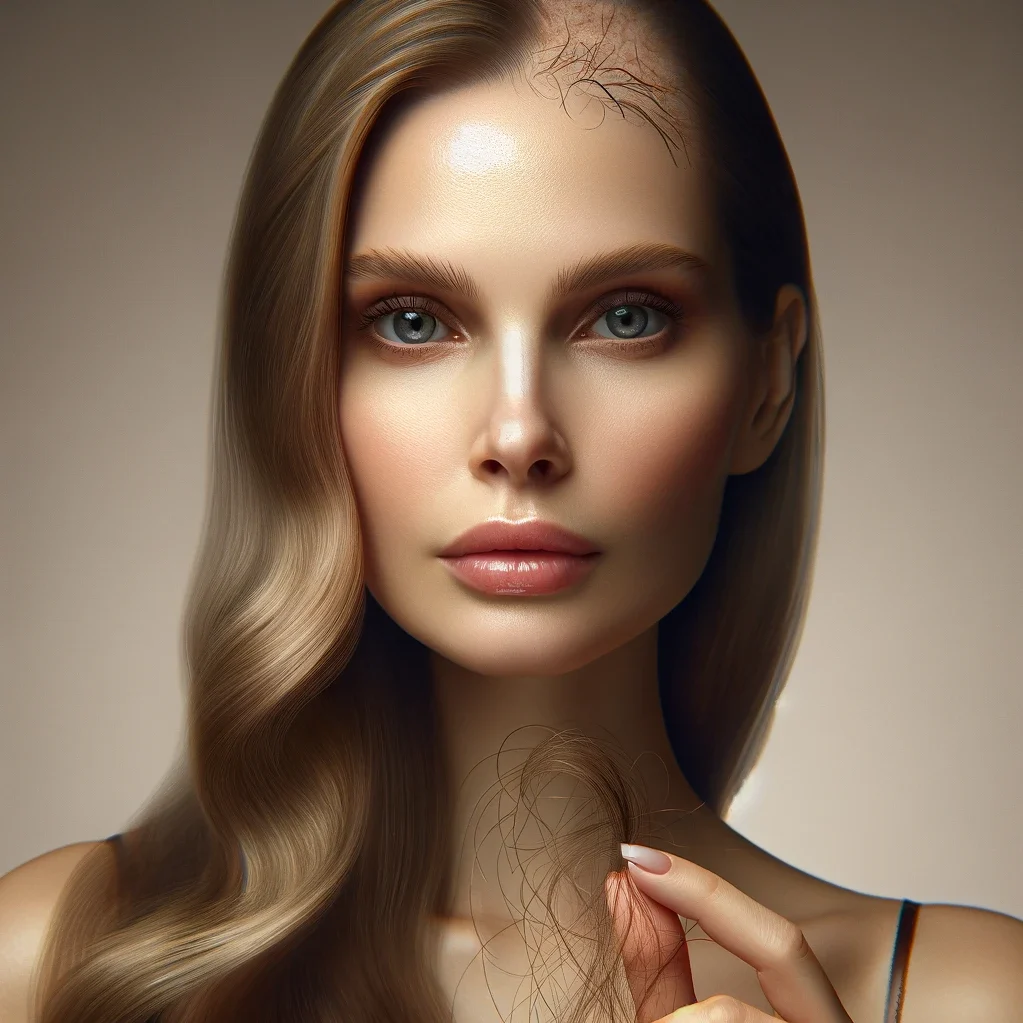
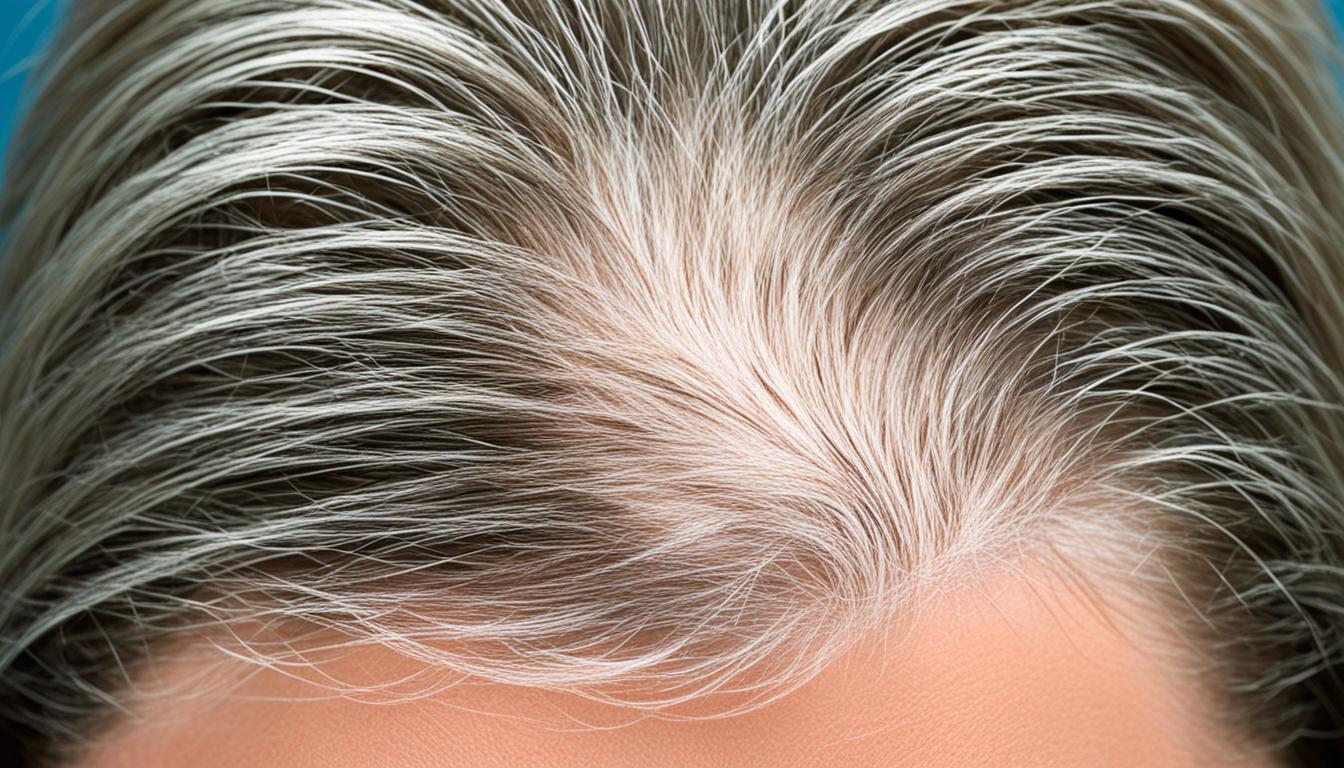
Female pattern hair loss, also known as androgenetic alopecia, is a common condition characterized by a reduction in hair density over the crown and frontal scalp, while the frontal hairline is usually preserved. This type of hair loss is more prevalent in women as they age, with over 50% of women over 80 years old experiencing its effects. Hair loss can have a profound impact on a woman’s psychological well-being and quality of life.
The histology of female pattern hair loss is similar to that of male androgenetic alopecia, indicating an androgen-dependent mechanism in the majority of cases. Androgens, such as dihydrotestosterone (DHT), play a key role in the miniaturization of hair follicles, leading to their shrinking and eventual cessation of hair production. The sensitivity of hair follicles to androgens is genetically determined and can be influenced by hormonal imbalances, aging, and other factors.
Treatment options for female pattern hair loss:
- Antiandrogens: Medications that block the effects of androgens on hair follicles. They can help slow down hair loss and promote regrowth.
- Minoxidil: A topical solution or foam that stimulates hair growth and prolongs the anagen (growth) phase of the hair cycle.
- Counseling: Psychological support to address the emotional impact of hair loss and promote coping strategies.
- Cosmetic camouflage: The use of hair styling techniques, wigs, or hairpieces to conceal thinning areas.
- Hair transplantation: Surgical procedures that redistribute healthy hair follicles from donor sites to areas of hair loss.
It’s important to note that treatment response may vary among individuals, and a combination of treatments may be necessary to achieve the desired results. Additionally, treatment needs to be continued to maintain the effect.
Treatment Options for Female Pattern Hair Loss
| Treatment Option | Description |
|---|---|
| Antiandrogens | Medications that block the effects of androgens on hair follicles, helping to slow down hair loss and promote regrowth. |
| Minoxidil | Topical solution or foam that stimulates hair growth and prolongs the anagen phase of the hair cycle. |
| Counseling | Psychological support to address the emotional impact of hair loss and develop coping strategies. |
| Cosmetic Camouflage | The use of hair styling techniques, wigs, or hairpieces to hide thinning areas and create the illusion of fuller hair. |
| Hair Transplantation | Surgical procedures that involve moving healthy hair follicles from donor sites to areas of hair loss. |
In some cases, a combination of these treatments may be recommended for optimal results. It is essential for women experiencing hair loss to consult with a healthcare professional who specializes in hair restoration to determine the most suitable treatment options based on their individual needs and preferences.
Effective Treatments for Female Hair Loss
When it comes to reversing thinning hair in females and addressing female pattern hair loss, there are several effective treatments available. Let’s explore some of the options:
The Main Pharmacological Options
The main pharmacological options for treating female pattern hair loss are oral antiandrogens and topical minoxidil. These medications work to counteract the hormonal imbalances that contribute to hair loss. It’s important to note that these treatments need to be continued indefinitely to maintain the results. However, they have been shown to be effective in promoting hair regrowth and preventing further thinning.
Nonpharmacological Approaches
In addition to medication, there are nonpharmacological approaches that can help address female pattern hair loss. Changing hairstyles and using camouflaging products, such as volumizing hair sprays or wigs, can create the illusion of thicker hair. Another option to consider is hair transplantation, where healthy hair follicles are harvested and transplanted to areas of thinning or baldness.
A Holistic Approach to Female Hair Loss
Taking a holistic approach to female hair loss involves considering lifestyle changes, stress management, and a healthy diet. Stress can contribute to hair loss, so finding ways to manage stress through relaxation techniques or therapy can be beneficial. Additionally, adopting a balanced diet rich in vitamins and minerals essential for hair health, such as iron, zinc, and vitamin D, can promote regrowth.
“By addressing the underlying causes of hair loss and adopting a comprehensive approach, we can effectively reverse thinning hair in females and promote healthy regrowth.”
It’s important to note that hair regrowth takes time and patience. Results may vary depending on the individual, and it’s essential to consult with a healthcare professional for a personalized treatment plan tailored to your specific needs and circumstances.

| Treatment Option | Benefits |
|---|---|
| Oral antiandrogens | Promotes hair regrowth and prevents further thinning |
| Topical minoxidil | Stimulates hair follicles and enhances regrowth |
| Changing hairstyles | Creates the illusion of thicker hair |
| Camouflaging products | Adds volume and disguises thinning areas |
| Hair transplantation | Transplants healthy hair follicles to thinning areas |
Promising Research and Future Directions
Ongoing research is exploring new treatment options for regrowing hair in women with pattern baldness. We are constantly striving to find innovative solutions to help women regain their confidence and restore a full head of hair. In this section, we will explore some of the promising advancements in female hair regrowth solutions.
Low-Level Light Therapy and Minoxidil Combination
One exciting development is the combination of low-level light therapy (LLLT) with minoxidil. LLLT involves exposing the scalp to specific wavelengths of light, which can stimulate hair growth. Studies have shown that when LLLT is used in conjunction with minoxidil, it can enhance the effectiveness of the treatment, leading to improved hair recovery and overall satisfaction.

Potential Medical Treatments
Researchers are also investigating other potential medical treatments for female pattern baldness. One such treatment being studied is ketoconazole, which is an antifungal medication that has shown promise for its ability to reduce inflammation and promote hair growth. Corticosteroid injections are another option being explored, as they can help reduce inflammation in the scalp and stimulate hair follicles. Additionally, platelet-rich plasma (PRP) therapy, which involves injecting a concentrated solution of platelets into the scalp, is showing potential for stimulating hair regrowth.
Addressing Hormonal Imbalances
Hormonal imbalances can contribute to hair loss in women, particularly in cases of androgenetic alopecia. Future research is focusing on the effectiveness of hormone therapy in addressing these imbalances and promoting hair regrowth. By addressing the underlying hormonal factors, we may be able to provide more targeted and effective treatments for women experiencing pattern baldness.
In conclusion, the field of female hair regrowth solutions is advancing rapidly, with ongoing research bringing us closer to finding effective treatments for regrowing hair in women. The combination of low-level light therapy and minoxidil, along with other potential medical treatments and hormonal interventions, holds promise for reversing female pattern baldness and restoring hair growth. As we continue to explore these exciting advancements, we are hopeful that we can offer women the solutions they need to regain their confidence and feel great about their hair.
Conclusion
Reversing female pattern baldness requires a comprehensive approach that combines various treatment modalities. From medication to non-pharmacological remedies, lifestyle adjustments, and potential emerging therapies, there are solutions available for women experiencing hair loss. Early diagnosis and timely intervention are key factors in achieving favorable outcomes.
If you’re dealing with female hair loss, it’s essential to consult with a healthcare professional who can assess your individual needs and provide personalized advice. Together, you can determine the most suitable course of action and develop a specific treatment plan.
With proper management and adherence to the recommended treatment strategies, it is possible to reverse or slow down the progression of female pattern baldness. By restoring hair growth and confidence, women can regain control over their appearance and improve their overall well-being.
FAQ
What is female pattern hair loss?
Female pattern hair loss, also known as androgenetic alopecia, is the most common cause of hair loss in women. It is characterized by a reduction in hair density over the crown and frontal scalp, while retaining the frontal hairline.
How common is female pattern hair loss?
Female pattern hair loss becomes more common with advancing age, affecting over 50% of women over 80 years old.
Does female pattern hair loss cause psychological distress?
Yes, hair loss in women can cause significant psychological distress and negatively impact their quality of life.
What are the treatment options for female pattern hair loss?
The main pharmacological options for treating female pattern hair loss are oral antiandrogens and topical minoxidil. Nonpharmacological approaches such as counseling, cosmetic camouflage, and hair transplantation can also be beneficial.
Do treatment options need to be continued indefinitely?
Yes, both oral antiandrogens and topical minoxidil need to be continued indefinitely to maintain the results.
Are there any natural remedies for reversing female pattern hair loss?
While there are no proven natural remedies for reversing female pattern hair loss, a holistic approach involving lifestyle changes, stress management, and a healthy diet can help improve hair health and promote regrowth.
Are there any emerging therapies being studied for female pattern hair loss?
Yes, ongoing research is exploring new treatment options, such as low-level light therapy, ketoconazole, corticosteroid injections, platelet-rich plasma therapy, and hormone therapy. Further studies are needed to evaluate their efficacy in reversing female pattern hair loss.
Can female pattern hair loss be reversed?
While female pattern hair loss is a chronic progressive condition, with proper management and a personalized treatment plan, it is possible to slow down the progression and restore hair growth and confidence.
When should I consult with a healthcare professional about female pattern hair loss?
If you are experiencing hair loss, it is recommended to consult with a healthcare professional to determine the best course of action based on your individual needs and circumstances.