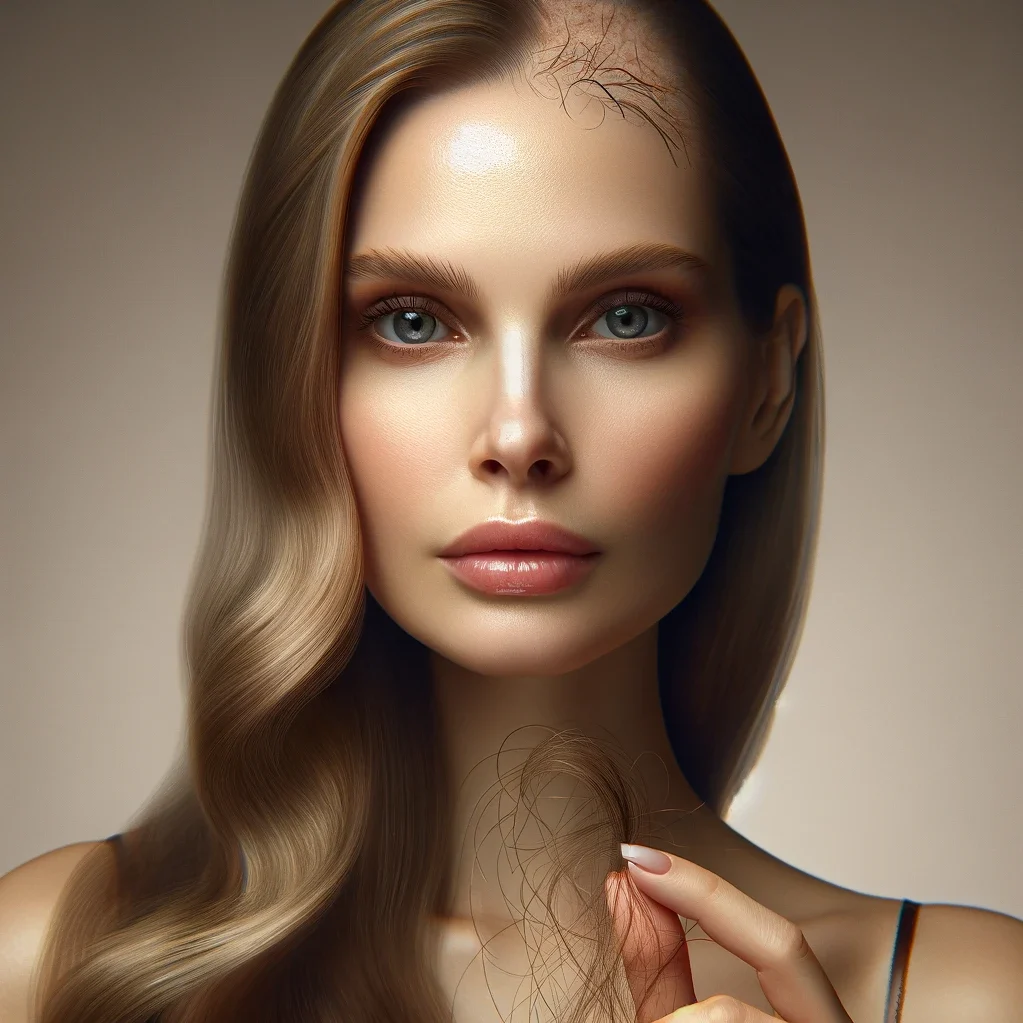

Are you experiencing hair fall and thinning? You’re not alone. Hair loss in females can occur due to various reasons, such as androgenetic alopecia or female pattern baldness. The good news is that there are effective treatments and remedies available to help promote hair regrowth in women.
When it comes to female hair loss treatments, there are several options to consider. Topical medications like minoxidil, light therapy, hormone therapy, and hair transplants have shown positive results in reducing hair fall and promoting regrowth. Additionally, making certain lifestyle changes and incorporating natural remedies into your routine can also contribute to healthier hair.
In this article, we will explore these treatment options in detail, discuss their effectiveness, and provide valuable insights into managing and preventing hair fall in women.
Key Takeaways:
- Female hair loss can be caused by various factors, including androgenetic alopecia.
- Topical medications like minoxidil (Rogaine) have been approved by the FDA for treating hair loss in women.
- Light therapy, when used in combination with other treatments, can stimulate hair regrowth.
- Hormone therapy, such as birth control pills, can be effective for hair loss due to hormonal imbalances.
- Maintaining a healthy lifestyle and following a nutritious diet can help prevent hair fall.
Topical Medications for Female Hair Loss
When it comes to tackling hair fall in females, topical medications can be an effective solution. One such medication is minoxidil, sold under the brand name Rogaine. Approved by the FDA for both males and females, minoxidil stimulates hair growth, thickens existing hairs, and reduces patchiness.
Minoxidil is available in 2% and 5% concentrations, and the recommended application frequency is daily or twice daily for optimal results. This topical treatment is generally safe and well-tolerated, with minimal side effects.
| Benefits of Topical Minoxidil: | Recommended Concentration: | Application Frequency: |
|---|---|---|
| Stimulates hair growth | 2% or 5% | Daily or twice daily |
| Thickens existing hairs | ||
| Reduces patchiness |
While using minoxidil, it’s important to follow the instructions provided by your healthcare professional or the product packaging. Consistency is key in achieving the desired results. Remember, results may vary from person to person, and it may take several months of regular use to see noticeable improvements.
To enhance the effectiveness of minoxidil, it’s recommended to combine it with other hair growth treatments or therapies, such as low-level light therapy.
Consumer Testimonial:
“I’ve been using minoxidil as part of my hair regrowth regimen, and I’m thrilled with the results. Not only did it help my hair grow back, but it also made it thicker and fuller. I highly recommend it to any woman struggling with hair loss.”
– Jennifer, 45
If you’re experiencing hair fall and looking for a solution, consider incorporating minoxidil into your hair care routine. Consult with a healthcare professional to determine the most suitable concentration and usage frequency for your specific needs.
Stay tuned for the next section where we explore another effective treatment option for female hair loss: light therapy.
Light Therapy for Female Hair Loss
Low-level light therapy (LLLT) is a promising treatment option for female pattern hair loss (FPHL). When used in conjunction with other hair loss treatments like minoxidil, LLLT has shown potential in improving hair regrowth and overall satisfaction with treatment.
LLLT involves exposing the scalp to specific wavelengths of light, which may stimulate the hair follicles and promote hair growth. This non-invasive procedure is typically performed using a specialized device, such as a laser cap or handheld laser comb, which emits low-level laser light onto the scalp.
While the exact mechanisms through which LLLT promotes hair regrowth are not fully understood, it is believed that the light energy stimulates cellular activity within the hair follicles, leading to increased blood flow, nutrient delivery, and improved hair growth cycle.
Studies have shown positive results with LLLT as a complementary treatment for FPHL. For example, a randomized controlled trial published in the journal “Dermatologic Surgery” found that participants who received LLLT in addition to minoxidil showed significantly greater hair density improvement compared to those who only used minoxidil.
Another study published in the “Journal of Cosmetic and Laser Therapy” reported a significant increase in hair count and thickness in women with FPHL who underwent LLLT. The treatment was well-tolerated, with no reported major adverse effects.
Although LLLT shows promise as an effective hair fall remedy for females, further research is needed to establish its long-term efficacy and optimal treatment protocols. Additionally, individual results may vary, and LLLT should be used as part of a comprehensive hair loss treatment plan under the guidance of a healthcare professional.
| Treatment | Efficacy | Safety | Convenience |
|---|---|---|---|
| Low-level light therapy (LLLT) | Shown to improve hair regrowth when used in combination with other treatments | Generally well-tolerated with minimal side effects | Convenient at-home treatment options available |
| Minoxidil (topical medication) | Stimulates hair growth and thickens existing hairs | Generally safe and well-tolerated | Topical application required |
| Hormone therapy | Can be effective for hair loss due to hormonal imbalances | May have side effects and require ongoing monitoring | Oral medication or topical applications |
Other Treatment Options for Female Hair Loss
While minoxidil and light therapy are popular treatments for female hair loss, there are other options available. Let’s explore some additional treatments that can help address hair fall in women.
Ketoconazole
One effective treatment for female hair loss is ketoconazole, a drug that helps reduce inflammation and improve the strength and appearance of hair. Ketoconazole is available in shampoo form, and regular use can help prevent hair loss and promote healthy regrowth.
Corticosteroid Injections and Platelet-Rich Plasma Injections
In certain cases, corticosteroid injections or platelet-rich plasma (PRP) injections may be recommended for female hair loss. Corticosteroid injections can help reduce inflammation and stimulate hair growth, while PRP injections involve using the patient’s own blood to promote hair regrowth. These treatments are typically performed by a dermatologist or hair restoration specialist.
Hormone Therapy
Hair loss in women can be caused by hormonal imbalances, such as those associated with menopause or polycystic ovary syndrome (PCOS). In such cases, hormone therapy may be recommended. Hormone therapy can involve the use of birth control pills or hormone replacement therapy to restore hormonal balance and prevent further hair loss.
Hair Transplantation
In severe or resistant cases of female hair loss, hair transplantation may be a viable option. Hair transplantation involves removing hair follicles from one area of the scalp (usually the back or sides) and transplanting them to the thinning or balding areas. This procedure requires careful consideration and consultation with a hair transplant specialist.
| Treatment Option | Description |
|---|---|
| Ketoconazole | A drug that reduces inflammation and improves hair strength |
| Corticosteroid Injections | Injections that reduce inflammation and stimulate hair growth |
| Platelet-Rich Plasma Injections | Injections that use the patient’s blood to promote hair regrowth |
| Hormone Therapy | Treatment to restore hormonal balance and prevent hair loss |
| Hair Transplantation | Procedure involving the transplantation of hair follicles to thinning areas |
It’s important to consult with a healthcare professional specializing in hair loss to determine the most suitable treatment option based on individual needs and conditions.

Lifestyle and Home Remedies for Hair Fall Prevention
Maintaining a healthy lifestyle and taking care of the scalp are essential for preventing hair fall in women. By following these tips, you can promote hair health and minimize hair loss.
Eat a Nutritious Diet
Consuming a well-balanced diet rich in essential nutrients is crucial for maintaining healthy hair. Include foods that are high in vitamins, minerals, and proteins, such as:
- Leafy green vegetables like spinach and kale
- Fruits like oranges and berries
- Lean proteins like poultry, fish, and eggs
- Healthy fats like avocados and nuts
- Whole grains like brown rice and quinoa
These nutrient-dense foods provide the necessary building blocks for strong and vibrant hair.
Avoid Damaging Treatments
Excessive heat, chemical treatments, and harsh styling can weaken the hair and lead to breakage and hair fall. Protect your hair by:
- Avoiding frequent use of heat-styling tools like flat irons and curling irons
- Minimizing the use of harsh chemical treatments like relaxers and perms
- Choosing gentle hair care products that are free from sulfates and parabens
- Using a wide-toothed comb or a brush with soft bristles to detangle wet hair
These measures help prevent unnecessary damage and maintain the strength of your hair.
Scalp Massages and Natural Remedies
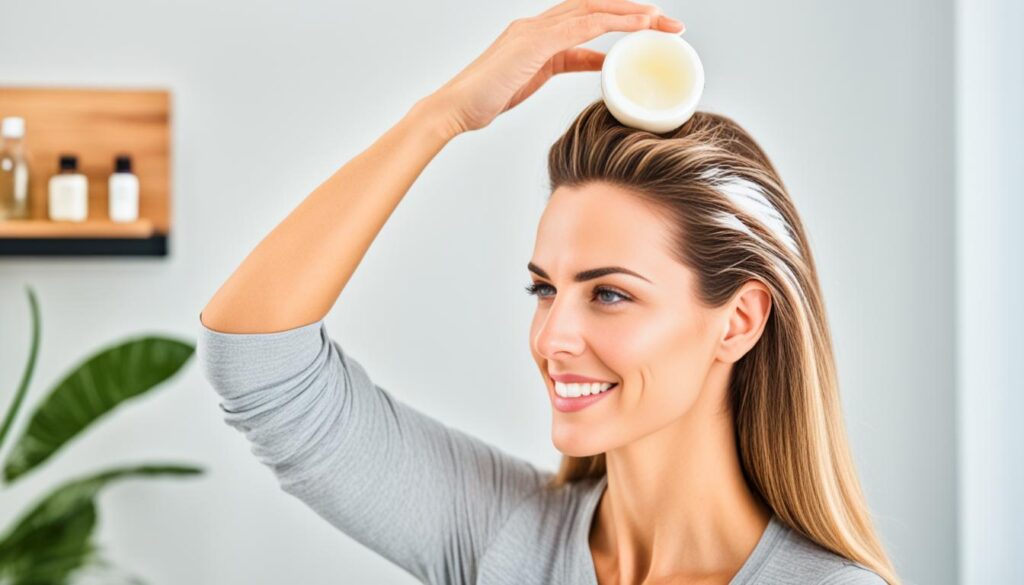
Regular scalp massages can stimulate blood circulation and promote hair growth. Gently massaging your scalp for a few minutes each day using your fingertips can improve nutrient delivery to the hair follicles.
In addition, certain natural remedies may help strengthen the hair and prevent hair fall. Consider incorporating these remedies into your hair care routine:
- Aloe vera: Apply freshly extracted aloe vera gel to your scalp and hair. Leave it on for 30 minutes before rinsing it off with lukewarm water.
- Coconut oil: Massage warm coconut oil into your scalp and hair. Leave it on overnight and rinse it out the next morning with a mild shampoo.
- Essential oils: Dilute a few drops of essential oils like lavender, rosemary, or peppermint in a carrier oil like almond or jojoba oil. Massage the mixture into your scalp and leave it on for a few hours before washing it out.
These remedies can nourish the scalp, strengthen hair follicles, and reduce hair fall.
| Home Remedies for Hair Fall in Women | Effectiveness |
|---|---|
| Aloe vera | Contains enzymes that promote hair growth |
| Coconut oil | Moisturizes the scalp and reduces breakage |
| Essential oils | Stimulate blood circulation and promote hair growth |
These home remedies can be effective in preventing hair fall and improving the overall health of your hair.
Hair Loss Diagnosis and Treatment
Diagnosing the underlying cause of hair loss is crucial in determining the most suitable treatment approach. To identify the causes, healthcare professionals utilize a variety of methods, including physical exams, blood tests, and scalp biopsies.
Once the cause has been established, treatment options can be explored. The appropriate course of action varies depending on the severity and reason behind the hair loss. Common treatments include medications, lifestyle changes, and, in some cases, surgical procedures.
“Understanding the root cause of hair loss allows us to tailor treatments specifically to an individual’s needs, increasing the likelihood of successful outcomes.” – Dr. Elizabeth Johnson, Dermatologist
Medications:
Medications are often prescribed as a primary treatment for hair loss. Two commonly used medications are Minoxidil and Finasteride.
- Minoxidil: Available in the form of a topical solution or foam, minoxidil is applied directly to the scalp. It helps stimulate hair growth and halt further loss. It is suitable for both males and females.
- Finasteride: This medication is most commonly used to treat hair loss in males. It works by inhibiting the production of DHT, a hormone that contributes to hair loss. However, it is not recommended for females, especially those who are pregnant or planning to conceive.
Surgical Procedures:
For individuals with permanent hair loss or those who do not respond to other treatments, surgical procedures may be considered.
Hair transplant surgery is a common option for permanent hair loss. It involves the extraction of hair follicles from one area of the scalp (typically the back or sides) and transplanting them to the areas of hair loss.
| Pros of Hair Transplant Surgery | Cons of Hair Transplant Surgery |
|---|---|
| – Provides natural-looking results | – Costly procedure |
| – Permanent solution for hair loss | – Risk of infection and scarring |
| – Minimal downtime and recovery | – Requires adequate donor hair |
It’s important to consult with a dermatologist or hair loss specialist to determine the most appropriate treatment option based on your individual needs and circumstances.
Conclusion
Effective hair fall remedies for females encompass a wide range of treatment options tailored to individual needs. It is advisable to consult with a healthcare professional for accurate diagnosis and personalized guidance. By addressing the underlying cause of hair loss, we can develop an effective treatment plan to combat hair fall and stimulate healthy regrowth.
Topical medications like minoxidil, such as the FDA-approved Rogaine, are commonly prescribed to both males and females. These medications promote hair growth, thicken existing hair, and minimize patchiness. Light therapy, when used in conjunction with other treatments, may also stimulate hair follicles and aid in regrowth. Other treatment options, like ketoconazole, corticosteroid or platelet-rich plasma injections, and hormone therapy, can further assist in combating hair loss.
In addition to medical treatments, lifestyle modifications can play a crucial role in preventing hair fall. A well-balanced diet rich in essential nutrients is essential, while caution should be exercised with damaging hair treatments and excessive heat. Home remedies, such as scalp massages, aloe vera, and coconut oil, may also support overall hair health and minimize hair loss.
By adopting a comprehensive approach that combines medical interventions with a healthy lifestyle, females experiencing hair loss can effectively address hair fall and encourage the regrowth of strong and healthy hair. Remember, proper consultation and guidance from healthcare professionals are vital in finding the most suitable hair fall remedies for every individual.
FAQ
What are some effective hair fall remedies for females?
There are several effective hair fall remedies for females, including topical medications, light therapy, and natural remedies. These treatments can help reduce hair fall and promote healthy regrowth.
What are the best hair fall solutions for women?
The best hair fall solutions for women may include topical medications like minoxidil, hormone therapy, and hair transplants. These treatments can help address the underlying causes of hair loss and stimulate hair regrowth.
Can natural remedies help with hair loss in women?
Yes, natural remedies such as aloe vera, coconut oil, and scalp massages can help promote hair health and prevent hair loss. However, it is important to consult with a healthcare professional to determine the cause of hair loss and develop a personalized treatment plan.
How can I stop hair fall in females?
To stop hair fall in females, it is important to maintain a healthy lifestyle, follow a nutritious diet, and avoid damaging treatments like excessive heat or chemical treatments. Consulting with a healthcare professional can help determine the underlying cause of hair loss and develop an appropriate treatment plan.
What are some women’s hair growth remedies?
Women’s hair growth remedies may include using topical medications like minoxidil, undergoing light therapy, and trying natural remedies such as scalp massages and aloe vera. It is important to consult with a healthcare professional to determine the most suitable treatment options.
What are some effective hair fall remedies for females with pattern hair loss?
For females with pattern hair loss, effective hair fall remedies may include topical medications like minoxidil, hormone therapy, and hair transplants. These treatments can help stimulate hair regrowth and improve the appearance of thinning hair.
Are there any home remedies for hair fall in women?
Yes, there are home remedies for hair fall in women. These include scalp massages, using aloe vera or coconut oil, and following a nutritious diet. However, it is important to consult with a healthcare professional to determine the most appropriate treatment options.
How do I diagnose and treat female hair loss?
Diagnosing female hair loss involves a physical exam, blood tests, and scalp biopsies. Treatment options range from topical medications like minoxidil to hormone therapy and hair transplant surgery, depending on the cause and severity of hair loss. It is important to consult with a healthcare professional for an accurate diagnosis and personalized treatment plan.