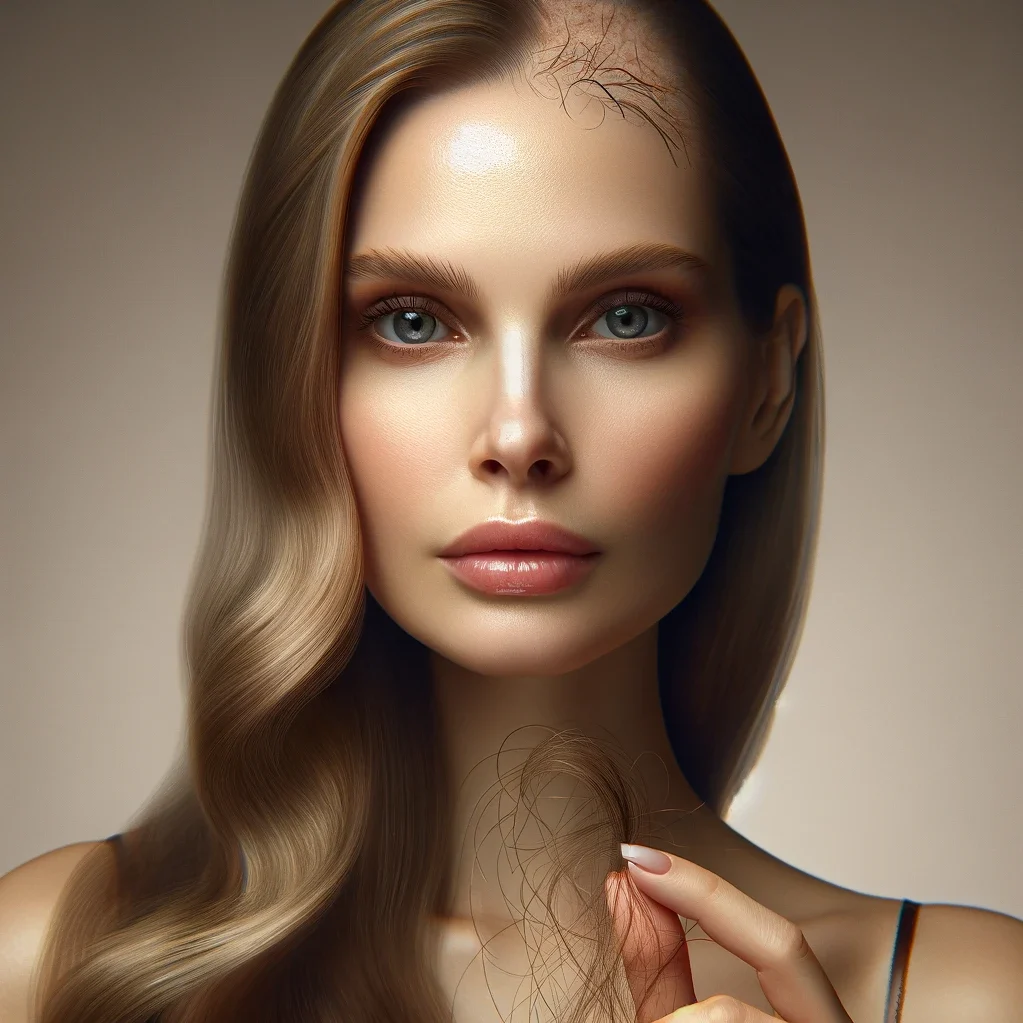

Did you know that the average person has about 100,000 hair follicles on their scalp? That’s a staggering number when you consider that each of these follicles is responsible for producing hair and contributing to the overall hair growth process.
Hair growth is a fascinating and intricate cycle that begins within these hair follicles, small structures located beneath the surface of the skin. It involves a complex interplay of cells, hormones, and genetic factors that determine the length, thickness, and texture of our hair.
Understanding where hair growth starts and how it progresses through different stages can help us better care for our hair and promote optimal growth. So, let’s dive into the fascinating world of hair follicles and uncover the mysteries of hair growth!
Key Takeaways:
- Hair growth originates from the hair follicles located beneath the skin’s surface.
- The hair growth cycle consists of three main stages: anagen, catagen, and telogen.
- Genetics, hormones, and overall health can influence hair growth patterns.
- A holistic approach to hair wellness, including lifestyle and diet changes, can promote healthy hair growth.
- Natural remedies and stem cells play a significant role in supporting hair regrowth.
Embracing a Holistic Approach To Hair Wellness
Taking a holistic approach to hair wellness is crucial for maintaining healthy and vibrant hair. At our wellness center, we believe in the concept of whole person health, which focuses on the interconnectedness of lifestyle, diet, and overall well-being with hair health. By understanding the lifestyle factors that impact hair growth, adopting a nutritious diet, and following healthy hair practices, you can nurture your hair from the inside out.
One of the key aspects of a holistic approach is acknowledging the lifestyle impact on hair. Our fast-paced lives and high stress levels can contribute to hair problems such as hair loss and thinning. By managing stress through relaxation techniques like meditation and yoga, you can create a healthier environment for hair growth.
Diet plays a vital role in hair wellness. Consuming nutrient-rich foods provides the necessary vitamins and minerals to support hair growth. Opt for a balanced diet that includes a variety of fruits, vegetables, lean proteins, and whole grains. Specifically, focus on incorporating foods that are known to promote hair growth, such as leafy greens, berries, nuts, and seeds.
In addition to a healthy diet, incorporating hair growth vitamins into your routine can provide an extra boost of nutrients for your hair follicles. Biotin, vitamin C, and vitamin E are some examples of hair growth vitamins that can support healthy hair.
Scalp health is another essential aspect of hair wellness. The condition of your scalp can impact hair growth and overall hair health. Gentle scalp massages can enhance blood circulation and promote healthy hair follicles. Additionally, using gentle hair care practices, such as avoiding excessive heat styling and using scalp-friendly hair products, can help maintain the health of your hair.
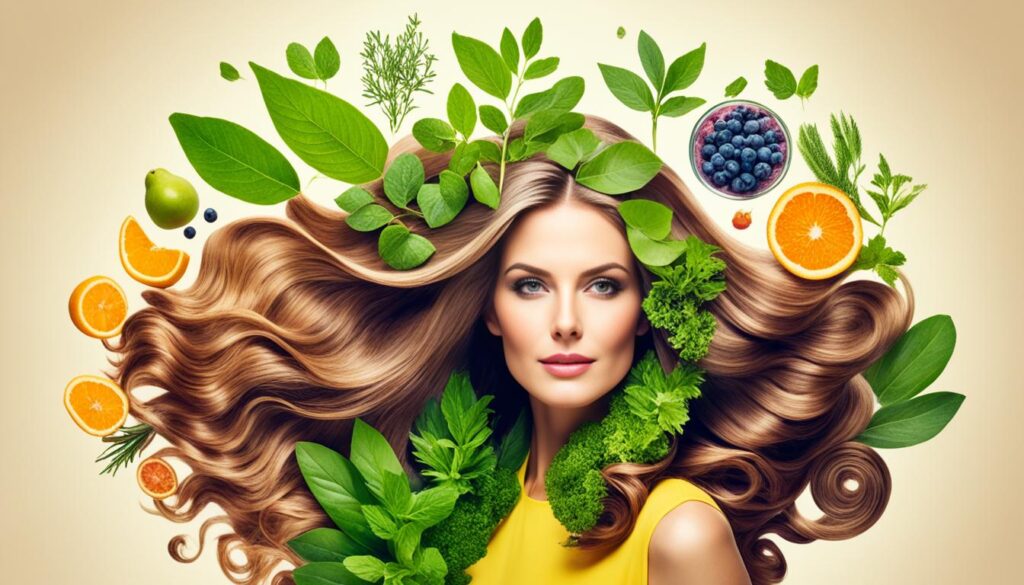
By embracing a holistic approach to hair wellness, you are addressing the underlying factors that contribute to hair health. By focusing on whole person health, incorporating nutrient-rich foods, hair growth vitamins, scalp health practices, and healthy lifestyle choices, you can nurture your hair and promote optimal hair growth.
The Hair Growth Cycle and Its Impact on Hair Health
Understanding the hair growth cycle is essential for maintaining healthy hair. The hair growth cycle consists of three phases: anagen, catagen, and telogen. Each phase plays a crucial role in the overall health and appearance of your hair.
Anagen Phase
The anagen phase is the active growth phase of the hair follicles. It typically lasts for 2 to 6 years, during which the hair grows approximately half an inch per month. This phase is the longest and determines the length of your hair. Around 90% of your hair is in the anagen phase at any given time.
Catagen Phase
The catagen phase is a transitional phase that lasts for about 2 weeks. During this stage, the hair follicles begin to shrink, and the hair stops growing. Only around 1 to 2% of your hair is in the catagen phase at a given time.
Telogen Phase
The telogen phase is the resting phase of the hair growth cycle. It lasts for about 2 to 3 months, during which the hair follicles remain dormant. Eventually, the old hair sheds, and new hair starts to grow, marking the beginning of a new hair growth cycle. Approximately 10% of your hair is in the telogen phase at any given time.
| Phase | Duration | Function |
|---|---|---|
| Anagen | 2 to 6 years | Active hair growth |
| Catagen | About 2 weeks | Transition period |
| Telogen | 2 to 3 months | Resting phase and hair shedding |
Disruptions in the hair growth cycle can lead to hair loss or thinning. Factors such as stress, hormonal imbalances, and nutritional deficiencies can interfere with the normal progression of the hair growth cycle. It is crucial to identify and address these disruptions early on to promote healthy hair growth.
“Understanding the intricacies of the hair growth cycle allows us to develop targeted approaches for hair health and regrowth.” – HairExpert
Natural Remedies for Hair Regrowth
Nature provides us with a wealth of remedies that can support hair regrowth and help us achieve a fuller, healthier mane. In this section, we will explore various natural solutions that have shown promising results in promoting hair growth.
Herbal Treatments for Hair
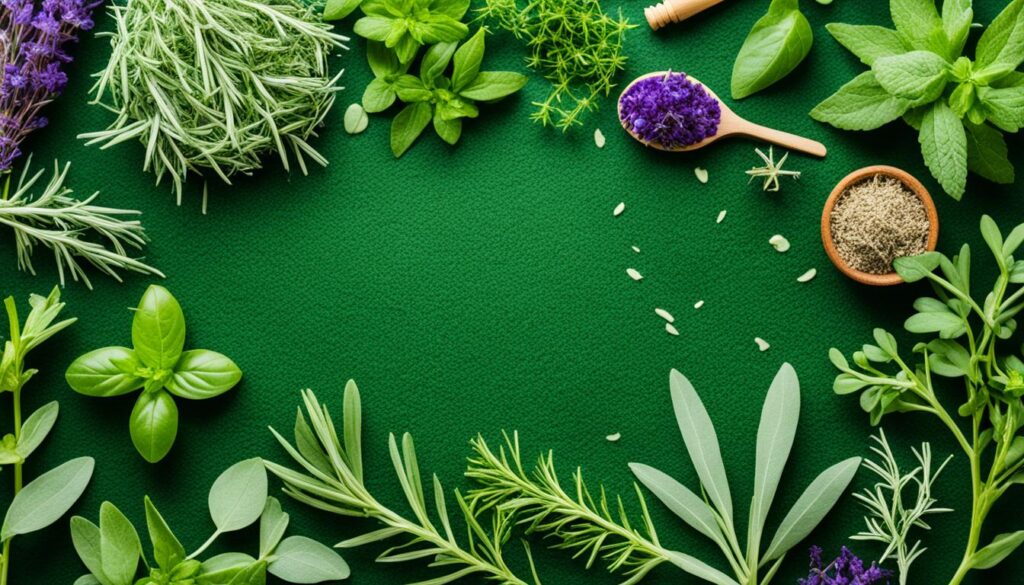
Herbal treatments have long been used for their potential to prevent hair loss and stimulate hair regrowth. Some notable herbs that have shown promising effects include:
- Saw Palmetto: This herb may inhibit the production of an enzyme that contributes to hair loss, potentially promoting hair growth.
- Ginkgo Biloba: Known for its antioxidant properties, ginkgo biloba can help improve blood circulation in the scalp, supporting healthy hair follicles.
- Stinging Nettle: Rich in vitamins and minerals, stinging nettle may help nourish the scalp and encourage hair growth.
Essential Oils for Hair Growth
Essential oils are concentrated plant extracts that can provide a range of benefits for hair health, including promoting hair growth. Some essential oils that have been studied for their hair growth properties include:
- Rosemary Oil: Known for its stimulating effects, rosemary oil can improve scalp circulation and potentially increase hair growth.
- Peppermint Oil: The menthol in peppermint oil has a cooling sensation that can invigorate the scalp and enhance hair growth.
- Lavender Oil: With its soothing aroma, lavender oil can help reduce stress, which may indirectly support hair regrowth.
DIY Scalp Treatments
With a few simple ingredients found in your kitchen, you can create DIY scalp treatments to nourish your hair follicles and promote hair regrowth. Here are a few popular options:
- Aloe Vera: Known for its soothing properties, aloe vera can help balance the scalp’s pH levels and support healthy hair growth.
- Coconut Oil: Rich in vitamins and fatty acids, coconut oil can penetrate the hair shaft, strengthening the hair from within.
- Onion Juice: Although the smell may be less than pleasant, onion juice contains sulfur, which may stimulate hair follicles and encourage regrowth.
Lifestyle Changes for Hair Regrowth
In addition to natural remedies, making certain lifestyle changes can also contribute to hair regrowth. Consider incorporating the following habits into your daily routine:
- Reducing Stress: Stress can disrupt the hair growth cycle, so finding effective stress-reduction techniques like meditation or yoga can help support a healthy scalp and promote hair growth.
- Eating a Balanced Diet: Ensuring you consume a diet rich in vitamins, minerals, and proteins can provide the necessary nutrients for healthy hair growth.
- Protecting Your Hair: Avoid excessive heat styling, tight hairstyles, and harsh chemical treatments, as these can weaken the hair and lead to breakage.
By exploring these natural remedies and incorporating them into your hair care routine, you can nurture your hair follicles, improve scalp health, and support hair regrowth in a holistic and sustainable way.
The Role of Stem Cells in Hair Growth
Stem cells play a crucial role in the fascinating process of hair growth. Specifically, hair follicle stem cells, which reside in the hair bulb, are responsible for initiating and maintaining hair growth.
These highly specialized stem cells possess the remarkable ability to divide and differentiate, giving rise to new hair follicles and allowing for continual hair growth. It is through the activation of these hair follicle stem cells that the regeneration and renewal of hair follicles occur.
The activation of hair follicle stem cells is tightly controlled by intricate signaling pathways. These pathways involve a complex interplay of molecular signals that regulate the growth and differentiation of the stem cells. Various external and internal factors can influence these signaling pathways and impact hair growth.
One such factor is melanocyte senescence. Melanocytes are the pigment-producing cells that provide color to our hair follicles. Over time, melanocytes can enter a state of senescence, where they are no longer able to function effectively. Studies have shown that senescent melanocytes can communicate with adjacent hair follicle stem cells and initiate hyperactivity, leading to excessive hair growth.
Understanding the intricate interactions between stem cells and senescent melanocytes within the hair follicles provides valuable insights into the underlying mechanisms of hair growth. It opens up new possibilities for therapeutic interventions aimed at promoting hair regrowth.
Stem Cells and Signaling Pathways in Hair Growth
The process of hair growth involves a complex network of signaling pathways that regulate and coordinate the activities of hair follicle stem cells. These signaling pathways are responsible for triggering the activation or quiescence of stem cells, controlling their proliferation, and guiding their differentiation into specialized hair follicle cells.
One of the key signaling pathways involved in hair growth is the Wnt signaling pathway. This pathway plays a crucial role in initiating the growth phase (anagen) of the hair cycle by activating hair follicle stem cells.
Another important pathway is the Notch signaling pathway, which regulates the transition from the anagen phase to the catagen phase, where hair growth ceases. It is through the modulation of this pathway that hair follicle stem cells transition from a proliferative state to a quiescent state.
Other signaling pathways, such as the BMP, Shh, and FGF pathways, also contribute to the regulation of hair growth and the maintenance of the hair follicle stem cell population.
Conclusion
Achieving and maintaining healthy hair requires a holistic approach that considers various factors, including lifestyle, nutrition, and natural remedies. By adopting a holistic approach to hair wellness, we can promote optimal hair growth and prevent hair loss. Embracing a “whole person health” philosophy allows us to understand the interconnectedness of our overall well-being and the health of our hair.
To maintain healthy and vibrant hair, we should incorporate nutrient-rich foods and hair growth vitamins into our diet. Consuming a balanced diet that provides essential nutrients supports the health of our hair follicles, promoting healthy growth. Additionally, practicing healthy hair care habits, such as gentle handling of hair and regular scalp massages, can enhance blood circulation and promote a healthy scalp.
Natural remedies, such as herbal treatments and essential oils, offer alternative approaches to hair regrowth. Herbal treatments like saw palmetto and ginkgo biloba have shown potential in preventing hair loss and stimulating growth. Essential oils like rosemary and lavender can invigorate the scalp and improve blood flow to hair follicles. We can also explore DIY scalp treatments using beneficial ingredients like aloe vera and coconut oil.
By understanding the hair growth cycle and the role of stem cells in hair growth, we gain insight into how we can take proactive steps to maintain healthy hair. Consistent care and attention to our holistic hair wellness can help us achieve the luscious locks we desire.
FAQ
Where does hair growth start?
Hair growth starts within the hair follicles, which are small structures located beneath the skin’s surface.
What are the stages of hair growth?
The stages of hair growth include anagen (growth phase), catagen (transition phase), and telogen (resting phase).
What is the role of hair follicles in hair growth?
Hair follicles house specialized cells called hair follicle stem cells, which initiate and regulate hair growth.
How does the hair growth cycle work?
The hair growth cycle consists of the anagen phase, where new hair actively grows, the catagen phase, where hair stops growing and prepares to shed, and the telogen phase, which is a resting period before new hair growth begins.
What factors can influence hair growth?
Genetics, hormones, and overall health can all influence the hair growth cycle and patterns of hair growth.
What disruptions can affect the hair growth cycle?
Factors such as stress, hormonal imbalances, and nutritional deficiencies can disrupt the normal progression of the hair growth cycle, leading to hair loss or thinning.
How can I promote healthy hair growth?
Taking a holistic approach to hair wellness, including adopting a balanced diet, practicing healthy hair care habits, and utilizing natural remedies, can promote healthy hair growth.
Are there natural remedies for hair regrowth?
Yes, natural remedies such as herbal treatments, essential oils, DIY scalp treatments, and lifestyle changes can potentially promote hair regrowth.
What is the role of stem cells in hair growth?
Hair follicle stem cells play a crucial role in initiating and regulating hair growth, and their activation is influenced by signaling pathways and factors such as melanocyte senescence.
How can I maintain healthy hair?
Adopting a holistic approach to hair care, including proper nutrition, healthy hair practices, and utilizing natural remedies, can help maintain healthy and vibrant hair.