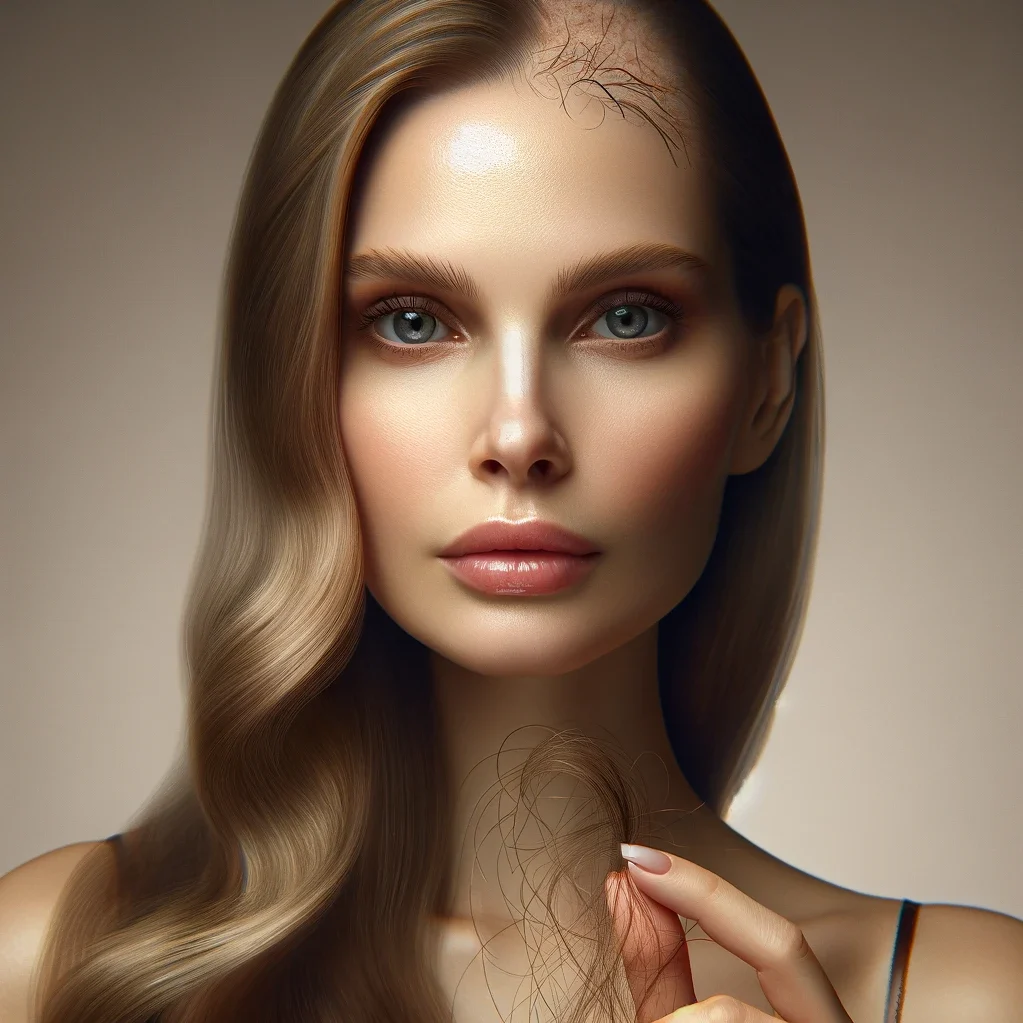
Did you know that hair loss, also known as alopecia, affects approximately 80 million people in the United States? It’s a widespread condition that can have a significant impact on a person’s self-esteem and quality of life. If you’ve been experiencing hair loss or are curious about its causes, you’ve come to the right place. In this article, we will delve into the various factors that can contribute to hair loss and explore treatment options that can help you regain your confidence.
Key Takeaways:
- Hair loss, or alopecia, is a common condition that affects millions of people in the United States.
- There are various factors that can contribute to hair loss, including heredity, hormonal changes, medical conditions, and aging.
- Understanding the underlying causes of hair loss is essential for determining appropriate treatment options.
- Treatment options for hair loss range from medication and lifestyle changes to surgical interventions like hair transplantation.
- If you are experiencing hair loss, it is important to consult with a doctor to determine the underlying cause and discuss potential treatment options.
Male-Pattern Baldness: What Causes Hair Loss in Men
Male-pattern baldness, also known as androgenic alopecia, is the most common cause of hair loss in men. It is a hereditary condition that can start as early as the teen years or early 20s. Male-pattern baldness is characterized by a receding hairline and gradual disappearance of hair from the crown and frontal scalp. The exact cause of this condition is still not fully understood, but it is believed to be influenced by a combination of genetic and hormonal factors.
Other common causes of hair loss in men include hormonal imbalances, certain medications, scalp infections, and excessive hairstyling. Hormonal imbalances, such as an excess of dihydrotestosterone (DHT), can contribute to hair loss by shrinking the hair follicles and shortening the hair growth cycle. Certain medications, such as those used for cancer treatment or high blood pressure, can also cause hair loss as a side effect. Scalp infections, such as ringworm, can lead to temporary hair loss if not treated promptly. Additionally, excessive hairstyling practices like tight ponytails or frequent use of heated styling tools can damage the hair shaft and contribute to hair loss.
Treatment options for male-pattern baldness include medications, hair transplantation, and lifestyle changes. Medications like minoxidil and finasteride are commonly used to slow down hair loss and promote hair regrowth. Hair transplantation, which involves transferring hair follicles from donor areas to areas of hair loss, can provide long-term results. Making lifestyle changes such as reducing stress, maintaining a balanced diet, and avoiding excessive hairstyling can also help improve hair health and minimize hair loss.
It is important to consult with a healthcare professional or a dermatologist if you are experiencing hair loss. They can evaluate your specific condition, identify the underlying causes, and recommend the most suitable treatment options for you.
| Causes of Hair Loss in Men | Explanation |
|---|---|
| Hereditary Factors | Male-pattern baldness is often inherited from family members, with genetics playing a significant role in determining susceptibility to hair loss. |
| Hormonal Imbalances | An excess of dihydrotestosterone (DHT), a hormone derived from testosterone, can contribute to hair loss by shrinking the hair follicles and shortening the hair growth cycle. |
| Medications | Certain medications, such as those used for cancer treatment or high blood pressure, can cause hair loss as a side effect. |
| Scalp Infections | Scalp infections, such as ringworm, can lead to temporary hair loss if not promptly treated. |
| Excessive Hairstyling | Tight ponytails, braids, or frequent use of heated styling tools can damage the hair shaft and contribute to hair loss. |
Female-Pattern Baldness: What Causes Hair Loss in Women
Female-pattern baldness, also known as androgenic alopecia, is the most common cause of hair loss in women. It typically starts in the 40s or later and is characterized by a general thinning of the hair on the scalp. Women with female-pattern baldness may notice a widening part or overall hair thinning.
Similar to male-pattern baldness, the exact cause of female-pattern baldness is not fully understood but is believed to be influenced by genetic and hormonal factors.
Other common causes of hair loss in women include hormonal imbalances such as polycystic ovary syndrome, thyroid disease, certain medications, scalp infections, and excessive hairstyling.
Treatment options for female-pattern baldness include medications, hair transplantation, and lifestyle changes.

Causes of Hair Loss in Women:
- Female-pattern baldness (androgenic alopecia)
- Hormonal imbalances (such as polycystic ovary syndrome)
- Thyroid disease
- Certain medications
- Scalp infections
- Excessive hairstyling
“Hair loss in women can be distressing and impact self-esteem. Understanding the causes and seeking appropriate treatment can help regain confidence and promote hair regrowth.” – Dr. Sarah Johnson, Dermatologist
Factors Affecting Hair Loss in Both Men and Women
When it comes to hair loss, there are several factors that can contribute to this common issue in both men and women. Understanding these factors is crucial in determining the underlying reasons behind hair loss and finding suitable treatment options.
1. Family History (Heredity): Inherited genes play a significant role in hair loss. If you have a family history of hair loss, particularly from your parents or grandparents, you are more likely to experience hair loss yourself.
2. Hormones: Hormonal changes can have a profound impact on hair growth and loss. For women, hormonal fluctuations during pregnancy, childbirth, and menopause can cause temporary or permanent hair loss. Imbalances in hormones, such as those related to thyroid problems or polycystic ovary syndrome (PCOS), can also contribute to hair loss in both men and women.
3. Medical Conditions: Certain medical conditions, such as autoimmune diseases (e.g., alopecia areata), scalp infections, and thyroid problems, can lead to hair loss. Additionally, undergoing treatments like radiation therapy can cause temporary hair loss.
4. Medications and Supplements: Some medications and supplements may have hair loss as a side effect. Drugs used in cancer treatments, antidepressants, blood thinners, and even high doses of vitamin A can induce hair loss.
5. Stress: Excessive emotional or physical stress can disrupt the natural hair growth cycle, leading to excessive hair fall and hair loss. Managing stress through relaxation techniques and stress-reducing activities can help minimize hair loss.
6. Poor Nutrition: Inadequate intake of essential nutrients, particularly vitamins and minerals like iron, zinc, and biotin, can weaken the hair and contribute to hair loss. A well-balanced diet rich in fruits, vegetables, proteins, and healthy fats is crucial for maintaining healthy hair.
7. Hairstyles and Treatments: Certain hairstyles and treatments that exert tension or pull on the hair can lead to a condition known as traction alopecia. This includes tight braids, cornrows, ponytails, and hot oil treatments. Avoiding hairstyles that strain the hair follicles can help prevent hair loss.
Identifying the specific factors contributing to hair loss is essential in developing a targeted approach for treatment and prevention. By addressing these underlying causes, individuals can take steps towards managing hair loss effectively and promoting hair regrowth.
In the next section, we will delve deeper into the hair growth cycle and its relationship to hair loss triggers.
Understanding the Hair Growth Cycle and Hair Loss
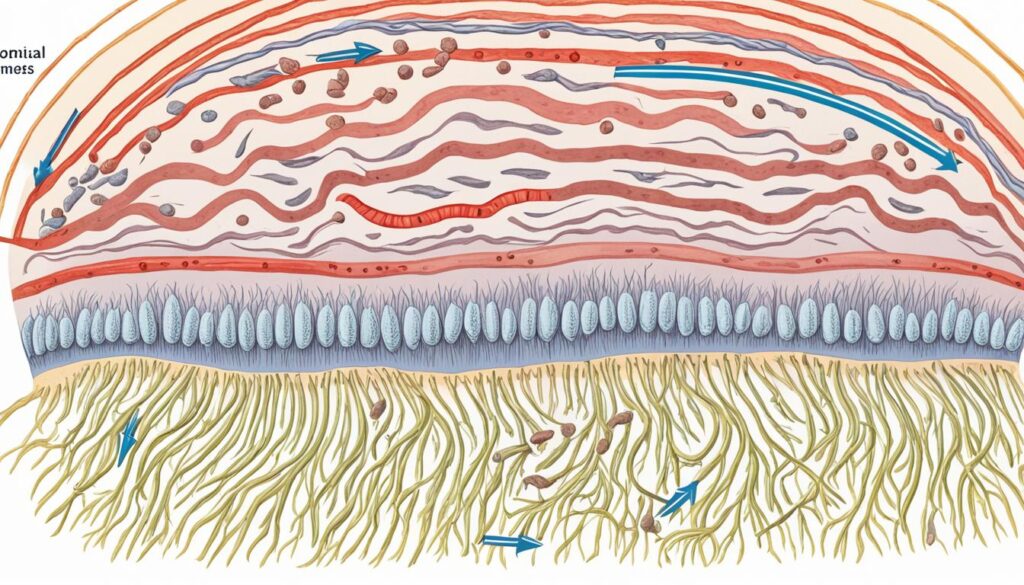
To better understand hair loss, it is important to first grasp the concept of the hair growth cycle. The hair growth cycle consists of three distinct phases: anagen, catagen, and telogen. Each hair follicle undergoes this cycle independently, determining the overall health and growth of your hair.
The anagen phase is the active hair growth phase, during which the hair follicle produces new cells and the hair shaft grows. This phase typically lasts for 2 to 7 years and accounts for about 85% to 90% of the hair on your scalp.
The catagen phase is a transitional phase that lasts for about 2 weeks. During this phase, the hair follicle shrinks and detaches from the blood supply, preparing for the next phase.
The telogen phase is the resting phase, during which the hair follicle remains inactive for about 2 to 3 months. Approximately 10% to 15% of your hair is in this phase at any given time. After the telogen phase, the hair falls out, and a new hair begins the anagen phase, restarting the cycle.
However, hair loss can occur when the hair growth cycle is disrupted. Various factors can trigger excessive hair loss, leading to thinning hair or bald spots. These factors include:
- Hormonal imbalances: Hormonal changes, such as those experienced during pregnancy, menopause, or certain medical conditions, can disrupt the hair growth cycle and lead to hair loss.
- Genetic predisposition: Hereditary factors play a significant role in hair loss. If your family has a history of baldness or thinning hair, you may be more prone to hair loss.
- Certain medical conditions: Conditions like thyroid problems, autoimmune diseases, and scalp infections can interfere with the hair growth cycle and cause excessive hair loss.
- Stress: Emotional and physical stress can disrupt the normal functioning of the hair follicles, resulting in hair loss.
- Medications: Some medications, such as those used for cancer treatment, can have hair loss as a side effect.
Identifying the specific triggers for hair loss is crucial in developing targeted treatment approaches. By understanding the hair growth cycle and the factors that can disrupt it, individuals experiencing hair loss can take appropriate steps to address the underlying causes and potentially promote hair regrowth.
| Hair Growth Cycle | Excessive Hair Loss Causes |
|---|---|
| Anagen Phase | Hormonal imbalances |
| Catagen Phase | Genetic predisposition |
| Telogen Phase | Certain medical conditions |
| Stress | |
| Medications |
Conclusion
Hair loss is a common condition that can affect both men and women. It can be caused by various factors, including heredity, hormonal changes, medical conditions, and lifestyle choices. Understanding the underlying causes of hair loss is essential for determining appropriate treatment options.
Whether it is male-pattern baldness, female-pattern baldness, alopecia areata, or other forms of hair loss, consulting with a doctor can provide valuable insights and guidance. Treatment options for hair loss range from medication and lifestyle changes to surgical interventions like hair transplantation. By addressing the root causes of hair loss, individuals can take steps towards managing this condition effectively and potentially promoting hair regrowth.
If you are experiencing hair loss, do not hesitate to seek professional help. A doctor can evaluate your specific situation, identify any underlying medical conditions, and recommend the most suitable treatment plan. Remember, understanding hair loss is the first step towards taking control of your hair health and finding a solution that works for you.
FAQ
What causes hair loss?
Hair loss can be caused by various factors such as heredity, hormonal changes, medical conditions, and aging.
What causes hair loss in men?
Male-pattern baldness, also known as androgenic alopecia, is the most common cause of hair loss in men. Other common causes include hormonal imbalances, certain medications, scalp infections, and excessive hairstyling.
What causes hair loss in women?
Female-pattern baldness, also known as androgenic alopecia, is the most common cause of hair loss in women. Other common causes include hormonal imbalances, thyroid disease, certain medications, scalp infections, and excessive hairstyling.
What are the common causes of hair loss in both men and women?
Factors contributing to hair loss in both men and women include family history (heredity), hormones, medical conditions, medications, radiation therapy, stress, poor nutrition, and certain hairstyles and treatments.
How does the hair growth cycle relate to hair loss?
The hair growth cycle consists of three phases: anagen (active hair growth), catagen (transitional hair growth), and telogen (resting phase). Hair loss occurs when the cycle is disrupted, preventing new hair from replacing the hair that has fallen out.
Q: Should I consult a doctor if I’m concerned about hair loss?
Yes, it is important to consult with a doctor to determine the underlying cause of hair loss and discuss potential treatment options.