
Did you know that approximately 80 million people in the United States suffer from some form of hair loss? Hair loss can be a distressing condition that affects individuals of all ages and genders. While there can be various causes for hair loss, understanding the underlying factors is crucial in determining the most effective treatment approach.
In the search for answers, blood tests have emerged as a valuable tool in diagnosing and addressing hair loss. These tests can provide valuable insights into the root cause of hair loss, allowing dermatologists to develop personalized treatment plans that target the specific underlying factors contributing to hair loss.
Key Takeaways:
- Approximately 80 million people in the United States are affected by hair loss.
- Understanding the underlying factors is essential for effective treatment.
- Blood tests can provide valuable insights into the root cause of hair loss.
- Personalized treatment plans can be developed based on blood test results.
- Consult with a dermatologist to determine which blood tests are necessary for your hair loss evaluation and treatment plan.
The Role of Medical History and Physical Exam
To accurately diagnose hair loss, a thorough medical history and physical examination are essential. At our clinic, we take a comprehensive approach to understand each patient’s unique situation and determine the most appropriate course of action. Our dermatologist will ask targeted questions about the onset, pattern, and progression of hair loss, inquiring about any underlying health conditions or medications that could contribute to the problem.
It’s important to provide detailed information during the medical history assessment, as it helps us identify potential triggers or predisposing factors related to hair loss. Family history is particularly valuable, as certain hair loss patterns can have a genetic component.
During the physical exam, our dermatologist will thoroughly examine the scalp for signs of inflammation, infection, scarring, or abnormalities that may explain hair loss. We pay close attention to any visible hair breakage and evaluate the strength and fragility of your hair strands. These observations, alongside a careful evaluation of your medical history, enable us to form a comprehensive picture of your hair loss condition.
| Medical History Questions | Physical Exam Findings |
|---|---|
| Onset, pattern, and progression of hair loss | Inflammation or redness on the scalp |
| Family history of hair loss | Visible signs of hair breakage |
| Current medications and medical conditions | Scarring or lesions on the scalp |
| Stress levels and lifestyle factors | Strength and fragility of hair strands |
In some cases, additional tests such as the pull and tug tests may be performed to assess the severity and fragility of hair loss. These tests involve gently pulling on a small amount of hair to evaluate its response and determine the health of the hair follicles.
By gathering detailed medical history and conducting a thorough physical examination, we can develop an accurate diagnosis and create a personalized treatment plan tailored to your specific needs. It’s the first step towards regaining your confidence and restoring the health of your hair.
Advanced Techniques in Hair Loss Diagnosis
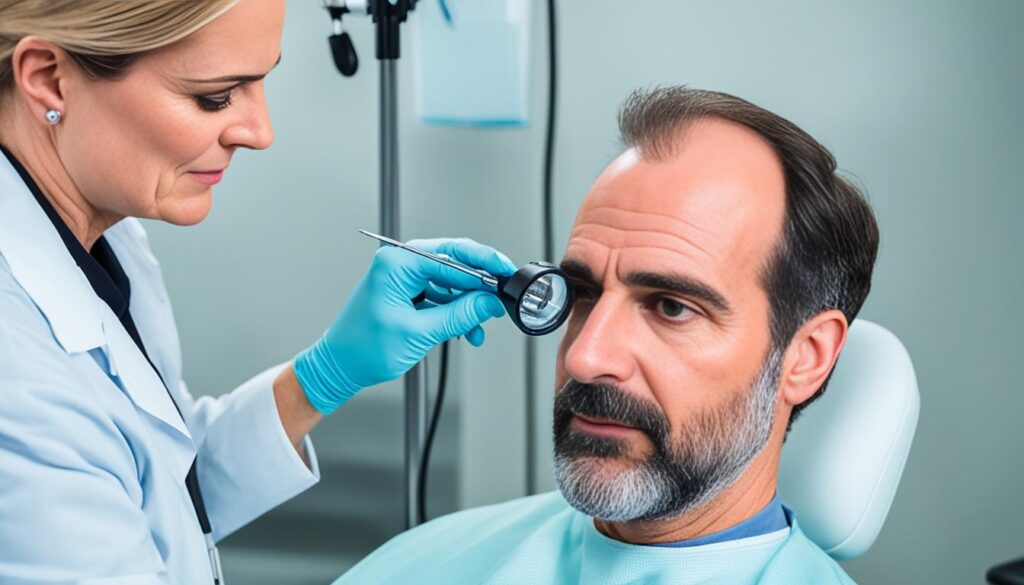
When it comes to diagnosing hair loss, dermatologists now have access to advanced techniques that provide detailed insights into the underlying causes. One such technique is trichometric analysis, which utilizes a computerized measurement tool called the Folliscope.
The Folliscope is a state-of-the-art device that magnifies images of the scalp and hair by up to 100 times. This allows dermatologists to examine the scalp and hair follicles with extraordinary precision, providing valuable information about hair coverage, density, thickness, and overall scalp health.
Trichometric analysis using the Folliscope is a non-invasive procedure that involves capturing high-resolution images of the scalp. These images are then analyzed using specialized software to measure various parameters, including hair follicle count, hair diameter, and hair growth rate.
| Advantages of Trichometric Analysis with the Folliscope |
|---|
| Accurate and objective measurement of hair parameters |
| Provides quantitative data for tracking hair growth progress |
| Allows for early detection of hair loss and monitoring of treatment efficacy |
| Helps in identifying underlying causes of hair loss, such as androgenetic alopecia or telogen effluvium |
| Enables customized treatment plans based on individual hair characteristics |
By utilizing trichometric analysis with the Folliscope, dermatologists can accurately diagnose hair loss and develop personalized treatment strategies. Regular measurements using this advanced tool also enable monitoring of treatment progress and provide valuable feedback on the effectiveness of interventions.
Early detection and intervention are key when it comes to managing hair loss. Trichometric analysis offers a cutting-edge solution that empowers both dermatologists and patients in the battle against hair loss.

“Trichometric analysis with the Folliscope revolutionizes our ability to diagnose and treat hair loss. The detailed insights it provides about the scalp and hair follicles help us tailor treatment plans to individual patients and monitor their progress effectively.” – Dr. Emily Johnson, Dermatologist
Additional Diagnostic Tests for Hair Loss
In some cases, determining the exact cause of hair loss requires additional diagnostic tests beyond blood work and physical examination. These tests aim to provide further insights into the underlying factors contributing to hair loss and help refine the diagnosis. Two commonly employed tests for this purpose are fungal culture and punch biopsy.
Fungal Culture
A fungal culture is performed when a fungal infection known as tinea capitis is suspected as the cause of hair loss. This infection can lead to a condition called scalp ringworm, characterized by itching, scaling, and hair breakage.
The test involves taking a small sample from the scalp and analyzing it in a laboratory setting. The analysis aims to detect the presence of any pathogenic fungi that may be causing the hair loss. If the culture comes back positive, appropriate antifungal treatment can be prescribed to target the infection and promote hair regrowth.
Punch Biopsy
In certain cases, a punch biopsy may be warranted to obtain a comprehensive understanding of the hair follicles and scalp tissue. This test involves removing a small circular section of skin and hair from the affected area using a specialized tool.
The collected tissue sample is then sent to a laboratory for analysis under a microscope. The pathologist examines the sample to assess the condition of the hair follicles, presence of inflammation or scarring, and any other abnormalities. This information can be particularly useful in cases of scarring alopecia, where the underlying cause needs to be identified accurately to guide treatment decisions.
These additional diagnostic tests, such as fungal culture and punch biopsy, provide vital data to support the dermatologist’s diagnosis of hair loss. By identifying the specific cause, healthcare professionals can develop targeted treatment plans for patients, leading to optimal outcomes.
Blood Tests for Underlying Medical Conditions
If an underlying medical condition is suspected to be causing hair loss, blood tests can help in the diagnosis. For example, low levels of iron in the bloodstream may contribute to hair loss, and a blood test can determine the level of ferritin, which indicates iron storage in the body. Thyroid disease, such as hypothyroidism or hyperthyroidism, can also cause hair loss, and blood tests can assess thyroid function. Elevated androgen levels may be associated with hair loss in women, and blood tests can detect androgen excess.
In cases of hair loss, it is important to consider the potential role of underlying medical conditions. Blood tests can provide valuable information and help pinpoint the cause of hair loss. Here are some key medical conditions that blood tests can help diagnose:
Iron Deficiency
Iron is essential for healthy hair growth. When iron levels are low, the body may prioritize other major organs, leading to insufficient iron reaching the hair follicles. Blood tests can measure the level of ferritin, which indicates the body’s iron storage. If iron deficiency is detected, supplements or dietary changes can be recommended to improve hair health.
Thyroid Disease
Thyroid disorders, such as hypothyroidism or hyperthyroidism, can disrupt the normal functioning of hair growth cycles. Blood tests can evaluate thyroid hormone levels, including thyroid-stimulating hormone (TSH), thyroxine (T4), and triiodothyronine (T3). If an imbalance is detected, appropriate treatment can be prescribed to restore thyroid function and promote hair regrowth.
Androgen Excess
In women, excess androgen hormone levels can contribute to hair loss. Conditions like polycystic ovary syndrome (PCOS) can cause elevated androgen levels and disrupt the hair growth cycle. Blood tests can measure androgen levels, such as testosterone and dehydroepiandrosterone sulfate (DHEAS), helping to identify and treat the underlying cause of hair loss.
| Medical Condition | Blood Test |
|---|---|
| Iron Deficiency | Ferritin Levels |
| Thyroid Disease | TSH, T4, T3 Levels |
| Androgen Excess | Testosterone, DHEAS Levels |
These blood tests play a crucial role in diagnosing underlying medical conditions that may contribute to hair loss. By identifying and addressing the root cause, targeted treatments can be prescribed, promoting hair regrowth and improving overall hair health.
Blood Tests for Hair Loss – Commonly Used Tests
When it comes to diagnosing hair loss, blood tests play a crucial role in uncovering the underlying causes. There are several commonly used blood tests that dermatologists rely on to evaluate hair loss and determine the most effective treatment approach.
Complete Blood Count (CBC)
A complete blood count (CBC) is a comprehensive blood test that provides valuable insights into blood cell activities and can help identify any signs of inflammation. By examining the levels of different blood cells, such as red blood cells, white blood cells, and platelets, a CBC can give us important clues about the overall health of the body and potential factors contributing to hair loss.
C-Reactive Protein (CRP)
The C-reactive protein (CRP) test measures inflammation levels in the body and can be particularly useful in assessing certain types of hair loss that are associated with inflammation. Elevated CRP levels may indicate an underlying inflammatory condition or disease, which can contribute to hair loss. By measuring CRP levels, we can better understand the inflammatory response and its impact on hair health.
Antinuclear Antibodies (ANA)
The antinuclear antibodies (ANA) test is primarily used to diagnose autoimmune diseases, including alopecia areata, a type of hair loss characterized by sudden hair loss in round patches. ANA test detects the presence of antibodies that attack the body’s own cells, including hair follicles. A positive ANA result may indicate an autoimmune component to hair loss and guide us towards appropriate treatment options.
Thyroid Hormone Levels
Thyroid dysfunction, such as hypothyroidism or hyperthyroidism, can contribute to hair loss. Blood tests can measure the levels of thyroid hormones, such as T3 (triiodothyronine) and T4 (thyroxine), to assess thyroid function. Abnormal thyroid levels can disrupt the hair growth cycle and lead to hair thinning or shedding. By evaluating thyroid hormone levels, we can determine whether thyroid abnormalities are contributing to hair loss.
Iron and Ferritin Levels
Iron deficiency is a common cause of hair loss, especially in women. Blood tests can measure both iron levels and ferritin levels, which indicate iron storage in the body. Low ferritin levels, even within the normal range, can contribute to hair loss. By assessing iron and ferritin levels, we can identify and address any iron deficiencies that may be contributing to hair loss.
Sex Hormone Levels
Sex hormone imbalances can also play a role in hair loss. Hormones such as testosterone, estrogen, and progesterone can impact the hair growth cycle. Blood tests can measure sex hormone levels and help identify any hormonal imbalances that may be contributing to hair loss. By addressing hormonal imbalances, we can potentially slow down or reverse hair loss.
These commonly used blood tests provide valuable information about the underlying causes of hair loss. They allow us to tailor treatment approaches that address specific factors contributing to hair loss, leading to more effective and targeted interventions.
| Blood Test | Purpose |
|---|---|
| Complete Blood Count (CBC) | Provides an overview of blood cell activities and identifies inflammation. |
| C-Reactive Protein (CRP) | Measures inflammation levels associated with certain types of hair loss. |
| Antinuclear Antibodies (ANA) | Helps diagnose autoimmune diseases, including alopecia areata. |
| Thyroid Hormone Levels | Assesses thyroid function, as thyroid disorders can cause hair loss. |
| Iron and Ferritin Levels | Determines if iron deficiency is a contributing factor to hair loss. |
| Sex Hormone Levels | Measures hormone imbalances that may be linked to hair loss. |
The Importance of Early Diagnosis and Treatment
Early diagnosis and treatment of hair loss are key to addressing the issue effectively and preventing further progression. When hair loss is detected and treated promptly, it can lead to improved outcomes and promote regrowth. Moreover, early intervention can also have a positive impact on mental health, as hair loss can significantly affect an individual’s self-esteem and overall well-being.
One essential aspect of early diagnosis is understanding the underlying causes of hair loss. This is where a comprehensive evaluation, including a thorough assessment of family history, can provide valuable insights. Knowing if hair loss runs in the family can guide healthcare professionals in their diagnosis, allowing them to focus on potential hereditary factors and tailor treatment plans accordingly.
“Early diagnosis and treatment are crucial in addressing hair loss and preventing further progression.”
Hair loss can be caused by a variety of factors, such as hormonal imbalances, nutritional deficiencies, autoimmune disorders, and more. By identifying the root cause early on, healthcare professionals can develop targeted treatment approaches that address specific underlying issues, resulting in better outcomes for individuals experiencing hair loss.
Furthermore, early treatment can help alleviate the psychological impact of hair loss. Many people who experience hair loss may feel self-conscious, anxious, and even depressed. By seeking treatment early, individuals can regain their confidence, improve their mental well-being, and lead a healthier, happier life.
It is important to note that early diagnosis and treatment of hair loss should be carried out by dermatologists or other qualified healthcare professionals. These experts have the knowledge and expertise to accurately diagnose the underlying causes and develop appropriate treatment plans. If you are experiencing hair loss, it is best to consult with a healthcare professional who can guide you through the process and provide personalized care.
Early diagnosis and treatment play a critical role in addressing hair loss effectively. By understanding the underlying causes and seeking professional help promptly, individuals can minimize further hair loss, promote regrowth, and improve their mental well-being. If you are concerned about hair loss, reach out to a healthcare professional today to start your journey towards healthier hair.
Conclusion
When it comes to addressing hair loss, blood tests are essential for accurate diagnosis and effective treatment. By analyzing various factors such as hormone levels, iron levels, and thyroid function, these tests provide valuable insights into the underlying causes of hair loss. Armed with this information, dermatologists can develop targeted treatment plans to address the specific factors contributing to hair loss, leading to improved outcomes.
If you’re experiencing hair loss, it’s crucial to consult with a dermatologist who can recommend the necessary blood tests for your evaluation. The results of these tests will help determine the most appropriate course of treatment for your unique situation. Early detection and intervention are key, as they can prevent further hair loss and promote regrowth. Additionally, addressing hair loss promptly can have a positive impact on mental health, as it can alleviate the emotional distress associated with losing one’s hair.
Remember, every individual’s experience with hair loss is unique. Seeking professional medical advice and undergoing the recommended blood tests is the first step towards understanding the underlying causes of your hair loss and finding the most effective treatment plan. Don’t hesitate to reach out to a dermatologist to take control of your hair loss journey and restore your confidence.
FAQ
What can blood tests for hair loss determine?
Blood tests can help determine the root cause of hair loss by assessing various factors such as hormone levels, iron levels, and thyroid function.
What is involved in a medical history and physical examination for hair loss diagnosis?
A thorough medical history and physical examination are essential for hair loss diagnosis. The dermatologist will ask questions about the onset and pattern of hair loss, family history, and other relevant details. A physical examination of the scalp will also be performed.
How can advanced techniques assist in hair loss diagnosis?
Advanced techniques such as trichometric analysis using a computerized measurement tool like the Folliscope allow for a detailed analysis of the scalp and hair. This technology magnifies images of the scalp and hair, providing valuable information about hair coverage, hair follicles, and overall scalp health.
What additional diagnostic tests are used for hair loss?
Additional diagnostic tests for hair loss may include a fungal culture to confirm the presence of a fungal infection and a punch biopsy to further investigate the hair follicles and scalp.
How can blood tests help in the diagnosis of hair loss caused by underlying medical conditions?
Blood tests can assess factors such as iron levels and thyroid function, which can contribute to hair loss. Elevated androgen levels may be associated with hair loss in women, and blood tests can detect androgen excess.
What are the commonly used blood tests in the evaluation of hair loss?
Commonly used blood tests for hair loss evaluation include a complete blood count (CBC), C-reactive protein (CRP) test, antinuclear antibodies (ANA) test, and tests to assess thyroid hormone levels, iron and ferritin levels, and sex hormone levels.
Why is early diagnosis and treatment important for hair loss?
Early diagnosis and treatment of hair loss are crucial as prompt detection of the underlying cause can lead to appropriate treatment, preventing further hair loss and promoting regrowth. Additionally, early intervention can reduce the impact on mental health.
How do blood tests contribute to the diagnosis and treatment of hair loss?
Blood tests provide valuable insights into the underlying causes of hair loss, allowing for targeted treatment approaches. By understanding the specific factors contributing to hair loss, appropriate interventions can be implemented, leading to improved outcomes.