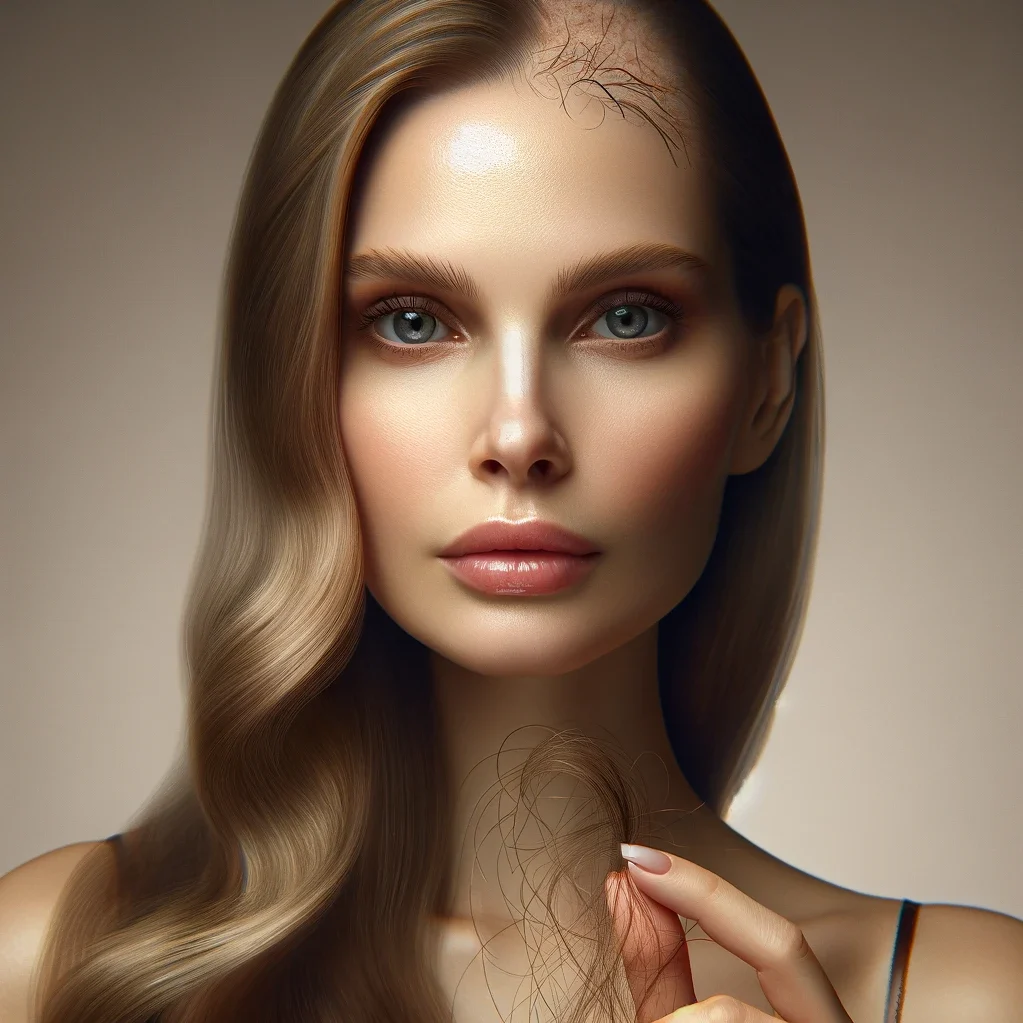

Thyroid issues and female baldness are closely intertwined, with the thyroid gland playing a crucial role in regulating the hair growth cycle. Imbalances in thyroid hormones can result in hair loss in women, presenting as hair thinning and loss throughout the scalp. Understanding the connection between thyroid problems and female hair loss is essential for effective management and treatment.
Key Takeaways:
- Thyroid hormones influence hair follicle function and the hair growth cycle.
- Hypothyroidism, characterized by an underactive thyroid, can cause hair thinning in females.
- Hyperthyroidism, characterized by an overactive thyroid, can lead to increased hair shedding.
- Treating the underlying thyroid condition is crucial for managing hair loss.
- Consult a healthcare professional for appropriate treatment and managing hair loss due to thyroid issues.
The Hair Growth Cycle and Thyroid Hormones
The hair growth cycle is a complex process that involves three phases: anagen, catagen, and telogen. Understanding these phases and the role of thyroid hormones in regulating the cycle is crucial for comprehending the relationship between thyroid issues and hair loss.
The Anagen Phase: This is the active growth phase of the hair follicles. During this stage, cells in the follicles divide rapidly, producing new hair cells that extend the length of the hair strand. The duration of the anagen phase varies individually, typically lasting between two to seven years.
“The anagen phase is the most critical phase for hair growth as it determines the length and thickness of the hair strand.”
The Catagen Phase: After the anagen phase, the hair follicles enter a transitional phase called catagen. In this short period spanning about two weeks, cell division within the hair follicles slows down, and the hair strand stops growing. The follicle starts to shrink, disconnecting from the blood supply. This phase prepares the follicle for transition into the telogen phase.
The Telogen Phase: The resting phase of the hair growth cycle is known as telogen. During this period, the hair follicles are inactive, and the hair strand remains attached to the follicle but is no longer growing. Telogen generally lasts for two to four months before the hair is shed, making way for the growth of new hair during the next anagen phase.
“Approximately 10-15% of hair follicles are in the telogen phase at any given time.”
Thyroid hormones, including triiodothyronine (T3) and thyroxine (T4), play a vital role in regulating the hair growth cycle. These hormones are produced by the thyroid gland, situated in the neck region, and have a direct influence on hair follicle function.
Thyroid hormones impact the duration of each phase of the hair growth cycle, ensuring a balanced and harmonious progression. Imbalances in thyroid hormone levels can disrupt the cycle, leading to hair loss. For example, an underactive thyroid (hypothyroidism) can lengthen the telogen phase and shorten the anagen phase, resulting in prolonged shedding and reduced hair growth.
“Thyroid hormones play a key role in maintaining the hair growth cycle and ensuring the production of healthy, lustrous hair.”
In addition to regulating the hair growth cycle, thyroid hormones are also involved in protein synthesis, a fundamental process required for hair regrowth. Protein synthesis is crucial for the production of new hair cells and the maintenance of strong, resilient hair strands.
“Thyroid hormones contribute to protein synthesis, ensuring proper hair growth and regrowth.”
To summarize, the hair growth cycle is a dynamic process influenced by thyroid hormones. Maintaining a healthy balance of these hormones is essential for the proper function of hair follicles, the progression of the growth cycle, and the synthesis of proteins necessary for hair regrowth. Understanding the interplay between thyroid health and hair growth is crucial for effectively managing hair loss associated with thyroid issues.
Hypothyroidism and Hair Thinning in Females
Hypothyroidism, or low thyroid function, is a common cause of hair thinning and loss in females. The decreased production of thyroid hormones slows down the hair growth cycle and leads to hair follicles entering the resting phase prematurely. This results in hair thinning throughout the scalp, often manifesting as diffuse hair loss instead of specific bald patches. In some cases, hypothyroidism can also contribute to female pattern baldness, which is characterized by a widening part and thinning hair on the top of the scalp.
Managing hair loss in hypothyroidism involves treating the underlying thyroid condition with thyroid hormone replacement therapy and addressing any nutritional deficiencies that may be exacerbating the issue.
| Hair Loss Causes in Hypothyroidism | Management Approaches |
|---|---|
|
|

Thyroid hormone replacement therapy is the mainstay of treatment for hypothyroidism. This involves taking synthetic thyroid hormones, such as levothyroxine, to restore hormone levels to normal and regulate the hair growth cycle. It’s important to work closely with a healthcare professional to determine the appropriate dosage and monitor thyroid hormone levels regularly.
In addition to medication, addressing any underlying nutritional deficiencies is crucial for managing hair loss in hypothyroidism. Nutrients like iron, zinc, and biotin play a role in hair health, and deficiencies in these nutrients can contribute to hair thinning. A balanced diet that includes a variety of fruits, vegetables, whole grains, lean proteins, and healthy fats can provide the necessary nutrients for healthy hair growth.
Stress management techniques, such as exercise, meditation, or relaxation techniques, can also help manage hair loss in hypothyroidism. Chronic stress can worsen hair thinning, so finding healthy ways to cope with stress is important for overall hair health.
In conclusion, hypothyroidism can cause hair thinning and contribute to female pattern baldness. Effective management of hair loss in hypothyroidism involves treating the underlying thyroid condition with medication, addressing nutritional deficiencies, and adopting a healthy lifestyle. Consultation with a healthcare professional is essential for personalized treatment and guidance in managing hair loss associated with hypothyroidism.
Hyperthyroidism and Increased Hair Shedding
In women, hyperthyroidism, which refers to the excess production of thyroid hormones, can contribute to increased hair shedding. The elevated levels of thyroid hormones accelerate the hair growth cycle, causing hair follicles to prematurely enter the resting phase and shed hair more often. This rapid shedding can lead to noticeable hair thinning and increased hair loss.
Managing hair loss in hyperthyroidism involves treating the underlying thyroid condition. The primary treatment approach for hyperthyroidism is the use of anti-thyroid medication or radioactive iodine therapy. These treatments aim to normalize thyroid hormone levels and restore proper thyroid function.
By regulating thyroid hormone levels, hair shedding should gradually decrease, and new hair growth may occur. However, it’s important to note that the improvement in hair loss may take time as the hair growth cycle normalizes.
If you’re experiencing hair loss due to hyperthyroidism, it’s crucial to consult with a healthcare professional who can provide personalized guidance and recommend appropriate treatment options. Proper management of the underlying thyroid condition is key to addressing hair shedding and promoting optimal hair health.
Alopecia Areata and Autoimmune Thyroid Disease
Alopecia areata is an autoimmune condition that can cause hair loss in specific areas of the body. This condition often results in smooth, circular bald patches on the scalp, known as bald patches. It is more common in individuals with autoimmune thyroid disease, such as Hashimoto’s thyroiditis or Graves’ disease.
The immune system mistakenly attacks the hair follicles, which leads to hair loss. In some cases, eyebrow hair loss may also occur as a result of alopecia areata. The hair loss patterns associated with this condition can vary, but it is typically characterized by distinct areas of baldness on the scalp.
Managing hair loss in individuals with autoimmune thyroid disease involves treating the underlying thyroid condition and addressing the autoimmune component of alopecia areata. Topical treatments, such as corticosteroid creams or lotions, may be used to promote hair regrowth. In more severe cases, corticosteroid injections or immune-modulating medications may be recommended.
Hair Loss Patterns in Alopecia Areata
The hair loss patterns in alopecia areata can vary from person to person:
- Focal pattern: Hair loss occurs in one or a few small areas on the scalp.
- Ophiasis pattern: Hair loss occurs in a band-like pattern along the sides or back of the scalp.
- Diffuse pattern: Hair loss is more widespread across the scalp, resulting in thinning hair.
In addition to these patterns, individuals with alopecia areata may also experience hair loss in other areas of the body, such as the eyebrows, eyelashes, or beard.
Conclusion
Managing hair loss in thyroid disorders is crucial for promoting hair regrowth and maintaining a healthy hair texture. The key to addressing this issue lies in achieving a balance in thyroid hormone levels and effectively managing the underlying thyroid condition. By utilizing appropriate thyroid medication, alongside a focus on proper nutrition and overall health management, it is possible to mitigate the impact of thyroid disorders on hair loss.
When experiencing hair loss due to thyroid issues, it is essential to seek guidance from a healthcare professional. They can help determine the most suitable treatment plan based on individual circumstances and address any other contributing factors. With proper management of the thyroid disorder and adherence to the prescribed treatment, many women can significantly improve their hair health.
Overall, understanding the relationship between thyroid function and hair loss is crucial for effective management. By addressing the underlying thyroid condition, achieving thyroid hormone balance, and following the recommended treatment plan, individuals can take proactive steps towards managing hair loss and promoting hair regrowth.
FAQ
How are thyroid issues and female baldness linked?
Thyroid issues and female baldness are closely related. Imbalances in thyroid hormones can disrupt the hair growth cycle and lead to hair thinning and loss in women.
What is the role of thyroid hormones in the hair growth cycle?
Thyroid hormones, especially T3 and T4, regulate the duration of each phase of the hair growth cycle and contribute to the proper function of hair follicles. They also play a role in protein synthesis, which is essential for hair growth and regrowth.
How does hypothyroidism affect hair thinning in females?
Hypothyroidism, or low thyroid function, can cause hair thinning and loss in females. The decreased production of thyroid hormones slows down the hair growth cycle, leading to premature entry of hair follicles into the resting phase and diffuse hair loss throughout the scalp. It can also contribute to female pattern baldness.
How can hair loss in hypothyroidism be managed?
Managing hair loss in hypothyroidism involves treating the underlying thyroid condition with thyroid hormone replacement therapy. It may also involve addressing any nutritional deficiencies that could contribute to hair loss.
Does hyperthyroidism cause increased hair shedding in women?
Yes, hyperthyroidism, or excess thyroid hormone production, can lead to increased hair shedding in women. The high levels of thyroid hormones accelerate the hair growth cycle, causing hair follicles to enter the resting phase prematurely and shed hair more often.
How can hair loss in hyperthyroidism be managed?
Managing hair loss in hyperthyroidism involves treating the underlying thyroid condition to normalize thyroid hormone levels. This is typically done with anti-thyroid medication or radioactive iodine therapy. Once thyroid function is regulated, hair shedding should decrease, and new hair growth may occur.
Is alopecia areata related to autoimmune thyroid disease?
Yes, alopecia areata, an autoimmune condition causing hair loss in specific areas, is more common in individuals with autoimmune thyroid disease such as Hashimoto’s thyroiditis or Graves’ disease. The immune system mistakenly attacks the hair follicles, resulting in hair loss.
How can hair loss in autoimmune thyroid disease be managed?
Managing hair loss in autoimmune thyroid disease involves treating the underlying thyroid condition and addressing the autoimmune component of alopecia areata. This may include topical treatments, corticosteroid injections, and immune-modulating medications to promote hair regrowth.
What is the key to managing hair loss in thyroid disorders?
Treating the underlying thyroid condition is essential for managing hair loss in thyroid disorders. Whether it’s hypothyroidism or hyperthyroidism, achieving a balance in thyroid hormone levels is necessary to restore the hair growth cycle and promote hair regrowth. Thyroid medication, along with proper nutrition and overall health management, can help address hair loss caused by thyroid disorders.