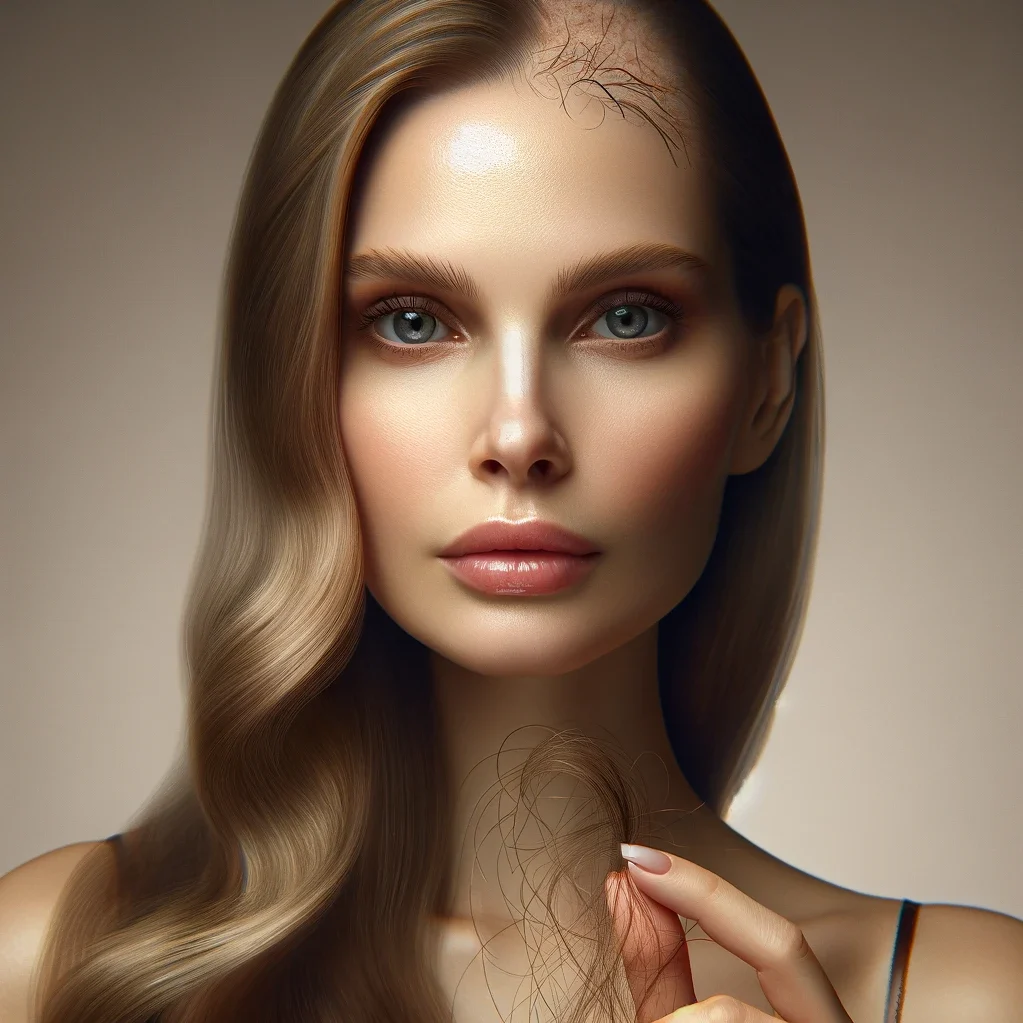

Welcome to our informative blog post on alopecia areata in young women. Hair loss can be a distressing experience for anyone, but it can be particularly challenging for young females. Alopecia areata is an autoimmune disease that leads to hair loss as the immune system mistakenly attacks the hair follicles.
These attacks predominantly affect the head and face, resulting in small, round patches of hair loss. It can have a significant impact on a young woman’s self-esteem and overall well-being.
While there is no cure for alopecia areata, there are treatments available that can help stimulate hair regrowth. In this blog post, we will explore the causes, risk factors, and treatment options for young women coping with hair loss due to alopecia areata.
We understand that dealing with hair loss as a young woman can be challenging. That’s why we will also discuss coping strategies and ways to boost self-esteem while managing this condition. It’s essential to remember that you are not alone along this journey.
Keep reading to discover valuable insights and resources that can help you navigate through alopecia areata and regain your confidence as a young woman.
Causes and Risk Factors of Alopecia Areata in Young Women
Alopecia areata is a complex condition with various factors contributing to its development. Although the exact cause remains unknown, it is believed to be a combination of genetic and environmental factors that trigger an autoimmune response against the hair follicles. Let’s explore the causes and risk factors associated with alopecia areata in young women.
Genetic Factors
Genetics plays a significant role in the development of alopecia areata. Research suggests that individuals with a family history of the disease are more susceptible to developing it themselves. In fact, studies have shown that if a parent or sibling has alopecia areata, the chances of developing the condition increase significantly. It indicates a genetic predisposition that makes young women more likely to experience hair loss.
In specific cases, certain gene variants, such as the major histocompatibility complex (MHC) genes, have been linked to an increased risk of developing alopecia areata. These genetic factors may influence the body’s immune response, contributing to the onset of the condition.
Autoimmune Diseases
Autoimmune diseases are disorders in which the immune system mistakenly attacks the body’s own tissues. Research has found a connection between alopecia areata and other autoimmune conditions, such as psoriasis and thyroid disease. The presence of one autoimmune disease may increase the likelihood of developing another, including alopecia areata.
It is speculated that there is a shared underlying autoimmune mechanism among these conditions. The immune system’s dysfunction can lead to an attack on the hair follicles, resulting in hair loss in young women.
Emotional Stress
Emotional stress is often cited as a triggering factor for alopecia areata. Stressful life events, such as the loss of a loved one, relationship problems, or job-related pressure, can disrupt the normal functioning of the immune system. This disruption may contribute to the development of autoimmune reactions, including the onset of alopecia areata.
Furthermore, the emotional impact of hair loss itself can compound the stress levels experienced by young women with alopecia areata. The visible nature of the condition and its potential effects on self-esteem and body image can lead to additional emotional distress.
Research suggests that individuals with a family history of alopecia areata, certain autoimmune diseases, and those experiencing emotional stress are at an increased risk of developing hair loss in young women.
Understanding the causes and risk factors of alopecia areata is crucial for early detection, management, and treatment. By identifying these factors, healthcare professionals can provide personalized care and support to young women affected by this condition.
| Causes of Alopecia Areata | Risk Factors |
|---|---|
| Genetic factors | Family history of the disease |
| Autoimmune diseases | Presence of other autoimmune conditions (e.g., psoriasis, thyroid disease) |
| Emotional stress | High levels of stress or recent stressful life events |
Treatment and Coping Strategies for Alopecia Areata in Young Women
While there is no cure for alopecia areata, there are treatment options available to manage and stimulate hair regrowth. These treatments can help young women cope with hair loss and boost their self-esteem. In addition to medical interventions, natural remedies and support groups play a crucial role in providing holistic care.
Treatment Options for Alopecia Areata
When it comes to treating alopecia areata, topical medications like minoxidil are often recommended. Minoxidil is a topical solution that promotes hair growth by stimulating the hair follicles. It is applied directly to the scalp and has been proven to be effective in regrowing hair for some individuals.
Another treatment option is corticosteroids, which can help reduce inflammation and calm down the immune system’s response. Corticosteroids can be administered through injections, topically, or in oral form, depending on the severity of the condition.
In more severe cases of alopecia areata, immunotherapy may be considered. This treatment involves applying chemicals like diphencyprone or squaric acid dibutyl ester to the scalp to provoke an allergic reaction. The resulting inflammation can stimulate hair regrowth in some cases.
Natural Remedies for Hair Growth
In addition to medical treatments, young women with alopecia areata can explore natural remedies that may help stimulate hair growth. Essential oils like lavender, rosemary, and peppermint have been found to have beneficial effects on hair health when used in scalp massages.
Scalp massages themselves can also help improve blood circulation to the hair follicles, promoting hair growth. Gentle circular motions with the fingertips can be done daily or a few times a week for optimal results.
Coping with Hair Loss and Boosting Self-Esteem
Coping with hair loss as a young woman can be emotionally challenging. It is essential to address the impact it has on self-esteem and overall well-being. Support groups, both online and offline, provide valuable resources for young women facing alopecia areata. Sharing experiences, learning from others, and receiving emotional support can be empowering and comforting.
Boosting self-esteem starts with self-care practices. Taking care of the body and mind through exercise, a healthy diet, and self-affirmation can help young women regain their confidence. Exploring different hairstyles, headscarves, and accessories can also be a fun way to embrace one’s uniqueness and style.
Remember, alopecia areata is a condition that can be managed, and with the right treatment options and coping strategies, young women can navigate through their hair loss journey with grace and self-assurance.
Conclusion
Alopecia areata can have a significant impact on the lives of young women. However, with the right treatments and coping strategies, it is possible to manage and overcome hair loss. It is important for young women with this condition to seek support and connect with others who are going through similar experiences. By taking a proactive approach to treatment and embracing self-care practices, young women with alopecia areata can regain their confidence and manage their hair thinning effectively.
There are various treatment options available to regrow hair in young women with alopecia. Topical medications, such as minoxidil, can help stimulate hair growth. Natural remedies, including essential oils and scalp massages, may also contribute to regrowth. It is essential to consult with a healthcare professional to determine the most suitable treatment approach.
In addition to seeking medical treatment, managing hair thinning in young females involves adopting coping strategies. Connecting with support groups and resources can provide emotional support and practical advice. Embracing self-care practices, such as maintaining a healthy lifestyle and engaging in stress-reducing activities, can also have a positive impact on the overall well-being.
FAQ
What is alopecia areata?
Alopecia areata is an autoimmune disease that causes hair loss when the immune system attacks the hair follicles.
What areas of the body does alopecia areata affect?
Alopecia areata predominantly affects the head and face, resulting in small, round patches of hair loss.
What causes alopecia areata in young women?
The exact cause of alopecia areata is not fully understood, but it is believed to be a combination of genetic and environmental factors.
Are young women with a family history of alopecia more likely to develop the condition?
Yes, young women with a family history of alopecia areata may be at a higher risk of developing the disease.
Are there any other conditions associated with alopecia areata?
Yes, certain autoimmune diseases, such as psoriasis and thyroid disease, are associated with an increased likelihood of developing alopecia areata.
Can emotional stress and illness trigger alopecia areata in young women?
Yes, emotional stress and illness can trigger the onset of alopecia areata in susceptible individuals.
Is there a cure for alopecia areata?
Currently, there is no cure for alopecia areata, but there are treatments available to help manage and stimulate hair regrowth.
What are the treatment options for alopecia areata in young women?
Treatment options for alopecia areata in young women include topical medications, such as minoxidil, which can promote hair growth.
Are there any natural remedies for hair growth in young women with alopecia areata?
Yes, natural remedies such as essential oils and scalp massages may be beneficial for promoting hair growth in young women with alopecia areata.
How can young women cope with hair loss caused by alopecia areata?
Coping with hair loss as a young woman can be challenging, but there are support groups and resources available to help boost self-esteem and provide emotional support.
Is it possible to regrow hair in young women with alopecia areata?
While there is no guarantee of complete hair regrowth, with the right treatments and coping strategies, it is possible for young women with alopecia areata to manage their hair thinning effectively.