
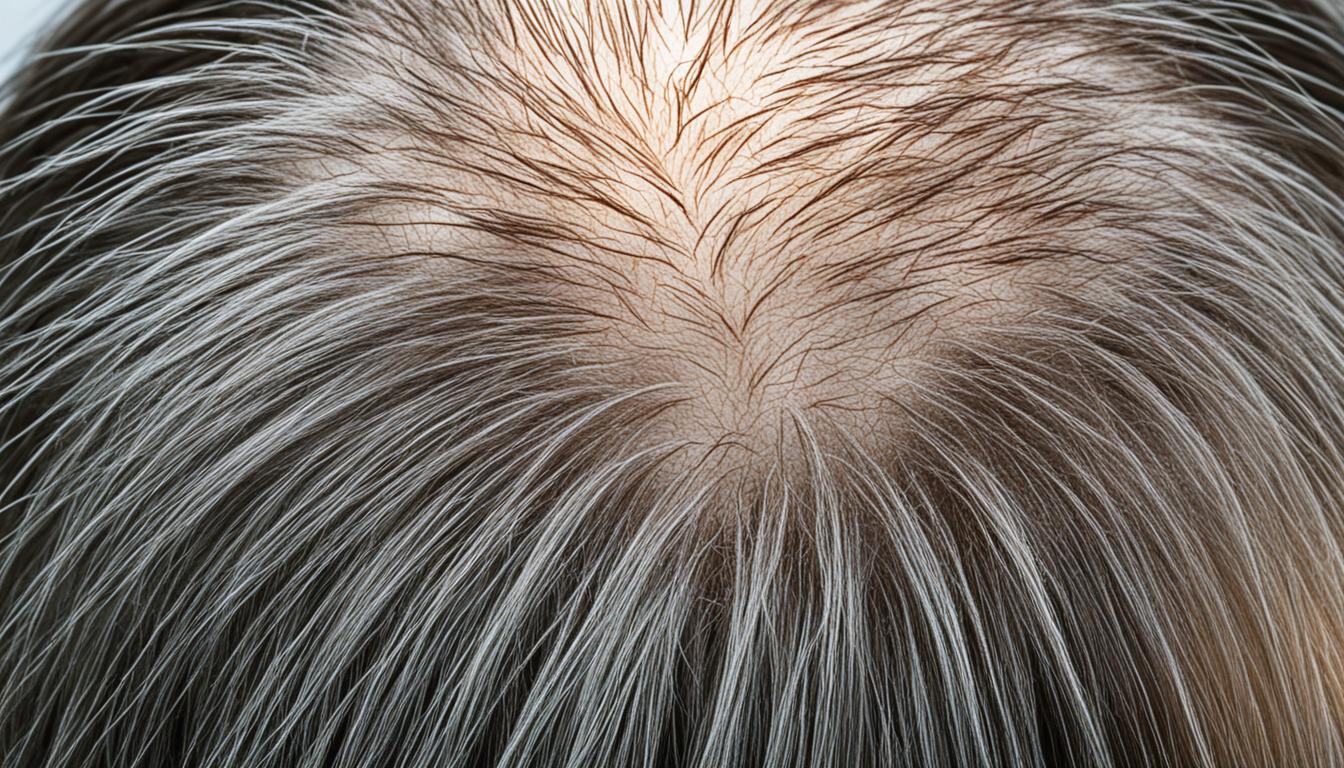
Did you know that on average, a person loses about 50 to 100 strands of hair every day?
Whether you’re experiencing hair loss or simply looking to promote healthier and stronger hair, there are science-backed solutions and evidence-based approaches that can help. By incorporating these proven methods into your haircare routine, you can stimulate hair growth and improve the overall condition of your hair.
Key Takeaways:
- There are science-backed tips for promoting hair growth.
- Understanding the science of hair growth can guide your haircare routine.
- Clean and stimulate your scalp, eat a well-balanced diet, and use hair growth medications.
- Incorporating essential oils and treating your hair gently can support healthy hair growth.
- Research-backed methods provide effective solutions for hair loss and hair regrowth.
Understanding the Science of Hair Growth
Hair growth is a complex process that involves the hair follicles, which are tiny organs on the scalp. These hair follicles play a crucial role in the growth and regeneration of hair.
The hair growth cycle consists of three distinct phases: anagen, catagen, and telogen.
Anagen
The anagen phase is also known as the growth phase. During this phase, the hair follicles are actively producing new hair cells and pushing them up through the scalp. This is the longest phase of the hair growth cycle and can last for several years, depending on various factors such as genetics and overall health.
During the anagen phase, the hair grows approximately half an inch per month. This is the active period of hair growth when individuals may notice an increase in hair length.
Catagen
After the anagen phase, the hair follicles enter the catagen phase, also known as the transitional phase. This is a short period that lasts for about two to three weeks. During this phase, the hair follicles shrink and detach from the blood supply. No new hair growth occurs during catagen.
Telogen
The telogen phase is the resting phase of the hair growth cycle. This phase typically lasts for about three to four months. During telogen, the detached hair remains in the follicle, but new hair does not grow. Eventually, the old hair sheds, making room for new hair to enter the anagen phase.
Understanding the science behind the hair growth cycle is essential for individuals looking to promote healthy growth and address hair-related issues. By knowing the different phases of the hair growth cycle, individuals can make informed choices regarding hair care and adopt practices that support optimal hair health.
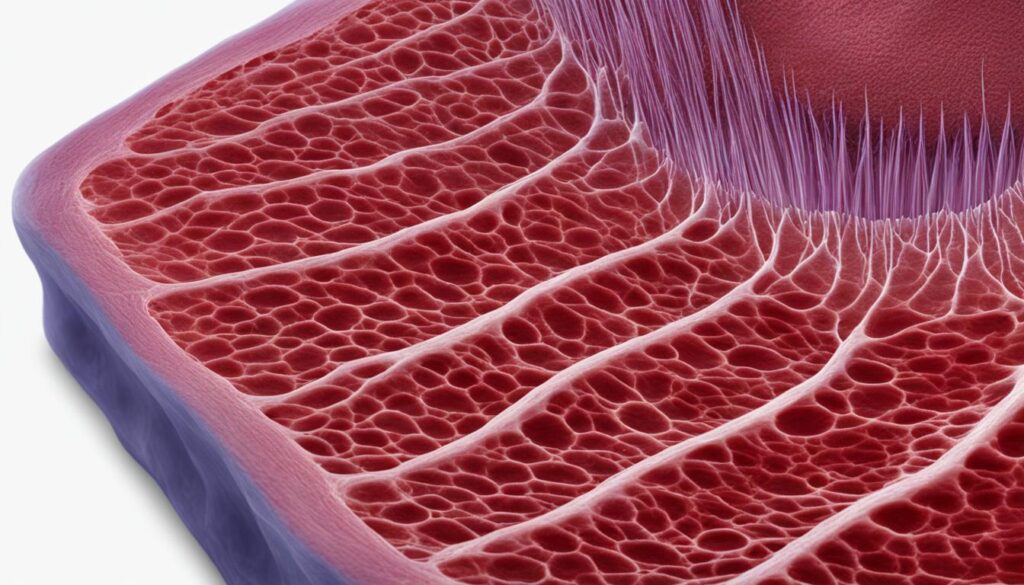
As shown in the image above, the hair growth cycle consists of the anagen, catagen, and telogen phases, each playing a vital role in the overall health and appearance of hair.
Now that we have a better understanding of the science behind hair growth, let’s explore science-backed tips and techniques to promote healthy hair growth in the next section.
Science-backed Tips for Hair Growth
When it comes to promoting hair growth, there are several science-backed tips that can help you achieve healthier and stronger hair. Incorporating these tips into your haircare routine can make a significant difference in the overall health and growth of your hair.
Clean and Stimulate Your Scalp
Maintaining a clean scalp is essential for healthy hair growth. Regularly washing your hair with a gentle shampoo can help remove dirt, excess oil, and product buildup. Additionally, stimulating your scalp through regular scalp massages can promote blood circulation to the hair follicles, providing essential nutrients and oxygen that support hair growth.
Eat a Well-Balanced Diet
Proper nutrition is vital for healthy hair growth. Consuming a well-balanced diet that includes essential nutrients can nourish your hair from within. Incorporate foods rich in antioxidants, proteins, and omega-3 fatty acids to support strong and vibrant hair. Some examples include leafy greens, nuts and seeds, fatty fish, and lean proteins.
Use Hair Growth Medications
In some cases, hair growth medications approved by the FDA can help stimulate hair growth. Two common medications for hair loss are finasteride and minoxidil. Finasteride helps to block the hormone dihydrotestosterone (DHT), which can contribute to hair loss. Minoxidil, on the other hand, promotes blood flow to the hair follicles, stimulating hair growth. Consult with a healthcare professional to see if these medications are suitable for you.
Add Essential Oils to Your Routine
Essential oils can be a beneficial addition to your haircare routine. Some oils, such as rosemary, peppermint, and lavender, have been shown to promote hair growth and reduce hair loss. Dilute a few drops of the essential oil of your choice in a carrier oil, such as coconut or jojoba oil, and massage it into your scalp. Leave it on for a few hours or overnight before rinsing it out.
Treat Your Hair Gently
Harsh treatment can lead to hair damage and breakage, hindering hair growth. Avoid using excessive heat styling tools, tight hairstyles, and chemical treatments that can damage the hair shaft. Instead, opt for gentle haircare practices, such as using a wide-toothed comb or a detangling brush to minimize breakage.
Remember, consistency is key when it comes to promoting hair growth. Implement these science-backed tips into your haircare routine and give your hair the care it deserves.
By following these science-backed tips, you can create an environment that promotes healthy hair growth. Keep your scalp clean and stimulated, eat a well-balanced diet, consider hair growth medications, incorporate essential oils into your routine, and always treat your hair gently. By doing so, you’ll be on your way to achieving the healthy and strong hair you desire.
Conclusion
In conclusion, there are effective solutions for hair loss and research-supported methods for healthy hair growth. By understanding the science of hair growth and implementing a combination of proven tips, individuals can support the growth of strong and healthy hair.
Keeping the scalp clean and well-stimulated through regular scalp massages can help create an optimal environment for hair growth. Additionally, maintaining a well-balanced diet, rich in essential nutrients like antioxidants, proteins, and omega-3 fatty acids, can nourish the hair follicles and promote healthy growth.
In some cases, hair growth medications approved by the FDA, such as finasteride and minoxidil, may be recommended to address specific hair loss concerns. Furthermore, incorporating essential oils into the haircare routine can provide additional nourishment and support hair growth.
Treating the hair gently, avoiding harsh chemical treatments and excessive heat styling, can also help prevent damage and breakage, allowing the hair to grow to its full potential. By following these research-supported methods, individuals can achieve effective solutions for hair loss and promote healthy hair growth.
FAQ
Are there science-backed solutions for promoting hair growth?
Yes, there are science-backed tips and evidence-based approaches for promoting hair growth.
What is the science behind hair growth?
Hair growth is a complex process that involves the hair follicles on the scalp.
How can I promote hair growth?
You can promote hair growth by keeping the scalp clean, stimulating it through regular scalp massages, maintaining a well-balanced diet, using hair growth medications, incorporating essential oils, and treating your hair gently.
Do hair growth medications work?
Yes, hair growth medications approved by the FDA, such as finasteride and minoxidil, can be effective in promoting hair growth.
What are the effective solutions for hair loss?
By following science-backed tips and incorporating research-supported methods for healthy hair growth, you can effectively address hair loss and promote healthier and stronger hair.
1 thought on “Science-backed Solutions for Proven Hair Growth”