
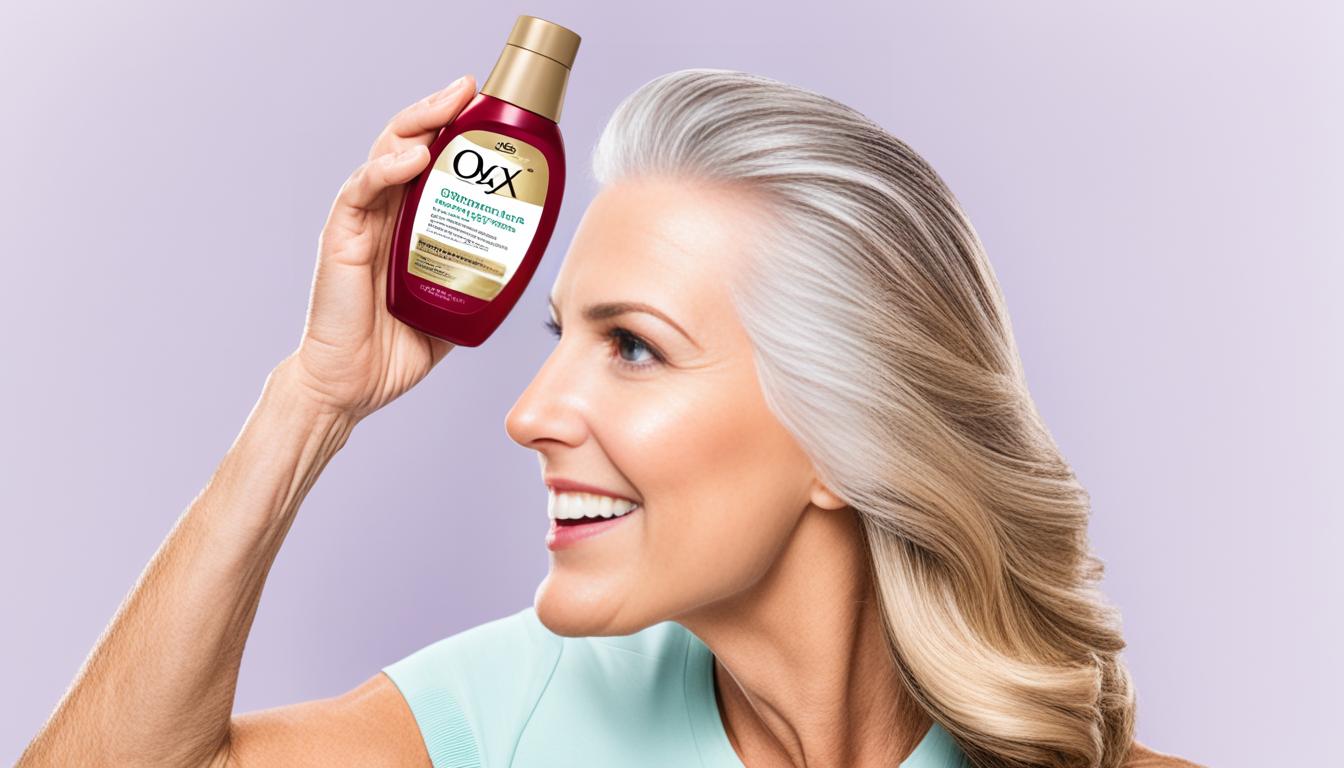
Concerned about hair loss? Looking for effective hair loss solutions? Well, it’s important to stay informed and understand the facts before jumping into any hair loss treatment. In recent years, Johnson & Johnson, the parent company of OGX, has faced a series of class-action lawsuits regarding allegations that their OGX line of shampoos and conditioners may cause hair loss. These lawsuits claim that OGX products, marketed as safe and nourishing for hair, actually contain harmful chemicals like formaldehyde and DMDM.
Formaldehyde, a known carcinogen and allergen, can have damaging effects on your hair, while DMDM has been linked to hair loss, thinning hair, dermatitis, and other harmful scalp reactions. Despite being aware of these risks, Johnson & Johnson continued to sell and market OGX products containing DMDM. This has resulted in consumer class-action lawsuits seeking economic damages for consumers who were misled by false representations.
But what exactly are the allegations against OGX? And what do they mean for you? In this article, we’ll examine the lawsuits and ingredients causing concern. We’ll also discuss the importance of prevention and safe hair care choices.
Key Takeaways:
- Johnson & Johnson, the parent company of OGX, is facing class-action lawsuits regarding hair loss allegations.
- OGX products have been accused of containing harmful chemicals like formaldehyde and DMDM.
- Formaldehyde and DMDM can cause hair loss, thinning hair, and other adverse scalp reactions.
- Consumer class-action lawsuits accuse Johnson & Johnson of false advertising and seek economic damages.
- Choosing hair care products that prioritize safety and avoiding potential harmful chemicals is crucial.
The Allegations and Lawsuits Against OGX
Over the past years, OGX has become embroiled in multiple lawsuits filed by consumers who claim to have experienced hair loss and scalp irritation after using the products. These lawsuits allege that OGX engaged in false advertising and deceptive marketing practices by promoting their products as safe and effective for hair repair and nourishment while concealing the presence of harmful chemicals.
“OGX marketed their products as safe and effective for hair repair and nourishment, while concealing the fact that they contained harmful chemicals.”
The deceptive marketing allegations have incited several class-action lawsuits against Johnson & Johnson, the parent company of OGX. The lawsuits accuse J&J of false and misleading advertising, fraud, unjust enrichment, and violation of state consumer protection laws. While some of these lawsuits have been settled confidentially, others are still pending, indicating that the issue is actively being litigated.
This legal battle sheds light on the urgent need for transparency and accountability in the hair care industry. Consumers deserve accurate information about the potential risks associated with the products they use, especially when it comes to their hair and scalp health.
The Implications of False Advertising and Deceptive Marketing
False advertising and deceptive marketing undermine consumer trust and can have serious consequences for those who rely on products for their hair care needs. When companies misrepresent the safety and effectiveness of their products, they knowingly put consumers at risk of harm, as evidenced by the allegations made against OGX.
| Potential Consequences of False Advertising and Deceptive Marketing | Impact on Consumers |
|---|---|
| 1. Hair loss | Consumers may experience unexpected hair loss and damage, leading to emotional distress and a loss of confidence. |
| 2. Scalp irritation | Deceptive marketing can result in scalp irritation, discomfort, and other dermatological issues that can affect overall well-being. |
| 3. Financial loss | Consumers who have invested in products based on false promises may suffer financial loss as they seek alternative remedies and treatments. |
| 4. Trust erosion | False advertising undermines consumer trust in the hair care industry as a whole, causing skepticism and hesitation in trying new products. |
It is essential for companies to uphold ethical standards and provide accurate information to consumers so they can make informed decisions about the products they purchase. The ongoing lawsuits against OGX serve as a reminder that false advertising and deceptive marketing practices have tangible consequences and should not be tolerated.
The Ingredients and Safety Concerns
In OGX products, one ingredient has raised significant safety concerns: DMDM hydantoin, a preservative and antimicrobial agent. While DMDM hydantoin is intended to prevent mold and bacteria growth, it can release small amounts of formaldehyde over time, which poses serious risks to hair and scalp health.
Formaldehyde is a well-known carcinogen and allergen that can lead to various adverse reactions. Prolonged exposure to formaldehyde can cause hair loss, scalp irritation, dermatitis, and other detrimental effects.
Individual sensitivity to DMDM hydantoin may vary, but its presence in OGX products has raised valid safety concerns among consumers. What exacerbates these concerns is the fact that Johnson & Johnson, the parent company of OGX, had announced plans in 2012 to remove DMDM hydantoin and other harmful ingredients from their products by 2015. However, DMDM hydantoin remained in OGX products even after J&J acquired the brand in 2016, leading to accusations of inadequate consumer warning about the associated risks.

This image accurately depicts the potential consequences of using hair care products containing harmful ingredients like DMDM hydantoin and formaldehyde.
Conclusion
The allegations against OGX and the lawsuits filed against Johnson & Johnson emphasize the significance of transparency and consumer safety in the hair care industry. As these legal disputes are ongoing, it is crucial for consumers to make well-informed decisions about the products they choose for their hair. We recommend opting for hair care products that prioritize safety, steer clear of potentially harmful chemicals, and provide clear information about their ingredients. Additionally, if you are experiencing hair loss or scalp irritation, it is essential to consult a healthcare professional or dermatologist.
By staying informed and making conscious choices, individuals can take proactive steps to safeguard their hair and overall well-being. Remember, not all hair care products are created equal, so it’s crucial to choose wisely and prioritize your hair health. Look for reliable brands that offer safe hair products and prioritize hair loss prevention. Taking these measures will contribute to maintaining healthy and lustrous hair for the long term.
In the pursuit of healthier hair, it is essential to continue advocating for stricter regulations in the hair care industry and holding companies accountable for their actions. Together, we can ensure that the products we use on our hair are safe, effective, and promote overall hair health.
FAQ
Are OGX products the cause of hair loss?
There have been allegations and lawsuits claiming that OGX products may cause hair loss. Several consumers have filed lawsuits against Johnson & Johnson, the parent company of OGX, alleging that the products contain harmful chemicals that can lead to hair loss and scalp irritation. However, the lawsuits are still pending, and no definitive conclusions have been reached.
What harmful chemicals are found in OGX products?
One of the main concerns is the presence of DMDM hydantoin in OGX products, which releases small amounts of formaldehyde over time. Formaldehyde is a known carcinogen and allergen that can lead to hair loss, scalp irritation, and other adverse reactions. It is important to note that individuals may have varying sensitivities to these chemicals.
Are there safe alternatives for preventing hair loss?
While the safety of OGX products is under scrutiny, there are many other hair loss treatment options available. It is advisable to look for products that prioritize safety, avoid potentially harmful chemicals, and provide clear ingredient information. Consulting with a healthcare professional or dermatologist can also help determine the best treatment approach for preventing hair loss.
How can I promote hair regrowth and combat hair loss?
There are various tips and strategies for reducing hair loss and promoting hair regrowth. These include maintaining a balanced diet, avoiding excessive heat and styling damage, practicing good hair care habits, managing stress levels, and using products specifically designed for hair growth. Consulting with a healthcare professional can provide personalized advice based on individual needs and concerns.
What are the best products to prevent hair loss?
The effectiveness of hair loss products can vary from person to person. It is important to choose products that are suitable for individual needs and preferences. Look for products that contain ingredients known to promote hair growth, such as biotin, minoxidil, and certain vitamins and minerals. Consulting with a healthcare professional or dermatologist can help determine the best products for hair loss prevention.
Can natural remedies help with hair loss?
Some people find natural remedies beneficial in reducing hair loss. These may include using essential oils, herbal supplements, and homemade hair masks. However, it is important to note that the effectiveness of natural remedies can vary, and individual results may vary. Consulting with a healthcare professional or dermatologist can provide guidance on the safest and most effective natural remedies for hair loss.