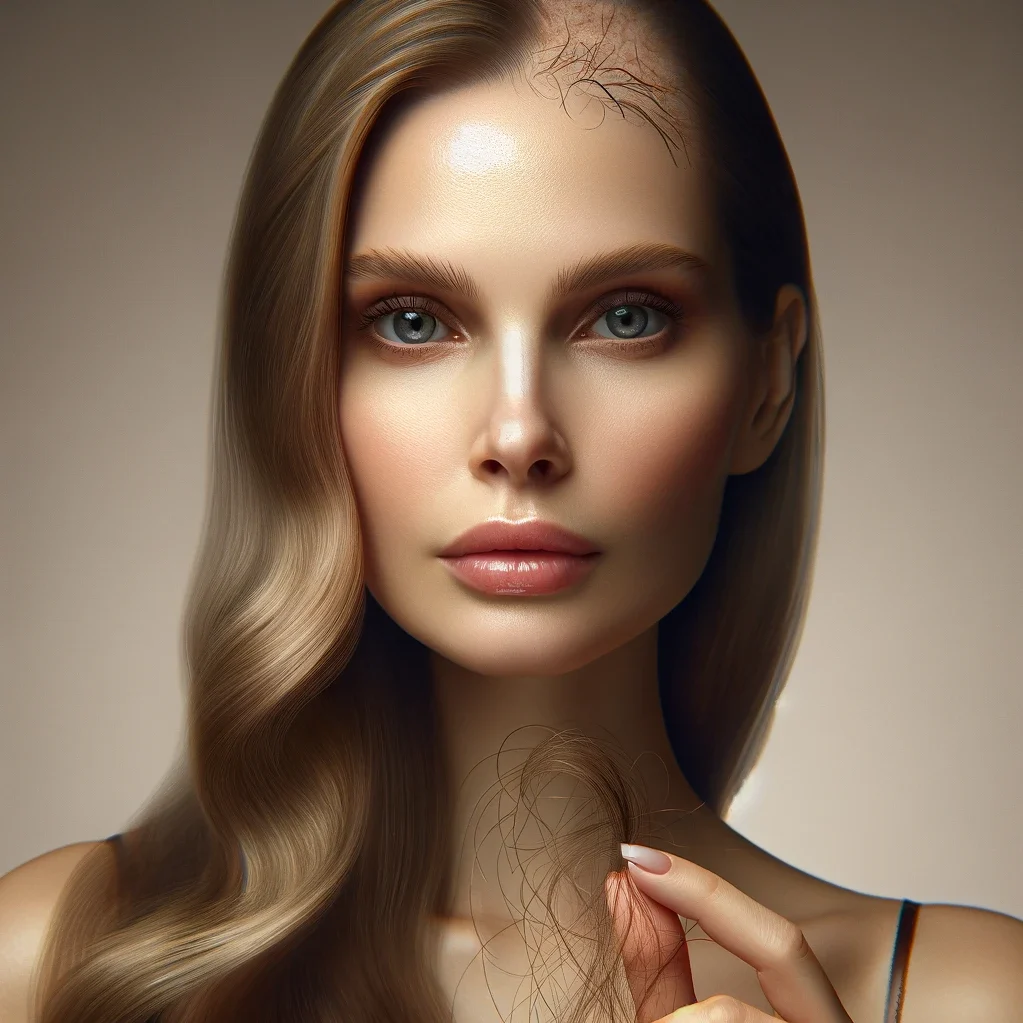

Dihydrotestosterone (DHT) is a hormone that plays a key role in hair loss, specifically in pattern hair loss or androgenetic alopecia. Hair loss affects millions of people in the United States, with approximately 50 million males and 30 million females experiencing hair loss. DHT is a sex hormone with androgenic properties that stimulates hair growth in hair follicles. However, excess DHT can contribute to hair loss, along with other factors such as genetics.
DHT is produced through the conversion of testosterone by an enzyme called 5-alpha reductase. Increasing levels of DHT production are responsible for the onset of puberty in males and the development of genitals and body hair. The three phases of hair growth are anagen (growth), catagen (transition), and telogen (rest). Hair loss occurs due to the miniaturization of hair follicles, resulting in shorter hair growth cycles and thinner, lighter hair.
DHT binds to androgen receptors on hair follicles with greater affinity than testosterone, leading to the miniaturization and eventual loss of hair. Medications like finasteride and minoxidil can help manage DHT-related hair loss by blocking DHT or promoting hair growth.
Key Takeaways:
- DHT is a hormone that plays a role in hair loss, specifically in pattern hair loss or androgenetic alopecia.
- Excess DHT, along with genetics, can contribute to hair loss by miniaturizing hair follicles.
- DHT binds to androgen receptors on hair follicles, leading to the miniaturization and eventual loss of hair.
- Medications like finasteride and minoxidil can help manage DHT-related hair loss by blocking DHT or promoting hair growth.
- Addressing hair loss requires a comprehensive approach that considers both DHT levels and genetic factors.
The Role of DHT in Hair Loss
DHT, or dihydrotestosterone, is a hormone that not only stimulates body hair growth but also contributes to the thinning and loss of hair on the scalp. Understanding the role of DHT in hair loss is essential in developing effective strategies for prevention and treatment.
Hair growth occurs in three distinct phases: anagen, catagen, and telogen. During the anagen phase, hair follicles produce hair fibers that can last for several years, leading to long and healthy hair. The catagen phase represents a transition period where the hair follicles become inactive. Finally, the telogen phase is a resting phase during which hair does not grow.
However, when it comes to hair loss, the miniaturization of hair follicles is a key factor. This miniaturization leads to shorter growth cycles and the production of thinner and lighter hair. DHT, along with other factors such as genetics, contributes to this miniaturization process.
High levels of DHT in hair follicles are associated with a shorter hair growth cycle, resulting in the growth of shorter and thinner hair. Additionally, DHT can prolong the resting telogen phase, further exacerbating hair loss. This is due to the fact that DHT has a greater affinity for androgen receptors on hair follicles compared to testosterone, leading to the miniaturization and eventual loss of hair.
To combat DHT-related hair loss, it is crucial to consider DHT blockers or inhibitors. These treatments work by blocking the production of DHT or inhibiting its effects on hair follicles. By doing so, DHT blockers can help prevent or reduce hair loss caused by excessive DHT levels.
| DHT and Hair Loss | Role of DHT | Impact on Hair Follicles |
|---|---|---|
| DHT is a hormone associated with hair loss. | DHT contributes to the miniaturization and loss of hair on the scalp. | DHT binds to androgen receptors on hair follicles, leading to their miniaturization and eventual hair loss. |
| Excessive DHT levels can result in a shorter hair growth cycle. | DHT influences the duration of the anagen phase, leading to the growth of shorter and thinner hair. | High levels of DHT in hair follicles prolong the resting telogen phase, further exacerbating hair loss. |
| DHT blockers can help prevent or reduce hair loss caused by excess DHT. | Blocking DHT production or inhibiting its effects on hair follicles can mitigate hair loss. | DHT blockers work by preventing DHT from binding to androgen receptors, thus preserving hair follicle health. |
Medications and Natural Remedies for DHT-Related Hair Loss
If excessive levels of DHT are causing hair loss, there are medications and natural remedies available to manage DHT-related hair loss. Two common approaches are medications and natural remedies. Many individuals turn to medications to block the production of DHT or improve blood flow to hair follicles. Some popular options include:
- Finasteride: A prescription medication, finasteride is a 5-alpha-reductase inhibitor that blocks the conversion of testosterone into DHT, reducing the amount of circulating DHT in the body. By inhibiting the production of DHT, finasteride can help prevent hair loss and promote hair growth.
- Minoxidil: Available over-the-counter, minoxidil is a topical treatment applied directly to the scalp. It works by improving blood flow to hair follicles, which can promote hair growth. Minoxidil is suitable for both men and women and is often used in combination with other treatments.
In addition to medications, some individuals prefer natural remedies to manage DHT-related hair loss. While the effectiveness of these remedies may vary for each person, they are worth considering. Some natural remedies that may help reduce DHT levels and support hair growth include:
- Biotin: This B vitamin is commonly found in foods like eggs, nuts, and whole grains. Some studies suggest that biotin may help improve hair growth and strengthen hair follicles.
- Pygeum Bark: Derived from the African cherry tree, pygeum bark extract is often used for its potential to reduce DHT levels. It is available in supplement form.
- Pumpkin Seed Oil: Pumpkin seed oil contains phytosterols, which may help inhibit the production of DHT. It can be taken orally or used topically.
- Caffeine: Studies have shown that caffeine applied topically to the scalp can stimulate hair growth by blocking the effects of DHT.
- Vitamins B12 and B6: These vitamins are essential for overall hair health and may support the reduction of DHT levels. They can be obtained through a balanced diet or as supplements.
It’s important to note that the effectiveness of natural remedies may vary, and it’s always best to consult with a healthcare provider before starting any new supplements or medications. They can provide personalized advice and ensure there are no interactions with other medications you may be taking.
Remember, while medications and natural remedies can be helpful, it’s also crucial to address the underlying causes of hair loss. Genetic factors, lifestyle choices, and overall health can all contribute to hair loss. Therefore, a comprehensive approach that considers both DHT levels and individualized treatment options is essential for optimal results.
Conclusion
Dihydrotestosterone (DHT) plays a significant role in hair loss, particularly in pattern hair loss or androgenetic alopecia. While DHT is important for stimulating body hair growth, it can also lead to the miniaturization and eventual loss of hair on the scalp. Understanding the relationship between DHT and hair loss is crucial for developing effective strategies in hair loss prevention and treatment.
Fortunately, there are medications available that can help manage DHT-related hair loss. Finasteride and minoxidil have shown effectiveness in blocking DHT or promoting hair growth. These medications can provide valuable solutions for individuals seeking to prevent or mitigate hair loss caused by excessive DHT levels.
In addition to medication options, natural remedies, supplements, and lifestyle changes may also contribute to reducing DHT levels and supporting hair growth. Ingredients like biotin, pygeum bark, pumpkin seed oil, caffeine, and vitamins B12 and B6 have been suggested to assist in managing DHT-related hair loss, although further research is still needed to fully establish their efficacy.
It’s important to consult with a healthcare provider to determine the most appropriate approach based on individual circumstances. By addressing hair loss comprehensively, considering both DHT levels and genetic factors, individuals can achieve better outcomes in hair loss prevention and treatment.
FAQ
How does DHT contribute to hair loss?
DHT, a hormone produced from testosterone, can bind to androgen receptors on hair follicles with greater affinity than testosterone. This binding leads to the miniaturization of hair follicles and eventually hair loss.
What are the three phases of hair growth?
The three phases of hair growth are anagen (growth), catagen (transition), and telogen (rest). Hair loss occurs when the hair follicles enter a shorter growth cycle and produce thinner, lighter hair.
How do medications help manage DHT-related hair loss?
Medications like finasteride and minoxidil can help manage DHT-related hair loss. Finasteride blocks the conversion of testosterone into DHT, reducing the amount of circulating DHT. Minoxidil, a topical treatment, promotes hair growth by improving blood flow to the hair follicles.
Are there natural remedies to reduce DHT levels?
Some natural remedies that may help reduce DHT levels include biotin, pygeum bark, pumpkin seed oil, caffeine, and vitamins B12 and B6. However, it’s important to consult with a healthcare provider before starting any supplements or remedies.
What role do genetics play in hair loss?
Genetics also play a role in hair loss, making it important to address the underlying causes and consider personalized treatment options. It’s recommended to consult with a healthcare provider for personalized advice and treatment.