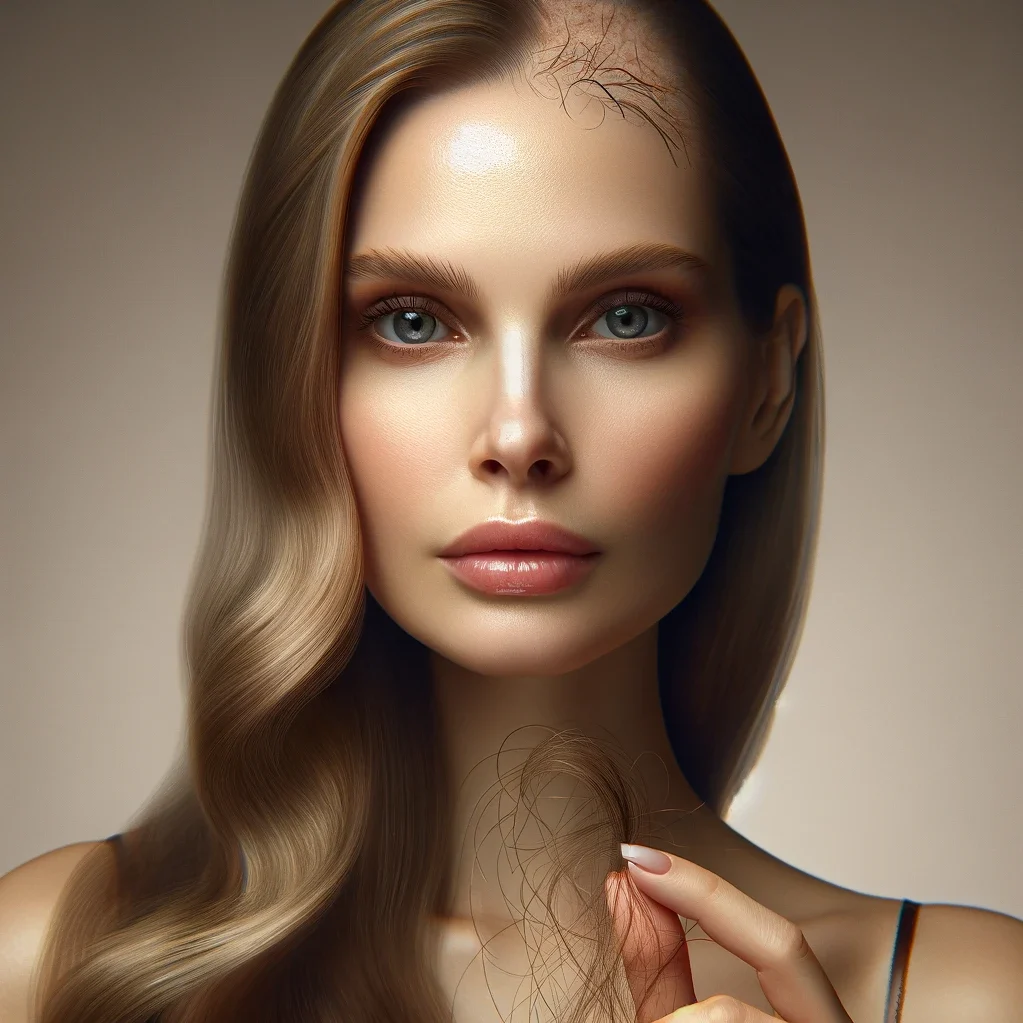
The hormonal changes that occur during menopause can have a significant impact on the health and appearance of your hair. As estrogen levels decrease, you may experience hair thinning, loss of density, changes in texture, and dryness. These changes can be attributed to fluctuations in hormone levels during the perimenopausal phase and the permanent effects that occur after menopause. It is important to understand the factors that contribute to menopause-related hair changes in order to effectively manage and care for your hair during this transitional period.
Key Takeaways
- During menopause, hormonal fluctuations can lead to hair thinning, loss of density, and texture changes.
- Understanding the impact of hormonal changes on your hair can help you find effective ways to manage and care for it.
- Hormone replacement therapy (HRT) and topical treatments can be options for mitigating hair loss during menopause.
- Incorporating scalp care, using thickening and texturizing products, and taking hair supplements can promote hair growth and restore hair vitality.
- Consulting with a doctor can help you determine the best course of action for caring for your hair during menopause.
Understanding Hormonal Hair Changes
During perimenopause and menopause, hormonal fluctuations, particularly in estrogen and progesterone levels, can have a significant impact on the health and appearance of your hair. These hormones play a crucial role in the hair growth cycle, scalp and follicle health, as well as the production of natural oils that keep the hair smooth and lustrous.
As estrogen levels decrease during menopause, you may notice various changes in your hair, including thinning, lack of density, texture changes, and dryness. These hormonal effects on hair growth can affect the hair follicle health and lead to dry and dull hair. However, it is important to note that these changes are not linear and can vary throughout the perimenopausal phase.
Once menopause is reached, and menstrual cycles have ceased for at least a year, these hormonal hair changes may become permanent. Understanding the impact of hormonal fluctuations on your hair is crucial in finding effective ways to combat and manage these changes.
It is important to take proactive steps to maintain the health of your hair during this transitional period. By implementing a holistic approach to hair care, you can minimize the effects of hormonal hair changes and promote healthy hair growth. This includes adopting a regular hair care routine, using products specifically formulated for menopause hair thinning, implementing scalp care practices, and incorporating hair supplements with essential vitamins and minerals.
By being attentive to the hormonal effects on hair and taking proper care of your hair follicle health, you can reduce the impact of menopause-related hair changes and maintain vibrant and healthy hair throughout this stage of life.
Taking Care of Your Menopause Hair
Caring for your hair during menopause requires a comprehensive approach that addresses the specific needs of hormonal hair changes. Hormone replacement therapy (HR) can be an option to mitigate the effects of hormonal fluctuations on your hair, but it is important to consult with your doctor to determine if it is suitable for you.
Additionally, there are topical treatments and supplements that can stimulate hair growth and promote scalp health. Topical minoxidil products and LED therapy, particularly red light therapy, have shown promising results in stimulating hair growth and reversing follicle miniaturization.
Incorporating scalp care into your haircare routine, using products with collagen-stimulating ingredients and barrier-supporting lipids, can help reduce inflammation and support healthy follicles. Using thickening and texturizing products can temporarily enhance the appearance of your hair, while hair supplements containing essential vitamins and minerals can promote optimal hair growth and health.
By following a comprehensive menopause hair plan, which includes hormonal hair treatment, hair growth stimulation, scalp care, the use of thickening and texturizing products, and hair supplements, you can effectively manage and restore the vitality of your hair during this transitional period.
FAQ
What causes hair changes during menopause?
The hormonal changes that occur during menopause, specifically the decrease in estrogen levels, can lead to hair thinning, loss of density, changes in texture, and dryness.
Are the hair changes permanent?
Once menopause is reached and menstrual cycles have ceased for at least a year, the hormonal hair changes may become permanent.
How can I care for my hair during menopause?
Caring for your hair during menopause requires a comprehensive approach. This can include hormone replacement therapy, topical treatments and supplements for hair growth, scalp care, and using thickening and texturizing products.
Can hormone replacement therapy help with hair changes?
Hormone replacement therapy (HRT) may help mitigate the effects of hormonal fluctuations on your hair. Consult with your doctor to determine if it is a suitable option for you.
What topical treatments can stimulate hair growth?
Topical minoxidil products and LED therapy, particularly red light therapy, have shown promising results in stimulating hair growth and reversing follicle miniaturization.
How can I take care of my scalp during menopause?
Incorporating scalp care into your routine, using products with collagen-stimulating ingredients and barrier-supporting lipids, can help reduce inflammation and support healthy follicles.
Can thickening and texturizing products help with the appearance of my hair?
Yes, using thickening and texturizing products can temporarily enhance the appearance of your hair by adding volume and texture.
Are there any supplements that can promote hair growth?
Yes, there are hair supplements available that contain essential vitamins and minerals to promote optimal hair growth and health.
How long does it take to see results from hair treatments?
The timeline for seeing results from hair treatments can vary depending on the individual and the specific treatment being used. It is best to consult with a healthcare professional or hair specialist for personalized advice.
Are there any natural remedies for menopause-related hair changes?
While natural remedies may not provide guaranteed results, some people have found success with treatments such as essential oil scalp massages, a balanced diet rich in vitamins and minerals, and stress reduction techniques.