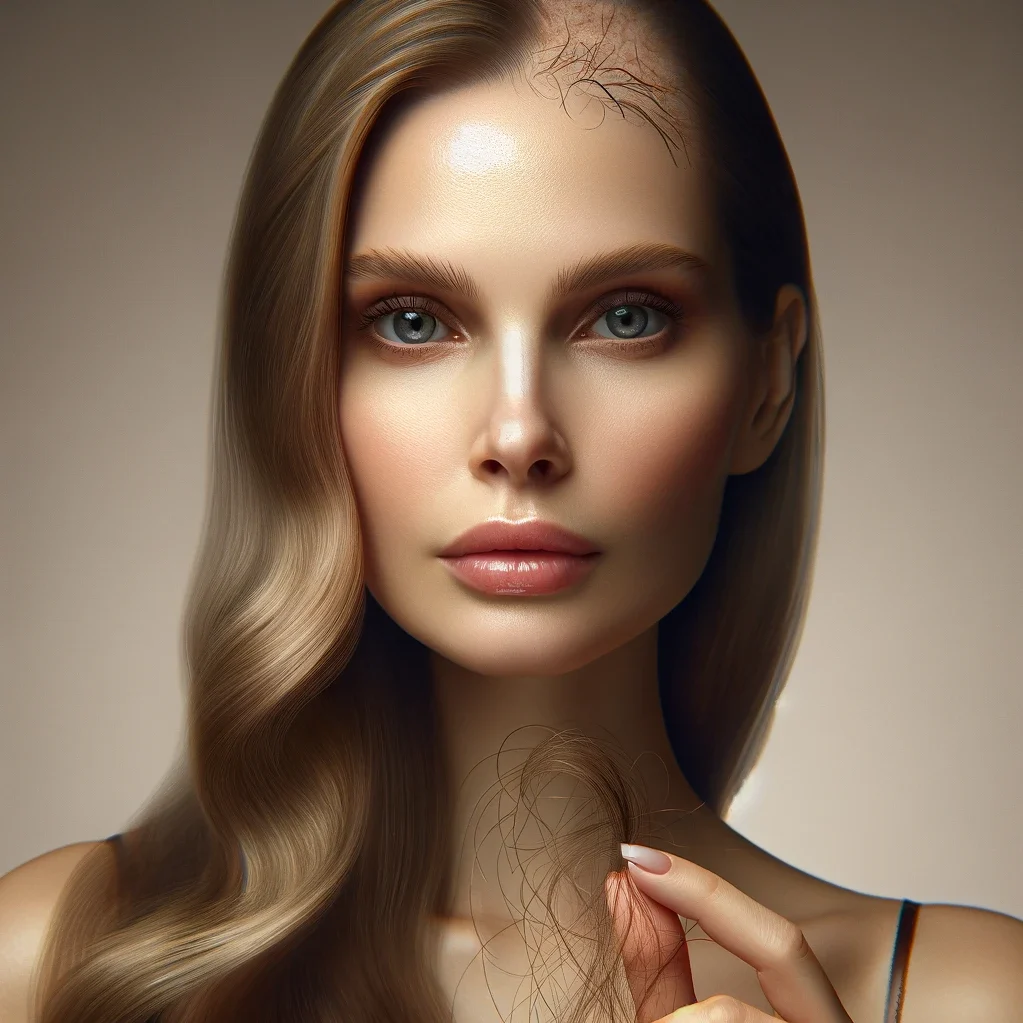
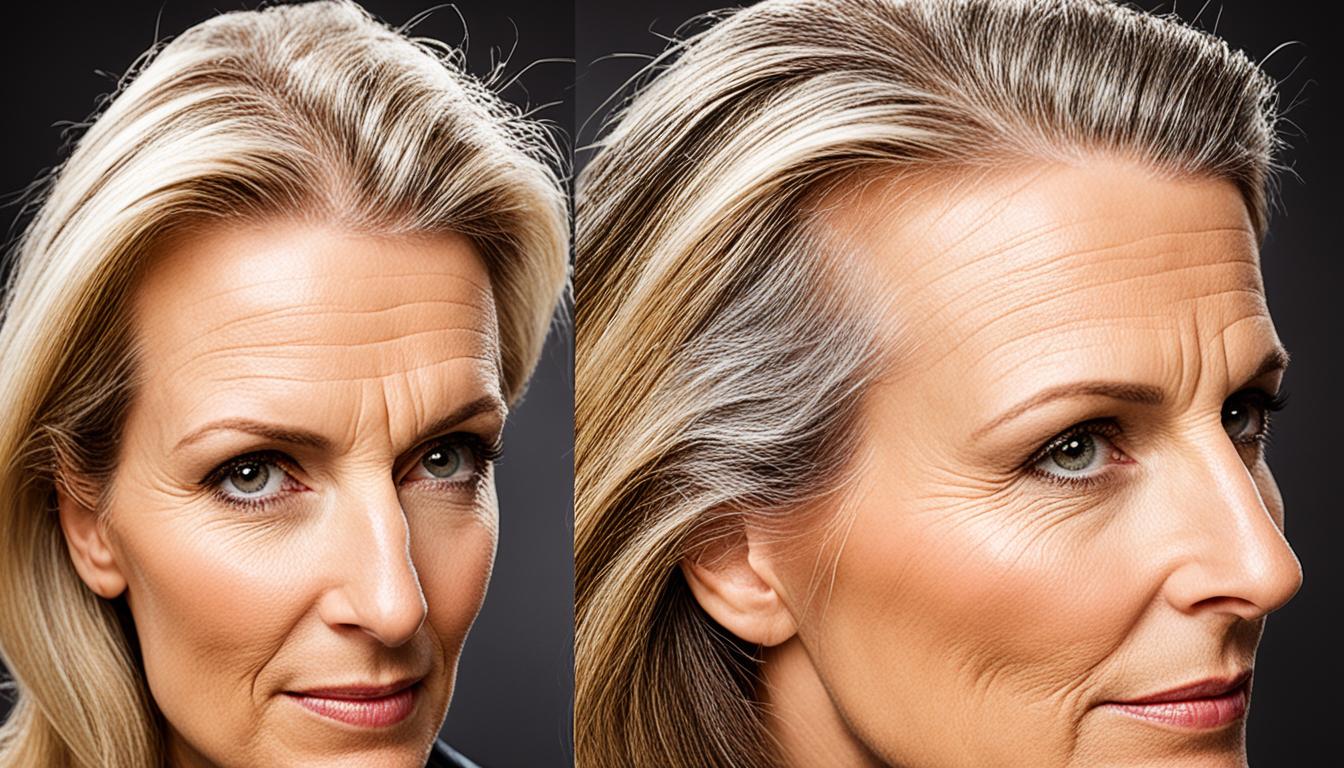
Patchy alopecia, also known as alopecia areata, is a common autoimmune disorder that results in unpredictable hair loss. This condition primarily affects the scalp, but it can also cause hair loss in other areas of the body. The exact cause of patchy alopecia is unknown, but genetics and environmental factors are believed to play a role. Individuals with a family history of the condition or other autoimmune disorders may have an increased risk.
Despite its unpredictable nature, there are treatment options available to manage patchy alopecia and promote hair regrowth. Medications such as corticosteroids can help suppress the immune response and reduce inflammation. Other treatments, including Minoxidil and Anthralin, can stimulate hair growth and impact the immune system. Natural remedies such as onion or garlic juice, green tea, and almond oil have also been used by some individuals.
If you are experiencing hair loss or have noticed bald spots, it is important to consult with a healthcare professional who can diagnose and provide appropriate treatment options for your specific case of patchy alopecia.
Key Takeaways:
- Patchy alopecia, or alopecia areata, is an autoimmune disorder that causes unpredictable hair loss.
- The condition primarily affects the scalp but can also lead to hair loss in other areas of the body.
- Genetics and environmental factors may contribute to the development of patchy alopecia.
- Treatment options for patchy alopecia include corticosteroids, minoxidil, and other medications that promote hair growth and affect the immune system.
- Some individuals have found natural remedies, such as onion or garlic juice, to be helpful in managing patchy alopecia, although scientific evidence is limited.
Causes of Patchy Alopecia
Patchy alopecia, also known as alopecia areata, is an autoimmune disorder characterized by the immune system mistakenly attacking the hair follicles. While the exact cause of this immune response is still unknown, researchers believe that both genetic and environmental factors contribute to the development of patchy alopecia.
Genetic factors: People with a family history of patchy alopecia or other autoimmune disorders have a higher risk of developing the condition. This suggests a genetic component that predisposes certain individuals to hair loss. Ongoing research aims to identify specific genes that may play a role in the development of patchy alopecia.
Environmental factors: Certain environmental factors may trigger the onset of patchy alopecia in individuals who are genetically susceptible. Emotional stress or illnesses are often associated with the onset of hair loss, although current research suggests that stress alone is not a direct cause of patchy alopecia. Other environmental factors, such as exposure to toxins or infections, may also contribute to the development of the condition.
Understanding the complex interplay between genetic and environmental factors is crucial for unraveling the underlying mechanisms of patchy alopecia. Further research is needed to uncover these connections and develop more targeted treatments for individuals affected by this autoimmune disorder.
Symptoms of Patchy Alopecia
The primary symptom of patchy alopecia is the development of patchy hair loss. Hair loss usually occurs in small, round patches on the scalp, although it can also affect other areas of the body such as the beard or eyebrows. The bare patches of skin are usually smooth and do not show signs of rash, redness, or scarring. Some individuals may experience symptoms such as tingling, burning, or itching before the hair falls out. In addition to hair loss, patchy alopecia can also cause nail changes, including ridges, pits, and roughness. These nail changes often occur in individuals with more extensive hair loss.
“The primary symptom of patchy alopecia is the development of patchy hair loss.”
Solutions for Patchy Alopecia
While there is no cure for patchy alopecia, there are treatment options available to manage the condition and promote hair regrowth.
The most common form of treatment is the use of corticosteroids, which are powerful anti-inflammatory drugs that can suppress the immune system. Corticosteroids can be administered through local injections, topical ointments, or orally. These medications help reduce inflammation and prevent further hair loss, allowing for potential hair regrowth.
In addition to corticosteroids, other medications such as Minoxidil, Anthralin, SADBE, and DPCP may also be prescribed to promote hair growth or affect the immune system. These medications work by stimulating hair follicles and encouraging hair regrowth in affected areas.
For those interested in natural remedies, there are various options that some individuals find helpful. These include applying onion or garlic juice, green tea, almond oil, rosemary oil, honey, or coconut milk to the scalp. However, it’s important to note that the effectiveness of these natural remedies is not supported by scientific evidence, and they should be used with caution.
In addition to medical treatments, individuals with patchy alopecia may also benefit from support groups and counseling to address the emotional impact of hair loss. Talking to others who have experienced similar challenges can provide valuable guidance, support, and reassurance throughout the journey.
Overall, the goal of treatment for patchy alopecia is to manage the symptoms and promote healthy hair regrowth. Consulting with a dermatologist or healthcare professional is essential in determining the most suitable treatment options for each individual.
FAQ
What is patchy alopecia?
Patchy alopecia, also known as alopecia areata, is a common autoimmune disorder that causes unpredictable hair loss, resulting in bald spots on the scalp.
What are the causes of patchy alopecia?
Patchy alopecia is believed to be caused by a combination of genetic and environmental factors. Individuals with a family history of the condition or other autoimmune disorders may have an increased risk of developing patchy alopecia.
What are the symptoms of patchy alopecia?
The main symptom of patchy alopecia is the development of round, patchy bald spots on the scalp. In some cases, hair loss may also occur in other areas of the body. Nail changes, such as ridges and pits, can also occur in more extensive cases of patchy alopecia.
Are there any treatments for patchy alopecia?
While there is no cure for patchy alopecia, there are treatment options available to manage the condition and promote hair regrowth. Corticosteroids, either administered through injections, topical ointments, or orally, are commonly prescribed. Other medications and natural remedies may also be used, although their effectiveness is not scientifically proven. Support groups and counseling can also be beneficial in addressing the emotional impact of hair loss.