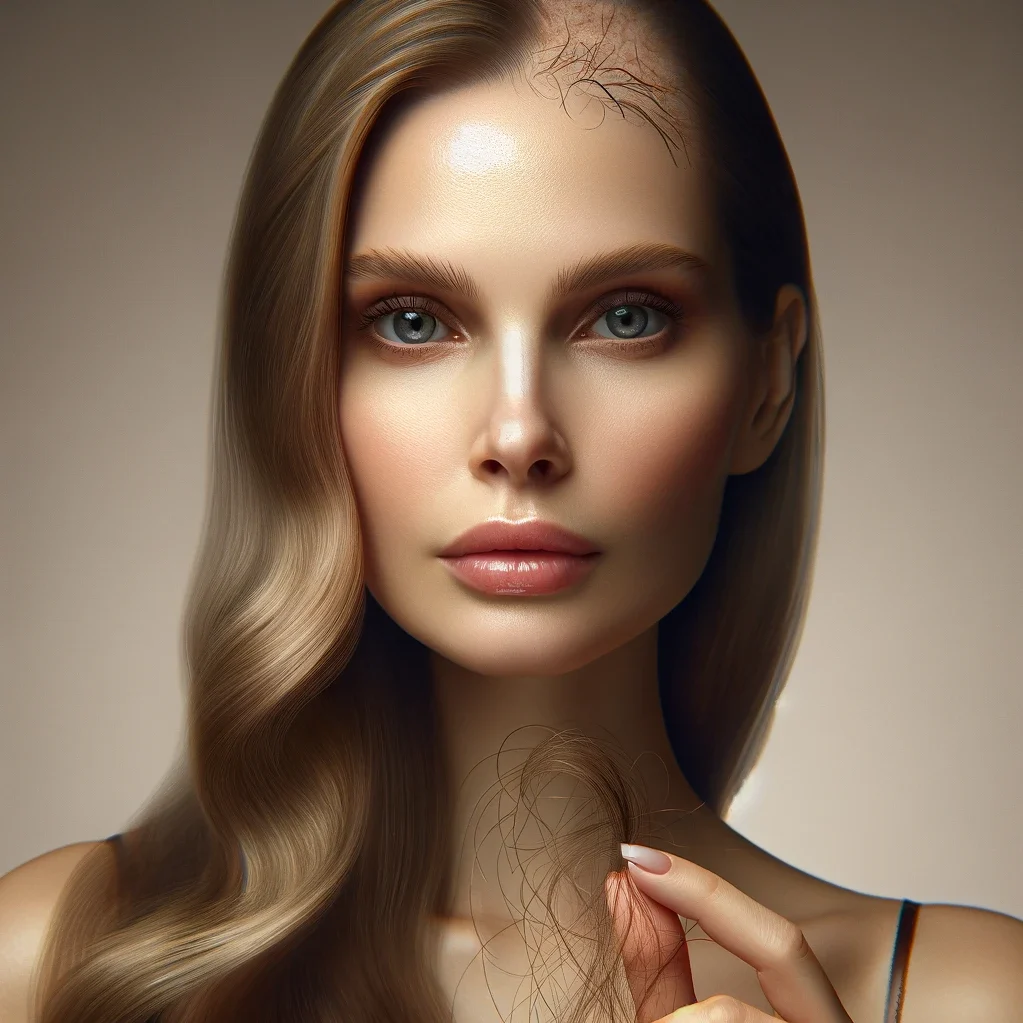

Welcome to our comprehensive guide on excessive hair shedding. If you’ve noticed an increase in hair loss, excessive shedding of hair, or experiencing excessive hair fall or breakage, we’re here to help you understand the causes and find effective solutions. Hair shedding can be a distressing experience, but rest assured, there are treatments and preventive measures available to manage this condition.
There are several factors that can contribute to excessive hair shedding. From hereditary hair loss to hormonal imbalances, age-related changes to scalp infections, each individual’s experience may vary. It is essential to consult a doctor or dermatologist to accurately diagnose the underlying cause and determine the appropriate course of action.
Throughout this guide, we will explore the common causes of excessive hair shedding and offer valuable insights into managing and preventing this condition. By taking proactive steps and adopting healthy hair care practices, you can promote hair regrowth and regain confidence.
Key Takeaways:
- Excessive hair shedding can have various causes, including hereditary factors, hormonal imbalances, age-related changes, scalp infections, and more.
- Consulting a healthcare professional is crucial for accurate diagnosis and personalized treatment options.
- Managing and preventing excessive hair shedding involves adopting good hair care habits, making lifestyle changes, and considering appropriate treatments.
- A balanced diet, reduced stress levels, and regular exercise can contribute to healthier hair.
- There are various treatments available, such as medications, laser therapy, platelet-rich plasma, and hair transplants, depending on the underlying cause.
With our expert guidance and the right approach, you can take control of your excessive hair shedding and embark on a journey towards healthier, fuller hair.
Common Causes of Excessive Hair Shedding
Excessive hair shedding can be attributed to various factors, ranging from hereditary conditions to lifestyle choices and medical treatments. Understanding the common causes of hair shedding is crucial in addressing the issue effectively.
1. Hereditary Hair Loss
Hereditary hair loss, also known as androgenic alopecia, is the most prevalent cause of hair loss worldwide. Both men and women can experience this type of hair loss, with men typically experiencing male pattern hair loss and women experiencing female pattern hair loss. Hereditary hair loss occurs when hair follicles become sensitive to a hormone called dihydrotestosterone (DHT), leading to the gradual thinning of hair over time.
2. Age-Related Hair Loss
As we age, our hair growth naturally slows down, and hair follicles may cease to produce new hair as effectively. This age-related hair loss is a common occurrence and often manifests as a thinning of the hair on the scalp. It is important to note that age-related hair loss is different from hereditary hair loss, although they can both contribute to excessive hair shedding.
3. Alopecia Areata
Alopecia areata is an autoimmune condition that causes sudden hair loss, usually in patchy patterns. It occurs when the immune system mistakenly attacks the hair follicles, resulting in hair loss. The exact cause of alopecia areata is still unknown, although genetic and environmental factors can play a role in its development.
4. Cancer Treatment
Cancer treatments such as chemotherapy and radiation can result in temporary hair loss. These treatments target rapidly dividing cancer cells, but they can also affect healthy cells, including hair follicles. Hair loss during cancer treatment is usually temporary, and the hair can often regrow once the treatment is completed.
5. Childbirth and Illness
Physical stressors such as childbirth, severe illness, or surgery can trigger a condition called telogen effluvium, which leads to excessive hair shedding. These stressors disrupt the hair growth cycle, causing a large number of hair follicles to enter the resting phase and eventually shed. In most cases, hair growth resumes once the underlying condition or stressor is resolved.
6. Hair Care Practices
Certain hair care practices can contribute to excessive hair shedding. These practices include frequent and intense heat styling, excessive brushing or combing, tight hairstyles that pull on the hair, and the use of harsh chemicals and hair products. It is important to be gentle with the hair and scalp to minimize damage and prevent unnecessary hair shedding.
7. Scalp Infections
Infections of the scalp, such as fungal infections, can cause hair shedding. These infections can disrupt the hair follicles and lead to inflammation and hair loss. It is essential to maintain good scalp hygiene and seek medical treatment if a scalp infection is suspected.
8. Medications and Hormonal Imbalances
Certain medications, such as those used for treating high blood pressure, depression, or autoimmune conditions, can cause hair shedding as a side effect. Hormonal imbalances, including those associated with thyroid disorders or polycystic ovary syndrome (PCOS), can also contribute to hair loss.
9. Nutritional Deficiencies
Poor nutrition and deficiencies in certain vitamins and minerals can impact hair health and contribute to excessive shedding. Nutrients such as iron, vitamin D, B vitamins, and zinc are vital for healthy hair growth. A balanced diet rich in these nutrients can help prevent hair shedding due to nutritional deficiencies.
Understanding the underlying causes of excessive hair shedding is crucial in finding appropriate solutions and treatments. If you are experiencing excessive hair shedding, it is recommended to consult with a healthcare professional or dermatologist to determine the specific cause and explore suitable treatment options.
Managing and Preventing Excessive Hair Shedding
When it comes to managing and preventing excessive hair shedding, there are a few key strategies to keep in mind. First and foremost, it’s vital to establish good hair care habits. This means avoiding excessive heat styling, as high temperatures can weaken the hair strands and lead to breakage. Opt for gentle hair products that are suitable for your hair type and avoid using harsh chemical treatments.
In addition to proper hair care, lifestyle changes can play a significant role in promoting healthier hair and reducing shedding. One important aspect is stress management, as high levels of stress can contribute to hair loss. Consider incorporating stress-reducing activities into your daily routine, such as meditation, exercise, or hobbies that help you relax.
Another factor to consider is diet and nutrition. Eating a balanced diet that includes a variety of nutrient-rich foods can provide your hair with the essential vitamins and minerals it needs to grow strong and healthy. Focus on incorporating foods that are high in protein, iron, biotin, and vitamins A, C, and E. Drinking plenty of water and staying hydrated is also essential for maintaining optimal hair health.
If you’ve tried implementing these hair care tips and lifestyle changes but are still experiencing excessive hair shedding, it may be time to explore possible treatments. Consultation with a healthcare professional or dermatologist can help determine the underlying cause of your hair loss and guide you towards the most suitable treatment options. Depending on your specific situation, treatments may include medications, laser therapy, platelet-rich plasma (PRP) therapy, or hair transplants.
With the right approach and a comprehensive plan tailored to your individual needs, it is possible to manage excessive hair shedding and even achieve regrowth of hair. Remember, each person’s experience with hair shedding is unique, so finding the right solution may take time and patience. Stay committed to a healthy hair care routine and don’t hesitate to seek professional guidance along the way.
FAQ
What are the common causes of excessive hair shedding?
Common causes of excessive hair shedding include hereditary hair loss, age-related hair loss, alopecia areata, cancer treatment, childbirth and illness, hair care practices, scalp infections, medications, hormonal imbalances, and nutritional deficiencies.
How can I manage and prevent excessive hair shedding?
To manage and prevent excessive hair shedding, it is important to practice good hair care habits, such as avoiding excessive heat styling, using gentle hair products, and avoiding tight hairstyles that pull on the hair. Making lifestyle changes, such as reducing stress, eating a balanced diet, and getting regular exercise, can also promote healthier hair. Depending on the underlying cause, there are various treatments available, including medications, laser therapy, platelet-rich plasma, and hair transplants. It is important to consult with a healthcare professional to determine the most appropriate treatment for individual circumstances.
How can I prevent excessive hair shedding?
To prevent excessive hair shedding, it is important to practice good hair care habits, such as avoiding excessive heat styling, using gentle hair products, and avoiding tight hairstyles that pull on the hair. Making lifestyle changes, such as reducing stress, eating a balanced diet, and getting regular exercise, can also promote healthier hair. Additionally, addressing any underlying health conditions, such as hormonal imbalances or nutritional deficiencies, may help prevent excessive hair shedding. Consultation with a healthcare professional is advised for personalized advice and recommendations.
Can nutritional deficiencies cause excessive hair shedding?
Yes, nutritional deficiencies can contribute to excessive hair shedding. Essential nutrients, such as vitamins (particularly vitamin D and biotin), minerals (like zinc and iron), and proteins, play a crucial role in maintaining healthy hair growth. Deficiencies in these nutrients can disrupt the hair growth cycle and lead to excessive shedding. Ensuring a well-balanced diet with adequate nutrient intake can help prevent nutritional deficiencies and promote healthier hair.
Can excessive stress cause hair shedding?
Yes, excessive stress can contribute to hair shedding. Stressful events, both physical and emotional, can disrupt the hair growth cycle and lead to excessive shedding. This condition is known as telogen effluvium. Managing stress through relaxation techniques, exercise, and seeking support from loved ones can help reduce the likelihood of excessive hair shedding caused by stress.
Are there any effective treatments for excessive hair shedding?
The appropriate treatment for excessive hair shedding depends on the underlying cause. Medical treatments such as medications, laser therapy, or platelet-rich plasma may be recommended by a healthcare professional. In cases of hereditary hair loss or certain types of alopecia, hair transplants may be an option. It is important to consult with a doctor or dermatologist to determine the most suitable treatment plan for individual circumstances.
Will hair regrow after experiencing excessive shedding?
In many cases, hair can regrow after experiencing excessive shedding. However, the regrowth process may take time and varies depending on the underlying cause. With effective treatment and management of the underlying cause, hair follicles can recover and start producing new, healthy hair. It is important to consult with a healthcare professional for an accurate diagnosis and personalized treatment plan to promote hair regrowth.