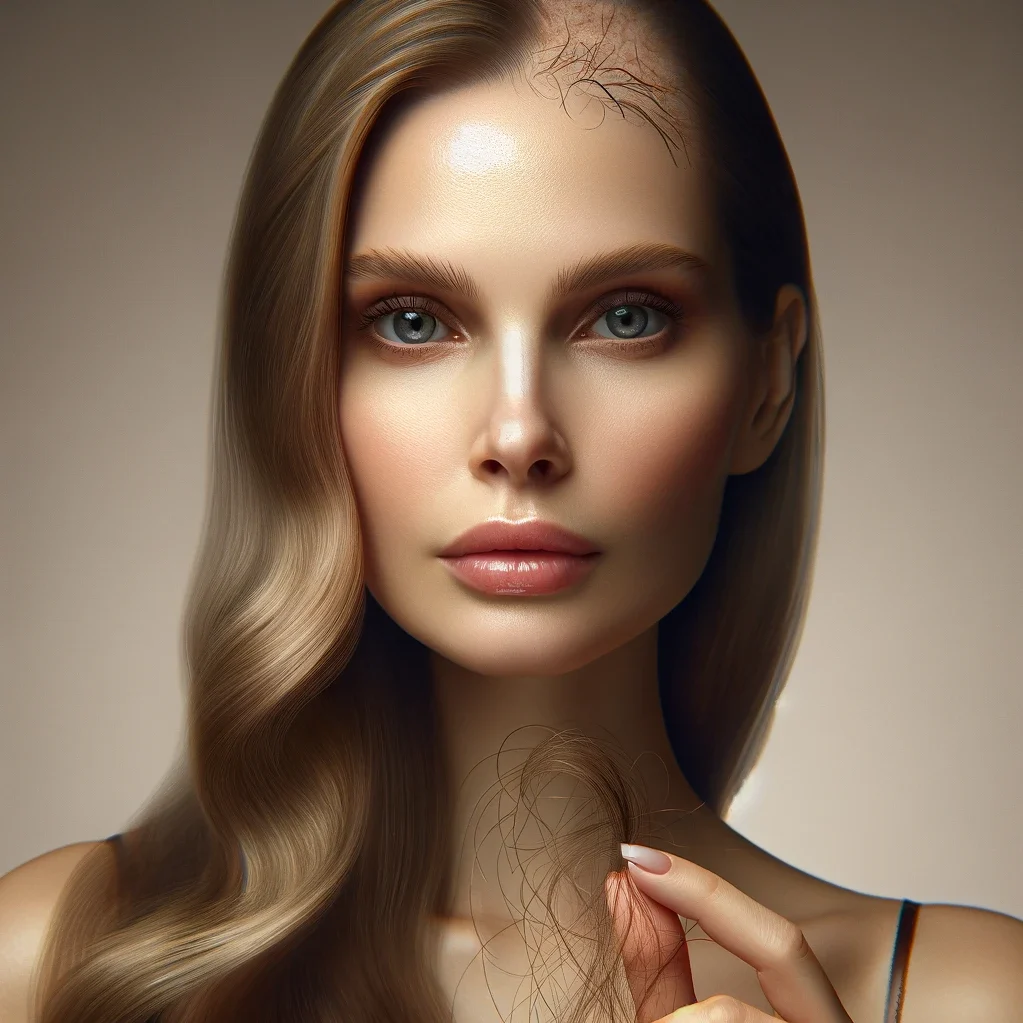
Excessive hair shedding can be a significant concern for many women, impacting their confidence and overall well-being. Whether it’s noticing more hair than usual on your brush or pillow, or experiencing thinning and loss of volume, it’s important to understand the causes and available remedies for this issue.
It’s essential to note that losing 50 to 100 strands of hair per day is normal. However, when the shedding becomes excessive and noticeable, it may be an indication of an underlying problem.
Key Takeaways:
- Excessive hair shedding affects up to 40% of women by the age of 50.
- Causes of hair shedding in women can include medication side effects, stress, nutritional deficiencies, hormonal imbalances, and genetic factors.
- Consulting with a healthcare professional is crucial to determine the cause of hair shedding and explore appropriate treatment options.
Common Causes of Excessive Hair Shedding in Women
Excessive hair shedding in women can be caused by various factors. Understanding these underlying causes is essential for effectively managing hair loss and promoting hair regrowth. Here are some common causes of excessive hair shedding in women:
Iron Deficiency
A lack of iron in the body can lead to hair loss. Iron is essential for healthy hair growth and a deficiency of this mineral can disrupt the hair growth cycle, causing excessive shedding.
Vitamin D Deficiency
Vitamin D plays a crucial role in hair follicle function. Insufficient levels of vitamin D can affect hair growth and contribute to excessive shedding in women.
Psychological Stress
Psychological stress, such as depression or anxiety, can have a significant impact on hair health. The body’s response to stress can disrupt the hair growth cycle and result in excessive hair shedding.
Thyroid Disease
Thyroid diseases, such as hypothyroidism or hyperthyroidism, can disrupt hormonal balance in the body. Fluctuations in hormone levels can lead to hair thinning and increased hair shedding.
Female Pattern Hair Loss (FPHL)
Female pattern hair loss, also known as androgenetic alopecia, is a hereditary condition that primarily affects women in their 40s, 50s, or 60s. It is characterized by a gradual thinning of the hair and increased shedding in specific patterns.
To effectively manage excessive hair shedding, it is important to address these underlying causes through appropriate medical intervention and lifestyle changes. Consultation with a healthcare professional can help diagnose the specific cause and develop a personalized treatment plan.
Table: Comparing the Common Causes of Excessive Hair Shedding in Women
| Cause | Description |
|---|---|
| Iron Deficiency | A lack of iron in the body can lead to hair loss, affecting the hair growth cycle. |
| Vitamin D Deficiency | Insufficient levels of vitamin D can disrupt hair follicle function and hair growth. |
| Psychological Stress | High levels of stress, such as depression or anxiety, can contribute to hair shedding. |
| Thyroid Disease | Thyroid imbalances can disrupt hormonal levels, leading to hair thinning and shedding. |
| Female Pattern Hair Loss (FPHL) | An inherited condition primarily affecting women, resulting in gradual hair thinning and increased shedding in specific patterns. |
By identifying and addressing these underlying causes, women can effectively manage excessive hair shedding and work towards promoting healthier, fuller hair.
Treatment Options for Excessive Hair Shedding in Women
Fortunately, there are various treatment options available for women experiencing excessive hair shedding. These treatments aim to stimulate hair growth, address underlying factors contributing to hair loss, and promote a healthier scalp. By exploring these options, women can take proactive steps towards regaining their hair’s health and volume.
1. Topical Minoxidil: One of the most popular and widely used hair loss treatments for women is topical minoxidil. This over-the-counter medication can be applied directly to the scalp daily to stimulate hair growth. It works by promoting blood flow to the hair follicles and extending the growth phase of the hair cycle. Topical minoxidil is available in different strengths and formulations and is generally well-tolerated.
2. Low-Light Lasers: Low-light lasers, such as laser combs or caps, are another option for women experiencing excessive hair shedding. These devices use low-energy light to stimulate hair follicles and promote regrowth. The light energy penetrates the scalp, increasing cellular activity and improving blood circulation to the hair follicles. Low-light laser treatments can be done at home and are non-invasive.
3. Prescription Oral Medications: In some cases, dermatologists may prescribe oral medications to treat excessive hair shedding in women. While not specifically approved for female pattern hair loss, medications such as finasteride and spironolactone have shown effectiveness in managing hair loss. These medications work by targeting hormonal imbalances and blocking the production of dihydrotestosterone (DHT), a hormone that can contribute to hair thinning. It’s essential to consult with a healthcare professional before starting any prescription medication.
4. Platelet-Rich Plasma (PRP) Therapy: Platelet-rich plasma therapy is a growing trend in hair loss treatment. This procedure involves drawing a small amount of blood from the patient, processing it to separate the plasma, and then injecting the platelet-rich plasma back into the scalp. The platelets contain growth factors that can stimulate hair follicle activity and promote hair regrowth. PRP therapy is typically performed in a medical setting and may require multiple sessions for optimal results.
5. Microneedling: Microneedling, when used in conjunction with topical minoxidil, can enhance the absorption and effectiveness of the treatment. This procedure involves creating tiny punctures in the scalp using a specialized device, stimulating the production of collagen and increasing blood flow to the hair follicles. Microneedling helps to rejuvenate the scalp and improve the overall health of the hair. It is often performed in a dermatologist’s office.
It’s important for women experiencing excessive hair shedding to consult with a healthcare professional to determine the most suitable treatment approach for their specific situation. Exploring these treatment options, along with addressing any underlying causes, can help women regain their confidence and achieve healthier, fuller hair.
| Treatment Option | Description |
|---|---|
| Topical Minoxidil | Over-the-counter medication applied to the scalp daily to stimulate hair growth. |
| Low-Light Lasers | Devices that use low-energy light to stimulate hair follicles and encourage regrowth. |
| Prescription Oral Medications | Medications prescribed by dermatologists to address hormonal imbalances and block DHT production. |
| Platelet-Rich Plasma (PRP) Therapy | Procedure involving injecting plasma from the patient’s own blood to stimulate hair regrowth. |
| Microneedling | Procedure that creates tiny punctures in the scalp to improve absorption and promote hair health. |
Quote:
“By exploring these treatment options, women with excessive hair shedding can take proactive steps towards regaining their hair’s health and volume.” – Dr. Rebecca Simmons, Dermatologist
Conclusion
Excessive hair shedding in women can be distressing, but rest assured, there are effective treatments available. Understanding the underlying causes, such as iron deficiency or hormonal imbalances, is crucial for developing tailored treatment plans. From topical minoxidil to low-light lasers, prescription medications, platelet-rich plasma therapy, and microneedling, women have a range of options to address excessive hair shedding.
Consulting with a doctor is essential to accurately diagnose the cause of hair loss and determine the most appropriate treatment course. With the right approach and guidance, women can effectively manage excessive hair shedding and regain confidence in the health and appearance of their hair.
If you’re facing excessive hair shedding, don’t suffer in silence. Reach out to a healthcare professional who specializes in hair loss treatments for women. Together, you can explore the available options and find a treatment plan that works best for you. Remember, you are not alone, and there are solutions to help you overcome excessive hair shedding and embrace healthier, more abundant hair.
FAQ
What is excessive hair shedding in women?
Excessive hair shedding in women refers to the excessive and noticeable loss of hair that goes beyond the normal daily shedding of 50 to 100 strands. It can lead to a thinner ponytail, wider part, or overall hair thinning.
What are the common causes of excessive hair shedding in women?
The common causes of excessive hair shedding in women include iron deficiency, vitamin D deficiency, psychological stress, thyroid disease, and female pattern hair loss (FPHL), among others.
How can excessive hair shedding in women be treated?
Treatment options for excessive hair shedding in women include topical minoxidil, low-light lasers, prescription oral medications, platelet-rich plasma therapy, and microneedling. Consulting with a healthcare professional is crucial in determining the most suitable treatment approach for individual cases.
Why is it important to address excessive hair shedding in women?
Excessive hair shedding in women can be distressing and impact self-confidence. Addressing the underlying causes and seeking appropriate treatment can help manage excessive hair shedding and promote hair regrowth, enhancing the overall health and appearance of the hair.