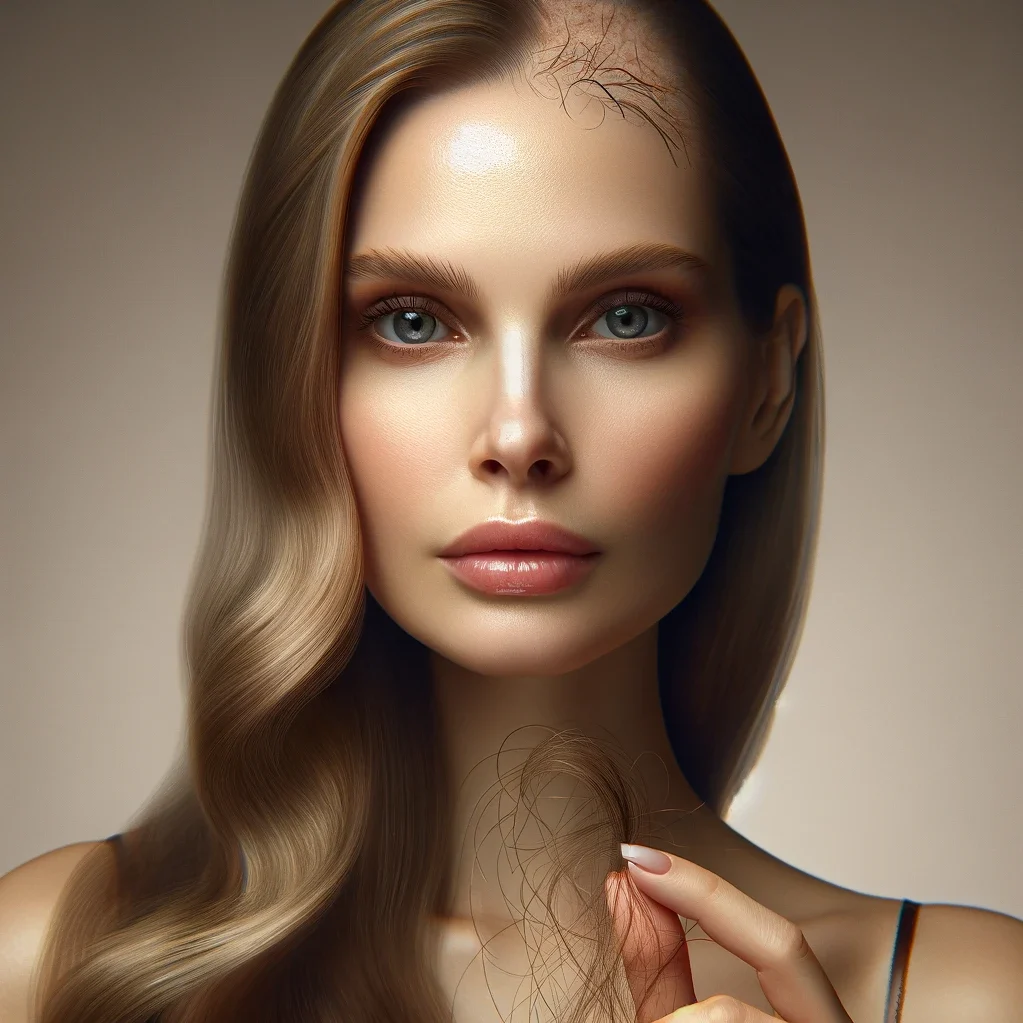
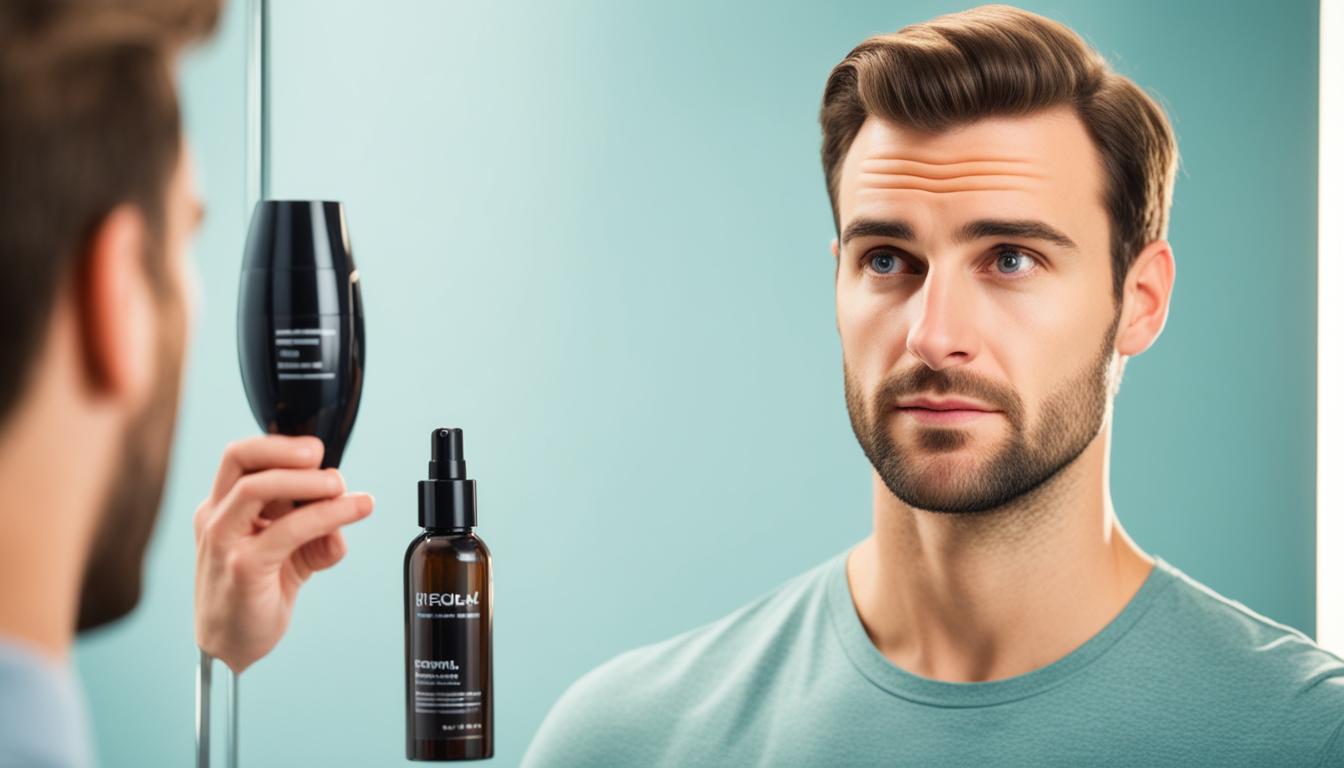
Dealing with hair loss at the age of 20 can be a distressing experience for young men. While it may seem unusual, it is not uncommon, with up to 30% of men experiencing some form of hair loss before the age of 30. The most common cause of hair loss in young men is male pattern baldness, a condition influenced by genetics.
There are various factors that can contribute to hair loss in men under 25, including stress, medical conditions, medications, nutritional deficiencies, and physical damage to the hair or scalp. Understanding these causes is essential in finding effective solutions to combat premature hair loss and promote healthy hair regrowth.
Key Takeaways:
- Male pattern baldness is the most common cause of hair loss in young men.
- Other factors that can contribute to hair loss include stress, medical conditions, medications, nutritional deficiencies, and physical hair or scalp damage.
- Early intervention and treatment are crucial in managing hair loss at a young age.
- Medications like finasteride and minoxidil are commonly used for hair loss treatment in young men.
- In addition to medication, adopting healthy habits can support hair growth and prevent further hair loss.
Causes of Hair Loss in Men Under 25
Understanding the causes of hair loss in men under 25 is crucial for addressing this common issue. While male pattern baldness is the most prevalent cause, there are various other factors that can contribute to hair loss at a young age.
Male Pattern Baldness: Male pattern baldness, also known as male androgenetic alopecia, is the primary cause of hair loss in young men. It is a hereditary condition influenced by genetics, resulting in hair thinning, receding hairline, and eventually, baldness.
Stress-related Hair Loss: Stress can also play a significant role in hair loss among young men. Continuous stress can induce a condition called telogen effluvium, where hair prematurely enters the resting phase and subsequently falls out. Managing stress levels is crucial for maintaining healthy hair.
Medical Conditions: Certain medical conditions can contribute to hair loss in men under 25. These may include thyroid issues, autoimmune diseases, and skin conditions that affect the scalp. Treating the underlying medical condition can help reduce hair loss.
Medications: Some medications, such as antidepressants and anti-inflammatory drugs, have been associated with hair loss as a side effect. If you suspect that your medication is causing hair loss, it is important to consult with your healthcare provider to explore alternative options.
Nutritional Deficiencies: Inadequate nutrition can have a negative impact on hair health and contribute to hair loss. Nutritional deficiencies, particularly deficiencies in vitamins and minerals like iron and vitamin D, can result in weakened hair follicles and subsequent hair loss.
Physical Damage: Physical damage to the hair or scalp, often caused by tight hairstyles like ponytails or braids, can lead to hair loss. These hairstyles can cause tension and traction on the hair follicles, leading to breakage and hair loss over time.
To effectively address hair loss in men under 25, it is crucial to identify the specific cause. This can be achieved through a thorough evaluation by a healthcare professional or dermatologist.
“Understanding the causes of hair loss is the first step in finding the right solution.”
In the next section, we will explore the different treatment options available for combating hair loss in young men and promoting hair regrowth.
Treatment Options for Hair Loss in Your 20s
Early intervention is crucial when it comes to treating hair loss in your 20s. The most common medications used for hair loss treatment include finasteride and minoxidil.
Finasteride is an oral medication that targets dihydrotestosterone (DHT), a hormone that can shrink hair follicles and cause hair thinning.
Minoxidil, available in foam or solution form, is applied directly to the scalp and promotes hair growth.
While these medications are effective, there are also natural and healthy habits you can incorporate into your routine to support hair growth:
- Maintain a balanced diet: Consuming nutrient-rich foods, such as fruits, vegetables, lean proteins, and whole grains, can provide the essential vitamins and minerals your hair needs for growth.
- Reduce stress levels: High levels of stress can contribute to hair loss. Engage in stress-reducing activities like exercise, meditation, or hobbies to promote overall well-being.
- Avoid tight hairstyles: Pulling hair tightly can put stress on the hair follicles and lead to hair breakage or traction alopecia. Opt for looser hairstyles or let your hair down to minimize damage.
- Use gentle hair care practices: Avoid aggressive brushing or combing, and opt for wide-toothed combs or brushes with soft bristles to minimize hair breakage.
Combining these healthy habits with the prescribed medications can help optimize hair growth and prevent further hair loss. Remember, consistency is key in achieving the desired results.

“Taking proactive steps towards addressing hair loss in your 20s can lead to effective results. Incorporating medication like finasteride or minoxidil, along with a healthy lifestyle, can help promote hair growth and prevent further thinning. Consult with a healthcare professional for personalized recommendations and guidance on the best course of action for you.”
Conclusion
Dealing with hair loss at the age of 20 can be challenging, but there are effective solutions available. Understanding the causes of hair loss, such as male pattern baldness, stress, medical conditions, medications, nutritional deficiencies, and physical damage, can help identify the appropriate treatment options.
Medications like finasteride and minoxidil, along with adopting healthy habits, play a crucial role in managing hair loss and promoting hair regrowth. Finasteride is an oral medication that targets the hormone responsible for hair thinning, while minoxidil, available in foam or solution form, stimulates hair growth when applied to the scalp.
It’s important to take action early and consult with a healthcare professional to develop a personalized approach to hair loss prevention and treatment. By taking proactive steps and maintaining hair health through a balanced diet, reduced stress levels, gentle hair care practices, and avoiding hairstyles that pull tightly on the hair, young men can address hair loss concerns and regain confidence in their appearance.
FAQ
What causes hair loss in men under 25?
The most common cause of hair loss in men under 25 is male pattern baldness, influenced by genetics. Other factors include stress, medical conditions, medications, nutritional deficiencies, and physical damage to the hair or scalp.
How can hair loss in your 20s be treated?
Treatment options for hair loss in your 20s include medications like finasteride and minoxidil, which can help promote hair growth. Adopting healthy habits such as maintaining a balanced diet, reducing stress levels, avoiding tight hairstyles, and using gentle hair care practices can also support hair regrowth.
What is finasteride and how does it work for hair loss?
Finasteride is an oral medication that targets dihydrotestosterone (DHT), a hormone that can shrink hair follicles and cause hair thinning. By reducing DHT levels, finasteride helps prevent further hair loss and promotes hair regrowth.
What is minoxidil and how does it work for hair loss?
Minoxidil is available in foam or solution form and is directly applied to the scalp. It promotes hair growth by increasing blood flow to the hair follicles and prolonging the anagen (growth) phase of the hair cycle.
Are there any natural ways to combat hair loss in young males?
While natural remedies may not be as effective as medications, adopting healthy habits such as eating a balanced diet rich in vitamins and minerals, reducing stress levels, and practicing good hair care can help support hair growth and minimize hair loss.