
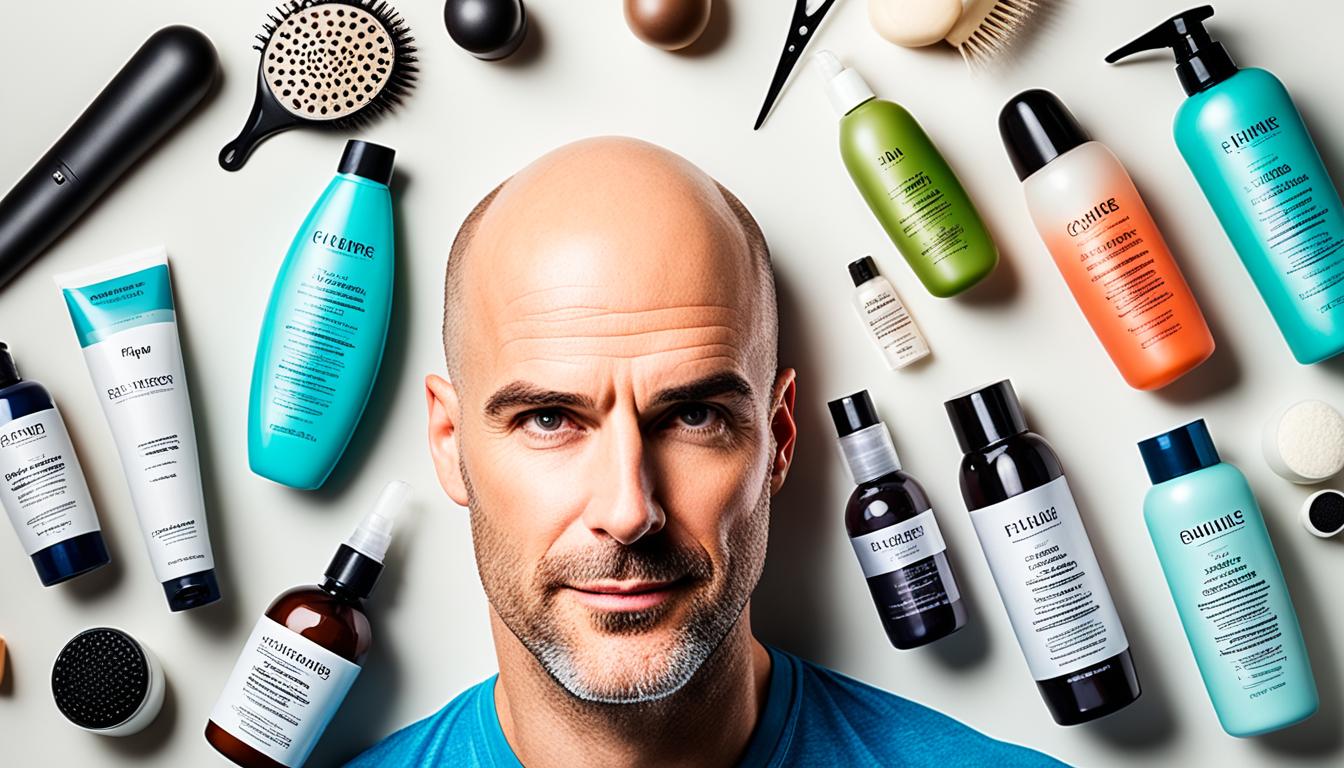
In 2022, several new and effective treatments for hair loss have emerged. Dermatologists have made exciting discoveries, including a much cheaper way to use the active ingredient in Rogaine. Instead of applying it topically, this ingredient can now be taken orally as an oral minoxidil treatment. Studies have shown promising results in treating baldness with this new approach.
Additionally, the FDA has recently approved a new treatment called Olumiant for alopecia areata, a condition that causes complete hair loss. This once-a-day pill has shown significant regrowth in patients, offering hope to those struggling with this condition. Two other treatments for alopecia areata are in the late-stage trial phase, aiming to hit the market soon.
In a comprehensive study on supplements for hair loss, it has been revealed that pharmaceutical interventions like minoxidil and finasteride are more effective than supplements. While supplements may still offer an alternative for those seeking natural remedies, the advancements in pharmaceutical treatments have shown to be more successful.
Key Takeaways:
- Oral minoxidil treatment offers an alternative to topical application for treating baldness.
- Olumiant, an FDA-approved treatment, has shown significant regrowth in patients with alopecia areata.
- Two other treatments for alopecia areata are in late-stage trials.
- Pharmaceutical interventions like minoxidil and finasteride are more effective for hair loss than supplements.
- Consult with healthcare professionals to determine the best treatment for individual circumstances.
New Breakthrough Treatment for Hair Loss Using MicroRNA
Scientists have made a groundbreaking discovery in the field of hair loss treatment using a type of microRNA. This exciting development offers a new approach to tackling hair loss and holds promise for individuals seeking a cure or prevention for baldness.
MicroRNAs are small molecules that play a crucial role in regulating gene expression in cells. In the context of hair loss, researchers have found that a specific microRNA has the ability to soften hair follicles, which can become stiffer with age, leading to hair loss.
This groundbreaking discovery has paved the way for potentially groundbreaking treatment options. By increasing the production of this microRNA, scientists believe it may be possible to reverse hair loss and stimulate hair regrowth.
How is this new approach different?
This new approach to hair loss treatment is distinct from existing methods such as minoxidil and finasteride. While these treatments have proven effective for many individuals, the microRNA-based approach offers a novel avenue for hair loss prevention and remedy.
This breakthrough discovery opens up new possibilities for combating hair loss. By targeting the underlying mechanisms of hair follicle stiffness and employing microRNA-based interventions, researchers are exploring a completely different avenue for restoring hair growth.
While the research is still in its early stages, and further studies are needed to validate and refine this approach, the initial findings are highly promising. This breakthrough has the potential to revolutionize hair loss treatment and provide hope for those affected by baldness.
Effective Hair Loss Treatments and Solutions
There are various effective treatments and solutions available for hair loss. To combat hair thinning and prevent further hair loss, it’s important to explore different options that suit individual needs and conditions. Here are some of the most common and proven methods:
Medications
The first line of treatment for hair loss often involves medications that are FDA-approved and clinically proven to slow down hair loss and promote regrowth. Two commonly recommended medications are:
| Medication | Key Benefits |
|---|---|
| 1. Minoxidil (Rogaine) | ✓ Slows down hair loss ✓ Promotes hair regrowth ✓ Suitable for both men and women |
| 2. Finasteride (Propecia) | ✓ Slows down hair loss ✓ Promotes hair regrowth ✓ Primarily suitable for men |
Hair Transplant Surgery
For individuals with significant hair loss, hair transplant surgery is an effective option. During this procedure, hair follicles are removed from one area (usually the back or sides of the head) and transplanted into areas with reduced hair growth or bald patches.
Laser Therapy
Laser therapy involves using low-level laser devices to stimulate hair follicles, improve hair density, and promote hair growth. It is a non-invasive treatment option that has shown promising results in both men and women.
Platelet-Rich Plasma (PRP) Treatments
Platelet-rich plasma (PRP) treatments involve using a patient’s own blood plasma, which is rich in growth factors, to stimulate hair growth. PRP is administered through injections into the scalp, targeting areas of hair loss or thinning.
It is essential to consult with a healthcare professional or a dermatologist to determine the most suitable treatment option based on individual needs and conditions. They can provide personalized recommendations and guidance tailored to each person’s unique situation.

In the next section, we will discuss the conclusion and wrap up the key takeaways from this article.
Conclusion
The field of hair loss treatment has witnessed significant advancements in recent years, providing hope for individuals dealing with hair loss. With a range of solutions available, from innovative drugs like Olumiant for alopecia areata to the exciting discovery of using microRNA to stimulate hair growth, there are now more options than ever to combat hair loss effectively.
While pharmaceutical interventions like minoxidil and finasteride have been proven to be highly effective in slowing down hair loss and promoting regrowth, there are also alternative approaches for those seeking natural remedies. Though supplements may not match the efficacy of pharmaceutical treatments, they still offer potential benefits as an adjunct therapy for hair loss.
Staying informed about the latest advancements in the field of hair loss treatments is crucial. Consulting with healthcare professionals who specialize in hair loss can help individuals determine the most suitable approach for their unique circumstances. With ongoing research and development, the future holds promise for more effective and accessible hair loss cures that can help people regrow hair naturally.
FAQ
Are there any new breakthrough treatments for hair loss?
Yes, in 2022, several new and effective treatments for hair loss emerged. Dermatologists discovered a much cheaper way to use the active ingredient in Rogaine, which can be taken orally instead of being applied topically. This oral minoxidil treatment has shown promising results in treating baldness. Additionally, the FDA approved a new treatment called Olumiant for alopecia areata, a condition that causes complete hair loss. This once-a-day pill has shown significant regrowth in patients. Two other treatments for alopecia areata reached late-stage trials and could hit the market soon.
How does microRNA contribute to the treatment of hair loss?
Scientists have made a breakthrough discovery in hair loss treatment using a type of microRNA. This microRNA softens hair follicles, which can become stiffer with age and contribute to hair loss. Increasing the production of this microRNA could potentially lead to a new treatment for baldness. While the research is still in its early stages and more studies are needed, this development shows promise in reversing hair loss and regrowing hair.
What are some effective treatments for hair loss?
There are various effective treatments and solutions available for hair loss. Medications like minoxidil (Rogaine) and finasteride (Propecia) have been FDA-approved and shown to slow down hair loss and promote regrowth. Hair transplant surgery is another option for those with significant hair loss. Laser therapy, low-level laser devices, and platelet-rich plasma (PRP) treatments have also shown promising results in improving hair density and stimulating hair growth. It is important to consult with a healthcare professional to determine the most suitable treatment option based on individual needs and conditions.
How can I prevent hair thinning and loss?
To prevent hair thinning and loss, there are several tips you can follow. Maintain a healthy diet rich in vitamins and minerals, avoid excessive heat styling and harsh chemical treatments, be gentle when handling wet hair, manage stress levels, and avoid tight hairstyles that pull on the hair follicles. Additionally, regular scalp massages and using products specifically designed to promote hair health can help prevent hair thinning and loss.
Is it possible to regrow hair naturally?
While there is no guaranteed natural remedy for regrowing hair, there are some practices that may promote hair growth. These include maintaining a healthy diet, practicing good hair care habits, reducing stress levels, and using natural remedies such as essential oils and scalp massages. However, it’s important to note that not all individuals will experience significant hair regrowth through natural methods alone, and consulting with a healthcare professional is recommended for personalized advice and treatment options.
Are supplements effective for treating hair loss?
While there are various supplements marketed for hair loss, a comprehensive study has shown that pharmaceutical interventions like minoxidil and finasteride are more effective in treating hair loss. Supplements may provide some nutritional support, but they should not be relied upon as the sole solution for hair loss. It is best to consult with a healthcare professional to determine the most suitable treatment approach for individual circumstances.