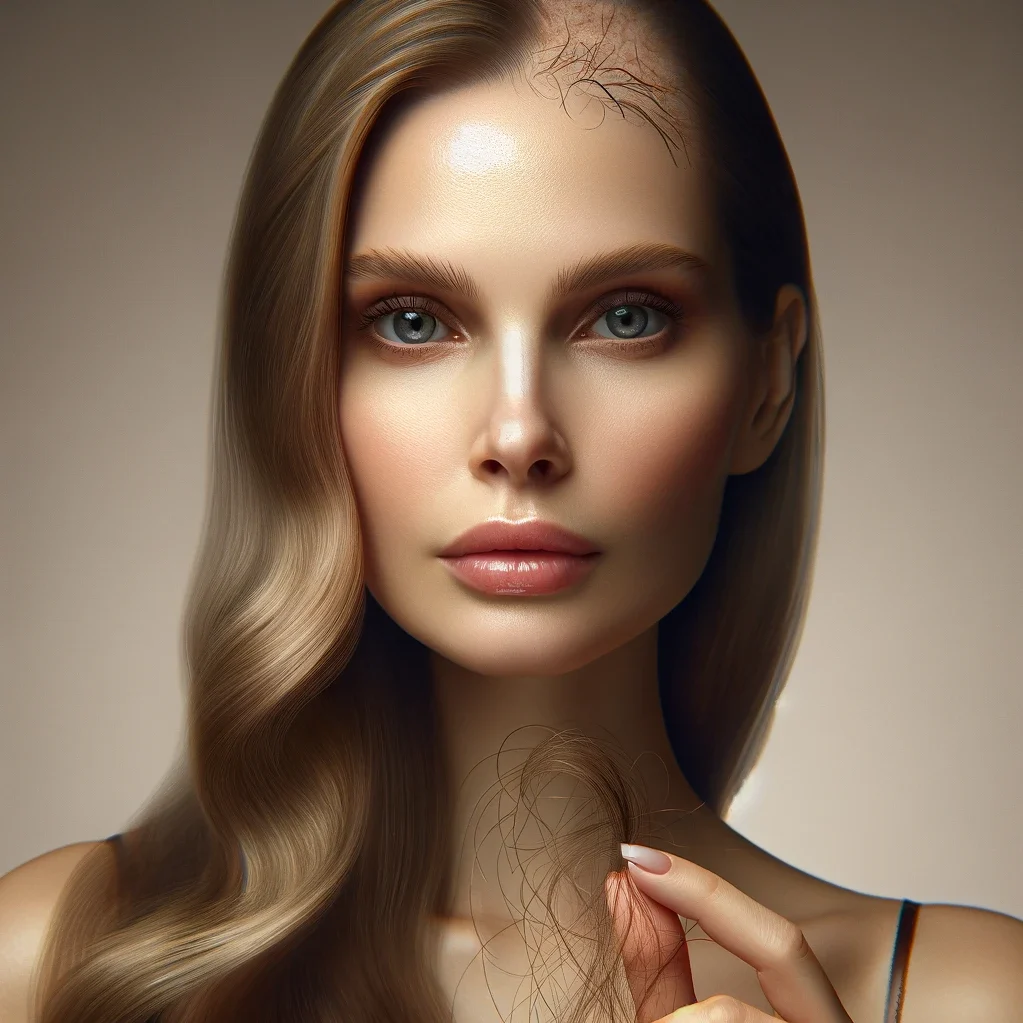
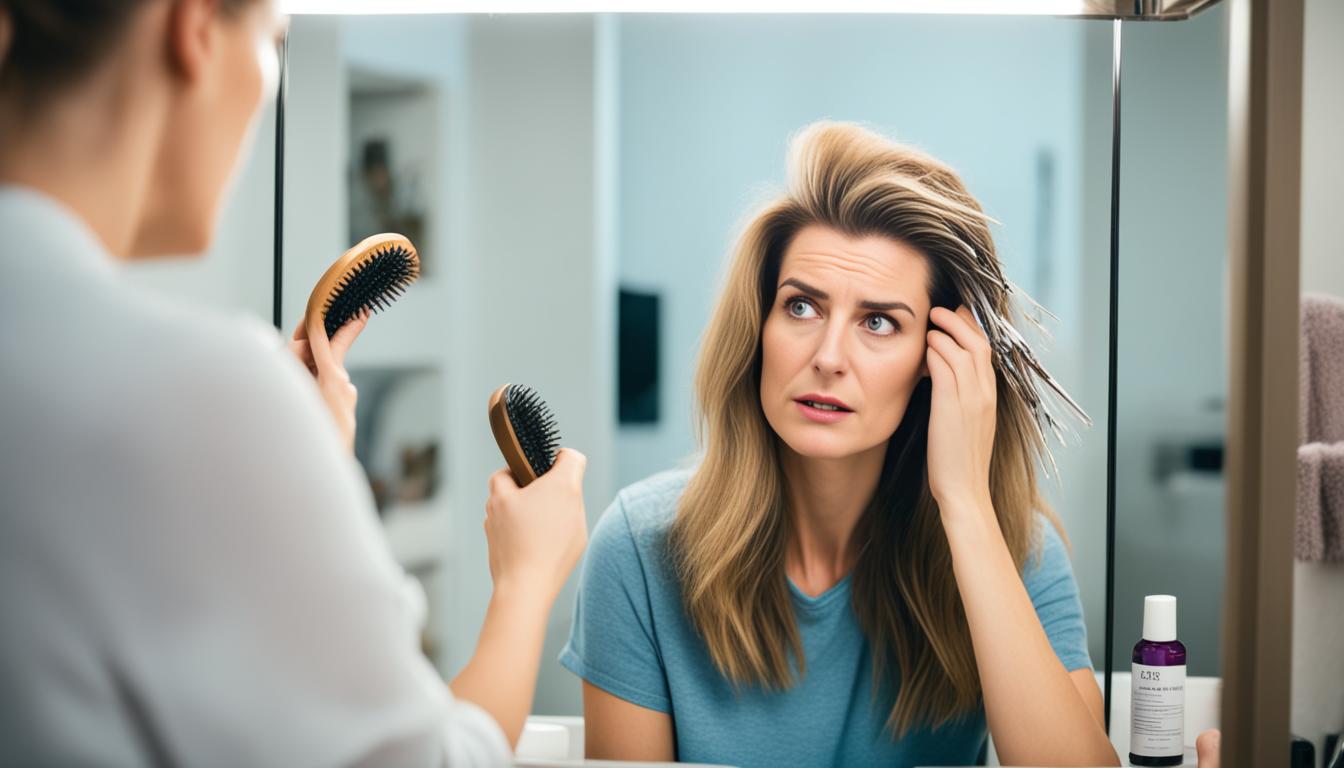
Hair loss is not just a problem that affects men; it is also incredibly common in women. Up to 40% of women will experience noticeable hair loss by age 50, but it can occur at any age. Thinning hair in women often presents differently than in men, with a wider part or a thinner ponytail being common signs.
Hair growth occurs in cycles, with three phases: the anagen phase (growth phase), the catagen phase (transition phase), and the telogen phase (resting phase). It is normal to lose between 50 and 100 strands of hair each day. However, if there is a sudden increase in hair shedding or visible areas of thinning, it is important to consult a doctor.
The causes of hair loss in women can vary, including hormonal imbalances, medication side effects, and high levels of stress. The most common type of hair loss in women is female pattern hair loss (FPHL), also known as androgenetic alopecia. FPHL is an inherited condition that tends to become more common after menopause due to hormonal changes. Women with polycystic ovarian syndrome (PCOS) may also experience hair loss due to hormonal imbalances.
Fortunately, there are effective treatments available for women experiencing hair loss, including topical minoxidil, low-light lasers, prescription oral medications, platelet-rich plasma therapy, and microneedling. Consulting with a doctor can help determine the underlying cause of hair loss and identify the best treatment options.
Key Takeaways:
- Hair loss is common in women, with up to 40% experiencing noticeable hair loss by age 50.
- Thinning hair in women often presents differently than in men, with a wider part or a thinner ponytail being common signs.
- The causes of hair loss in women can vary, including hormonal imbalances, medication side effects, and high levels of stress.
- The most common type of hair loss in women is female pattern hair loss (FPHL), which tends to become more common after menopause.
- Treatments for hormonal hair loss in women include topical minoxidil, low-light lasers, prescription oral medications, platelet-rich plasma therapy, and microneedling.
Understanding the Hair Growth Cycle
Hair growth occurs in cycles, with each hair follicle going through three distinct phases: the anagen phase, the catagen phase, and the telogen phase.
Anagen Phase: This is the active growth phase of the hair follicle, lasting between 2 and 8 years. It accounts for approximately 90% of the hair on the head. During this phase, cells in the hair bulb divide rapidly, leading to hair growth.
Catagen Phase: Following the anagen phase, the hair enters the catagen phase, which is a transitional phase lasting 2 to 3 weeks. During this phase, the hair follicle shrinks and detaches from the blood supply, preparing for the next phase.
Telogen Phase: The telogen phase is a resting phase that lasts 2 to 4 months. During this phase, the hair strand is no longer attached to the hair follicle and is ready to shed. It is normal to lose between 50 and 100 strands of hair each day during this phase.
Factors such as age, nutrition, family history of hair loss, and overall wellness can influence the hair growth cycle. Additionally, the hair growth cycle can be affected by hormonal imbalances, medication side effects, and high levels of stress.
While it is normal to experience hair shedding as part of the hair growth cycle, a sudden increase in hair shedding or visible areas of thinning may indicate a problem. If you are concerned about excessive hair loss, it is important to consult a doctor for a proper diagnosis and treatment options.
Treating Hormonal Hair Loss in Women
When it comes to treating hormonal hair loss in women, there are several options available. One popular choice is topical minoxidil, which can be purchased over-the-counter in 2% and 5% strengths. Approved by the FDA for both male and female pattern baldness, this medication is applied to the scalp daily to stimulate hair growth.
Another treatment option is low-light lasers, such as laser combs and caps. These devices use low-energy light to stimulate hair follicles and promote regrowth. While only a few types have FDA approval, they have shown promising results in some cases.
In certain situations, dermatologists may prescribe oral medications like finasteride and spironolactone, even though they are not specifically approved for female pattern hair loss. This off-label use can be effective in combating hormonal hair loss in women.
Other treatment options include platelet-rich plasma therapy and microneedling. Platelet-rich plasma therapy involves injecting plasma from the patient’s own blood into the scalp, while microneedling creates tiny holes in the scalp to enhance the absorption of topical treatments like minoxidil.
Consulting with a doctor is crucial to determine the underlying cause of hair loss and identify the most suitable treatment options. They can provide personalized recommendations based on individual needs and preferences.
FAQ
What are the common signs of hair loss in women?
Thinning hair in women often presents differently than in men, with a wider part or a thinner ponytail being common signs.
How does the hair growth cycle work?
The hair growth cycle consists of the anagen phase (growth phase), the catagen phase (transition phase), and the telogen phase (resting phase).
How much hair loss is considered normal?
It is normal to lose between 50 and 100 strands of hair each day.
When should I consult a doctor about hair loss?
If there is a sudden increase in hair shedding or visible areas of thinning, it is important to consult a doctor.
What are the common causes of hair loss in women?
Hair loss in women can be caused by hormonal imbalances, medication side effects, and high levels of stress.
What is female pattern hair loss?
Female pattern hair loss (FPHL), also known as androgenetic alopecia, is the most common type of hair loss in women. It is an inherited condition that tends to become more common after menopause due to hormonal changes.
Can hormonal imbalances lead to hair loss in women?
Yes, hormonal imbalances, such as those seen in conditions like polycystic ovarian syndrome (PCOS), can lead to hair loss in women.
What are the treatment options for hormonal hair loss in women?
Treatment options for hormonal hair loss in women include topical minoxidil, low-light lasers, prescription oral medications, platelet-rich plasma therapy, and microneedling.
What is topical minoxidil?
Topical minoxidil is an over-the-counter drug approved by the FDA for both male and female pattern baldness. It is applied to the scalp daily.
How do low-light lasers work in treating hair loss?
Low-light lasers, such as laser combs and caps, use low-energy light to stimulate hair follicles and promote hair growth.
Can prescription oral medications help treat hair loss in women?
Prescription oral medications like finasteride and spironolactone, although not specifically approved for female pattern hair loss, are sometimes used off-label by dermatologists.
What is platelet-rich plasma therapy?
Platelet-rich plasma therapy involves taking plasma from the patient’s blood and injecting it into the scalp to stimulate hair growth.
How does microneedling help with hair loss?
Microneedling is often used in conjunction with topical minoxidil. Fine needles are used to create tiny holes in the scalp, allowing better absorption of the topical treatment.