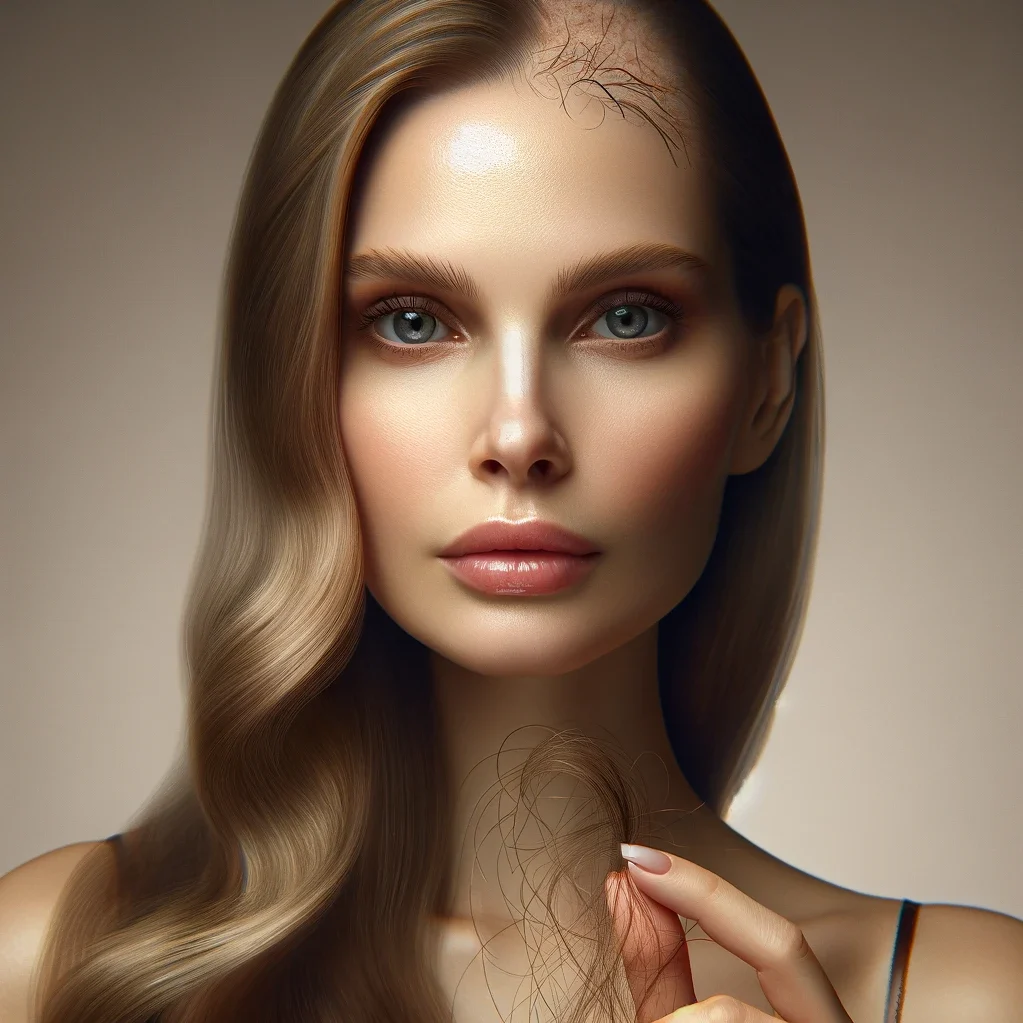

Hair fall is a common problem that many people experience. While losing about 50-100 strands of hair per day is normal, severe hair loss can be concerning. There are various causes of hair fall, including chemical hair treatments, heat styling tools, stress, poor diet, and bad hair care routines. If you’ve tried numerous products and treatments without success, it may be time to consider natural remedies. Natural remedies are safe, effective, and have been used for centuries to address common hair problems. They offer multiple benefits and have no side effects. Here are some home remedies that can help control hair fall:
Key Takeaways:
- Natural remedies are safe and effective for hair fall control.
- Chemical hair treatments and heat styling tools can contribute to hair fall.
- Stress, poor diet, and bad hair care routines can also cause hair fall.
- Home remedies like jojoba oil, curry leaves, and onion juice can help prevent hair fall.
- Natural remedies offer multiple benefits and have no side effects.
Causes and Signs of Hair Fall
Hair fall can be a distressing problem that affects both men and women. Understanding the causes and recognizing the early signs of hair fall is crucial in finding effective solutions. Here, we delve into the various factors that contribute to hair fall and highlight the key signs to watch out for.
Causes of Hair Fall
There are several factors that can lead to hair fall, including:
- Hormonal changes: Fluctuations in hormone levels, such as during pregnancy, childbirth, or menopause, can trigger hair fall.
- Genetics: A family history of hair loss can increase your likelihood of experiencing hair fall.
- Stress: Chronic stress can disrupt the hair growth cycle and contribute to excessive hair shedding.
- Unhealthy diet: Nutrient deficiencies, particularly in vitamins and minerals essential for hair health, can weaken the follicles and lead to hair fall.
- Chemical treatments: Excessive use of harsh chemicals, such as dyes, relaxers, and perms, can damage the hair shaft and cause it to break.
- Heat styling: Regular use of hot styling tools, such as flat irons and curling irons, can weaken the hair and make it prone to breakage.
Signs of Hair Fall
Recognizing the signs of hair fall early on can help you take proactive measures to address the issue. Look out for these common signs:
- Gradual thinning of the hairline: A receding hairline or a widening part is a common early sign of hair fall.
- Patchy bald spots: If you notice circular or oval-shaped bald spots on your scalp, it may indicate a more severe form of hair loss called alopecia areata.
- Hair thinning: Excessive shedding or noticeable thinning of the hair strands, resulting in a decrease in volume and density.
Identifying the underlying causes and recognizing the early signs of hair fall empowers you to seek appropriate remedies and prevent further hair loss. In the next section, we will explore effective hair care tips to prevent hair fall and promote healthier hair growth.
Hair Care Tips to Prevent Hair Fall
In addition to home remedies, adopting certain hair care practices can help prevent hair fall. Here are some tips:
- Be Gentle with Your Hair
Treat your hair with care to prevent breakage and hair fall. Avoid rough towel drying and use a wide-toothed comb or a brush with soft bristles to detangle your hair. Avoid hairstyles that pull tightly on the scalp, as they can lead to hair breakage. - Maintain a Healthy Scalp
A healthy scalp is essential for preventing hair fall. Keep your scalp clean by washing your hair regularly with a mild shampoo. Avoid using excessive heat styling tools, as they can damage the hair follicles. Massaging the scalp with essential oils like coconut oil or almond oil can also promote hair growth and reduce hair fall. - Follow a Balanced Diet
Your diet plays a crucial role in maintaining the health of your hair. Include protein-rich foods like eggs, lean meats, and legumes in your meals. Foods rich in omega-3 fatty acids, such as fatty fish and walnuts, can also help promote healthy hair growth. Additionally, ensure you consume enough vitamins and minerals, such as vitamin E, iron, and biotin, which are essential for hair health. - Avoid Excessive Chemical Treatments
Chemical treatments like perming, straightening, and coloring can weaken the hair shaft and cause hair fall. Limit the use of harsh chemicals and opt for natural alternatives whenever possible. - Protect Your Hair from Environmental Damage
Environmental factors like pollution, UV rays, and harsh weather conditions can damage your hair and lead to hair fall. Protect your hair by covering it with a hat or scarf when you’re exposed to these elements. Additionally, using a leave-in conditioner or a hair serum with UV protection can help shield your hair from sun damage.

Incorporating these hair care tips into your routine can help prevent hair fall and promote healthier, stronger hair. Remember, consistency is key when it comes to seeing results. Take good care of your hair, and you’ll notice a significant reduction in hair fall over time.
Conclusion
Hair fall can be a distressing problem, causing concern and frustration for many individuals. The good news is that there are effective ways to manage and control hair fall right from the comfort of your own home. By utilizing natural remedies and incorporating healthy hair care practices into your routine, you can address hair fall and promote regrowth.
When it comes to preventing hair fall and promoting healthy hair, there are several key remedies that have proven to be effective. Jojoba oil, curry leaves, eggs, onion juice, coconut milk, apple cider vinegar, aloe vera, flax seeds, fenugreek seeds, and a biotin-rich diet are all powerful tools in your arsenal against hair fall. These natural ingredients are easily accessible and when used correctly, they can work wonders for your hair.
In addition to incorporating these home remedies into your hair care routine, maintaining a healthy overall lifestyle through proper nutrition and regular exercise is crucial. Your hair health is a reflection of your overall well-being, so make sure to nourish your body from within and maintain a balanced diet. By following these tips and remedies, you can regain control over your hair fall and enjoy stronger, thicker, and more lustrous locks.
FAQ
What are some effective home remedies for hair fall control?
Some effective home remedies for hair fall control include using jojoba oil, curry leaves, eggs, onion juice, coconut milk, apple cider vinegar, aloe vera, flax seeds, fenugreek seeds, and including biotin-rich foods in your diet.
What are the causes and signs of hair fall?
The causes of hair fall can include hormonal changes, genetics, stress, and an unhealthy diet. The signs of hair fall may include gradual thinning of the hairline, patchy bald spots, and overall hair thinning.
What are some hair care tips to prevent hair fall?
Some hair care tips to prevent hair fall include avoiding chemical hair treatments, minimizing heat styling tool usage, reducing stress levels, maintaining a healthy diet, avoiding tight hairstyles, and using gentle hair care products.
How can home remedies and hair care tips help control hair fall and promote regrowth?
Home remedies such as jojoba oil, curry leaves, eggs, onion juice, coconut milk, apple cider vinegar, aloe vera, flax seeds, fenugreek seeds, and a biotin-rich diet can help nourish the scalp, strengthen hair follicles, and promote hair regrowth. Combining these remedies with proper hair care practices can lead to healthier, stronger hair and help reduce hair fall.