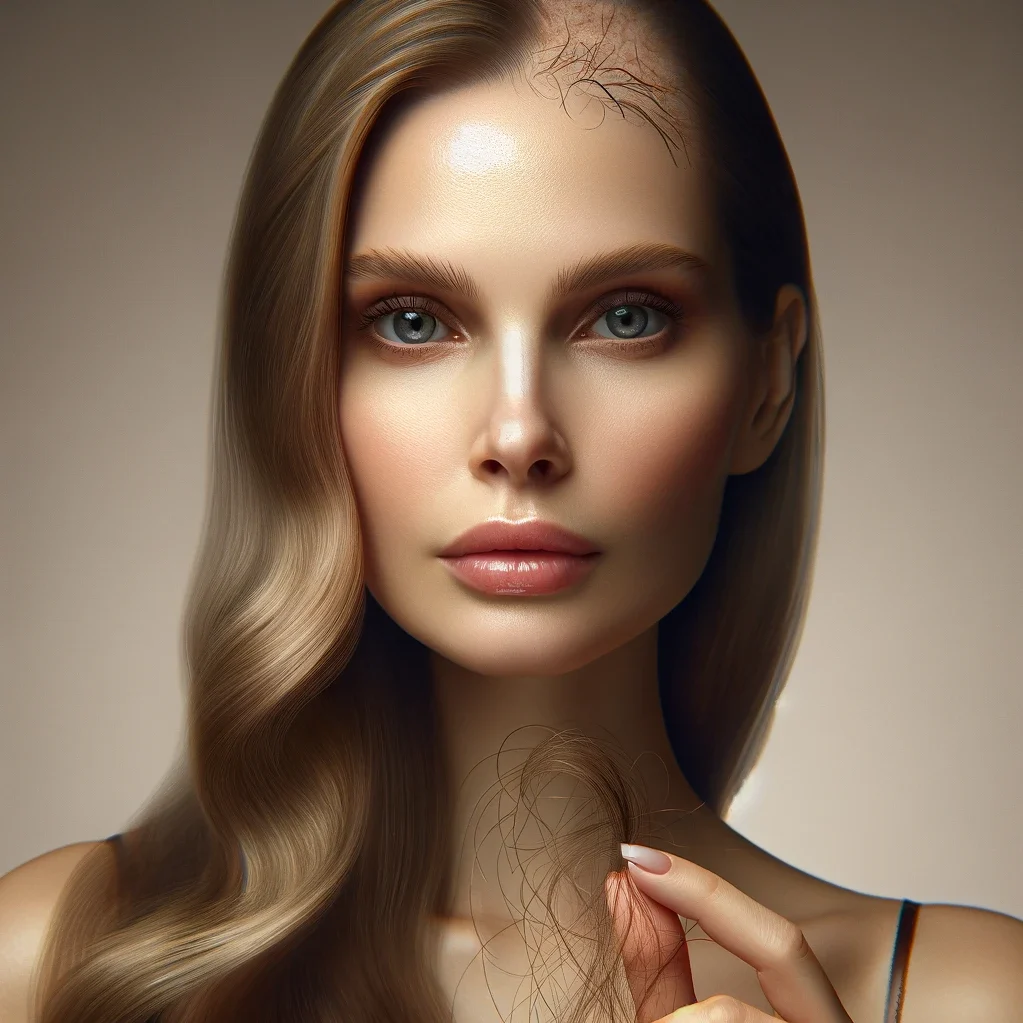

Did you know that your beloved cell phone could be impacting the health of your hair? Studies have suggested a correlation between cell phone use and hair loss, shedding light on a potential concern that many of us may not be aware of. While research on this topic is limited, the findings are intriguing and warrant further investigation.
Excessive cell phone use, particularly holding the phone against the ear, has been linked to hair loss in specific areas. This is believed to be due to the exposure to cell phone radiation, which can cause DNA breakage, generation of reactive oxygen species (ROS), and altered hormonal regulation. These factors, when combined, can lead to hair follicle damage and subsequent hair loss.
While it’s important to note that more research is needed to fully understand the extent of the correlation, it’s worth exploring ways to minimize potential risks associated with cell phone use. By adopting certain practices and making lifestyle adjustments, we can take proactive steps to safeguard our hair health.
Key Takeaways:
- There is a potential correlation between cell phone use and hair loss.
- Exposure to cell phone radiation can lead to hair follicle damage and subsequent hair loss.
- Further research is needed to fully understand the extent of the correlation.
- Minimizing cell phone use against the ear may help reduce potential risks.
- Exploring alternative communication methods, such as speakerphone or headphones, can mitigate the impact of cell phone radiation on hair health.
The Impact of Screen Time on Hair Health
Excessive screen time, particularly before bed, can have negative effects on hair health. The blue light emitted from screens inhibits the production of melatonin, the sleep hormone, leading to poor sleep quality. Lack of sleep can contribute to stress and higher cortisol levels, which have been linked to hair loss. Stress-related hair loss can occur when hair follicles stop producing new hair and enter a resting phase.
To mitigate these effects, it is important to limit screen time, especially before bed, and develop healthy stress management strategies. This may include:
- Setting screen time limits
- Engaging in physical activities
- Practicing relaxation techniques
Reducing exposure to blue light is also beneficial for hair health. Consider the following tips:
- Avoid using electronic devices with screens at least one hour before bed
- Use blue light filters or apps to reduce the impact of blue light
- Invest in blue light-blocking glasses
By managing screen time and blue light exposure, and adopting stress management techniques, you can promote healthier hair and minimize the risk of hair loss.

Stress Management Techniques for Hair Health
Implementing stress management techniques is crucial for maintaining optimal hair health. Excessive stress can lead to hair loss conditions such as telogen effluvium, where hair follicles prematurely enter the resting phase and shed hair.
Stress-related hair loss can be distressing, but implementing effective stress management techniques can help restore hair growth and overall well-being.
Consider incorporating the following techniques into your daily routine:
- Physical exercise: Engage in regular physical activities such as yoga, walking, or dancing to reduce stress levels and promote blood circulation to the scalp.
- Meditation and mindfulness: Practice deep breathing exercises, meditation, and mindfulness techniques to calm the mind and reduce stress.
- Healthy lifestyle habits: Maintain a balanced diet, get enough sleep, and prioritize self-care activities to reduce stress and support hair health.
Remember, managing stress not only benefits your hair but also contributes to overall well-being.
| Effect of Screen Time on Hair Health | Preventive Measures |
|---|---|
| Excessive screen time leads to poor sleep quality and decreased melatonin production. | Avoid screens at least one hour before bed and use blue light filters or glasses. |
| Stress and increased cortisol levels contribute to hair loss. | Incorporate stress management techniques such as exercise, meditation, and self-care activities. |
| Screen time before bed disrupts sleep patterns, leading to hair follicles entering the resting phase prematurely. | Set screen time limits and establish a relaxing bedtime routine. |
The Role of Technology in Diagnosing Hair Loss
Advancements in technology have revolutionized the way we diagnose and track hair loss, providing innovative solutions for early detection and personalized treatment. One such breakthrough is the introduction of smartphone-based dermoscopy, a non-invasive technique that allows for highly magnified images of the hair and scalp to be captured.
Using a smartphone and a dermoscope attachment, individuals can take detailed images of their hair and scalp, enabling healthcare professionals to analyze and assess the condition of the hair follicles. These images can then be processed using advanced algorithms that provide accurate hair count analysis.
This automated hair counting feature is particularly beneficial as it significantly reduces the time required for manual counting by clinicians. This means quicker and more efficient diagnosis, enabling early detection and intervention in hair conditions.
Moreover, smartphone-based dermoscopy enables the detection of changes in hair diameter and thickness, which can be recorded and tracked over time. This tracking feature is invaluable in monitoring the progression of hair conditions and assessing the effectiveness of treatments. It also empowers individuals to actively participate in their own hair health by providing them with tangible data to discuss with their healthcare providers.
This integration of technology not only enhances accuracy and efficiency but also facilitates the practice of precision medicine in hair care. With access to detailed and objective information, healthcare professionals can tailor treatment plans to the specific needs of each individual, ensuring optimized patient care.
Advantages of Smartphone-based Dermoscopy in Hair Loss Diagnosis
| Advantages | Description |
|---|---|
| Accurate hair count analysis | Advanced algorithms provide precise hair counts, minimizing the potential for human error. |
| Early detection of hair conditions | Allows for the identification of hair health issues at their onset, increasing the likelihood of successful treatment. |
| Tracking hair diameter and thickness changes | Enables the monitoring of changes over time, providing valuable insight into the progression of hair conditions and treatment effectiveness. |
| Personalized treatment plans | Facilitates precision medicine in hair care, allowing healthcare professionals to customize treatment approaches based on individual needs. |
This technological advancement in diagnosing hair loss signifies a significant step forward in the field of hair health. It empowers individuals to take proactive measures in understanding and preserving their hair through early diagnosis and personalized treatment plans.
Conclusion
In conclusion, while the research on the correlation between cell phone use and hair loss is limited, it is crucial to consider the potential impact of excessive screen time on hair health. By managing our screen time, especially before bed, we can improve our sleep quality and reduce stress levels, both of which are associated with hair loss.
Furthermore, advancements in technology, such as smartphone-based dermoscopy, provide us with innovative ways to diagnose and track hair conditions. These technologies enable early detection and personalized treatment approaches, ensuring that we can take proactive steps towards maintaining strong and vibrant hair.
Therefore, it is vital to prioritize healthy screen habits and leverage these technological advancements in our hair care routines. By doing so, we can safeguard our hair health and preserve the quality of our hair for years to come.
FAQ
Is there a correlation between cell phone use and hair loss?
While research on this topic is limited, a study has shown a link between prolonged mobile phone usage and hair loss in areas where the phone is held against the ear.
How does cell phone radiation contribute to hair loss?
Exposure to cell phone radiation can lead to hair loss through DNA breakage, the generation of reactive oxygen species (ROS), and altered hormonal regulation.
What can I do to minimize the potential risk of hair loss from cell phone use?
It is recommended to use speakerphone or headphones instead of holding the phone against the head to reduce direct exposure to the radiation.
Does excessive screen time affect hair health?
Excessive screen time, particularly before bed, can have negative effects on hair health. The blue light emitted from screens inhibits the production of melatonin and can lead to poor sleep quality, which is associated with hair loss.
How does stress contribute to hair loss and what role does screen time play?
Stress and elevated cortisol levels have been linked to hair loss. Lack of sleep caused by excessive screen time can contribute to stress, which can in turn lead to hair loss.
How can I manage screen time to improve my hair health?
It is important to limit screen time, especially before bed, and develop healthy stress management strategies such as setting screen time limits, engaging in physical activities, and practicing relaxation techniques.
How has technology impacted the diagnosis of hair loss?
Smartphone-based dermoscopy allows for highly magnified images of the hair and scalp, aiding in the diagnosis of hair conditions. Algorithms have been developed to analyze these images and provide accurate hair count analysis within a shorter timeframe compared to manual counting by clinicians.
How can technology help in tracking hair conditions?
Technological advancements, such as smartphone-based dermoscopy, allow for the early detection of changes in hair diameter and thickness. These changes can be recorded and tracked over time, facilitating personalized and optimized patient care in the field of hair health.
What can I take away from the correlation between cell phone use and hair loss?
While research on the correlation between cell phone use and hair loss is limited, it is important to be mindful of excessive screen time’s potential impact on hair health. Minimizing screen time, especially before bed, can improve sleep quality and reduce stress levels, which are associated with hair loss.
How can technology advancements benefit hair care?
Technological advancements, such as smartphone-based dermoscopy, offer innovative ways to diagnose and track hair conditions, leading to early detection and personalized treatment approaches. By prioritizing healthy screen habits and leveraging technology for hair health, individuals can take proactive steps to maintain strong and vibrant hair.