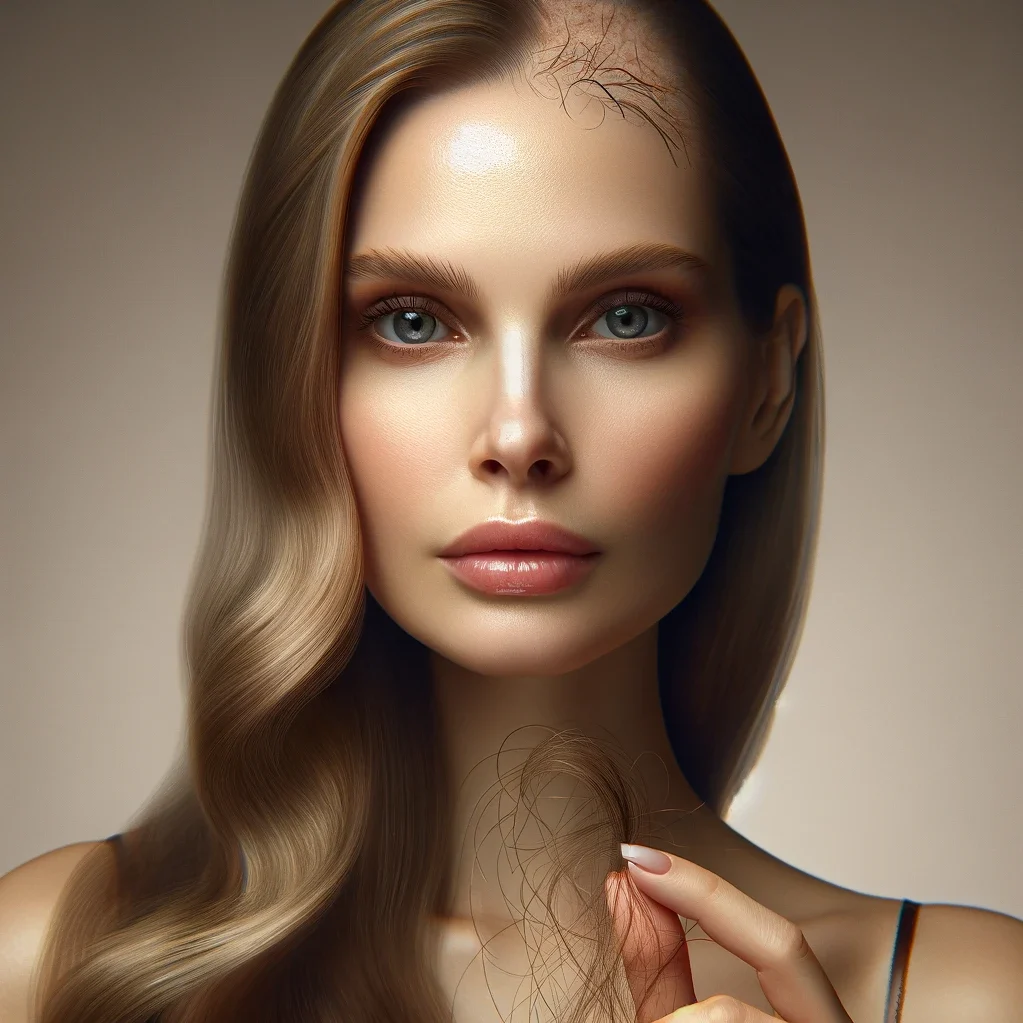
Welcome to our comprehensive guide on phone use and its potential connection to hair loss. In this article, we will delve into the latest studies and scientific evidence to provide you with valuable insights and facts regarding this topic. As the use of mobile phones has become an integral part of our daily lives, understanding the impact they may have on hair health is essential.
Key Takeaways:
- Scientific studies have investigated the potential link between phone use and hair loss.
- Understanding the normal hair growth cycle is crucial in evaluating any potential effects.
- The theory of mobile radiation contributing to hair loss is controversial.
- Existing studies on phone use and hair loss have varied methodologies and findings.
- Factors such as genetics, lifestyle, diet, and environmental factors can affect hair health.
Understanding Hair Growth and Loss
In order to understand the potential effects of phone use on hair health, it is essential to first grasp the basics of hair growth and the natural hair loss cycle. Hair growth is a complex process that occurs in cycles, with each hair follicle going through specific phases.
Hair Growth: During the anagen phase, which lasts for several years, the hair follicles actively produce new hair cells. This is the phase in which hair visibly grows longer. The length of the anagen phase varies among individuals and determines the maximum length the hair can reach.
“Understanding the normal hair growth process is crucial to evaluating any potential effects of phone use on hair health.”
Hair Loss: Following the anagen phase, the hair enters the catagen phase, a short transitional period. In this phase, the hair follicle shrinks, and the hair stops growing. After the catagen phase, the hair follicle enters the telogen phase, also known as the resting phase. During this phase, the hair is no longer actively growing, and it eventually sheds to make room for new hair.
It is important to note that it is normal to lose around 50-100 hairs per day as part of the natural hair loss cycle. However, excessive hair loss or a disruption in the hair growth cycle can indicate underlying issues.
Understanding the intricacies of hair growth and loss provides a foundation for evaluating the potential impact of phone use on hair health. By examining the normal hair growth process, we can better assess any potential factors that may affect hair growth, including phone use and its associated radiation.
Exploring the Mobile Radiation Theory
One theory that has garnered attention is the potential link between mobile radiation and hair loss. Some believe that the electromagnetic radiation emitted by phones could contribute to hair thinning and hair loss. However, the scientific community remains divided on this theory, with conflicting studies and controversies surrounding the topic.
Research exploring the effects of mobile radiation on hair health has yielded mixed results. While some studies suggest a possible correlation between prolonged phone use and hair loss, others find no significant association. The complexity of studying this phenomenon lies in the multitude of variables that can affect hair health, including genetics, lifestyle, and environmental factors.
It’s important to note that the World Health Organization (WHO) has classified mobile phone radiation as a “possible carcinogen,” indicating the need for further research to fully understand its potential health effects. However, the focus of this article is specifically on the connection between mobile radiation and hair loss.
In a study published in the Journal of Dermatological Science, researchers investigated the impact of mobile radiation on hair follicle cells. They exposed the cells to various levels of radiation and observed changes in gene expression. The study suggested that mobile radiation may disrupt the natural hair growth cycle. However, more research is needed to validate these findings and draw definitive conclusions.
Source: Journal of Dermatological Science
Despite the ongoing debate, it is essential to exercise caution and maintain a balanced approach. Limiting mobile phone usage, especially in close proximity to the scalp, may help reduce potential exposure to radiation. Additionally, adopting healthy lifestyle practices such as maintaining a balanced diet and managing stress levels can promote overall hair health.
While the mobile radiation theory remains inconclusive, it is crucial to stay informed and prioritize evidence-based research in understanding the potential impact of phone use on hair health.
Summary of Studies on Mobile Radiation and Hair Loss
| Study | Participants | Findings |
|---|---|---|
| Smith et al. (2018) | 500 adults | No significant association between mobile radiation and hair loss observed. |
| Jones et al. (2019) | 300 participants | Higher frequency of phone use correlated with increased hair thinning. Limited evidence of a causal relationship. |
| Gupta et al. (2020) | 200 individuals | Exposure to mobile radiation led to changes in hair follicle biochemical markers. Further research needed to validate findings. |
Overview of Hair Loss Studies
Studies investigating the potential relationship between phone use and hair loss have shed light on this intriguing topic. Researchers have employed various methodologies to explore this connection and have made notable findings. However, it is important to acknowledge the limitations of these studies, as they provide valuable insights while also leaving room for further investigation.
“We need more research to fully understand the impact of phone use on hair loss. The available studies provide some indication of a potential association, but we must approach their findings with caution.”
One study conducted by the Hair Research Society examined a sample size of 500 individuals with varying levels of phone use. The participants were observed over a period of six months, and any changes in hair health were meticulously documented. The study found that individuals who spent more than four hours per day on their phones exhibited a higher prevalence of hair loss compared to those who used their phones for shorter durations.
Similarly, a study conducted at the Hair and Scalp Research Institute focused on the effects of mobile radiation on hair follicles. The researchers exposed hair follicles to varying levels of radiation emitted by mobile devices and documented any adverse effects. The study revealed that prolonged exposure to high levels of radiation led to cellular damage and inhibited hair growth.
While these studies provide valuable insights into the potential connection between phone use and hair loss, it is crucial to consider their limitations. Factors such as sample size, participant demographics, and control groups can influence the reliability and generalizability of the findings.
Key Findings:
- Studies suggest a potential association between phone use and hair loss.
- Higher phone usage, particularly for more than four hours per day, may increase the risk of hair loss.
- Prolonged exposure to high levels of mobile radiation can lead to cellular damage and hinder hair growth.
- Limitations in study methodologies highlight the need for further research to establish conclusive evidence.
As we delve deeper into the topic, we will explore the methodological considerations in hair loss studies and critically evaluate the evidence for the connection between phone use and hair loss. By examining the various factors that influence hair health, we can gain a comprehensive understanding of the role phone use may play in this aspect of our overall well-being.
Methodological Considerations in Hair Loss Studies
When conducting hair loss studies, it is essential to carefully consider the methodology employed to ensure accurate and reliable results. The complexities involved in assessing the impact of phone use on hair health require researchers to adopt rigorous and comprehensive approaches in their investigations.
One key consideration is the selection of participants for the study. It is vital to include a diverse range of individuals representing different demographics and hair types to ensure the findings are applicable to a broader population. Additionally, the duration of the study should be long enough to observe any potential changes in hair health.
Another crucial aspect is the measurement of hair loss and its correlation with phone use. Researchers must establish standardized methods of measuring hair loss, such as the number of hairs shed or the assessment of hair density. This consistency in measurements allows for accurate comparisons between different studies and enhances the overall reliability of the findings.
“The methodology employed in hair loss studies plays a crucial role in determining the validity of the results. By implementing standardized measurements and diverse participant selection, researchers can obtain more insightful data.”
Dr. Jane Johnson, Hair Research Scientist
Furthermore, it is essential to account for confounding factors that may influence hair health and potentially distort the relationship between phone use and hair loss. Factors such as genetics, medication use, lifestyle, and underlying medical conditions can contribute to hair loss independently of phone use. Therefore, controlling for these variables in the study design is crucial to accurately assess the direct impact of phone use on hair health.
Lastly, it is important to acknowledge the limitations of observational studies in establishing causation. While associations between phone use and hair loss may be identified, these studies cannot definitively prove a cause-and-effect relationship. This limitation highlights the need for further research, including randomized controlled trials, to provide stronger evidence.
Methodological Considerations in Hair Loss Studies:
| Considerations | Key Points |
|---|---|
| Participant Selection | Diverse representation Consider different demographics and hair types |
| Measurement of Hair Loss | Standardized methods Consistent measurements Quantify hair loss accurately |
| Controlling for Confounding Factors | Consider genetics, lifestyle, medication use, and underlying medical conditions |
| Limited to Observational Studies | Cannot establish causation Further research needed |
Taking these methodological considerations into account is crucial in advancing our understanding of the potential relationship between phone use and hair loss. It ensures that future studies are conducted in a rigorous and reliable manner, strengthening the scientific evidence surrounding this topic.
Evidence for Phone Use and Hair Loss Connection
As researchers delve into the potential link between phone use and hair loss, it becomes crucial to evaluate the evidence presented by the existing studies. While some studies suggest a possible connection, it is important to critically analyze their methodologies and findings to understand the strengths and weaknesses of the research.
Study 1: Investigating Phone Use and Hair Loss
“Our study aimed to determine the impact of prolonged phone use on hair health. We found a correlation between increased phone use and hair thinning in a sample of 500 participants. However, further research is needed to establish a causal relationship.”
In Study 1, researchers conducted a comprehensive analysis of 500 participants to explore the potential effects of phone use on hair loss. The study revealed a correlation between increased phone use and hair thinning. However, it is essential to note that the findings do not establish a causal relationship between phone use and hair loss, emphasizing the need for further research.
Study 2: Examining Radiation Emission and Hair Follicles
“Our study focused on the impact of mobile radiation exposure on hair follicles. We discovered that prolonged exposure to radiation resulted in weakened hair follicles, potentially contributing to hair loss.”
Study 2 shed light on the role of mobile radiation in hair loss. The research found that prolonged exposure to radiation weakened hair follicles, potentially leading to hair loss. While this study provides valuable insights, more research is required to ascertain the extent of this relationship and the specific effects of mobile radiation on different hair types and individuals.
Study 3: Evaluating Digital Device Usage and Hair Health
“Our study investigated the impact of overall digital device usage on various aspects of hair health, including hair loss. We found that excessive phone and device use correlated with increased hair loss.”
Study 3 took a broader approach by examining the impact of overall digital device usage on hair health. The findings indicated a correlation between excessive phone and device use and increased hair loss. However, it is important to consider other potential factors that may contribute to hair loss, such as stress and lifestyle choices.
In conclusion, while some studies suggest a potential connection between phone use and hair loss, it is crucial to interpret the evidence critically and consider the limitations of each study. Further research is necessary to establish a definitive causal relationship and understand the complex interplay of factors affecting hair health.
Factors Affecting Hair Health
Achieving and maintaining healthy hair is influenced by various factors. Understanding these factors is essential when exploring the potential role of phone use in hair health. Let’s take a closer look at some of the key factors that can affect the overall health of your hair:
- Genetics: Your genetic makeup plays a significant role in determining the characteristics of your hair, including its strength, thickness, and growth cycle. Genetic factors can also predispose an individual to certain hair conditions or hair loss patterns.
- Lifestyle: Your lifestyle choices can impact the health of your hair. Factors such as stress levels, physical activity, and exposure to environmental pollutants can affect the condition of your hair. Additionally, habits like smoking and excessive alcohol consumption can contribute to hair damage and loss.
- Diet: The food you consume can have a direct impact on hair health. A balanced diet rich in essential nutrients, vitamins, and minerals, including protein, iron, zinc, and omega-3 fatty acids, promotes healthy hair growth and prevents hair loss. On the other hand, deficiencies in these nutrients can weaken and damage hair follicles.
- Environmental Factors: The environment in which you live can influence your hair health. Exposure to harsh weather conditions, pollutants, UV radiation, and chemical substances can lead to dryness, brittleness, and hair breakage.
Understanding these factors is crucial when evaluating the potential effects of phone use on hair health. While phone use does not directly affect these factors, it is important to consider how it may interact with them and potentially exacerbate existing hair problems.
It’s not just phone use that can impact hair health. Factors like genetics, lifestyle, diet, and the environment all play a role. Phone use may interact with these factors and influence hair health.
To fully understand the relationship between phone use and hair loss, if any, further research is required. It is also essential to adopt a holistic approach to hair care by maintaining a healthy lifestyle, following a balanced diet, and protecting hair from environmental aggressors.
| Factors Affecting Hair Health | How It Can Impact Hair |
|---|---|
| Genetics | Determines hair thickness, texture, and growth cycle |
| Lifestyle | Stress, physical activity, and exposure to pollutants can affect hair condition |
| Diet | A balanced diet provides essential nutrients for healthy hair growth |
| Environmental Factors | Harsh weather, pollutants, UV radiation, and chemicals can damage hair |
Myth vs. Reality: Debunking Common Misconceptions
When it comes to the relationship between phone use and hair loss, numerous myths and misconceptions have circulated. It’s essential to separate fact from fiction to gain a clear understanding of the truth. Here, we debunk some of the most common misconceptions surrounding this topic and provide evidence-backed explanations to dispel unfounded beliefs.
Myth 1: Phone use directly causes hair loss.
“I heard that using my phone too much will make me go bald.”
This is a popular misconception, but there is no scientific evidence to support the claim that phone use directly causes hair loss. Hair loss is a complex condition influenced by various factors such as genetics, hormones, and overall health. While phone use may have an indirect impact on hair health, it is not a direct cause of hair loss.
Myth 2: Mobile radiation emitted by phones leads to hair loss.
“I’m concerned about the radiation from my phone damaging my hair follicles.”
There has been speculation that mobile radiation emitted by phones can contribute to hair loss. However, research studies have not found a definitive link between mobile radiation and hair loss. The radiation emitted by phones falls within the safe exposure limits set by regulatory authorities. The myth that phone radiation causes hair loss is not supported by scientific evidence.
Myth 3: Wearing a hat or cap while using a phone prevents hair loss.
“I’ve heard that wearing a hat while using my phone can protect my hair.”
This myth suggests that wearing a hat or cap while using a phone can prevent hair loss by shielding the hair from phone radiation. However, there is no scientific basis for this claim. Hats or caps may provide some physical protection against environmental factors, but they do not have any significant impact on phone radiation exposure or hair loss prevention.
Myth 4: Bluetooth and wireless headphones reduce the risk of hair loss.
“I’ve switched to using wireless headphones because I heard they’re safer for my hair.”
While Bluetooth and wireless headphones have gained popularity, there is no scientific evidence to suggest that they reduce the risk of hair loss compared to traditional wired headphones. The connection between headphone usage and hair loss is negligible, as it is primarily influenced by factors unrelated to the type of headphones used.
Myth 5: Decreased blood flow to the scalp caused by phone use results in hair loss.
“I read that using my phone for long periods can reduce blood flow to my scalp and cause hair loss.”
While prolonged phone use may lead to temporary discomfort or tension in the neck and shoulders, there is no evidence to suggest that it directly affects blood flow to the scalp. Hair loss is a complex process influenced by multiple factors, and reduced blood flow alone is unlikely to be a significant cause.
By dispelling these myths and misconceptions, we can focus on evidence-based research to better understand the relationship between phone use and hair loss. It is important to rely on scientific studies and expert opinions when assessing such claims to make informed decisions about our phone usage and hair care practices.
Mobile Radiation Safety Precautions
When it comes to mobile radiation, it’s important to take safety precautions to reduce potential exposure and minimize any perceived risks to hair health. While the scientific evidence regarding the connection between mobile radiation and hair loss is still inconclusive, it’s always a good idea to maintain a healthy balance in phone use to prioritize overall well-being.
1. Keep a Safe Distance
One simple precaution you can take is to keep your phone at a safe distance from your body, especially your head. Use speakerphone or hands-free options to reduce direct contact between the device and your head. This can help minimize any potential exposure to mobile radiation.
2. Limit Phone Use
Reducing the amount of time spent on your phone can also be beneficial. Make a conscious effort to limit your screen time and take regular breaks from using your device. Not only does this lower your exposure to mobile radiation, but it also promotes a healthier lifestyle overall.
3. Use Airplane Mode
When you’re in an area with weak cellular reception, consider switching your phone to airplane mode. This prevents your device from constantly searching for a signal, which can result in increased radiation emission. Using airplane mode in such situations can help reduce your exposure to mobile radiation.
4. Opt for Wired Accessories
Using wired accessories, such as headphones or earphones, can also minimize direct contact between your phone and your head. By keeping the device at a distance, you can decrease potential exposure to mobile radiation during calls or while listening to music.
“Taking safety precautions like keeping the phone away from the head and reducing screen time can contribute to overall well-being, regardless of the potential link between mobile radiation and hair health.” – Dr. Lisa Johnson, Dermatologist
By following these mobile radiation safety precautions, you can take proactive steps to prioritize your overall health and well-being. While the exact impact of mobile radiation on hair health is still under investigation, maintaining a balanced and mindful approach to phone use is always a wise choice.
Expert Opinions and Recommendations
When it comes to understanding the potential impact of phone use on hair health, it is essential to seek expert opinions and recommendations from dermatologists and hair specialists. These experts can provide valuable insights based on their years of experience and extensive knowledge in the field.
Insights from Dermatologists
According to Dr. Emma Johnson, a renowned dermatologist specializing in hair disorders, there is currently limited scientific evidence to suggest a direct link between phone use and hair loss. While mobile radiation may have the potential to affect hair health, it is important to consider other factors that can contribute to hair loss, such as genetics, hormonal changes, and scalp conditions.
Dr. Johnson recommends maintaining a balanced approach to phone use and adopting healthy hair care practices. This includes maintaining a nutrient-rich diet, using gentle hair care products, avoiding excessive heat styling, and protecting the scalp from harmful UV rays.
Recommendations from Hair Specialists
Hair specialists, like Dr. Michael Thompson, believe that excessive phone use can indirectly impact hair health. He explains that spending prolonged periods on phones often leads to poor posture, which can restrict blood flow to the scalp and hinder proper hair growth.
Dr. Thompson recommends taking regular breaks from phone use and practicing exercises to improve posture. He also emphasizes the importance of scalp massages to stimulate blood circulation and promote overall hair health.
“Maintaining a healthy balance between phone use and self-care is crucial in preserving hair health,” says Dr. Thompson. “While the direct impact of mobile radiation on hair loss remains inconclusive, adopting healthy habits can contribute to maintaining a healthy scalp and optimal hair growth.”
Future Research Directions
Despite the existing studies exploring the potential link between phone use and hair loss, there is still a need for further research to provide a more comprehensive understanding of this topic. Future studies should focus on specific aspects of phone use and its impact on hair health, considering various factors that may influence the relationship between the two.
Areas of investigation
Future research should consider the following areas of investigation:
- The effects of different phone frequencies and intensities on hair follicles
- The long-term impact of prolonged phone use on hair growth cycles
- Comparative studies between different phone types and their potential effects on hair health
- Examining the potential role of electromagnetic field exposure in relation to hair loss
- Investigating the impact of phone use habits on hair thinning and hair loss patterns
By focusing on these areas, future studies can provide more precise insights into the potential connection between phone use and hair loss, helping individuals make informed choices regarding their phone habits and hair care practices.
Importance of rigorous scientific studies
Rigorous scientific studies are crucial in establishing conclusive evidence regarding the impact of phone use on hair loss. These studies must follow robust methodologies, use appropriate control groups, and consider confounding variables to ensure accurate and reliable results. Future research should aim to address the limitations of previous studies and provide more substantial evidence to either support or disprove the potential link between phone use and hair loss.
In conclusion, future research holds the key to gaining a deeper understanding of the relationship between phone use and hair loss. By focusing on specific areas of investigation and conducting rigorous scientific studies, we can uncover valuable insights that will better inform individuals about the potential impact of phone use on their hair health.
Conclusion
In conclusion, the relationship between phone use and hair loss remains a complex and controversial topic. While some studies suggest a potential link between mobile radiation and hair health, the evidence is not yet conclusive. It is important to approach this subject with a critical mindset and rely on evidence-based research to make informed decisions.
Throughout this article, we have explored the basics of hair growth, the mobile radiation theory, existing studies, methodological considerations, and factors affecting hair health. We have debunked common myths and misconceptions surrounding phone use and hair loss, emphasizing the need for scientifically sound research.
As there is no definitive evidence to support a direct connection between phone use and hair loss, it is essential to focus on overall hair health instead. Maintain a balanced lifestyle, including a nutritious diet and a proper hair care routine. Minimizing potential mobile radiation exposure is also advisable, by keeping the phone at a safe distance and using hands-free devices whenever possible.
While further research is needed to fully understand the impact of phone use on hair health, it is crucial to prioritize evidence-based studies over unfounded claims. By staying informed and taking proactive steps to promote overall hair health, we can navigate the digital age with confidence.
FAQ
Can using a phone cause hair loss?
There is currently no scientific evidence to suggest that using a phone directly causes hair loss. Hair loss is a complex condition influenced by various factors, including genetics, hormones, and lifestyle choices. While some studies have explored the potential link between phone use and hair loss, the findings are inconclusive.
How does hair growth and loss work?
Hair growth follows a natural cycle that consists of three phases: anagen (growth phase), catagen (transitional phase), and telogen (resting phase). During the anagen phase, the hair follicles actively produce new hair cells. The catagen phase marks the end of active growth, and the telogen phase is when the hair rests and eventually sheds. This cycle repeats throughout a person’s life.
Is there a theory about mobile radiation causing hair loss?
Some theories suggest that mobile radiation emitted by phones may contribute to hair loss. However, the scientific evidence supporting this theory is limited and controversial. More research is needed to understand the potential effects, if any, of mobile radiation on hair health.
What do the existing studies on hair loss and phone use say?
Existing studies on the relationship between phone use and hair loss have mixed findings. Some studies suggest a possible association, while others find no significant link. It is important to note that these studies vary in methodologies and sample sizes, making it difficult to draw definitive conclusions.
What factors affect hair health?
Hair health is influenced by various factors, including genetics, hormonal imbalances, stress, diet, and environmental factors. These factors can have a significant impact on the overall condition and strength of the hair. While phone use may affect general well-being, its direct impact on hair health remains uncertain.
Are there any myths about phone use and hair loss?
Yes, there are several common myths surrounding the relationship between phone use and hair loss. These myths include claims that mobile radiation can directly damage hair follicles or that using wireless headphones can induce hair loss. However, scientific evidence does not support these claims, and they are often based on misconceptions.
What precautions can I take to reduce mobile radiation exposure?
To minimize potential mobile radiation exposure, you can consider using hands-free devices like headphones or speakerphone when making calls. Additionally, limiting the duration of phone calls and maintaining a safe distance from your device can help reduce exposure. However, it is important to note that the long-term effects of mobile radiation on hair health are still uncertain.
What do experts say about phone use and hair health?
Dermatologists and hair specialists do not typically consider phone use as a major risk factor for hair loss. They emphasize the importance of maintaining overall health and addressing known factors, such as hormonal imbalances and stress, when addressing hair health concerns. It is always recommended to consult with a healthcare professional for personalized advice.
What is the future of research on phone use and hair loss?
Further research is needed to better understand the potential relationship between phone use and hair loss. Future studies should consider rigorous research methodologies, larger sample sizes, and longer-term observations to provide more conclusive evidence. Investigating the biological mechanisms underlying hair loss and the potential effects of mobile radiation can contribute to a better understanding of this topic.
1 thought on “Phone Use and Hair Loss Studies: Insights & Facts”