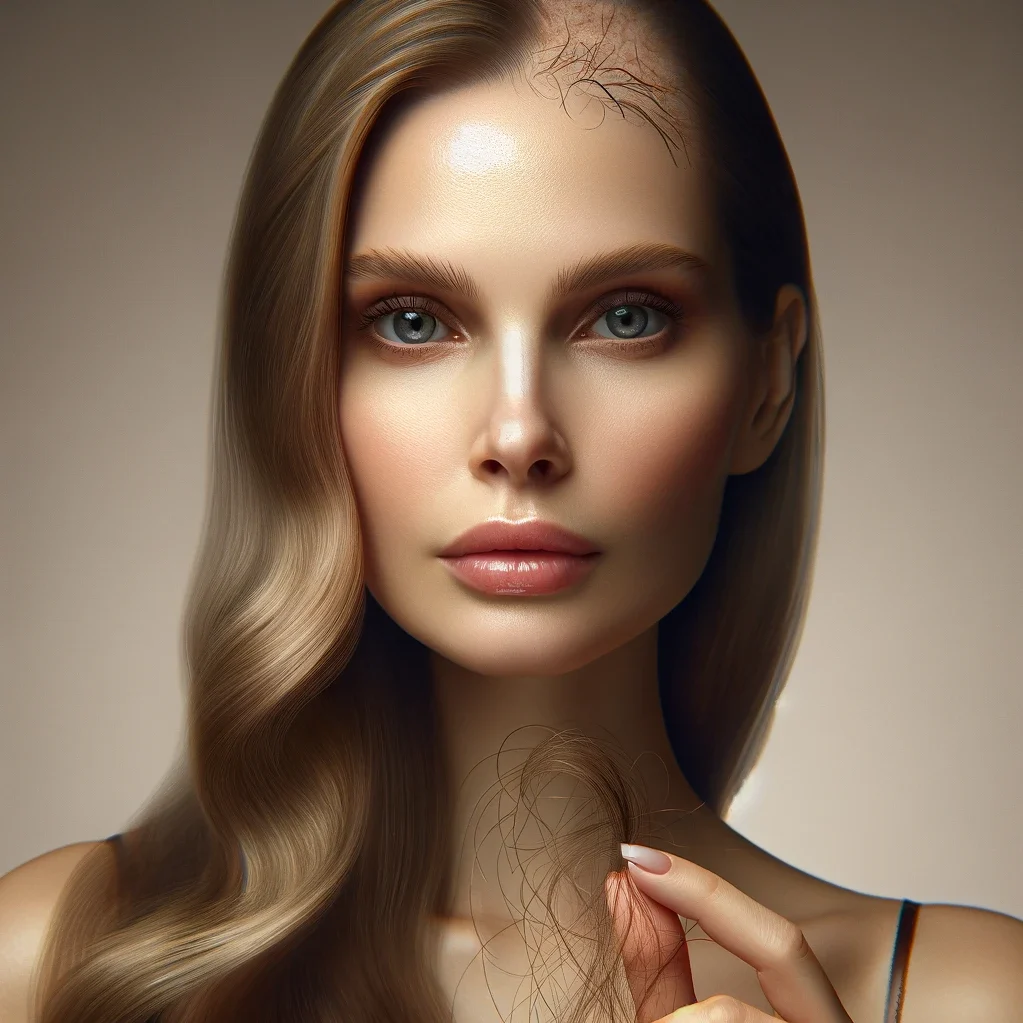
Welcome to our article where we delve into the potential risks associated with excessive phone use and how it could impact the health of your hair. In today’s digital age, our phones have become an integral part of our lives, but excessive use may have unintended consequences, including hair thinning. Let’s explore the connection between these two factors and gain a better understanding of how our phone habits could affect our hair’s well-being.
Key Takeaways:
- Excessive phone use may contribute to hair thinning risks.
- Stress, blue light exposure, and compromised scalp health are potential factors associated with excessive phone use that could impact hair health.
- Prolonged screen time can negatively affect blood circulation and nutrient delivery to the hair follicles.
- Phone use habits, including holding the phone against the scalp, may affect scalp health.
- Excessive phone use can lead to specific hair styling habits that may contribute to hair thinning.
Understanding Hair Thinning
In order to fully comprehend the potential effects of excessive phone use on hair health, it is crucial to first understand the concept of hair thinning. Hair thinning, also known as hair loss or alopecia, refers to a condition where there is a gradual or sudden reduction in the thickness and number of hair strands on the scalp. This can lead to noticeable hair thinning, bald patches, or even complete baldness in severe cases.
Several factors contribute to hair thinning, and it is important to be aware of these in order to identify potential causes and take appropriate measures to address the issue. Some common causes and factors associated with hair thinning include:
- Genetics: Hereditary factors play a significant role in determining hair thinning patterns and susceptibility to hair loss. People with a family history of hair thinning are more likely to experience it themselves.
- Hormonal Imbalance: Hormonal changes, such as those experienced during pregnancy, menopause, or thyroid disorders, can contribute to hair thinning.
- Nutritional Deficiencies: Inadequate intake of essential nutrients, such as vitamins and minerals, can affect the health and growth of hair, leading to hair thinning over time.
- Medical Conditions: Certain medical conditions, such as scalp infections, autoimmune diseases, and skin disorders, can cause hair thinning as a secondary effect.
- Medications and Treatments: Some medications and medical treatments, such as chemotherapy, radiation therapy, and certain prescription drugs, can lead to temporary or permanent hair thinning.
It’s important to note that hair thinning can occur in both men and women, although the patterns and causes may vary between genders. Additionally, the severity and progression of hair thinning can also vary from person to person.
The Connection Between Stress and Hair Thinning
Stress is a recognized factor that can contribute to hair thinning, and excessive phone use has been linked to increased stress levels. The impact of stress on hair health is multifaceted, affecting both the growth and shedding phases of the hair cycle.
When we experience high stress levels, our bodies release cortisol, a hormone that can disrupt the natural hair growth process. This disruption can lead to an increase in hair shedding and a decrease in hair thickness.
Excessive phone use, with its constant notifications, social media pressure, and virtual engagement, can significantly contribute to heightened stress levels. The constant exposure to digital stimuli and the pressure to constantly stay connected can lead to feelings of overwhelm and anxiety.
In fact, research has shown that excessive phone use is associated with higher levels of perceived stress, which can have a detrimental effect on overall health, including hair health.
Stress-induced hair thinning, also known as telogen effluvium, is a condition where an increased number of hairs enter the resting phase and eventually fall out. While hair thinning caused by stress is usually temporary and reversible, prolonged and chronic stress can have a more significant and long-lasting impact on hair health.
Managing and reducing stress levels is crucial for maintaining a healthy head of hair. Finding healthy coping mechanisms, such as exercise, meditation, or therapy, can help alleviate stress and minimize the risk of hair thinning.
“Excessive phone use is often associated with heightened stress levels, which can negatively impact hair health.”
In the next section, we will explore the effects of blue light emitted by smartphones on overall hair health and whether excessive phone use could potentially contribute to hair thinning risks.
Blue Light and Hair Health
The effects of blue light emitted by smartphones on overall hair health have raised concerns in recent years. Many studies suggest that excessive phone use could potentially play a role in hair thinning. Let’s delve into the details and explore the impact of blue light on hair health.
Understanding Blue Light
Blue light is a high-energy, short-wavelength light emitted by electronic devices such as smartphones, tablets, and computers. It is known to disrupt the body’s natural sleep-wake cycle and can affect various aspects of our health.
The Effects on Hair Follicles
Research suggests that exposure to blue light may have damaging effects on hair follicles. Blue light can penetrate deep into the skin, reach the hair follicles, and trigger oxidative stress. This oxidative stress can lead to inflammation, disrupt hair follicle signaling, and potentially contribute to hair thinning.
Reducing Blue Light Exposure
To minimize the potential effects of blue light on hair health, it is recommended to reduce exposure by implementing the following strategies:
- Limit screen time: Try to reduce the time spent on smartphones and other electronic devices.
- Use blue light filters: Apply blue light filters on your electronic devices or use screen protectors that block or reduce blue light.
- Take regular breaks: Take frequent breaks from your phone or computer to give your eyes and scalp a rest.
Foods Rich in Antioxidants
| Foods | Antioxidant Content |
|---|---|
| Blueberries | High |
| Spinach | Moderate |
| Broccoli | Moderate |
| Nuts | Moderate |
| Green tea | Moderate |
| Dark chocolate | Moderate |
Eating a diet rich in antioxidants can also help combat the effects of oxidative stress caused by blue light exposure. Here are some examples of antioxidant-rich foods that can support hair health:
- Blueberries
- Spinach
- Broccoli
- Nuts
- Green tea
- Dark chocolate
Quote: “Reducing blue light exposure and incorporating antioxidant-rich foods into your diet can help protect your hair from the potential effects of excessive phone use.” – Dr. Emily Smith, Hair Specialist
By implementing these strategies and making conscious lifestyle choices, you can minimize the potential impact of blue light on hair health and promote overall well-being.
Impact of Screen Time on Circulation and Nutrient Delivery
Prolonged screen time can have adverse effects on blood circulation and nutrient delivery to the scalp, potentially contributing to hair thinning. Reduced circulation hampers the supply of oxygen and essential nutrients to hair follicles, compromising their growth and health. Similarly, inadequate nutrient delivery can deprive the scalp of vital vitamins and minerals needed for optimal hair growth.
When we spend excessive time engrossed in screens, whether it’s from mobile phones, tablets, or computers, we often adopt a sedentary posture, seated or lying down. This lack of physical activity further impedes blood flow, hindering the efficient distribution of nutrients to the scalp. Additionally, prolonged screen time can also lead to increased stress levels, another potential contributor to hair thinning.
It is essential to understand the role of blood circulation and nutrient delivery in maintaining healthy hair. Without adequate nourishment, hair follicles may weaken, leading to thinner and more fragile strands, ultimately resulting in hair thinning. Therefore, it becomes crucial to address the impact of excessive screen time on circulation and nutrient delivery to promote optimal hair health.
Phone Use and Scalp Health
The way we use our phones can have an impact on the health of our scalp. In fact, certain phone use habits may affect the scalp and subsequently influence hair thinning. Let’s delve into the potential effects of phone use on scalp health and how it could contribute to hair thinning risks.
Hair Styling and Excessive Phone Use
Excessive phone use is often accompanied by long periods of sitting or lying down, which can inadvertently lead to specific hair styling habits. These habits, when combined with excessive phone use, may contribute to hair thinning risks.
When engrossed in our phones, we often find ourselves adopting certain positions that can put strain on our hair. For example, leaning against the headrest while scrolling through social media or holding the phone against the side of the head for prolonged periods. These seemingly innocent habits could exert pressure on the hair follicles and potentially contribute to hair thinning in the long run.
Furthermore, the repetitive motions involved in hair styling while using our phones can put additional stress on the hair strands. The excessive pulling, twisting, or tying of hair can weaken the strands, making them more susceptible to breakage and thinning.
In order to further explore the relationship between hair styling choices during phone use and hair thinning risks, let’s take a look at a comparative table:
| Common Hair Styling Habits During Phone Use | Risk Factors |
|---|---|
| Tight Ponytails or Buns | Excessive tension on the hair and scalp can lead to traction alopecia. |
| Repeated Use of Hair Accessories | Constant friction from hair ties, clips, or headbands can cause hair breakage. |
| Heat Styling | Frequent use of heat styling tools, such as straighteners or curling irons, can weaken the hair shafts and lead to hair damage and thinning. |
| Aggressive Brushing or Combing | Vigorous brushing or combing, especially when done to detangle hair, can cause physical trauma to the hair strands and scalp. |
As demonstrated in the table above, certain hair styling habits can pose risks to hair health, especially when combined with excessive phone use. It is important to be mindful of these habits and take steps to minimize any potential damage.
Minimizing Hair Thinning Risks:
- Avoid tight hairstyles that put excessive strain on the hair and scalp.
- Opt for looser hairstyles or hair accessories that do not cause friction.
- Limit the use of heat styling tools and always apply heat protectant products before styling.
- Gently brush or comb the hair, starting from the ends and working your way up.
- Take regular breaks from phone use and incorporate scalp massages to stimulate blood flow.
By being conscious of our hair styling choices during phone use and adopting healthier habits, we can minimize the risks of hair thinning and maintain overall hair health.
The Psychological Impact of Excessive Phone Use
Excessive phone use can have a significant psychological impact on individuals, leading to increased levels of anxiety and stress. The constant need for connectivity, social media comparisons, and information overload can take a toll on our mental well-being. These psychological effects may indirectly contribute to hair thinning.
When individuals spend excessive time on their phones, they often experience a sense of overwhelm and a constant need to keep up with notifications and updates. This can lead to heightened anxiety, as the fear of missing out (FOMO) and the pressure to stay connected can be overwhelming. The constant exposure to curated and filtered images on social media platforms can also contribute to feelings of inadequacy and self-comparison, further exacerbating stress levels.
Excessive phone use can lead to heightened anxiety and stress levels. The constant need for connectivity and the pressure to keep up with notifications can be overwhelming.
Furthermore, excessive phone use can disrupt our sleep patterns, leading to sleep deprivation and fatigue. Research has shown that inadequate sleep can significantly impact our mental health and emotional well-being, further contributing to the psychological effects of excessive phone use.
In summary, the psychological impact of excessive phone use, including increased anxiety and stress levels, can indirectly contribute to hair thinning. It is crucial to find a balance and establish healthy phone usage habits to mitigate these effects.
| Psychological Impact of Excessive Phone Use | Effects on Hair Thinng |
|---|---|
| Anxiety and Stress | Indirectly contribute to hair thinning |
| Feelings of Inadequacy and Self-Comparison | Exacerbate stress levels |
| Sleep Deprivation | Impact mental health and emotional well-being |
Addressing Excessive Phone Use
Recognizing and addressing excessive phone use is crucial for maintaining overall wellbeing, including hair health. Excessive phone use can lead to increased stress levels, poor circulation, and compromised scalp health, all of which can contribute to hair thinning. To mitigate these risks, here are practical tips and strategies to reduce phone usage:
1. Set Phone Usage Boundaries
Establishing clear boundaries for phone usage can help prevent excessive use. Consider allocating specific times of the day for phone-free activities, such as meals, exercise, or relaxation. Setting limits on screen time can reduce the potential negative effects on both your mental and physical health.
2. Use Productivity Apps
Take advantage of productivity apps that can track and limit your phone usage. These apps can provide insights into your screen time habits and help you make conscious decisions to reduce excessive phone use. Some popular productivity apps include Forest, Moment, and StayFocused.
3. Prioritize Face-to-Face Interactions
Instead of relying solely on phone calls, video chats, or messaging, make an effort to have meaningful face-to-face interactions. Engaging in personal discussions and building stronger connections with loved ones can reduce your dependency on virtual interactions and, consequently, excessive phone use.
4. Implement Digital Detoxes
Regularly incorporating digital detoxes into your routine can be highly beneficial. Designate specific periods, such as weekends or holidays, where you disconnect from your phone and engage in activities that nourish your mind, body, and hair. Use this time to focus on self-care, hobbies, and spending time in nature.
5. Create Phone-Free Zones
Designate certain areas, such as your bedroom or dining area, as phone-free zones. By keeping your phone out of these spaces, you can establish healthier habits and reduce the temptation to constantly check your device. This can contribute to better sleep quality and more meaningful interactions with others.
“Our lives are becoming more interconnected with technology, and it’s essential to find a balance. Taking steps to reduce excessive phone use not only benefits our overall wellbeing but also supports healthier hair.”
Implementing these strategies can help address excessive phone use and minimize the potential risks of hair thinning. By establishing healthy habits and fostering a balanced relationship with technology, you can support your hair’s health and maintain overall wellbeing.
| Benefits of Addressing Excessive Phone Use | Tips to Reduce Phone Usage |
|---|---|
| Improved scalp health | Set phone usage boundaries |
| Reduced stress levels | Use productivity apps |
| Better circulation to the scalp | Prioritize face-to-face interactions |
| Enhanced hair growth | Implement digital detoxes |
| More restful sleep | Create phone-free zones |
Promoting Hair Health
To counteract the potential effects of excessive phone use on hair thinning, it is crucial to adopt healthy habits that promote hair health. By nurturing your hair and scalp, you can help maintain their vitality and minimize the risk of hair thinning.
1. Practice Proper Hair Care
Regularly washing and conditioning your hair with suitable products can help keep it clean, moisturized, and free from dirt and buildup. Additionally, using a wide-toothed comb or a brush with soft bristles can minimize damage while detangling your hair.
2. Maintain a Nutritious Diet
Your hair’s health is influenced by the nutrients you consume. To support optimal hair growth and strength, include foods rich in vitamins, minerals, and proteins in your diet. Incorporate sources of biotin, vitamin E, iron, and omega-3 fatty acids, such as eggs, nuts, leafy greens, and fish.
3. Protect Your Hair from Heat
Excessive heat styling can weaken hair and lead to breakage. When using heat tools like straighteners or curling irons, apply a heat protectant spray to minimize damage. Additionally, consider allowing your hair to air dry whenever possible, reducing exposure to excessive heat from hairdryers.
4. Avoid Tight Hairstyles
Tight hairstyles, like ponytails or braids, can cause tension and pull on the hair, leading to breakage and hair thinning. Opt for looser styles or vary your hairstyle to give your hair a break from constant tension.
5. Limit Chemical Treatments
Chemical treatments, such as relaxers, perms, or coloring, can weaken the hair shaft and make it more prone to breakage. Limiting the frequency of these treatments and opting for natural or low-chemical alternatives can help maintain the health of your hair.
6. Protect Your Hair from the Sun
Prolonged sun exposure can damage your hair, causing dryness and breakage. When spending time outdoors, consider wearing a hat or applying a UV-protective spray to shield your hair from harmful UV rays.
“By adopting these healthy hair habits, you can support the overall health and strength of your hair, reducing the risk of hair thinning associated with excessive phone use.”
Seeking Professional Assistance
If you are experiencing hair thinning or have concerns about the impact of excessive phone use on your hair, it is advisable to consult with a healthcare professional or hair specialist. Seeking professional assistance can provide valuable insights, guidance, and personalized solutions to address your specific concerns.
A healthcare professional or hair specialist can assess the underlying causes of hair thinning and determine the most suitable treatment options. They have the expertise to identify any potential medical conditions or deficiencies that may be contributing to hair loss. Additionally, they can recommend lifestyle changes, dietary adjustments, and specialized hair care products that promote healthy hair growth.
“Consulting with a healthcare professional or hair specialist is essential for a comprehensive evaluation of your hair health and to receive professional advice tailored to your needs.”
During a consultation, you can expect an in-depth discussion about your medical history, lifestyle factors, and any existing hair care practices that may be contributing to hair thinning. This holistic approach ensures that all aspects of your health and well-being are taken into account when formulating a treatment plan.
Moreover, a healthcare professional or hair specialist can provide reassurance and emotional support during a time when hair thinning can be distressing. They understand the psychological impact of hair loss and can offer strategies to cope with any associated anxiety or self-esteem issues.
It is important to remember that seeking professional assistance is not a sign of weakness, but rather a proactive step towards addressing your concerns and regaining control of your hair health. Taking action early can increase the chances of successful intervention and may prevent further hair thinning.
Whether you choose to consult with a dermatologist, trichologist, or hair transplant surgeon, be sure to research and select a reputable professional who specializes in hair health. You can start by asking for recommendations from your primary care physician, friends, or family members who may have had positive experiences with hair specialists in the past.
Remember, every individual is unique, and the causes of hair thinning can vary greatly. Seeking professional assistance will help you receive personalized care and guidance to address your specific concerns effectively.
Conclusion
While there is no direct scientific evidence linking excessive phone use to hair thinning, it is important to consider certain factors associated with phone use that could potentially contribute to hair thinning risks. Excessive phone use often leads to increased stress levels, which is a known factor that can contribute to hair thinning. Additionally, the blue light emitted by smartphones has raised concerns about its effects on overall hair health.
Prolonged screen time can also negatively affect blood circulation and nutrient delivery to the scalp, potentially impacting hair thinning. Moreover, the way we hold our phones against our scalps and the hair styling choices made during phone use can affect the health of our scalp, further influencing the risk of hair thinning.
To mitigate these risks, it is crucial to be mindful of our phone habits and take steps towards a healthier balance. Recognizing and addressing excessive phone use is essential not only for overall well-being but also for maintaining hair health. By adopting healthy habits, such as reducing screen time, managing stress levels, and nurturing our hair and scalp, we can support the overall health of our hair and minimize the potential risks of hair thinning.
FAQ
What is hair thinning?
Hair thinning refers to the gradual loss of hair density, resulting in thinner and weaker hair strands.
Can excessive phone use contribute to hair thinning?
While there is no direct scientific evidence linking excessive phone use to hair thinning, certain factors associated with phone use, such as stress levels, blue light exposure, compromised scalp health, and reduced circulation, could potentially contribute to hair thinning risks.
How does stress impact hair thinning?
Stress is a known factor that can contribute to hair thinning. Excessive phone use, which often leads to increased stress levels, can potentially impact the health of your hair.
What is the effect of blue light on overall hair health?
The blue light emitted by smartphones has been a topic of concern in recent years. While research is still ongoing, there is evidence to suggest that blue light may have negative effects on hair health, potentially contributing to hair thinning.
How does screen time affect circulation and nutrient delivery to the scalp?
Prolonged screen time can negatively affect blood circulation and nutrient delivery to the scalp. Reduced circulation and inadequate nutrient supply may contribute to hair thinning.
Can phone use habits affect scalp health?
Yes, the way we use our phones, such as holding it against our scalps, can have an impact on the health of our scalp. Poor scalp health can lead to hair thinning.
Is there a connection between hair styling during phone use and hair thinning risks?
Excessive phone use often coincides with prolonged periods of sitting or lying down, leading to specific hair styling habits. These habits, such as tight ponytails or constant pulling, can contribute to hair thinning risks.
What are the psychological impacts of excessive phone use?
Excessive phone use can have negative psychological effects, such as anxiety and stress. While there is no direct link between psychological impacts and hair thinning, these factors might indirectly contribute to hair health concerns.
How can I address excessive phone use?
Recognizing and addressing excessive phone use is essential for maintaining overall wellbeing, including hair health. Strategies such as setting boundaries, monitoring screen time, and engaging in alternative activities can help reduce phone usage.
What can I do to promote hair health?
To counteract the potential effects of excessive phone use on hair thinning, it is crucial to adopt healthy habits that promote hair health. These habits may include maintaining a balanced diet, practicing good hair hygiene, avoiding excessive heat styling, and using the right hair care products.
Should I seek professional assistance for hair thinning concerns?
If you are experiencing hair thinning or have concerns about the impact of excessive phone use on your hair, it is advisable to consult with a healthcare professional or hair specialist. They can assess your specific situation and provide guidance and appropriate treatments.
What’s the relationship between excessive phone use and hair thinning risks?
While there is no direct scientific evidence linking excessive phone use to hair thinning, certain factors associated with phone use, such as stress, blue light exposure, and compromised scalp health, could potentially contribute to hair thinning risks. It is important to be mindful of our phone habits and take steps towards a healthier balance to support overall hair health.