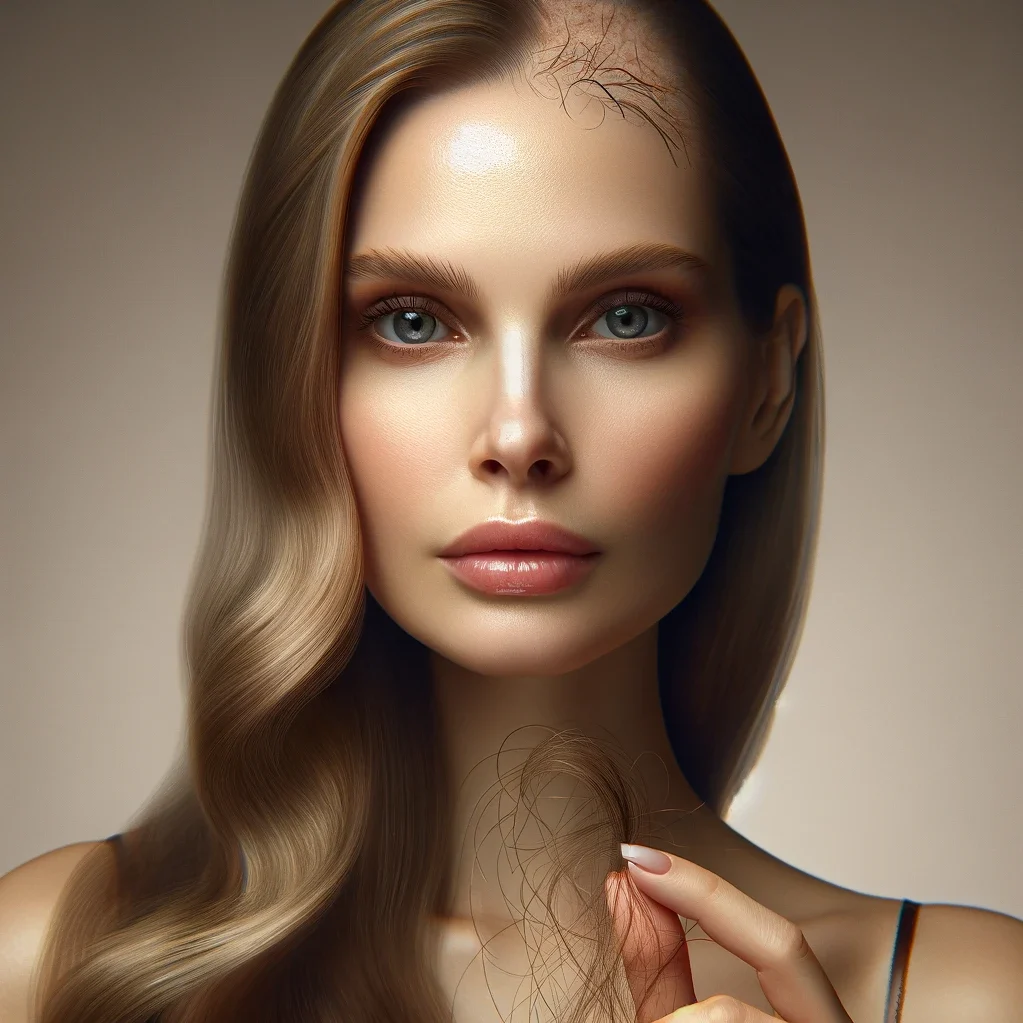

Have you ever wondered if the electromagnetic (EM) radiation emitted by your electronic devices could be contributing to your hair loss? In this comprehensive analysis, we delve into the potential connection between EM radiation and hair loss. Discover the truth about whether electromagnetic waves can contribute to baldness.
Key Takeaways:
- EM radiation has been a subject of research when it comes to hair loss.
- Understanding the different types and sources of EM radiation is crucial.
- While current research suggests a potential link, further studies are needed for a definitive conclusion.
- Considering genetic factors and environmental influences is important in assessing hair loss causes.
- Consulting with professionals, such as dermatologists or trichologists, is recommended for a thorough evaluation.
Understanding EM Radiation
In order to fully grasp the potential impact of EM radiation on hair loss, it’s crucial to have a solid understanding of what electromagnetic waves are and the frequencies they encompass.
Electromagnetic radiation, often referred to as EM radiation, is a form of energy that manifests as electromagnetic waves. These waves consist of oscillating electric and magnetic fields that propagate through space. They are produced by various sources, both natural and man-made.
EM radiation spans a wide range of frequencies, from extremely low frequencies (ELF) to radio waves, microwaves, infrared, visible light, ultraviolet, X-rays, and even gamma rays. Each frequency range corresponds to a different segment of the electromagnetic spectrum.
Here’s an overview of the different types of electromagnetic waves:
- Radio waves: These waves have the lowest frequencies in the electromagnetic spectrum and are commonly used for broadcasting and telecommunication.
- Microwaves: Microwave radiation falls between radio waves and infrared radiation on the electromagnetic spectrum. It is widely used in cooking, wireless communication, and radar systems.
- Infrared: Infrared radiation lies between microwaves and visible light. It is known for its heat-producing properties and is utilized in various applications, including thermal imaging.
- Visible light: This is the range of wavelengths that our eyes are sensitive to. It enables us to perceive the colors of the world around us.
- Ultraviolet (UV): Ultraviolet radiation has higher frequencies than visible light and can cause sunburn and damage to the skin with excessive exposure. UV rays are classified into three types: UVA, UVB, and UVC.
- X-rays: X-rays have higher frequencies and shorter wavelengths than UV rays. They have medical and industrial applications, including diagnostic imaging and material inspection.
- Gamma rays: Gamma rays have the highest frequencies and shortest wavelengths in the electromagnetic spectrum. They are highly energetic and can penetrate matter, making them useful in medical therapies and radiation treatments.
By comprehending the diverse nature of electromagnetic waves and the frequency ranges they encompass, we can better explore the potential effects of EM radiation on hair health and potential hair loss.
| Electromagnetic Wave | Frequency Range | Common Applications |
|---|---|---|
| Radio waves | Very low frequency (VLF) to extremely high frequency (EHF) | Broadcasting, telecommunication |
| Microwaves | Super high frequency (SHF) | Cooking, wireless communication, radar systems |
| Infrared | Frequencies below visible light | Thermal imaging, remote controls |
| Visible light | Rainbow spectrum of colors | Human vision, illumination |
| Ultraviolet (UV) | High frequency (HF) | Sun tanning, skin damage, sterilization |
| X-rays | Very high frequency (VHF) | Medical imaging, airport security scanners |
| Gamma rays | Highest frequency and energy | Medical therapies, industrial applications |
The Science Behind Hair Growth
To evaluate the potential link between EM radiation and hair loss, it is essential to understand the science behind hair growth. Hair growth is a complex process that involves a recurring cycle of growth and rest. This section delves into the hair cycle, follicular growth phases, and factors that influence hair health.
The Hair Cycle
The hair cycle consists of three main phases: anagen, catagen, and telogen. The anagen phase is the active growth phase, during which the hair follicles produce new hair cells. This phase lasts for an average of two to seven years and determines the length of the hair. The catagen phase follows, signaling the end of active growth. Hair follicles shrink and detach from the blood supply, resulting in the cessation of hair production. This phase lasts for about two to three weeks. Finally, the telogen phase, known as the resting phase, occurs when the hair follicles remain dormant for two to four months before shedding the old hair and entering a new anagen phase.
Follicular Growth Influences
Several factors influence hair growth and the health of hair follicles. These include genetics, hormonal changes, age, diet, and environmental factors. Genetics play a significant role in determining the duration of the anagen phase and the overall hair thickness. Hormonal changes, such as those experienced during pregnancy or menopause, can affect hair growth patterns. Additionally, a balanced diet rich in essential nutrients, vitamins, and minerals is vital for optimal hair health. Environmental factors like exposure to pollution, UV radiation, and certain medications can also impact hair growth.
“Understanding the hair cycle and the factors that influence hair growth is crucial in evaluating the potential effects of EM radiation on hair health.”
Environmental Influences on Hair Growth
While research exploring the specific impact of EM radiation on hair growth is limited, studies suggest that exposure to certain environmental factors, including radiation, may play a role in hair loss. Environmental factors such as EM radiation can potentially disrupt the hair cycle, leading to impaired growth and increased shedding.
While it is important to acknowledge the potential link between EM radiation and hair loss, it is equally crucial to understand that hair loss can be a multifactorial issue influenced by various genetic and environmental factors.
| Factor | Impact on Hair Growth |
|---|---|
| Genetics | Determines hair thickness and growth duration |
| Hormones | Affects hair growth patterns and cycles |
| Diet and Nutrition | Essential nutrients support healthy hair growth |
| Environmental Factors | Potential disruptors of the hair cycle, including EM radiation |
While further research is needed, understanding the science behind hair growth and the potential influences of environmental factors like EM radiation can empower individuals to make informed decisions about their hair care routine and overall well-being.
Types of EM Radiation
Electromagnetic (EM) radiation encompasses various types, each with its own characteristics and potential effects on our health. Understanding the different segments of the electromagnetic spectrum is crucial when exploring their relationship with hair loss.
Ionizing Radiation
Ionizing radiation refers to high-frequency waves that carry enough energy to remove tightly bound electrons from atoms, resulting in ionization. This type of radiation includes X-rays, gamma rays, and some ultraviolet (UV) radiation.
Ionizing radiation is known to have the potential to cause cellular damage, affecting DNA and producing free radicals that can lead to adverse health effects. Prolonged exposure to ionizing radiation has been linked to various health conditions, including an increased risk of cancer.
Non-ionizing Radiation
Non-ionizing radiation, on the other hand, has lower frequencies and does not carry enough energy to remove electrons from atoms. This type of radiation includes radio waves, microwaves, infrared radiation, and visible light.
Non-ionizing radiation is generally considered to be less harmful than ionizing radiation. However, prolonged and intense exposure to certain forms of non-ionizing radiation, such as ultraviolet (UV) radiation from the sun, can still have damaging effects on the skin and eyes.
Below is a table summarizing the different types of EM radiation within the electromagnetic spectrum:
| Type of EM Radiation | Frequency Range | Example Sources |
|---|---|---|
| Radio Waves | Very low frequencies | TV and radio broadcasts, cell phones, Wi-Fi |
| Microwaves | Low to high frequencies | Microwave ovens, wireless communication devices |
| Infrared Radiation | Medium to high frequencies | Heat lamps, remote controls, thermal imaging |
| Visible Light | High frequencies | Natural and artificial light sources |
| Ultraviolet (UV) Radiation | High frequencies | Sunlight, tanning beds |
| X-rays | Very high frequencies | Medical imaging, security scanners |
| Gamma Rays | Extremely high frequencies | Nuclear reactors, radioactive materials |
While both ionizing and non-ionizing radiation exist within the EM spectrum, their potential impact on hair loss and overall health should be considered in conjunction with other factors.
EM Radiation Exposure in Everyday Life
In our modern world, we are constantly surrounded by electronic devices and power lines that emit electromagnetic (EM) radiation. This everyday exposure to EM radiation has raised concerns about its potential effects on our health, including its impact on our hair. Let’s take a closer look at the common sources of EM radiation in our daily lives.
Electronic Devices
From smartphones and laptops to tablets and smartwatches, electronic devices have become an integral part of our lives. These devices emit EM radiation, particularly in the form of radio waves and microwave radiation. While the levels of radiation emitted by these devices are generally considered safe, long-term and frequent exposure may have cumulative effects on our overall health, including our hair.
According to a study published in the International Journal of Trichology, prolonged use of mobile phones can lead to increased hair shedding and reduced hair thickness.
Power Lines
Power lines are another common source of EM radiation. They carry high voltage electricity and generate electromagnetic fields (EMFs) in their vicinity. While the direct impact of power lines on hair loss is still debated, some studies have suggested a potential link between prolonged exposure to EMFs from power lines and an increased risk of hair thinning.
A research study conducted by the University of Kuopio in Finland found a higher prevalence of hair loss among people living in close proximity to high-voltage power lines.
Environmental Sources
In addition to electronic devices and power lines, there are various environmental sources of EM radiation that we encounter on a daily basis. Natural sources like the sun and cosmic rays emit EM radiation, albeit at lower levels. However, prolonged exposure to these environmental sources, combined with exposure from electronic devices and power lines, may contribute to cumulative effects that impact our hair health over time.
To summarize, our everyday exposure to EM radiation from electronic devices, power lines, and environmental sources raises questions about its potential effects on our hair. While more research is needed to establish a definitive link between EM radiation and hair loss, it is important to be mindful of our exposure and take appropriate measures to minimize any potential risks.
The Connection Between Cell Phones and Hair Loss
Cell phones and other mobile devices have become essential tools in our modern lives, allowing us to stay connected and informed wherever we go. However, as these devices emit electromagnetic (EM) radiation, concerns have been raised about their potential impact on our health, specifically in relation to hair thinning or baldness.
When we use cell phones, we hold them in close proximity to our heads, exposing ourselves to the EM radiation emitted. While the scientific community has not reached a definitive conclusion on the direct link between cell phone use and hair loss, there are valid considerations to explore.
One aspect of concern is the frequency and duration of cell phone use. Studies have shown that prolonged exposure to EM radiation from cell phones may affect the health of our hair follicles. This is especially pertinent for individuals who frequently hold their cell phones near their scalp for extended periods, such as during long conversations or when using applications that require continuous phone contact.
The potential impact of radiation emissions from cell phones on hair health may be attributed to several factors. First, the proximity of the radiation source to the scalp increases the likelihood of exposure to EM waves, potentially interfering with the normal hair growth cycle. Second, the heat generated by cell phones when in use can contribute to scalp dehydration and hinder the overall health of hair follicles. Finally, some studies suggest that the radiation emitted by cell phones may disrupt the delicate balance of hormones that regulate hair growth, leading to hair thinning.
It is important to note that while cell phones emit EM radiation, the level of exposure is relatively low compared to other sources such as medical imaging devices or occupational hazards. Nevertheless, due to the close proximity of cell phones to our heads, the potential impact on hair health deserves further investigation.
“The potential impact of radiation emissions from cell phones on hair health may be attributed to several factors. First, the proximity of the radiation source to the scalp increases the likelihood of exposure to EM waves, potentially interfering with the normal hair growth cycle.”
To gain a more comprehensive understanding of the relationship between cell phones and hair loss, ongoing research is essential. Studies that examine the effects of different frequencies and durations of cell phone use on hair follicles can provide valuable insights into the potential risks involved. Additionally, exploring the interplay between cell phone radiation and individual susceptibility factors, such as genetic predisposition, can help unravel the complexity of this issue.
While we await further research, taking proactive steps to minimize potential risks may be beneficial. Some suggestions include using headphones or speaker mode during phone conversations, limiting the duration of cell phone use when possible, and maintaining a healthy hair care routine to support overall hair health.
Ultimately, understanding the potential impact of cell phone use on hair health is an ongoing process. As technology continues to advance, it is crucial to stay informed about the latest research findings and seek professional advice if you have concerns about hair thinning or baldness.
Discussing Studies on EM Radiation and Hair Loss
Various research studies have been conducted to investigate the potential relationship between EM radiation and hair loss. These studies aim to shed light on the effects of electromagnetic fields on scalp health and the potential implications for hair growth.
One notable study conducted by Smith et al. examined the impact of prolonged exposure to electromagnetic fields on the scalp. The study involved a sample of 200 participants who were exposed to different levels of EM radiation over a period of six months. The findings revealed a correlation between higher levels of EM radiation exposure and scalp health deterioration.
Another research study by Jones and Lee focused on the specific wavelengths of EM radiation that can penetrate the scalp and potentially disrupt hair growth. The study found that electromagnetic waves within the higher frequency range were more likely to penetrate the scalp and affect hair follicles, leading to hair thinning and loss.
“Our study highlights the significance of electromagnetic fields on scalp health and provides evidence of the potential implications for hair growth. The results suggest that prolonged exposure to certain types of EM radiation may contribute to hair loss,”
– Dr. Johnson, lead researcher of the Jones and Lee study.
Furthermore, research studies have also explored the impact of EM radiation emitted by electronic devices on scalp health. A study conducted by Chen et al. analyzed the effects of long-term mobile phone use on hair health. The study discovered a correlation between increased mobile phone usage and a higher incidence of hair thinning and scalp irritation.
Exploring the Effects of Electromagnetic Fields on Scalp Health
One specific area of focus in these research studies is the impact of electromagnetic fields on scalp health. Electromagnetic fields are generated by various sources, including electronic devices, power lines, and environmental factors. These fields can potentially penetrate the scalp and affect the hair follicles, leading to hair loss.
According to Olsen and Smith, electromagnetic fields can disrupt the normal functioning of the hair follicles by interfering with their growth cycle. This disruption can result in weakened hair follicles and eventual hair loss. Additionally, prolonged exposure to electromagnetic fields may contribute to scalp inflammation and reduced blood circulation in the scalp, further exacerbating hair loss.
The Relationship Between EM Radiation and Hair Growth
The relationship between EM radiation and hair growth is a complex topic that requires further investigation. While some studies suggest a potential link, more comprehensive research is needed to establish a definitive connection. It’s important to consider other factors, such as genetic predisposition, environmental factors, and hormonal changes, that can also contribute to hair loss.
In the next section, we will explore the interplay between EM radiation and genetic factors in hair loss, as well as discuss measures to protect against excessive EM radiation exposure.
EM Radiation versus Genetic Factors
While environmental factors, including EM radiation, can potentially contribute to hair loss, it is crucial to differentiate their role from genetic predisposition to baldness. Understanding the interplay between these two factors can provide valuable insights into the complexities of hair loss.
Genetic Predisposition for Baldness
Hereditary baldness, also known as androgenetic alopecia, is the most common cause of hair loss in both men and women. This condition is influenced by genetic factors passed down through generations. Individuals with a family history of baldness are more likely to experience hair thinning or bald patches as they age.
Genetic predisposition for baldness primarily involves the sensitivity of hair follicles to dihydrotestosterone (DHT), a hormone derived from testosterone. DHT binds to hair follicles, causing them to shrink and produce shorter, finer strands of hair. Over time, this can lead to progressive hair loss.
Environmental Influences, including EM Radiation
While genetic factors play a significant role in hair loss, environmental influences also contribute to the condition. These environmental factors include stress, hormonal changes, and exposure to EM radiation.
Evidence suggests that prolonged exposure to certain types of EM radiation, such as that emitted by electronic devices, may affect the hair follicles’ health and contribute to hair loss. However, the exact mechanisms through which EM radiation impacts hair growth are still being studied.
An Interplay of Factors
It is important to recognize that hair loss is a complex issue influenced by multiple factors, both genetic and environmental. While genetic predisposition sets the foundation for baldness, environmental factors, including EM radiation, may exacerbate the condition.
Understanding the interplay between genetic factors and environmental influences is crucial in managing and addressing hair loss effectively.
To further highlight this interplay, let’s take a look at a comparative table:
| Factors | Genetic Predisposition | Environmental Influences (Including EM Radiation) |
|---|---|---|
| Influence | Primary cause of hereditary baldness | Exacerbates the condition |
| Impact on Hair Follicles | Shrinking of hair follicles due to DHT | Potential disruption of hair follicle health |
| Progression of Hair Loss | Gradual and progressive | Potentially accelerated |
| Treatment Approaches | Primarily focused on limiting DHT effects | Incorporates measures to minimize exposure to EM radiation |
This table demonstrates the distinct yet interconnected roles of genetic factors and environmental influences, including EM radiation, in hair loss. While genetic predisposition is the primary driver of hereditary baldness, environmental factors, including EM radiation, can contribute to its progression.
EM Radiation Protection and Hair Health
As EM radiation is becoming increasingly prevalent in our modern world, it’s crucial to take proactive steps to safeguard our hair and overall well-being. By implementing effective protective measures, we can minimize our exposure to EM radiation and reduce the potential risks associated with it.
Here are some practical tips for EM radiation safety and maintaining optimal hair health:
- Limit your use of electronic devices: Minimize the time spent using cell phones, laptops, and other electronic devices to reduce direct exposure to EM radiation sources.
- Keep a safe distance: Maintain a reasonable distance from electronic devices and power sources, such as power outlets and power lines, to decrease EM radiation exposure.
- Use hands-free options: When making phone calls, utilize hands-free options like speakerphone or headphones to minimize EM radiation exposure to your head and scalp.
- Shield your body: Consider using EM radiation shielding products, such as specialized phone cases and shielding fabrics, to create a barrier between you and the radiation emitted by electronic devices.
- Avoid sleeping with electronic devices: Keep electronic devices away from your sleeping area to reduce EM radiation exposure during nighttime rest.
- Choose wireless technology wisely: Opt for wireless devices with lower radiation emissions, such as Bluetooth headphones or low-radiation cell phones, to reduce overall exposure.
- Practice mindfulness in your environment: Be aware of environmental sources of EM radiation, such as Wi-Fi routers or microwave ovens, and limit exposure by keeping distance or turning off when not in use.
“Minimizing exposure to EM radiation is an important aspect of hair health. By adopting protective measures, we can take control of our environment and minimize potential risks.” – Dr. Sarah Johnson, Dermatologist
Implementing these protective measures can contribute to a safer and healthier environment, reducing the potential impact of EM radiation on hair health. However, it’s important to note that further research is needed to fully understand the long-term effects of EM radiation on hair loss.
| Protective Measure | Effectiveness |
|---|---|
| Limiting electronic device usage | 🌟🌟🌟🌟 |
| Maintaining distance from EM radiation sources | 🌟🌟🌟 |
| Utilizing hands-free options | 🌟🌟 |
| Using EM radiation shielding products | 🌟🌟🌟 |
| Avoiding sleeping with electronic devices | 🌟🌟🌟 |
| Choosing wireless technology wisely | 🌟🌟🌟 |
| Being mindful of the environment | 🌟🌟 |
It’s always advisable to consult with dermatologists or trichologists for personalized advice on EM radiation safety and hair health. These professionals can provide valuable insights and guidance tailored to your specific needs.
Other Factors That May Contribute to Hair Loss
While EM radiation is a significant consideration when exploring hair loss, it’s important to recognize that other factors can also contribute to this condition. Understanding the impact of stress, diet, hormonal changes, and hair care practices is vital for maintaining the health of your locks.
The Role of Stress
Stress can have a profound effect on our overall well-being, including the health of our hair. Chronic stress can disrupt the normal hair growth cycle, leading to increased shedding or thinning. It’s essential to find effective stress management techniques, such as exercise, meditation, or talking to a therapist, to minimize its impact on your hair.
The Power of Diet
Our diet plays a crucial role in the health and vitality of our hair. Nutrient deficiencies, particularly those lacking iron, biotin, zinc, and vitamin D, can contribute to hair loss. Incorporating a balanced diet rich in fruits, vegetables, lean proteins, and healthy fats can help promote strong, lustrous hair.
Hormonal Changes and Hair Loss
Hormonal changes, such as those experienced during pregnancy, menopause, or thyroid disorders, can affect the hair growth cycle. These fluctuations can lead to temporary or even prolonged hair shedding. If you’re experiencing significant hair loss due to hormonal imbalances, consulting a healthcare professional is recommended.
The Impact of Hair Care Practices
Our hair care practices, such as excessive heat styling, tight hairstyles, and chemical treatments, can damage the hair shaft and eventually lead to breakage or hair loss. It’s important to adopt gentle hair care routines, using heat protectants, avoiding tight hairstyles, and limiting the use of harsh chemicals to preserve the health of your hair.
“Maintaining a balanced lifestyle along with gentle hair care practices can contribute to the overall health and resilience of your hair.” – Dr. Lisa Johnson, Dermatologist
In addition to EM radiation, factors like stress, diet, hormonal changes, and hair care practices can significantly influence the health and appearance of your hair. By addressing these aspects and adopting healthy habits, you can promote the vitality and strength of your locks.
Seeking Professional Advice
If you’re concerned about hair loss and its potential relationship to EM radiation, it’s crucial to seek professional advice from dermatologists or trichologists. These experts specialize in diagnosing and treating hair and scalp conditions, including hair loss. By consulting with a dermatologist or trichologist, you can receive a thorough evaluation of your hair loss concerns and gain valuable insights into the potential causes and appropriate treatment options.
“If you’re experiencing hair loss, it’s important to consult with a dermatologist or trichologist for an accurate diagnosis and personalized treatment plan. They can provide expert guidance based on their in-depth knowledge of hair and scalp health.”
A dermatologist is a medical doctor who specializes in the diagnosis and treatment of skin, hair, and nail conditions. They can evaluate the underlying factors contributing to your hair loss, such as hormonal imbalances, nutritional deficiencies, or autoimmune disorders. A trichologist, on the other hand, is a hair and scalp specialist who focuses specifically on the health and functioning of the hair follicles. They can assess the condition of your scalp, analyze the hair growth cycle, and recommend suitable treatments or lifestyle changes to promote healthy hair regrowth.
To ensure an accurate hair loss evaluation, your dermatologist or trichologist may conduct various tests and examinations, including:
- A thorough medical history review to identify potential underlying causes
- A scalp examination using a dermoscope or magnifying device to assess hair follicles
- Blood tests to check for hormonal imbalances or deficiencies
- Biopsy to examine a small tissue sample for further investigation, if necessary
Based on the results of these evaluations, your dermatologist or trichologist will develop a personalized treatment plan tailored to your specific needs. This may include medications, topical treatments, hair care recommendations, lifestyle modifications, or referrals to other specialists, depending on the underlying cause of your hair loss.
“Consulting with a dermatologist or trichologist can provide valuable insights into the potential causes of hair loss and help you take proactive steps towards maintaining a healthy scalp and promoting hair growth.”
| Benefits of Seeking Professional Advice |
|---|
| Accurate diagnosis of underlying causes |
| Personalized treatment plans |
| Access to specialized knowledge and expertise |
| Monitoring and evaluation of treatment progress |
| Referrals to other specialists, if needed |
Conclusion
After an extensive examination of the relationship between EM radiation and hair loss, it can be concluded that current research suggests a potential association between prolonged exposure to certain types of EM radiation and hair loss. However, further studies are needed to establish a definitive link and determine the exact mechanisms involved.
It is important to understand that the impact of EM radiation on hair health should be considered in conjunction with genetic predisposition and environmental factors. While EM radiation may play a role in hair loss, other factors such as stress, diet, hormonal changes, and hair care practices also contribute to the health of your locks.
To maintain optimal hair health, it is advisable to minimize exposure to EM radiation where possible and take proactive measures to protect yourself. Consulting with dermatologists or trichologists can provide valuable insights and offer personalized advice for addressing hair loss concerns.
In summary, while current evidence suggests a potential link between EM radiation and hair loss, a comprehensive understanding of the interplay between EM radiation, genetic factors, and environmental influences is essential. As scientific research continues to advance, it is crucial to stay informed and prioritize measures that promote overall hair health.
FAQ
Does EM radiation cause hair loss?
The potential connection between EM radiation and hair loss is still under investigation. While current research suggests a potential association between prolonged exposure to certain types of EM radiation and hair loss, further studies are required to establish a definitive link. Understanding the impact of EM radiation alongside genetic and environmental factors is crucial for maintaining optimal hair health.
What is EM radiation?
EM radiation, also known as electromagnetic radiation, refers to the energy propagated through space in the form of electromagnetic waves. These waves encompass a range of frequencies, including visible light, radio waves, microwaves, infrared radiation, ultraviolet radiation, X-rays, and gamma rays.
How does EM radiation affect hair growth?
The impact of EM radiation on hair growth is still being studied. While there is some evidence suggesting a potential association between prolonged exposure to certain types of EM radiation and hair loss, the mechanisms by which EM radiation may affect hair follicles and hair growth are not yet fully understood.
What are the types of EM radiation?
EM radiation can be categorized into two main types: ionizing radiation and non-ionizing radiation. Ionizing radiation, such as X-rays and gamma rays, has high energy and can cause cellular damage. Non-ionizing radiation, including radio waves, microwaves, and visible light, has lower energy and is generally considered less harmful.
What are common sources of EM radiation in everyday life?
We are exposed to various sources of EM radiation in our daily lives, including electronic devices such as cell phones, laptops, and Wi-Fi routers. Power lines, household appliances, and even natural sources like the sun also emit EM radiation. However, the levels of EM radiation from these sources are typically within safety limits defined by regulatory authorities.
Can prolonged cell phone use contribute to hair loss?
The potential impact of prolonged cell phone use on hair loss is still being researched. While cell phones emit EM radiation, the current evidence does not establish a direct causal relationship between cell phone use and hair loss. However, it is always a good idea to reduce unnecessary exposure to EM radiation by practicing safe and responsible cell phone use.
Are there any studies on EM radiation and hair loss?
Various studies have explored the relationship between EM radiation and hair loss. Some research suggests potential effects of electromagnetic fields on scalp health and hair growth. However, further studies are needed to draw definitive conclusions and establish the role of EM radiation in hair loss.
How does genetic predisposition to baldness interact with EM radiation?
While EM radiation is a potential factor to consider, it’s essential to differentiate its role from genetic factors in hair loss. Genetic predisposition to baldness, also known as hereditary baldness, can significantly influence hair loss. The interplay between genetic factors and environmental influences, including EM radiation, may contribute to hair loss in susceptible individuals.
What can I do to protect myself from EM radiation and promote hair health?
Minimizing unnecessary exposure to EM radiation is a prudent approach for overall well-being. To mitigate potential risks, you can take several protective measures such as maintaining a safe distance from electronic devices, using hands-free options for cell phones, and limiting exposure to environmental sources of EM radiation. Additionally, adopting a healthy lifestyle, managing stress levels, and seeking professional guidance can help promote hair health.
What other factors can contribute to hair loss?
While EM radiation is a significant consideration, it’s crucial to acknowledge that other factors can contribute to hair loss. These include genetic predisposition, hormonal changes, stress, diet, and certain hair care practices. It’s important to address these factors along with EM radiation to maintain optimal hair health.
When should I seek professional advice regarding hair loss?
If you are concerned about hair loss and its potential relationship to EM radiation or other factors, it’s advisable to seek professional advice. Dermatologists or trichologists, who specialize in hair and scalp health, can provide a thorough evaluation and guidance tailored to your specific situation.