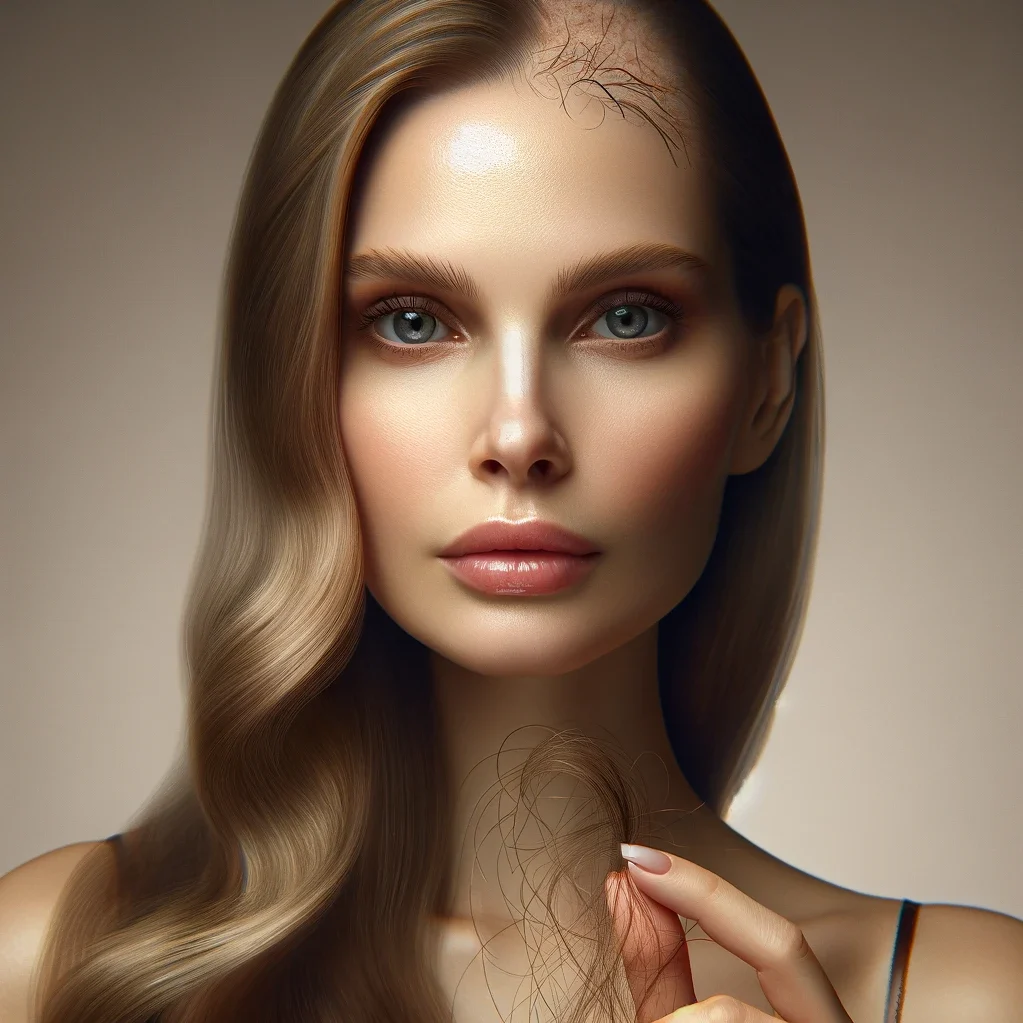
Sun exposure can be harsh on our hair, causing damage that manifests in various ways such as dryness, brittleness, and discoloration. The UV rays from the sun weaken the protein structures of our hair and strip away its moisture, leading to a loss of color, reduced strength, and increased frizziness. Understanding how to repair and protect our hair from sun damage is essential for maintaining healthy and beautiful locks.
In this comprehensive guide, we will explore effective treatments and preventive measures to repair the damage caused by UV radiation and shield our hair from further harm. Whether you’re dealing with existing sun-damaged hair or looking to proactively protect your hair from the sun, this guide is for you.
- UV rays from the sun weaken the protein structures of the hair and strip it of moisture, resulting in various signs of sun-damaged hair.
- Sun-damaged hair can exhibit signs such as loss of color, increased frizziness, dryness, and brittleness.
- Different hair types and factors such as heat styling and over-lightening can contribute to the susceptibility of hair to sun damage.
- Repairing and protecting sun-damaged hair involves preventive measures like wearing hats, using hair sunscreen, and gentle hair care practices.
- Including hydrating hair masks, serums, and regular trims can help restore moisture and strength to sun-damaged hair.
Signs and Causes of Sun-Damaged Hair
Sun-damaged hair can manifest various signs that indicate the detrimental effects of UV radiation. Recognizing these signs is crucial in identifying and addressing sun damage in a timely manner. Some common signs of sun-damaged hair include:
- Loss of vibrancy and lustre
- Lightening of hair color
- Dryness and brittleness
- Increased frizziness
- More split ends than usual
These effects occur due to the breakdown of the hair’s cell structure caused by prolonged exposure to UV radiation. The damaging effects of the sun’s rays weaken protein structures within the hair, leading to the loss of moisture and essential nutrients. As a result, the hair becomes dull, dry, and prone to breakage.
The severity of sun damage can vary depending on individual factors such as hair type and color. Generally, individuals with darker and thicker hair types are better protected against sun damage. Their hair acts as a natural barrier, shielding the strands from excessive UV exposure. Conversely, those with lighter and finer hair are more susceptible to sun damage due to their hair’s natural structure.
Aside from sun exposure, other factors can make the hair more vulnerable to damage. Heat styling tools such as flat irons and curling irons, as well as chemical treatments like bleaching, can weaken the hair’s structure and increase its susceptibility to sun damage. Additionally, exposure to chlorinated water, salty sea water, and harsh hair products can exacerbate the effects of UV radiation on the hair.
| Factors Contributing to Sun-Damaged Hair | Protective Measures |
|---|---|
| Excessive sun exposure | Wear hats or scarves to shield the hair from direct sunlight. Apply hair sunscreen with UV protection. |
| Heat styling tools | Limit the use of heat styling tools and use a heat protectant spray before styling. |
| Chemical treatments | Avoid over-lightening or excessive chemical treatments. Use hair masks and treatments to nourish and hydrate the hair. |
| Chlorinated water and salty sea water | Rinse the hair thoroughly after swimming and avoid exposing the hair to chlorinated or salty water for extended periods. |
Understanding the signs and causes of sun-damaged hair is the first step in effectively repairing and preventing further damage. By implementing the right protective measures and incorporating nourishing hair care practices, you can restore health and vitality to your sun-exposed locks.
Tips for Repairing and Protecting Sun-Damaged Hair
To repair and protect sun-damaged hair, there are several steps you can take. First, it is crucial to protect your hair from further sun damage. Cover your hair with a hat or scarf when spending time outdoors, especially during peak sun hours. If you’re swimming in chlorinated or saltwater, use a swimming cap to shield your hair from the damaging effects of these elements. Additionally, apply a sunscreen specifically formulated for the hair to provide an extra layer of protection.
When washing your hair, opt for gentle, moisturizing products that nourish and hydrate the strands. Avoid using harsh shampoos that can strip away natural oils and exacerbate dryness. It’s also advisable to minimize heat styling as much as possible, as excessive heat can further weaken sun-damaged hair. Air-drying your hair or using low-heat settings on styling tools can help preserve its moisture and integrity.
Incorporating hydrating hair masks and serums into your hair care routine can greatly aid in repairing and nourishing sun-damaged hair. Look for products that contain ingredients like shea butter, argan oil, and keratin, as they can help restore moisture, strength, and elasticity to your hair. Regular trims are essential for getting rid of split ends and promoting healthy hair growth. Trimming your hair every 6-8 weeks will help prevent further damage and preserve the overall health of your hair.
Finally, using products with UV protection is crucial for safeguarding your hair from harmful sun rays. Look for hair care products, such as shampoos, conditioners, and leave-in sprays that offer UV protection. These products create a barrier on the hair, blocking UV rays and minimizing the damage caused by prolonged sun exposure. Additionally, pay attention to scalp care by keeping it hydrated and protected from the sun as well. Limiting heat styling and embracing natural hairstyles can further promote healthier, sun-damaged hair.
FAQ
What are the signs of sun-damaged hair?
Sun-damaged hair can exhibit signs such as loss of vibrancy and lustre, lightened hair color, dryness, brittleness, increased frizziness, and more split ends than usual.
What causes sun damage to hair?
Sun damage to hair is primarily caused by the breakdown of the hair’s cell structure due to the damaging effects of UV radiation. Other factors such as heat styling, chlorinated water, and over-lightening can also make the hair more vulnerable to sun damage.
How can I repair sun-damaged hair?
To repair sun-damaged hair, you can take several steps. Protect your hair from further sun damage by covering it with a hat or scarf, using a swimming cap in chlorinated or saltwater, and applying sunscreen formulated specifically for the hair. Use gentle, moisturizing products when washing your hair, and minimize heat styling. Incorporate hydrating hair masks and serums into your routine to restore moisture and strengthen the hair. Regular trims can remove split ends and promote healthy hair growth. Additionally, using products with UV protection can safeguard the hair from harmful sun rays.
What are the best products for repairing UV-damaged hair?
There are various products available to repair UV-damaged hair. Look for products that provide hydration and nourishment, such as deep conditioning masks, leave-in conditioners, and hair serums. Additionally, using products with UV filters and heat protection can help prevent further damage and strengthen the hair.
How can I heal sun-damaged hair?
To heal sun-damaged hair, focus on maintaining overall hair health. Pay attention to scalp care by keeping it moisturized and using gentle cleansers. Limit heat styling as much as possible and give your hair regular breaks from heat tools. Incorporate a healthy diet rich in vitamins and minerals that support hair growth and repair. Additionally, protect your hair from further sun damage by following preventive measures and using appropriate products.
1 thought on “UV Hair Repair Guide: Fix Damage from Sun Exposure”