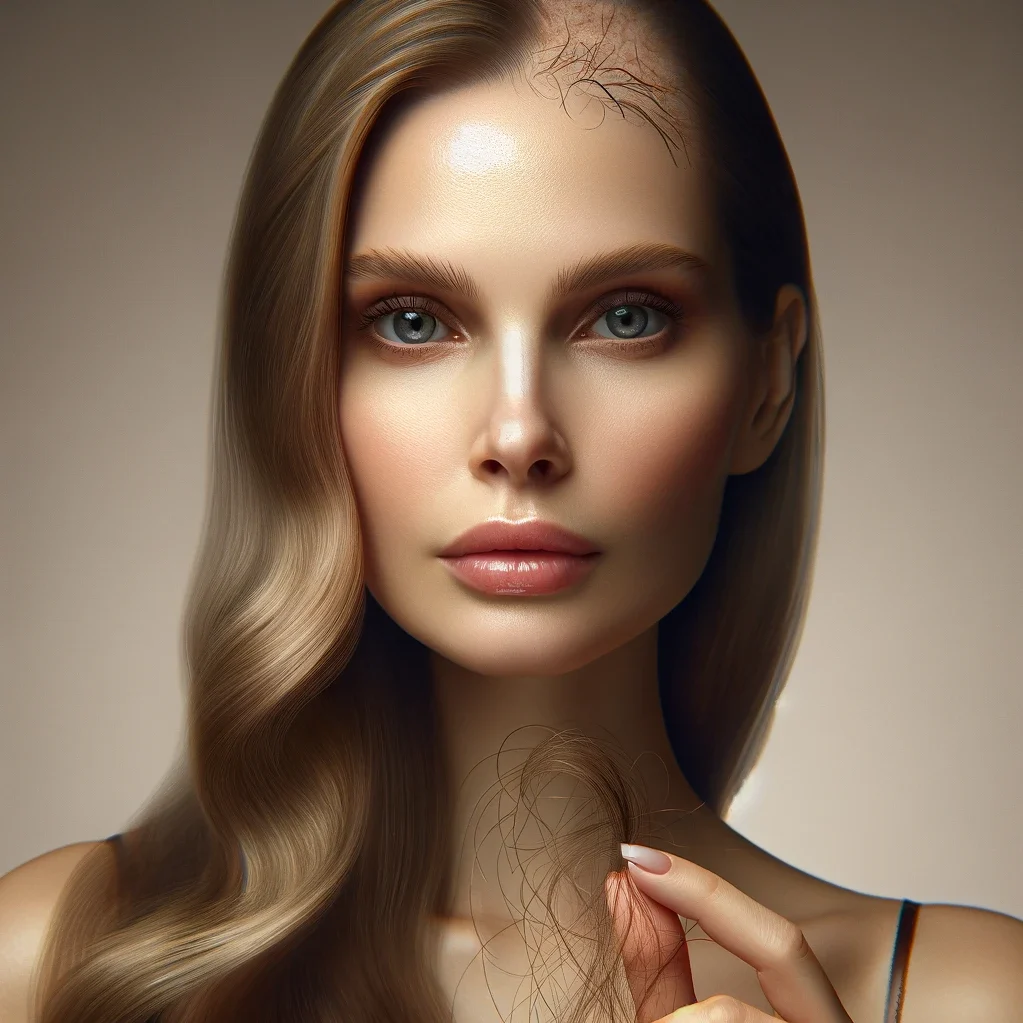

Welcome to our informative article on the relationship between sun exposure and hair thinning. In this section, we will explore the science behind sun exposure and its effects on hair loss and overall hair health. While sunburn itself does not directly cause hair loss, extended and severe sunburn can contribute to hair thinning by damaging the hair follicles and increasing sensitivity to dihydrotestosterone (DHT), a hormone linked to pattern hair loss.
Intense sun exposure can also lead to dry and brittle hair, making it more prone to breakage and giving the appearance of hair thinning. In fact, sunburn on the scalp can act as an early indicator of hair thinning, as it can reveal areas where the hair is receding or becoming thinner. Therefore, it is crucial to protect your hair and scalp from sun damage by implementing sun protection measures such as using sunscreen for the scalp, wearing a hat, seeking shade, and limiting sun exposure.
Key Takeaways:
- The sun does not directly cause hair loss, but prolonged sun exposure can contribute to hair thinning.
- Severe sunburn can damage the hair follicles and increase sensitivity to DHT, a hormone linked to hair loss.
- Intense sun exposure can make the hair dry, brittle, and more prone to breakage.
- Protecting the hair and scalp from sun damage is crucial in maintaining hair health.
- Implement sun protection measures like using sunscreen for the scalp, wearing a hat, seeking shade, and limiting sun exposure.
The Link Between Baldness and Skin Cancer: Unveiling the Relationship
Recent research has shed light on the fascinating link between baldness and skin cancer, revealing an intriguing connection between these two seemingly unrelated conditions. While many factors contribute to the development of skin cancer, including sun exposure and genetic predispositions, scientists have discovered that balding men may have a higher susceptibility to skin cancer due to increased sun exposure on the head and neck.
Contrary to popular belief, testosterone levels do not play a significant role in the relationship between baldness and skin cancer. Instead, genes linked to hair loss and skin color are believed to contribute to the increased risk. Through the analysis of genetic data, researchers have confirmed a strong link between balding and skin cancers, primarily attributed to greater sun exposure.
The role of testosterone in skin cancer risk is complex and multifactorial, involving various genetic and environmental factors. While testosterone itself does not directly cause skin cancer, it may influence the distribution of hair growth on the scalp, thereby impacting sun exposure and subsequent cancer risk.
“Understanding the genetic drivers of skin cancer is crucial in identifying high-risk groups and implementing effective prevention and early detection strategies,” says Dr. Emma Johnson, a renowned dermatologist.
By unraveling the intricate relationship between baldness and skin cancer, scientists hope to develop targeted interventions that can better protect balding individuals from the harmful effects of sun exposure and reduce the risk of skin cancer.
Skin Cancer Risk Factors
Multiple factors contribute to the development of skin cancer, and understanding these risk factors is essential for prevention and early detection. Here are some key factors:
- Prolonged sun exposure
- History of sunburns
- Family history of skin cancer
- Fair skin, freckles, or light-colored hair
- Presence of moles or atypical nevi
- Previous radiation therapy
It is important to note that while these factors may increase the risk of skin cancer, they do not guarantee its development. Preventive measures, such as regular use of sunscreen, wearing protective clothing, and seeking shade, can significantly reduce the risk.

The Importance of Sun Protection
Protecting your skin from harmful UV rays is crucial for maintaining overall skin health and reducing the risk of skin cancer. Here are some sun protection tips:
- Apply sunscreen with a high SPF (at least 30) and broad-spectrum protection
- Wear protective clothing, such as hats and long-sleeved shirts
- Seek shade during peak sun hours (10 am to 4 pm)
- Use sunglasses that provide UV protection
- Avoid tanning beds and sunlamps
By incorporating these sun protection measures into your daily routine, you can safeguard your skin and reduce the risk of skin cancer.
Hair Loss in Women: Complex Causes and Solutions
When it comes to hair loss in women, there are numerous factors at play. Understanding these causes can help us find effective solutions to prevent and manage hair loss. Let’s explore the various factors that contribute to hair loss in women:
Genetic Factors
One common cause of hair loss in women is genetic factors, specifically androgenetic alopecia, also known as female pattern hair loss. This condition is inherited and can lead to a gradual thinning of the hair over time.
Hormonal Changes and Hair Health
Hormonal changes during pregnancy, menopause, and thyroid disorders can also affect hair health in women. Fluctuations in hormone levels can disrupt the normal hair growth cycle, resulting in hair thinning or loss.
Nutritional Deficiencies and Hair Loss
Nutrition plays a crucial role in maintaining healthy hair. Deficiencies in essential nutrients like iron, vitamins, and protein can impact hair health and contribute to hair loss. A well-balanced diet is essential for promoting strong and vibrant hair.
Impact of Stress on Hair
Stress can take a toll on overall health, including the health of our hair. Excessive stress can disrupt the hair growth cycle, leading to increased hair shedding and potential hair loss. It’s important to find effective stress management techniques to maintain healthy hair.
Medical Conditions and Treatments Affecting Hair
Various medical conditions and treatments can also contribute to hair loss in women. Conditions like alopecia areata, scalp infections, and autoimmune disorders can result in hair thinning or loss. Additionally, certain medications, such as chemotherapy drugs, may cause temporary or permanent hair loss.
Environmental Factors and Hair Care Practices
Environmental factors, such as exposure to pollution, harsh chemicals, and excessive heat styling, can damage the hair and lead to hair thinning. Unhealthy hair care practices, like frequent use of styling tools, tight hairstyles, and aggressive brushing, can also contribute to hair loss in women.
Addressing these complex causes of hair loss in women requires a multifaceted approach. Proper nutrition, stress management, and gentle hair care practices are essential for maintaining hair health. Consulting a healthcare professional or dermatologist can help determine the underlying cause of hair loss and guide personalized treatment options.
| Cause | Solutions |
|---|---|
| Genetic Factors | – Genetic counseling – Topical or oral medications – Hair transplantation |
| Hormonal Changes | – Hormonal therapy – Lifestyle modifications – Scalp treatments |
| Nutritional Deficiencies | – Balanced diet and supplements – Nutritional counseling – Scalp treatments |
| Stress | – Stress management techniques – Relaxation exercises – Scalp massages |
| Medical Conditions | – Treatment of underlying condition – Scalp treatments – Supportive care |
| Environmental Factors | – Protective hairstyles – Limiting heat styling – Using gentle hair care products |
Conclusion
After exploring the various factors that contribute to hair thinning and hair loss, including sun exposure and genetic predispositions, it is clear that understanding the causes is crucial for prevention and management. While sunburn itself does not directly cause hair loss, it can play a role in hair thinning by triggering inflammation, increasing sensitivity to dihydrotestosterone (DHT), and causing dryness of the hair shafts.
Balding men should be especially cautious of increased sun exposure on the head and neck, as it can heighten their susceptibility to skin cancer. On the other hand, hair loss in women can have multiple causes, including genetic factors, hormonal imbalances, nutritional deficiencies, stress, medical conditions, medications, and environmental factors.
To prevent and manage hair loss effectively, it is important to adopt certain measures. Protecting the hair and scalp from sun damage by using sunscreen, wearing a hat, seeking shade, and limiting sun exposure is essential. Additionally, maintaining a healthy diet, managing stress levels, and implementing gentle hair care practices can significantly contribute to hair health.
Key Takeaways:
- Sun exposure, although not a direct cause of hair loss, can contribute to hair thinning through inflammation, increased sensitivity to DHT, and dryness of the hair shafts.
- Balding men should take extra precautions against sun exposure on the head and neck to reduce their risk of skin cancer.
- For women, hair loss can be attributed to genetic factors, hormonal imbalances, nutritional deficiencies, stress, medical conditions, medications, and environmental factors.
- Preventing and managing hair loss involves protecting the hair and scalp from sun damage, maintaining a healthy diet, managing stress levels, and practicing gentle hair care.
FAQ
Does sun exposure cause hair loss?
Sun exposure does not directly cause hair loss. However, prolonged and severe sunburn can contribute to hair thinning by causing inflammation and damage to the hair follicles. It can also increase sensitivity to dihydrotestosterone (DHT), a hormone linked to hair loss.
Can sunburn make the hair appear thinner?
Intense sun exposure can make the hair dry, brittle, and more prone to breakage, leading to perceived hair thinning. Sunburn on the scalp can also act as an early sign of hair thinning, revealing areas where the hair is thinning or receding.
How can I protect my hair from sun damage?
To protect your hair from sun damage, it is important to use sunscreen specifically formulated for hair, wear a hat or seek shade when the sun is strongest, and limit direct sun exposure. Additionally, using products with built-in UV protection can help shield the hair from harmful UV rays.
Does sun exposure increase the risk of skin cancer in balding men?
Researchers have found that balding men are more susceptible to skin cancer due to increased sun exposure on the head and neck. While testosterone levels do not play a significant role, genes linked to hair loss and skin color may contribute to the increased risk.
What are the causes of hair loss in women?
Hair loss in women can be caused by various factors, including genetic factors such as female pattern hair loss, hormonal changes during pregnancy, menopause, and thyroid disorders, nutritional deficiencies, stress, certain medical conditions, medications, and environmental factors.
How can hair loss in women be prevented and managed?
Preventing and managing hair loss in women involves maintaining a healthy diet with adequate nutrients, managing stress levels, using gentle hair care practices, and addressing underlying medical conditions. Consulting a healthcare professional or dermatologist can help determine the best course of action.
Is sun protection important for hair health?
Yes, sun protection is important for maintaining hair health. Protecting the hair and scalp from sun damage can help prevent hair thinning, dryness, and breakage. Using sunscreen for hair, wearing hats or seeking shade, and minimizing direct sun exposure can contribute to overall hair health.